Candy Salad

Why does your candy salad taste like a bag of random Halloween leftovers when the ones on TikTok look like an actual culinary creation? The gap isn’t luck or better filming. It’s planning. The viral candy salads racking up 15 million views were built with specific logic — flavor contrast, texture variety, the right vessel — not just whatever was on sale at the checkout aisle.
This guide covers the actual mechanics: which candies mix well and which don’t, what bowl to buy, how to build one that looks and tastes intentional, and the settings where a candy salad is genuinely the wrong call.
What a Candy Salad Is — And Why It Works as a Home Entertaining Format
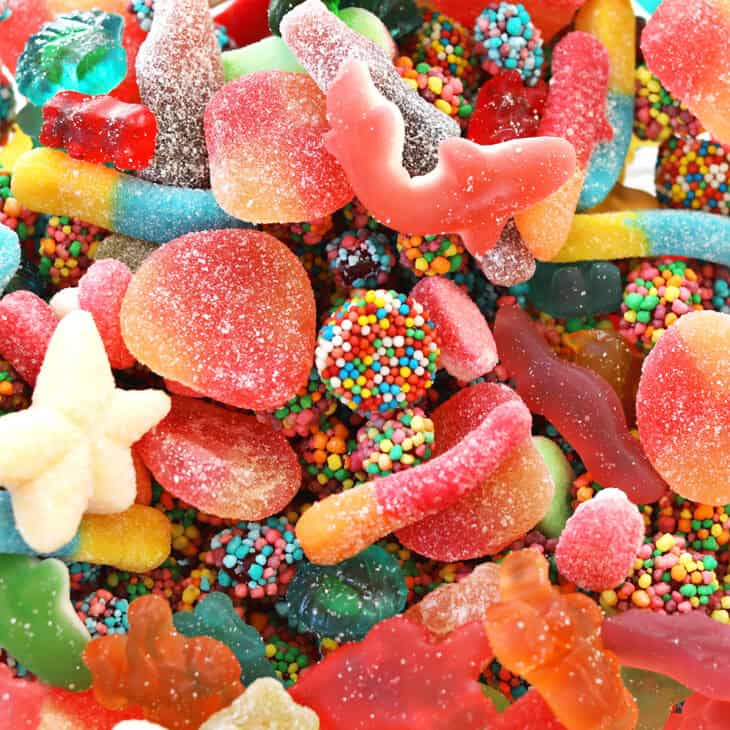
A candy salad is a large shared bowl of mixed candies, typically 6 to 12 different types, served as a communal grab-and-mix experience. The analogy to a charcuterie board is accurate: each piece works on its own, but the point is contrast and combination. Each guest becomes the editor of their own handful.
The format blew up on TikTok starting in 2026 but the underlying concept isn’t new. Candy buffets have been a staple of weddings and events for decades. The candy salad compressed that idea into a single bowl for home use, which is why it translated so naturally to everyday entertaining.
What makes it genuinely useful as a home entertaining format — not just a passing trend — is interactivity. Guests mix their own combinations. They try flavors they’d never buy separately. It extends the time people spend around the food table and generates the kind of low-stakes conversation that good party food should create. There’s something about the act of reaching into a bowl and building a personal mix that keeps people engaged longer than a plate of pre-cut desserts.
The economics make sense, too. A well-stocked 4-quart candy salad runs $25–$45 in candy and covers a party of 15–20 people as a shared nibble. That works out to $1.25–$2.25 per person. A proper dessert spread costs $5–$8 per head. For the host watching the budget without wanting the table to look it, the value calculation is clear.
The home decor angle is real. A large glass bowl filled with layered, color-varied candy is a functional centerpiece. It’s decorative before it’s edible — which is why the serving vessel matters nearly as much as what goes into it, and why we cover both in detail below.
The Candy Combinations That Actually Work — And the Ones That Don’t
Most failed candy salads trace back to one error: mixing without a system. Here’s a breakdown of the most common candy types and how they behave together:
| Candy | Texture | Flavor Profile | Mix Rating | Best Paired With |
|---|---|---|---|---|
| Haribo Gold-Bears | Chewy | Sweet, fruity | Excellent | Sour Patch Kids, Trolli worms |
| Sour Patch Kids | Chewy, sugar-coated | Sour-sweet, fruity | Excellent | Swedish Fish, Haribo |
| Nerds Gummy Clusters | Crunchy exterior, chewy center | Tart, fruity | Excellent | Skittles, Sour Patch Kids |
| Trolli Sour Brite Crawlers | Chewy | Sour, fruity | Excellent | Haribo, Swedish Fish |
| Skittles | Hard shell, chewy center | Sweet, fruity | Good | Starbursts, Nerds Rope |
| Swedish Fish | Chewy, dense | Sweet, berry | Good | Sour Patch Kids, Trolli |
| Airheads Minis | Chewy, flat | Sweet-sour, fruity | Moderate | Hi-Chew, Laffy Taffy |
| M&M’s (plain) | Crunchy shell, soft chocolate | Sweet, chocolate | Moderate — keep in chocolate zone | Reese’s Pieces, Kit Kat bites |
| Jolly Ranchers | Hard | Sour-sweet, fruity | Limited | Use sparingly as accent only |
| Reese’s Pieces | Crunchy | Sweet, peanut butter | Limited — chocolate zone only | M&M’s, peanut M&M’s |
The hard rule: don’t mix chocolate-based candy with aggressively sour candy. Sour Patch Kids next to M&M’s creates a flavor conflict neither side wins. The acids in sour coatings also soften chocolate shells over time — within 90 minutes of sitting together, pieces start sticking. Pick one direction, fruity-sour or chocolate-sweet, and commit to it.
Nerds Gummy Clusters are the single highest-impact inclusion in any fruity build. They deliver crunch and chew in one piece, which adds textural complexity that an all-gummy bowl lacks. A 3-pound bag runs approximately $14 at Target or Costco and fills out volume efficiently without dominating the flavor profile.
The Right Bowl: Size, Material, and Specific Products Worth Buying
Presentation accounts for more than most first-time builders expect. A $40 candy selection in the wrong vessel looks like an impulse grab at a gas station. The same candy in a wide-mouth glass bowl with visible layers looks deliberate. The vessel signals effort before anyone takes a piece.
How Big Does the Bowl Actually Need to Be?
For 10–15 guests, target a minimum 4-quart (3.8L) capacity. The candy should fill the bowl to roughly 80% — abundant enough to look generous, not so full that pieces spill when someone reaches in. For 20+ guests, scale to 6–8 quarts. A bowl that reads half-full at the start of a party looks like an afterthought regardless of candy quality.
The Anchor Hocking 4-Quart Glass Mixing Bowl ($18 at Walmart, approximately 11 inches in diameter) is the most consistently recommended option for home use. It’s fully transparent — candy colors show through the sides, which is a major part of the visual appeal — and wide-mouthed enough for easy guest access. The Anchor Hocking 8-Quart version ($28) scales up for larger gatherings without changing the aesthetic logic.
Glass vs. Acrylic vs. Stainless: The Real Tradeoffs
- Clear glass: Best visual result. Colors show through all sides. Heavy and breakable — keep it for indoor home use. Optimal for aesthetics and the primary recommendation for home entertaining.
- Acrylic: Lightweight and unbreakable. Good for outdoor events or venues where breakage is a real concern. The Prodyne Acrylic Party Bowl (5-quart, approximately $22) maintains the transparent-sided look with a slight optical distortion compared to glass.
- Stainless steel: The IKEA BLANDA BLANK (28cm, $4.99) creates a modern, curated look. The metallic surface contrasts well against bright candy colors viewed from above. You lose the through-the-side color effect, but the top view can be striking at the right bowl-to-candy ratio.
- Ceramic: Works for small, single-candy presentations. For a full candy salad, opaque sides undercut the layered visual effect that defines the format.
What to Skip
Avoid pedestal-base bowls. They tip when guests lean in to grab pieces, and a spilled candy salad across a tablecloth is an unpleasant cleanup mid-party. Also avoid bowls with inward-sloping rims — they restrict hand access and make scooping awkward, which quietly discourages guests from engaging with the bowl.
Step-by-Step: How to Actually Build One
- Commit to a flavor direction first. Fruity-sour or chocolate-sweet. This single decision drives every candy purchase. Mixed flavor zones are possible in larger bowls but require deliberate physical separation and more planning than most first builds can support.
- Select 6–10 candy types. Under 6 reads as sparse and low-effort. Over 10, individual flavors blur together and the visual becomes chaotic. A reliable fruity-sour starting lineup: Haribo Gold-Bears, Sour Patch Kids, Trolli Sour Brite Crawlers, Nerds Gummy Clusters, Swedish Fish, and Skittles.
- Buy standard retail bags, not single-serve packs. Most retail bags are 7–12oz. Budget 8–10 bags for a 4-quart bowl. Single-serve packs cost 40–60% more per ounce and generate far more packaging to deal with.
- Layer by density. Heaviest and densest pieces go on the bottom: Swedish Fish, Hi-Chew, Starburst chews. Medium-weight pieces in the middle: Haribo, Trolli worms, Sour Patch Kids. The lightest and most fragile pieces on top: Nerds Gummy Clusters, Airheads minis, anything with a breakable coating.
- Add a visual accent on top. Large gummy worms draped over the surface, a cluster of Sour Patch Watermelons, or gummy rings arranged loosely. This one step is the difference between “bowl of candy” and “styled candy salad.” It signals intentionality without extra cost.
- Toss lightly, not fully. A gentle hand mix blends the middle layers slightly. The goal is visible variety from above — multiple colors and shapes readable at a glance — not uniform distribution. Fully mixed candy salads lose their visual appeal within minutes.
- Set out a serving tool. A wide serving spoon or flat serving tongs. Without one, guests dig with their hands, which changes both the experience and the hygiene reality for the next person reaching in. This is a small detail with a real impact on how the bowl is used throughout the event.
The One Rule That Eliminates Most Bad Candy Salads
Don’t mix chocolate-based candy with sour-coated candy in the same bowl. Everything else is adjustable — the brand, the bowl, the ratio. This isn’t. The flavor clash is unpleasant and the textural degradation is real. Pick your lane before buying the first bag, and stay in it.
Party Setup vs. Everyday Home Display: Different Goals, Different Builds
Is a candy salad appropriate for a formal dinner party?
Not as the main dessert course. As a cocktail-hour element displayed on an entry or sideboard table? Yes. Scale down to a 2-quart bowl and upgrade the candy selection: Hi-Chew assorted flavors ($8–$12 per bag), Japanese Meiji gummy selections, or the Haribo Phantasia mixed bag. The objective shifts from abundance to curation — fewer pieces, higher quality, tighter color palette.
How long does a candy salad stay fresh during a party?
Most gummy and chewy candies hold well at room temperature for 4–6 hours. The exception: any candy with a citric acid or sugar coating — Sour Patch Kids, Trolli Sour Brite Crawlers — starts sweating and sticking after roughly 2 hours of direct heat or sunlight exposure. Keep the bowl away from windows and food warmers. Hard candies like Jolly Ranchers hold indefinitely. Chocolate pieces (M&M’s, Reese’s Pieces) should stay refrigerated until 30 minutes before serving if the room temperature runs above 72°F.
Can you build it the night before?
Yes, with one specific adjustment. Build the base 12–24 hours ahead and cover tightly with plastic wrap. Hold back any citric-acid-coated candy — Sour Patch Kids, Trolli worms — until the day of serving. These pieces pull ambient moisture overnight and turn the surrounding candy sticky and clumped. Haribo, Skittles, M&M’s, Swedish Fish, and Nerds Gummy Clusters all hold overnight with no degradation.
Three Situations Where You Should Skip the Candy Salad
The format is genuinely good. It’s not the right solution for every gathering.
When young children under 6 make up most of your guest list. A communal bowl of mixed candy within reach of a large group of toddlers is not a party feature — it’s a supervision challenge. For young kids’ parties, individual candy cups (4–6 pieces each, pre-selected by the host) give the variety experience without the access and consumption management issues that come with an open communal bowl.
When serious food allergies are a significant factor. Most mass-market gummies contain gelatin. Many are produced in facilities that also handle peanuts, tree nuts, and wheat. Once every candy type has been in contact with every other type in one bowl, cross-contamination becomes a real concern. If guests have documented allergies, a separate curated plate with verified-safe options is more responsible than asking them to navigate a communal bowl where ingredient separation is effectively impossible.
When the event has a strict visual or color theme. A rainbow gummy candy salad at a black-and-white-themed bridal shower will fight the aesthetic direction rather than support it. In those cases, adapt the concept rather than abandon it: a monochromatic candy display using all-white pieces — white gummy bears, white chocolate chips, marshmallows, yogurt-covered pretzels — or all-dark pieces like dark chocolate almonds, black licorice, and dark Oreo minis still delivers the candy salad experience while honoring the design intent.
That first attempt that tasted like a random Halloween bag? The candy wasn’t the problem. The absence of a plan was. Decide on the flavor direction, match the vessel to the occasion, layer by density, and the outcome is reliably different.