Open Shelving vs Closed Cabinets: The Small-Kitchen Verdict

A 12-inch-deep shelf can hold dinner plates, mugs, glasses, and most everyday bowls while using roughly half the depth of a standard base cabinet. That sounds like a storage win. It is not always one. Open shelving saves space you can see, but closed cabinets save time you cannot see: the time spent dusting, straightening, and hiding visual clutter.
For a small kitchen, the clear winner is a hybrid layout. Keep heavy, messy, and rarely used items behind doors. Leave only attractive, frequently used pieces on open shelves. That rule beats the open-versus-closed argument.
Open Shelving vs Closed Cabinets: Which Stores More?
Closed cabinets usually store more total volume because they can run from the counter to the ceiling and hold several layers behind one door. Open shelves often feel larger because they expose the wall, but exposed space is less forgiving. A stack of mismatched containers can make a full shelf look unfinished within a day.
Open shelves win on access and shallow depth
The IKEA KUNGSFORS wall shelf measures about 30 3/8 inches wide by 11 inches deep. That depth works well for plates, cups, spice jars, and small baskets without forcing you to reach behind a second row. The IKEA LACK wall shelf, at roughly 74 by 26 centimeters, fits a similar role at a smaller scale. These shelves are useful above a coffee station or beside a cooking area where speed matters more than hidden capacity.
Closed cabinets win on volume and visual control
The IKEA SEKTION base cabinet format is about 30 inches high, 24 inches deep, and available in widths such as 18, 24, 30, and 36 inches. That extra depth holds pots, appliances, food containers, and awkward equipment that would make an open shelf look crowded. Doors also block grease, dust, and the visual noise created by ten different packaging designs.
| Storage factor | Open shelving | Closed cabinets |
|---|---|---|
| Fast daily access | Excellent; everything is visible | Good; doors add one step |
| Dust and grease control | Weak; surfaces need regular wiping | Strong; doors protect contents |
| Best depth | 10 to 12 inches | 22 to 24 inches |
| Visual clutter | High unless contents match | Low because doors hide it |
| Best use | Daily dishes and attractive items | Pots, appliances, food, and backups |
Verdict: closed cabinets store more, but open shelves work better for the small group of items you use every day. A kitchen that needs both capacity and calm should not choose one system for every wall.
The Best Small-Kitchen Layout Uses Both
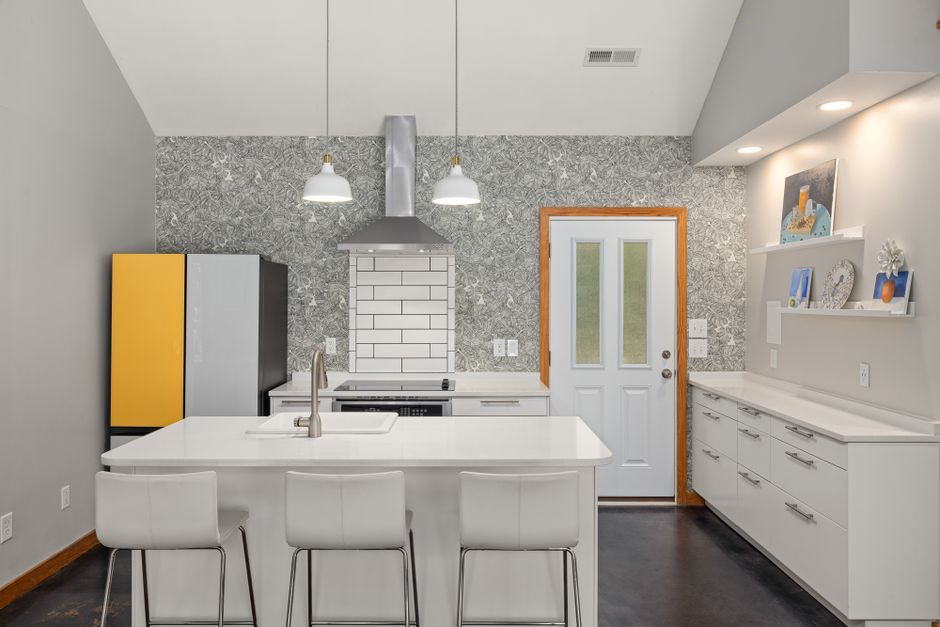
Put closed storage below the counter and open storage above it. That single arrangement keeps heavy cookware at a safe working height, hides ugly packaging, and gives frequently used dishes a fast landing zone without making the room feel boxed in.
Use one or two open shelves on the wall beside the sink or prep area, keep them 10 to 12 inches deep, and leave enough space between the counter and the lowest shelf for appliances and food preparation. Put doors around the range, trash bin, dishwasher, and coffee gear, because steam, splashes, crumbs, and cords create the fastest messes.
The result is not a compromise. It is a division of labor: open shelves handle access and display, while closed cabinets handle volume, protection, and the things you do not want to see. In a 2026 kitchen refresh, this hybrid layout is the safest choice for renters, small households, and anyone who wants the room to look organized even when dinner is already underway.
Why Open Shelves Become Clutter Traps
Open shelving fails for predictable reasons. The problem is rarely the shelf itself. The problem is asking a display system to perform the job of a storage room. Once every item becomes visible, small decisions turn into a daily maintenance task.
Too much shelf depth creates a second row
A shelf deeper than about 12 inches invites double-stacking. The back row disappears, so you stop using it. Then the front row becomes a barrier that blocks the items behind it. Measure the largest object you plan to store, add about 2 inches for easy removal, and stop there. Extra depth is not free storage when it makes every item harder to reach.
Mixed packaging makes the kitchen look busy
Cereal boxes, bright snack bags, paper towels, and mismatched plastic containers create visual noise because the eye reads every label as a separate object. Open shelves work best for a limited palette: white plates, clear jars, wooden boards, or matching mugs. Put food backups and cleaning supplies behind doors. Do not buy decorative containers first and hope they solve the problem. Measure the shelf, choose one container size, and test one row before buying a full set.
Grease and dust change the cleaning schedule
A shelf beside the cooktop collects a film faster than a shelf across the room. That film sticks to jar lids, bowl rims, and textured baskets. Keep open shelves at least 18 inches away from the main splash and heat zone when possible. Wipe exposed pieces weekly if you cook often, and wash display items before using them after a long break. If that sounds annoying, choose doors. The right storage system is the one you will maintain when you are tired.
Failure-mode verdict: do not install open shelving because the kitchen looks attractive in a photo. Install it only where the contents are used often, cleaned easily, and limited enough to stay orderly.
How to Choose Shelves and Cabinets by Zone
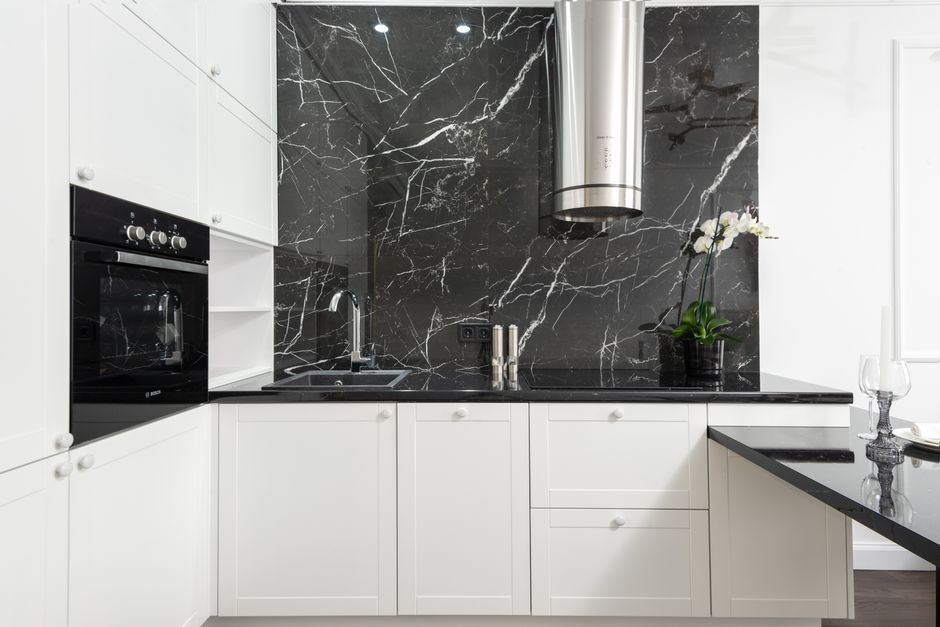
Divide the kitchen into working zones before choosing a storage type. This prevents the common mistake of buying attractive shelves and then forcing every object onto them.
- Cooking zone: Use closed cabinets for oils, flour, pans, and small appliances. Keep only the tools used every day within arm’s reach. The IKEA SEKTION 30-by-24-by-30-inch base cabinet format is a practical reference for the volume needed below a counter.
- Dish zone: Use one open shelf for plates, bowls, and mugs if you wash dishes near that wall. Keep the shelf 10 to 12 inches deep and leave enough vertical space to lift the tallest mug without scraping the shelf above it.
- Coffee zone: Open shelving works well for a small collection of cups and jars. The IKEA KUNGSFORS shelf, about 30 3/8 inches wide and 11 inches deep, fits a compact coffee setup without swallowing the whole wall.
- Cleaning zone: Choose doors every time. Sponges, sprays, paper towels, and spare bags are useful but rarely attractive. A closed cabinet also keeps chemicals away from food and reduces the number of surfaces that need wiping.
- Dead-corner zone: Use a pull-out instead of a deep open shelf. A Rev-A-Shelf 4WDB-12 drawer is built around a 12-inch cabinet opening and gives narrow storage a clear front-to-back function. The exact cabinet opening must match the product specification before ordering.
Use one more rule: every shelf needs a boundary. That can be a maximum of three mug styles, one basket width, or one row of plates. Without a limit, open storage expands until it becomes a wall of errands.
Best buying decision: choose shelves for reach, cabinets for mess, and pull-outs for narrow gaps. The storage type should follow the task in each zone, not the style trend you saw online.
Small-Kitchen Cabinet Questions, Answered
My opinion is firm: most small kitchens need more closed storage than open storage. Open shelves should earn their place by making a repeated task faster. If they only make the room look airy, they are decoration, not organization.
Are open shelves harder to keep clean?
Yes, especially near the range, sink, or toaster. Dust settles on the top edges of bowls, grease clings to jar lids, and every item needs a visual check. Use open shelves for pieces that move every day. Store rarely used serving dishes, backup food, and cleaning products behind doors. That split reduces both wiping and decision fatigue.
How many open shelves should a small kitchen have?
Start with one wall section, usually two shelves stacked vertically. A pair of shelves gives you display space without turning every wall into a maintenance project. Leave about 12 to 15 inches between shelves for most cups and bowls, then adjust for the tallest item you actually own. Add a third shelf only after the first two stay orderly for a month.
Should renters choose open shelves?
Renters should choose them only when the wall can take the weight and the installation can be reversed cleanly. A narrow shelf with a rated weight capacity is safer than a long board loaded with cast iron. The IKEA LACK shelf is a compact reference at roughly 74 by 26 centimeters, but the mounting hardware and wall type matter more than the product name. For a rental, a freestanding cart or cabinet often gives more useful storage with less damage risk.
Question-time verdict: choose closed cabinets when cleaning, safety, or clutter causes stress. Choose open shelves when quick access is the main problem and you can keep the contents limited.
The Verdict for a Kitchen You Can Keep Organized
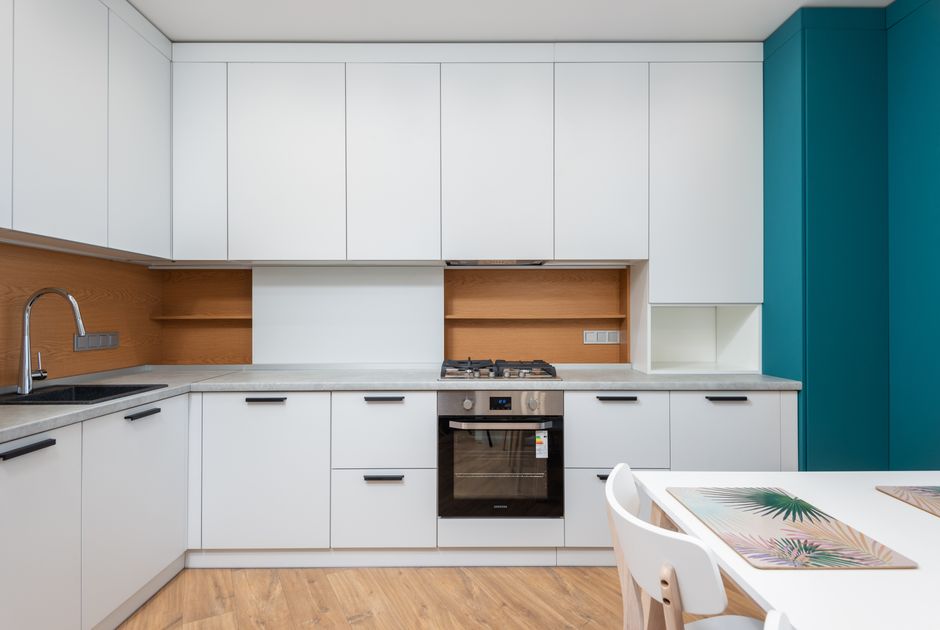
Open shelving is better for visibility. Closed cabinets are better for control. In a small kitchen, control matters more because every messy surface is close to the next one.
Use this final layout rule
Keep heavy cookware, food backups, appliances, cleaning supplies, and mismatched containers behind doors. Put daily plates, a few bowls, mugs, and attractive cutting boards on one or two shallow shelves. Leave the wall above the busiest work area partly empty. Empty space is not wasted space; it gives the kitchen room to function.
Know when to skip open shelving
Skip it if you cook with high heat every day, dislike frequent dusting, own mostly oversized cookware, or struggle to keep visual clutter under control. A closed cabinet with an adjustable shelf will serve you better than a beautiful display that becomes a weekly chore. Skip tall, deep cabinets too if you cannot reach the back; use drawers, pull-outs, or smaller cabinet widths instead.
The practical answer for most small kitchens is simple: closed cabinets for the hard work, open shelving for the daily favorites. As compact kitchens gain smarter pull-outs, adjustable interiors, and modular wall storage, the best designs will keep refining that split instead of treating open and closed storage as rival camps.