I’ve Made Healthy Air Fryer Meals For Years — My Top Recipes

I remember those nights, staring into the fridge, utterly defeated. I wanted something healthy, something quick, but everything felt like a compromise. Either it was a bland, steamed mess, or it involved so much oil and cleanup it hardly felt “healthy” anymore. My family complained. I complained. Takeout was becoming a too-frequent solution, and my wallet (and waistline) definitely felt it. I was tired of the cycle. I needed a better way to get nutritious, delicious food on the table without turning my kitchen into a disaster zone or my dinner into a diet prison. I’d heard the buzz about air fryers, but honestly, I was skeptical. Another countertop gadget? I already had a slow cooker gathering dust. But then, a friend raved about how much they used their Ninja Foodi, and I thought, “What’s the worst that can happen?” I bought a basic basket-style air fryer, nothing fancy, for about $80. That was years ago. And it changed everything.
The Problem with Traditional Healthy Cooking (And Why I Switched)
Let’s be real: “healthy eating” often gets a bad rap. People picture endless salads or boiled chicken. Yawn. I used to fall into that trap, believing that if it was good for me, it probably wouldn’t taste great. And if it did taste great, it probably took forever to make or required a mountain of oil. Think about it: deep-fried anything is delicious, but we all know the health implications. Roasting in the oven is better, but it still often calls for a decent amount of fat to get that crispy texture, and preheating takes time. Sautéing can work, but again, oil is involved, and you’re standing over a hot stove. I was stuck in a rut, constantly battling between convenience, taste, and genuine health. My biggest frustration was trying to get vegetables to taste amazing without drowning them in butter or olive oil. Broccoli always felt like a sacrifice, not a treat. Chicken breasts were rubbery. Fish was bland. I needed a method that could deliver on all fronts: speed, flavor, and minimal fat.
The Hidden Calorie Trap in “Healthy” Preparations
Most people don’t realize how quickly oils add up. A tablespoon of olive oil, while healthy in moderation, is still about 120 calories. When you’re pan-frying or oven-roasting, it’s easy to use two, three, even four tablespoons without thinking. Suddenly, your “healthy” chicken and veggies have an extra 240-480 calories just from the cooking fat. That’s a significant chunk of your daily intake, often completely unnecessary. I used to brush my chicken with oil, then drizzle more over my veggies. It felt right, looked shiny, but it wasn’t serving my health goals.
Why My Air Fryer Became My Go-To
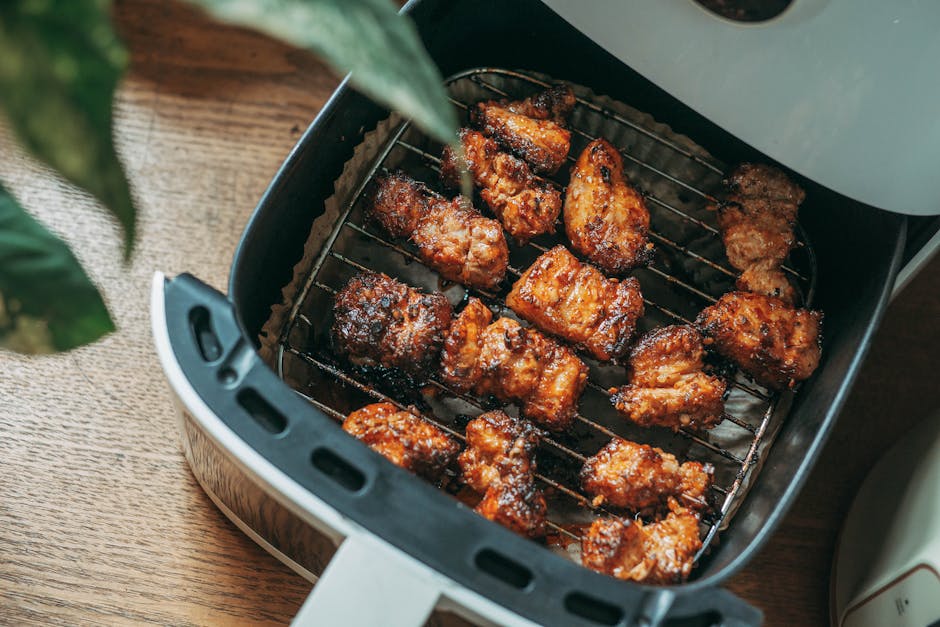
The air fryer came into my life not as a diet tool, but as a sanity saver. My basic Cosori air fryer didn’t promise miracles, but it delivered consistency. It promised “crispy without the deep fry,” and I found that to be mostly true. The circulating hot air mimics the effect of deep frying by rapidly cooking the exterior, creating a crisp crust, often with just a spritz of oil or even no oil at all. This wasn’t about deprivation; it was about smart cooking. I could get that satisfying crunch on my chicken tenders or roasted potatoes with a fraction of the fat, and in half the time an oven would take. It preheated faster than my full-sized oven, and cleanup was usually just a quick wash of the basket.
My Core Philosophy: Less Fat, More Flavor (The Science Behind It)

For years, I believed that flavor required fat. Don’t get me wrong, fat is a flavor carrier, and it’s essential for certain textures. But I’ve learned that you can achieve incredible depth and deliciousness with significantly less fat, especially when using an air fryer. My philosophy now is simple: leverage the Maillard reaction for maximum taste, use spices and herbs generously, and let the air fryer do the heavy lifting.
Understanding the Maillard Reaction in Air Frying
The Maillard reaction is that magical chemical process that browns food and creates thousands of complex flavor compounds. It’s what makes roasted coffee taste like coffee, seared steak taste like steak, and air-fried potatoes taste utterly irresistible. It happens when amino acids and reducing sugars react at high temperatures. In a conventional oven, you need higher temperatures and sometimes more oil to get this reaction going evenly. The beauty of an air fryer is its intense, concentrated heat. Because the hot air circulates so rapidly and efficiently, it creates a dry, high-heat environment that’s perfect for triggering the Maillard reaction quickly and effectively on the surface of your food. This means a beautiful, flavorful crust develops with less overall cooking time and, crucially, less added fat. I’ve found that a light spray of avocado oil (which has a high smoke point) is often all you need, or sometimes, just a little coating of spices.
The Power of Spices and Marinades
When you cut back on oil, you absolutely must amp up your flavor game with spices and marinades. This is non-negotiable for healthy, delicious air frying. I’ve got a whole cabinet dedicated to rubs and spice blends. For chicken, I love a simple mix of smoked paprika, garlic powder, onion powder, a pinch of cayenne, and dried oregano. For vegetables, rosemary and thyme are fantastic, or a blend of cumin and coriander for a more Mediterranean vibe. Don’t be shy!
Marinades are also a secret weapon. A good marinade, even a quick 30-minute one, not only infuses flavor but can also help tenderize proteins and keep them from drying out in the intense air fryer heat. My go-to quick chicken marinade includes a splash of low-sodium soy sauce (or tamari), a squeeze of fresh lime juice, grated ginger, and a dash of sesame oil. These ingredients penetrate the surface, making every bite flavorful without relying on heavy sauces or excessive fats.
Maximizing Nutrition with Minimal Effort
Beyond just reducing fat, the air fryer makes it incredibly easy to cook whole, unprocessed foods. Chicken breasts, fish fillets, shrimp, and almost any vegetable become weeknight staples. Because of the quick cooking time, vegetables retain more of their vibrant color and often more nutrients than if they were boiled or steamed for longer periods. I’ve found it easier to hit my daily vegetable targets since I started air frying. There’s something incredibly satisfying about tossing a bag of frozen broccoli florets with a little seasoning, air frying for 10-12 minutes, and having perfectly roasted, slightly crispy greens ready to go. No fuss, no excessive oil, just pure, healthy goodness.
The 3 Healthy Staples I Always Prep in My Air Fryer
After years of experimenting, I’ve narrowed down a few core foods that consistently turn out amazing and healthy in the air fryer. These aren’t just “recipes”; they’re foundational components I build meals around. They’re quick, versatile, and minimize added fats.
1. Crispy Roasted Broccoli (My Family’s Favorite)
This is a . My kids used to avoid broccoli like the plague. Now, they ask for it. The trick is to get it really crispy. I use a basket-style air fryer, usually a larger capacity one like the Instant Pot Vortex Plus 6-quart, which handles a good amount.
- Preparation: I chop a large head of broccoli into small, bite-sized florets. I want them fairly uniform so they cook evenly.
- Seasoning: Toss the florets with just 1 teaspoon of avocado oil (seriously, that’s all you need for a whole head), a generous sprinkle of garlic powder, onion powder, and a good pinch of salt and black pepper. Sometimes I add a dash of red pepper flakes for a kick.
- Cooking: Air fry at 375°F (190°C) for 10-12 minutes, shaking the basket vigorously halfway through. You want those dark, crispy edges. If you like it softer, reduce the time. It comes out tender-crisp inside, with beautifully charred, flavorful edges.
2. Perfectly Tender Salmon Fillets
Salmon is already a healthy choice, packed with omega-3s. The air fryer cooks it beautifully, keeping it moist inside while giving it a lovely, slightly crisp exterior.
- Preparation: Pat your salmon fillets dry with paper towels. This is key for a good sear. I usually get skin-on fillets, about 6 oz each.
- Seasoning: A simple rub of lemon pepper, a little dill, and a touch of salt works wonders. You can also use my quick soy-lime-ginger marinade mentioned earlier. I don’t use any added oil for salmon; the natural fats in the fish are enough.
- Cooking: Air fry at 380°F (195°C) for 12-15 minutes, depending on the thickness of the fillet and your desired doneness. For a medium-rare center, aim for 12 minutes. Check with a fork for flakiness. The skin gets wonderfully crisp.
3. “Baked” Sweet Potatoes (Quick & Easy Sides)
Forget the long oven bake. These are ready in a flash and make a fantastic healthy carb source.
- Preparation: Wash a medium sweet potato thoroughly. Pierce it several times with a fork all over. I usually make one per person.
- Seasoning: No oil needed here. Just a sprinkle of cinnamon if you like.
- Cooking: Air fry at 400°F (200°C) for 25-30 minutes. Flip it halfway through. It should be fork-tender when done. Slice it open, add a dollop of Greek yogurt instead of butter for extra protein, or just enjoy it plain. It’s naturally sweet and satisfying.
Air Frying vs. Oven Roasting for Health: A Quick Breakdown

People often ask me, “Isn’t an air fryer just a tiny convection oven?” Yes, in principle, it is. But the crucial difference lies in its size, fan power, and heating element placement. These factors make a significant impact on speed, texture, and ultimately, how much fat you need. Here’s how I see the two methods stack up for healthy cooking:
| Feature | Air Frying | Oven Roasting (Convection) | |
|---|---|---|---|
| Preheating Time | 3-5 minutes (often less) | 10-15 minutes | |
| Cooking Speed | Much faster (20-30% less time) | Slower, but cooks larger batches | |
| Fat Required | Minimal (1 tsp spray or none) | Moderate (1-3 tbsp, can be reduced) | |
| Crispiness/Browning | Excellent, very even, rapid Maillard reaction | Good, but can be uneven; takes longer | |
| Energy Efficiency | Highly efficient for small batches | Less efficient for small batches, better for large | |
| Cleanup | Usually quick, non-stick basket | Can be messy (trays, racks) | |
| Best For | Smaller batches, quick weeknight meals, crispy texture | Large family meals, baking, dishes needing even, gentle heat |
My takeaway? For quick, healthy, crispy meals for 1-4 people, the air fryer wins hands down for efficiency and minimal fat. For that full Thanksgiving turkey or a large sheet pan dinner for a crowd, the oven is still king. But for day-to-day healthy eating, the air fryer is just more practical and effective at delivering that desirable texture with less oil.
Forget the Fancy Gadgets: What You Actually Need (and Don’t)
Okay, I’m going to be blunt here. You do not need all the air fryer accessories they try to sell you. Most of them are junk. My philosophy is minimalist: less clutter, more cooking. The only thing I genuinely recommend you get, beyond the air fryer itself, is a good oil mister or sprayer. Not an aerosol can, which can damage the non-stick coating over time, but a reusable pump sprayer. Fill it with a high smoke-point oil like avocado oil, and you’re golden. That’s it. Don’t fall for the silicone liners, the special racks, or the fancy skewers. They just take up space and are usually more trouble than they’re worth. Focus on simple tools and quality ingredients.
Your Top Healthy Air Frying Questions, Answered
Over the years, friends and family have hit me with every air fryer question imaginable. Here are the most common ones I hear about keeping things healthy and delicious.
“Do I always need to use oil?”
Absolutely not. For many foods, especially those with natural fats like salmon or chicken thighs, or starchy vegetables like potatoes, you can get away with no added oil at all. For leaner meats or certain vegetables (like my beloved broccoli), a light spray of high smoke-point oil (like avocado, grapeseed, or even extra light olive oil) is enough to help with browning and seasoning adherence. Think of it as a flavor enhancer, not a cooking medium. My rule of thumb: if it browns nicely in a regular oven with minimal oil, it’ll probably do even better in the air fryer with less.
“How do I prevent my food from drying out?”
This is a common concern, and it’s mostly about temperature and timing. The air fryer’s intense heat can indeed dry out food if you’re not careful. My best advice:
- Don’t overcrowd the basket: Air needs to circulate. If you pile food up, it steams instead of fries, and the outer layers can dry out while the inside struggles to cook. Cook in batches if necessary.
- Use marinades or brines: For lean proteins like chicken breast, a quick marinade (even 30 minutes) can add moisture and flavor. A simple brine (saltwater solution) can also work wonders.
- Monitor closely: Air fryers cook fast. Start with shorter times and check your food. An instant-read thermometer is your best friend for proteins. For vegetables, look for tenderness and desired crispness.
- A light spray of water: For some foods, particularly leftover pizza or certain baked goods, a quick spritz of water before air frying can help restore moisture.
“Can I really cook frozen vegetables in there without oil?”
Yes, and it’s amazing. I do it constantly. Simply dump your frozen vegetables (broccoli, green beans, corn, Brussels sprouts) into the air fryer basket. Air fry at 375°F (190°C) for 8-10 minutes to defrost and start cooking. Then, take them out, toss them with your favorite seasonings (garlic powder, salt, pepper, maybe a little chili powder), and if you want a little extra crisp, a very light spray of oil. Put them back in for another 5-8 minutes until tender-crisp and slightly charred. It’s significantly better than boiling or steaming them, and you get that roasted flavor without the wait time of an oven. It’s a quick win for adding more veggies to any meal.
So, if you’re like I was — tired of the healthy eating struggle, the bland meals, the constant cleanup, or the temptation of unhealthy takeout — get yourself a basic basket-style air fryer, and start with that broccoli. Trust me, it’s a for consistently making genuinely delicious, genuinely healthy meals that don’t feel like a sacrifice.