
Vegan Dishes for Non-Vegans: Surprising Favorites

I remember the first time I hosted a dinner party after going fully plant-based. My friends, bless their carnivorous hearts, looked at me like I’d just announced we were having lichen for dinner. The silent question hung in the air: Are we going to be hungry? Or worse, Is this going to taste like cardboard? I get it. The idea of vegan food often conjures up images of bland salads or sad veggie burgers. But after years of experimenting, failing, and finally succeeding, I’ve cracked the code. You don’t need to apologize for vegan food. You just need to cook good food. And sometimes, it just happens to be vegan. Here’s what I’ve learned about making plant-based meals that even the most dedicated meat-eaters will rave about.
The Flavor Bombs You’re Missing: Umami & Fat Are King
Forget trying to perfectly replicate a steak. That’s a losing battle. Instead, focus on what makes food satisfying: umami and richness. These are the unsung heroes of vegan cooking, and they’re what prevent that feeling of “something’s missing.” When I first started, I made everything too light, too fresh. Great for a side salad, terrible for a main course meant to satisfy a lumberjack. You need depth, you need savoriness, and you need that mouthfeel that signals true contentment.
Unlocking Umami: My Go-To Ingredients
My kitchen pantry always has a few key players. First, nutritional yeast. If you haven’t used it, you’re missing out on a cheesy, savory boost that’s pure magic. Add a tablespoon or two to sauces, scrambled tofu, or even sprinkle it on popcorn. It’s got a distinct flavor, and it’s packed with B vitamins. Next, miso paste. The deep, fermented richness of white or red miso can elevate a broth, a dressing, or a marinade to incredible heights. Just a teaspoon or two can transform a dish. I love adding it to a mushroom ragu. And then there are dried shiitake mushrooms. Rehydrate them, use the liquid as a broth base, and chop the mushrooms for an intense umami hit. They’re way more potent than fresh button mushrooms for this purpose. Don’t skimp on the quality here; a good miso makes a huge difference.
Fat for Fullness: Don’t Be Afraid
When people say vegan food isn’t satisfying, often what they mean is it lacks fat. Fat carries flavor and provides that crucial satiety. I stopped being afraid of healthy fats years ago, and my food got infinitely better. Good quality olive oil is non-negotiable for sautéing and finishing. For baking or creamy dishes, I always have full-fat coconut milk (the canned kind, not the carton beverage) and cashews on hand. Soaked and blended cashews make the best creamy sauces, from Alfredo to a rich queso. And for roasting vegetables, don’t just drizzle a tiny bit of oil. Toss them generously. Aim for about 2 tablespoons of oil per pound of vegetables for proper caramelization and flavor development. That crispy edge? That’s fat doing its job.
Mastering Meat Alternatives: From TVP to Plant-Based Burgers
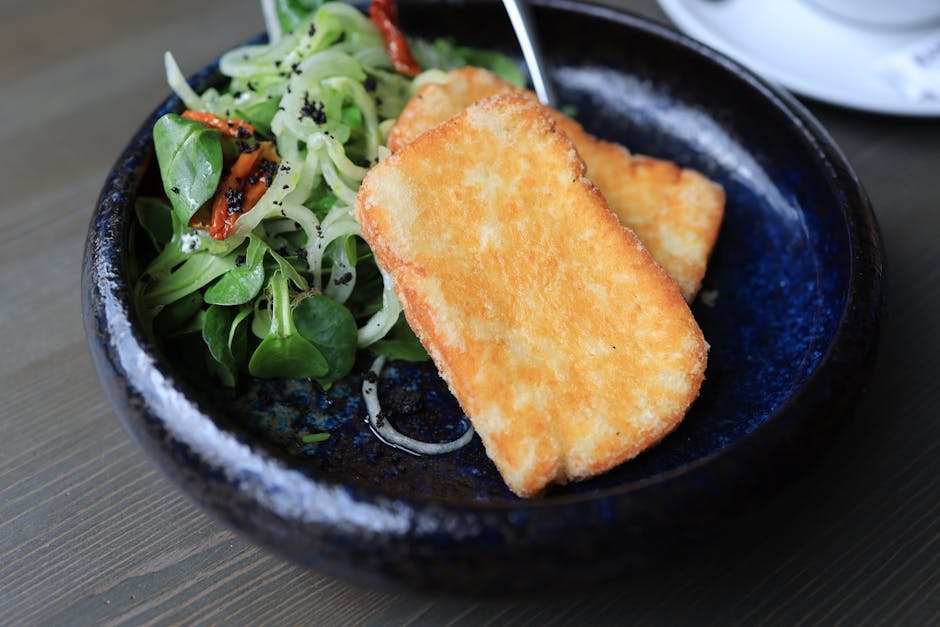
I used to be skeptical of anything trying to be meat. But times have changed. While I still believe whole foods are king, sometimes you want that familiar texture and experience. And for non-vegans, a good meat alternative can bridge the gap from skepticism to satisfaction. It’s not about tricking them, but about offering a familiar comfort without compromise.
Comparing the Contenders: What I Actually Use
| Product Type | Brand Examples | Texture & Flavor | Best Use Cases | My Verdict |
|---|---|---|---|---|
| Textured Vegetable Protein (TVP) | Bob’s Red Mill, Anthony’s Goods | Dry, needs rehydrating. Takes on flavor well. Ground meat-like. | Taco meat, chili, sloppy joes, bolognese sauce | Budget-friendly staple. Absorbs flavor incredibly well. Takes effort but worth it. |
| Plant-Based Burgers | Beyond Burger, Impossible Burger | Realistic beef texture, often with a ‘bloody’ appearance. Rich, savory. | Grilling, burgers, meatloaf, meatballs | Best for direct swaps. Impresses non-vegans instantly. Pricey, but delivers. |
| Vegan Sausage | Beyond Sausage, Field Roast | Chewy, sometimes spicy, distinct savory flavor. | Pasta dishes, breakfast scrambles, pizza toppings | Great for flavor injection. Beyond Sausage is my top pick for realism. |
My Secret to Great TVP
TVP (Textured Vegetable Protein) is incredible if you know how to use it. Don’t just rehydrate it with water. That’s where people go wrong. I always use a flavorful vegetable broth, often with a dash of soy sauce or tamari, smoked paprika, and sometimes a bit of liquid smoke. Rehydrate it for 10-15 minutes, then squeeze out any excess liquid. After that, pan-fry it with a little oil until it starts to brown and crisp up. That’s when it gets good. It develops that chewy, satisfying texture. It’s fantastic for chili or a hearty bolognese sauce, easily replacing ground beef for a fraction of the cost.
Beyond & Impossible: The Real Deal
When I want to truly impress, or when I just crave a classic burger, the Beyond Burger and Impossible Burger are my go-to. Yes, they cost more than traditional ground beef, often around $6-$8 for two patties, but the experience is so close, it’s worth it for a treat. I’ve grilled these for friends who swore they wouldn’t like them, only to have them ask for seconds. My preference leans slightly towards Beyond for texture and Impossible for flavor when plain, but both are phenomenal. For making meatballs or a hearty loaf, I still prefer Beyond’s ground format. Just follow the package directions for cooking; they cook very similarly to regular meat patties.
My #1 Rule: Just Cook Good Food
Honestly, the best advice I can give is to simply make delicious food. Don’t label it “vegan” if you don’t have to. Focus on vibrant flavors, satisfying textures, and hearty portions. People will enjoy it if it tastes good, regardless of its composition.
Dairy Swaps That Don’t Taste Like Sadness

Dairy was one of the hardest things for me to give up, and for non-vegans, it’s often a major sticking point. But the world of plant-based dairy has exploded, and there are now fantastic alternatives for almost everything. The key is knowing which one works for what application. Using the wrong plant milk in your coffee can be a disaster, but the right one is pure perfection.
My Top Plant Milk Picks
- Oatly Full Fat Oat Milk: For coffee, lattes, and tea, this is the absolute winner. It foams beautifully, doesn’t curdle, and has a neutral, slightly sweet flavor that complements coffee perfectly. It costs more than regular milk, usually around $5 for a half-gallon, but it’s worth it if you’re serious about your morning brew.
- Silk Unsweetened Cashew Milk: For creamy sauces (like a bechamel or a lighter Alfredo), this is my favorite. It’s naturally creamy without being overpowering, and its neutral flavor doesn’t compete with other ingredients. It also works well in smoothies.
- Canned Full-Fat Coconut Milk: For richness in curries, stews, or even a decadent vegan hot chocolate, this is unmatched. Just make sure it’s full-fat and not the ‘light’ version. Always shake the can well before opening to ensure the fat and water are mixed.
Butter & Cheese: Where the Magic Happens
For butter, I swear by Miyoko’s Kitchen Cultured Vegan Butter. It bakes, browns, and spreads just like dairy butter, and the flavor is spot on. It’s phenomenal in cookies, on toast, or for making a roux. Expect to pay around $6-$7 a tub, but it’s a premium product. For cheese, it’s more nuanced. For grating over pasta, a good block of violife parmesan is excellent. For melting on a grilled cheese or pizza, I’ve found brands like Follow Your Heart or Daiya Shreds (specifically their cutting board blends) work well. For fancy cheese boards, Miyoko’s also makes incredible artisan vegan cheeses that will fool anyone. Don’t waste your time with the cheap, plasticky stuff; invest in quality for these items, especially when serving non-vegans.
Foolproof Vegan Desserts: Yes, Even Cheesecake
Desserts are another area where people assume vegan means “less than.” I used to make dense, dry cookies and rubbery cakes. But with a few simple swaps and techniques, you can make incredibly decadent vegan desserts that rival their dairy and egg counterparts. The secret isn’t in finding a magic ingredient, but understanding how plant-based ingredients interact.
Can I Really Bake Without Eggs?
Absolutely. Eggs serve several purposes in baking: binding, leavening, and moisture. For binding, a flax egg (1 tbsp ground flaxseed + 3 tbsp water, let sit for 5 mins) works great in cookies, muffins, and quick breads. For leavening, a combination of baking soda and vinegar (or lemon juice) often creates that lift. For moisture and richness, mashed banana, applesauce, or puréed silken tofu are excellent. My favorite for dense cakes or brownies is usually mashed banana or an oil-based recipe, as it keeps things incredibly moist. For lighter cakes, I often use a mix of baking powder and baking soda with some plant milk and a touch of vinegar.
What About Cream? How Do I Get That Richness?
This is where cashews and full-fat coconut milk shine again. For a rich, creamy frosting or a no-bake cheesecake filling, soaked and blended cashews are unparalleled. Soak them in hot water for at least 30 minutes (or cold water overnight), then blend with a bit of plant milk, sweetener, and flavorings until completely smooth. You can also whip the solid cream from a can of refrigerated full-fat coconut milk for a surprisingly stable whipped cream. Just make sure the can is completely chilled overnight, then carefully scoop out only the thick cream, leaving the liquid behind. Whip it with a bit of powdered sugar and vanilla for a dreamy topping.
What’s Aquafaba and Why Should I Care?
Aquafaba is simply the liquid from a can of chickpeas. I know, it sounds bizarre. But this stuff is a miracle worker. It can be whipped just like egg whites to create meringues, macarons, mousses, and even a stable foam for cocktails. Use a stand mixer with a whisk attachment, and whip it with cream of tartar until stiff peaks form. It’s incredible and genuinely mimics egg whites without any chickpea flavor. It’s perfect for a light, airy chocolate mousse that will impress anyone.
My Go-To ‘Stealth Vegan’ Dinner Party Hits
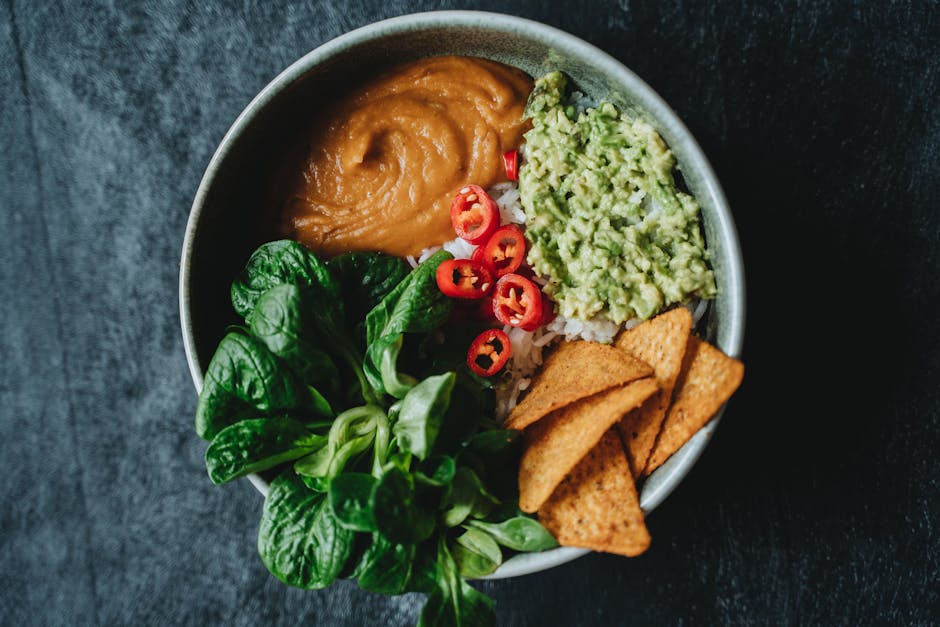
When I want to serve something that feels familiar and comforting, these are the dishes I fall back on. They’re hearty, packed with flavor, and universally loved. The key is to lean into the robust flavors of vegetables, spices, and smart plant-based swaps, rather than trying to replicate a perfect meat texture for every single bite.
The “Meat” Sauce That Fools Everyone
My go-to is a rich mushroom and lentil bolognese. It’s deeply savory and has a fantastic texture. I start by finely dicing a mix of cremini and shiitake mushrooms (about 1.5 lbs for a large batch), then sautéing them until they release their liquid and start to brown. This browning is essential for flavor. Then I add finely diced carrots, celery, and onion (the holy trinity!) and cook until soft. Next, I stir in a cup of green or brown lentils (pre-cooked or simmered until tender), a can of crushed tomatoes, some red wine, a bay leaf, and plenty of herbs like oregano and basil. I always add a tablespoon of miso paste and a dash of nutritional yeast for an umami punch. Simmer it for at least an hour, or even two, until it’s thick and rich. Serve it over pasta with a generous sprinkle of vegan parmesan – no one ever misses the meat.
Unbeatable Nachos and Tacos
Tacos and nachos are a non-vegan’s best friend. The array of toppings and flavors makes it easy to go vegan without feeling deprived. For the ‘meat,’ I either use spiced TVP (as described earlier, rehydrated in broth and browned) or a specific plant-based ground like Beyond Beef Crumbles, which are incredibly convenient. Sauté it with taco seasoning, a splash of water, and a squeeze of lime. For cheese, I use a high-quality vegan shred that melts well, like Follow Your Heart’s cheddar shreds, or a homemade cashew queso (soaked cashews, nutritional yeast, jalapeño, lime juice, spices blended smooth). Load up with fresh salsa, guacamole, black beans, corn, and pickled jalapeños. It’s a flavor explosion, and the ‘meat’ is just one component among many delicious ones. This strategy works because the familiar format and abundance of toppings make the vegan aspect almost an afterthought.
So, the next time your friends look wary about a vegan dinner, just smile. You’ve got this. My last dinner party, the one I dreaded, ended with my buddy Mark, a hardcore carnivore, asking for the recipe for the chili. He didn’t even realize it was vegan until I told him. That’s the real win.