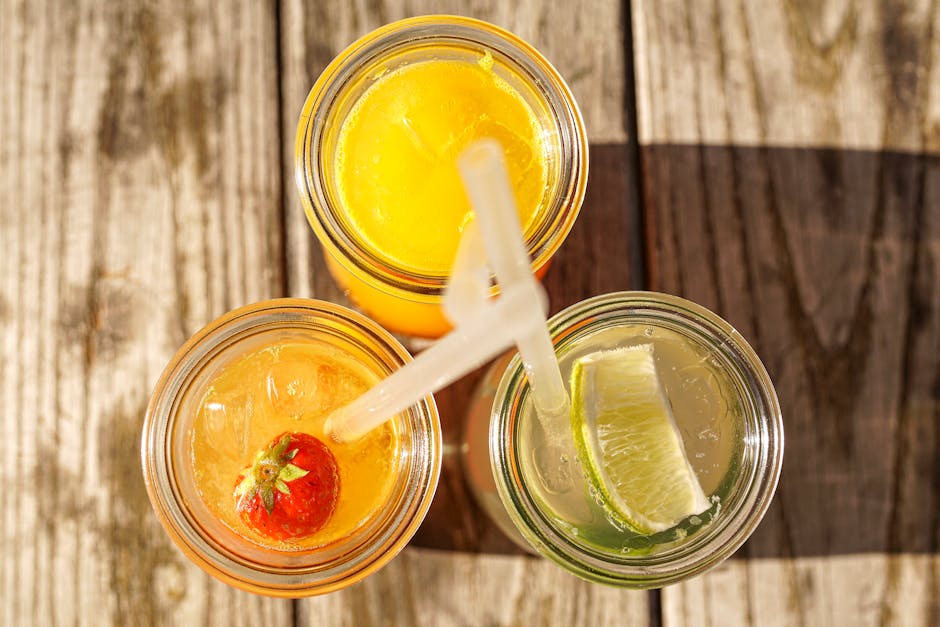
Healthy Drinkable Meal Prep Recipes for Sustainable Weight Loss

Weight loss is frequently framed as a simple matter of mathematical subtraction, a basic calculation of calories in versus calories out. However, anyone who has attempted to maintain a caloric deficit while managing a modern schedule knows that the biological reality is far more complex. The primary obstacle to successful weight reduction is rarely a lack of will; it is a lack of infrastructure. When blood sugar drops and the prefrontal cortex loses its grip on decision-making, we default to the path of least resistance. This is where the strategy of drinkable meal prep becomes a physiological safeguard. By shifting the focus from labor-intensive solid meals to nutrient-dense, pre-portioned liquid nutrition, we can bypass the decision fatigue that typically leads to dietary failure.
The Metabolic Science of Liquid Meal Prep and Satiety
There is a persistent debate in nutritional science regarding the efficacy of liquid calories versus solid food for weight management. Critics often point to the ‘satiety gap,’ the observation that liquids bypass the cephalic phase of digestion—the process of chewing that signals to the brain that food is being consumed. When we drink our meals, we risk missing these crucial fullness cues. However, a deep dive into the research suggests that the composition of the liquid matters far more than its state of matter. A study published in the American Journal of Clinical Nutrition indicates that high-protein, high-fiber liquid meals can elicit similar satiety responses to solid meals, provided the gastric emptying rate is slowed.
The Role of Viscosity and Fiber
To make a drinkable meal prep recipe effective for weight loss, one must engineer viscosity. Thin, watery juices cause a rapid spike in blood glucose, followed by an insulin surge that triggers hunger shortly after. By incorporating soluble fibers like psyllium husk, chia seeds, or flax meal, we create a gel-like consistency in the stomach. This slow-moving mass delays the transit of nutrients into the small intestine, leading to a more stable glycemic response. When prepping your weekly drinks, the addition of just 5-10 grams of fiber per serving can be the difference between a mid-morning energy crash and sustained focus until the next scheduled intake.
Managing the Insulin Response
Weight loss is, at its core, a hormonal negotiation. High levels of circulating insulin inhibit lipolysis—the breakdown of fat for energy. Drinkable meal prep allows for precise control over the macronutrient ratios that dictate this hormonal environment. By prioritizing fats and proteins over refined sugars in your prep, you keep insulin levels low enough to allow the body to access stored adipose tissue. This isn’t about total deprivation; it’s about strategic timing and composition. Preparing a week’s worth of low-glycemic green smoothies ensures that you aren’t reaching for a high-sugar ‘healthy’ bottled juice when you’re in a rush.
Liquid meal prep is not a liquid diet; it is a nutritional strategy designed to reduce the friction between your goals and your daily environment.
High-Protein Smoothie Formulas for Metabolic Support
The most effective drinkable meal prep recipes follow a specific architectural framework. If you simply throw fruit into a blender, you have made a dessert, not a meal replacement. To facilitate weight loss, every prepped drink must contain four pillars: a high-quality protein source, a healthy lipid, a fibrous green, and a micronutrient-dense fruit. This combination ensures that the ‘thermic effect of food’ (TEF) is maximized. Protein, in particular, requires more energy to digest than fats or carbohydrates, meaning you burn more calories simply by processing a high-protein shake than you would a high-carb alternative.
The Green Foundation Method
When prepping for the week, I recommend creating ‘smoothie packs’ that can be stored in the freezer. Start with a base of two cups of leafy greens—spinach or kale are the standard choices due to their high nitrate content, which can improve mitochondrial efficiency. Add half an avocado or a tablespoon of almond butter for healthy fats. These lipids are essential for the absorption of fat-soluble vitamins (A, D, E, and K) found in the greens. For the fruit component, stick to low-sugar berries like raspberries or blueberries, which provide antioxidants without the massive fructose load of bananas or mangoes.
Protein Powder Comparison and Selection
The choice of protein powder is critical for both the shelf-life and the efficacy of your prepped drinks. Not all powders are created equal, and many contain fillers that can cause bloating or digestive distress. Below is a comparison of the most common options used in weight loss meal prep.
| Protein Type | Bioavailability Score | Best For | Potential Drawback |
|---|---|---|---|
| Whey Isolate | 100+ | Post-workout recovery | May cause dairy sensitivity |
| Pea Protein | Low-Medium | Vegan/Plant-based prep | Often has a gritty texture |
| Casein | 70-80 | Overnight satiety | Very thick, can be unpalatable |
| Egg White Protein | 100 | Clean ingredient lists | Often quite expensive |
For a specific recommendation, the Garden of Life Raw Organic Protein (approx. $45 for 20 servings) is a standout for those focusing on weight loss. Pros: It includes live probiotics and enzymes which aid in digestion, and it is free from artificial sweeteners like sucralose that can disrupt the gut microbiome. Cons: The flavor is distinctly earthy, which may require more masking with spices like cinnamon or ginger.
Hydration Prep: Thermogenic Teas and Electrolyte Infusions
While meal replacement drinks handle the caloric heavy lifting, the ‘in-between’ prep is equally important for weight loss. Chronic dehydration is often mistaken for hunger. Preparing ‘metabolic waters’ and thermogenic teas in advance prevents the mindless snacking that often occurs in the afternoon. Thermogenesis is the process of heat production in organisms, and certain compounds can slightly increase the metabolic rate, providing a marginal but cumulative advantage in a weight loss journey.
Green Tea and EGCG Infusions
Green tea contains epigallocatechin gallate (EGCG), a catechin that has been shown in various clinical trials to enhance fat oxidation. However, the benefits are dose-dependent. To see results, one needs to consume significant amounts, which is difficult to do on the fly. Batch-prepping a concentrated green tea infusion—steeping 6-8 bags in a liter of water and then diluting it with cold water and lemon—allows you to have a thermogenic beverage ready throughout the day. The addition of lemon not only improves taste but also increases the stability of the catechins, making them more bioavailable.
The Apple Cider Vinegar (ACV) Strategy
Apple cider vinegar is often touted as a miracle cure, which it is not. However, it does have a documented effect on delayed gastric emptying and improved insulin sensitivity when consumed before a meal. A smart prep strategy is to create a ‘shrub’ or a diluted ACV drink. Mix 2 tablespoons of raw ACV with a liter of filtered water, a pinch of sea salt for electrolytes, and a dash of cayenne pepper. The cayenne contains capsaicin, another thermogenic compound. Prepping this in a glass bottle and consuming it 15 minutes before your largest meal of the day can help dampen the glucose spike of that meal.
Electrolyte Balance and Water Retention
Often, what we perceive as a weight loss plateau is actually water retention. When we transition to a healthier diet, our electrolyte balance shifts. Prepping your own electrolyte drinks—avoiding the sugar-laden commercial versions—is vital. A simple recipe involves water, fresh lime juice, a pinch of Himalayan pink salt, and a splash of unsweetened coconut water. This provides potassium, sodium, and magnesium without the unnecessary calories, helping to flush out excess sodium and reduce bloating.
Equipment Logistics and Nutrient Preservation
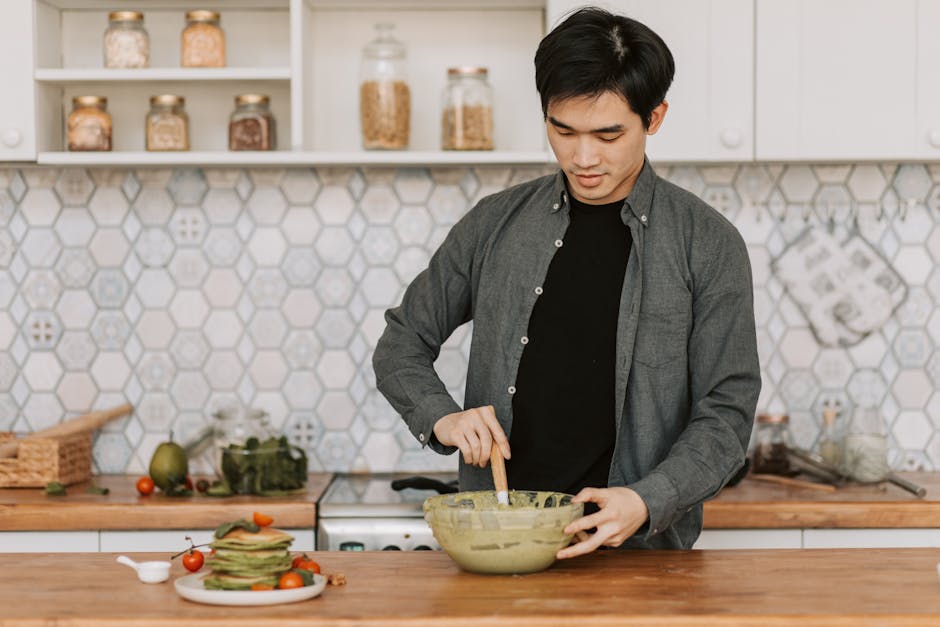
The success of drinkable meal prep hinges on the equipment used. If your blender cannot handle frozen ingredients or fibrous greens, the resulting texture will be unappealing, leading to a quick abandonment of the habit. Furthermore, how you store these drinks determines whether the nutrients remain intact by the time you consume them. Oxidation is the enemy of nutrition; once a fruit or vegetable is blended, its surface area increases exponentially, exposing it to oxygen that degrades vitamins.
High-Performance Blending
For serious meal prep, a standard kitchen blender often falls short. The Vitamix A3500 Ascent Series (approx. $600) is widely considered the gold standard for a reason. Pros: The motor is powerful enough to pulverize blackberry seeds and kale ribs into a perfectly smooth liquid, which is essential for the ‘engineered viscosity’ mentioned earlier. It also features a programmable timer that allows you to walk away while it handles the heavy lifting. Cons: The price point is a significant barrier to entry, and the unit is quite loud during operation.
Storage Solutions: Glass vs. Plastic
When storing prepped drinks for 3-5 days, the container material matters. Plastic containers, even those that are BPA-free, can leach endocrine-disrupting chemicals into the liquid, especially if the liquid is slightly acidic (like those containing lemon or ACV). Ball Wide Mouth Mason Jars (approx. $15 for a 12-pack) are the preferred choice for deep researchers. Pros: Glass is non-reactive, easy to sanitize, and the wide mouth allows for easy cleaning of thick smoothie residue. Cons: They are heavy and breakable, making them less ideal for a bumpy commute.
- Vacuum Sealing: If you plan to prep more than 3 days in advance, consider a vacuum sealing lid for your mason jars. Removing the air can extend the life of a green smoothie by an additional 48 hours by significantly slowing oxidation.
- Light Exposure: Riboflavin (Vitamin B2) and other nutrients are light-sensitive. Store your prepped drinks in the back of the refrigerator or use opaque sleeves to protect the contents from the fridge light.
- Freezing Tactics: For smoothies, prep the dry and solid ingredients in silicone bags (like Stasher bags). In the morning, simply dump the contents into the blender, add your liquid base, and blend. This ensures the freshest possible taste while still maintaining the ‘prep’ advantage.
Ultimately, the best meal prep recipe for weight loss is the one that you actually consume. By focusing on the drinkable format, you reduce the ‘activation energy’ required to eat healthily. You are not just preparing food; you are designing a system that accounts for your future lack of time and energy. The transition from solid meal prep to a liquid-based strategy requires an initial investment in understanding macronutrient density and storage logistics, but the payoff in consistency and metabolic health is substantial. Consistency is the only variable that truly moves the needle in weight management, and drinkable prep is the most efficient path to achieving it.