Vegan Mushroom Recipes That Actually Satisfy

Why do vegan mushroom recipes so often taste like compromise? You follow the instructions, the mushrooms come out pale and wet, and the dish feels like it is apologizing for not being meat. That is not a mushroom problem. It is almost always a technique problem.
Mushrooms are one of the few plant foods that genuinely deliver savory depth without animal products. But they require specific handling — heat, timing, seasoning — that most recipes gloss over or get wrong. Once you understand what is actually happening in the pan, these dishes become reliable and satisfying in their own right.
The Real Reason Your Mushroom Dishes Taste Flat
A raw mushroom is roughly 90% water by weight. That single fact determines everything about how you cook them. When that water evaporates quickly under high, direct heat, what remains behind concentrates: proteins, sugars, glutamates. You get deep browning, complex flavor, and real chew. When the water releases slowly in a lukewarm pan, it pools and the mushrooms effectively braise in their own liquid. The result is gray, soft, and flavorless.
Three mistakes cause this almost every single time.
The pan temperature problem
This is the main one. Use a carbon steel or cast iron pan and let it sit empty over medium-high heat for 90 seconds before adding anything. The surface should be hot enough that a water drop flicked in evaporates immediately — around 400°F (205°C). Avocado oil handles that temperature without smoking; olive oil does not. Add the mushrooms and do not touch them for at least two minutes. That contact time is how browning happens. Move them too early and you drop the pan temperature, stall evaporation, and have to start the clock again.
The crowding problem
For a 10-inch skillet, 250g of mushrooms is the maximum for a proper sear. More than that and you have dropped the pan temperature faster than the burner can recover, while also trapping steam. The mushrooms end up steaming each other. If you are cooking for four, cook in batches. Yes, it takes longer. The result is genuinely different — deeply browned edges versus pale and wet.
The salt timing problem
Salt draws moisture out of mushrooms by osmosis. Salt them before they hit the pan or immediately after and you have just created more liquid to evaporate before browning can happen. Add salt when you flip, at the halfway point. Add liquid seasonings like tamari or soy sauce in the last 30 seconds so they caramelize onto the surface rather than diluting into a pool of liquid.
Get all three of these right and mushrooms shrink to about 60% of their original volume, develop a proper crust, and taste savory in a way that needs no apology.
Which Mushroom to Use and When
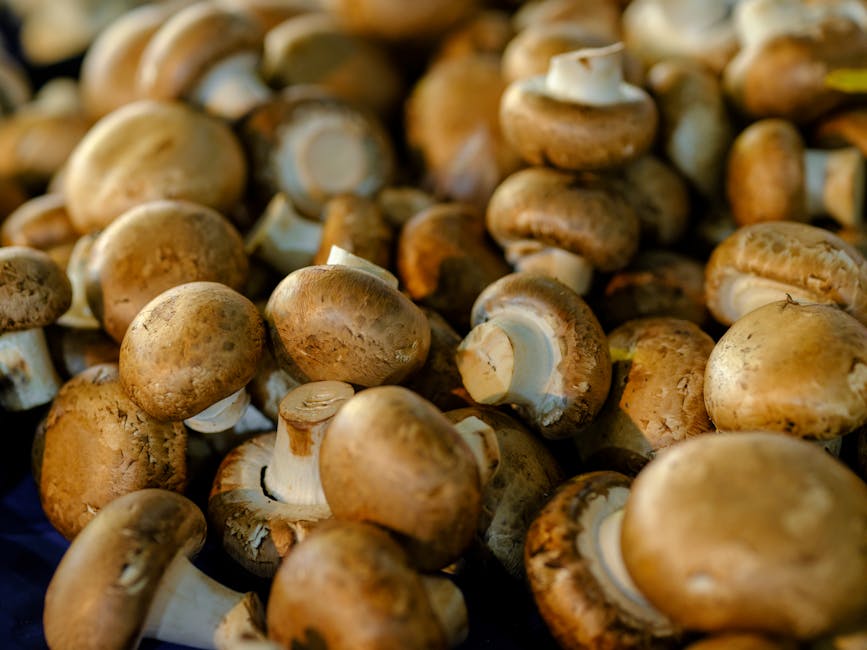
The variety matters more than most recipes acknowledge. Using cremini where a dish needs king oyster gives you completely the wrong texture and structure. Here is a direct comparison of the varieties worth knowing.
| Mushroom | Flavor Profile | Texture When Cooked | Best Application | Approx. Price (per 100g) |
|---|---|---|---|---|
| Portobello | Earthy, meaty | Dense, chewy | Steaks, burgers, stuffed caps | $0.80–$1.20 |
| Shiitake | Rich, smoky, deep umami | Silky with crispy edges | Stir-fries, pasta, ramen, soups | $1.50–$2.50 |
| King Oyster (Trumpet) | Mild, slightly sweet | Firm, holds shape well | Scallop mimics, pulled preparations | $2.00–$3.50 |
| Oyster | Delicate, slightly briny | Thin, crisps fast | Stir-fries, crispy toppings | $1.80–$2.80 |
| Lion’s Mane | Subtle, seafood-adjacent | Spongy, fibrous, absorbent | "Crab" cakes, seared cutlets | $4.00–$7.00 |
| Cremini / Baby Bella | Mild, slightly nutty | Soft, shrinks significantly | Sauces, soups, fillings | $0.60–$1.00 |
King oyster and lion’s mane are the workhorses for center-of-plate applications. Shiitake is the most versatile — it earns its spot in almost everything. Cremini is a solid background player but too mild and too soft to carry a main dish on its own.
Five Vegan Mushroom Recipes That Deliver
Each of these is built around what the specific mushroom actually does well — not what we wish it would approximate.
-
Portobello Steaks with Herb Oil
Score the top of each cap in a crosshatch pattern about 3mm deep. Press between two layers of paper towel with a heavy skillet on top for 10 minutes to draw out surface moisture. Sear in a screaming-hot cast iron for 4 to 5 minutes per side without moving. The crosshatch increases surface contact with the pan, accelerates browning, and lets the herb oil penetrate after cooking. For the herb oil: finely minced parsley, one garlic clove grated on a microplane, dried chili flakes, lemon zest, olive oil. Serve over white bean purée. Total time is 25 minutes.
-
Shiitake and Walnut Pasta
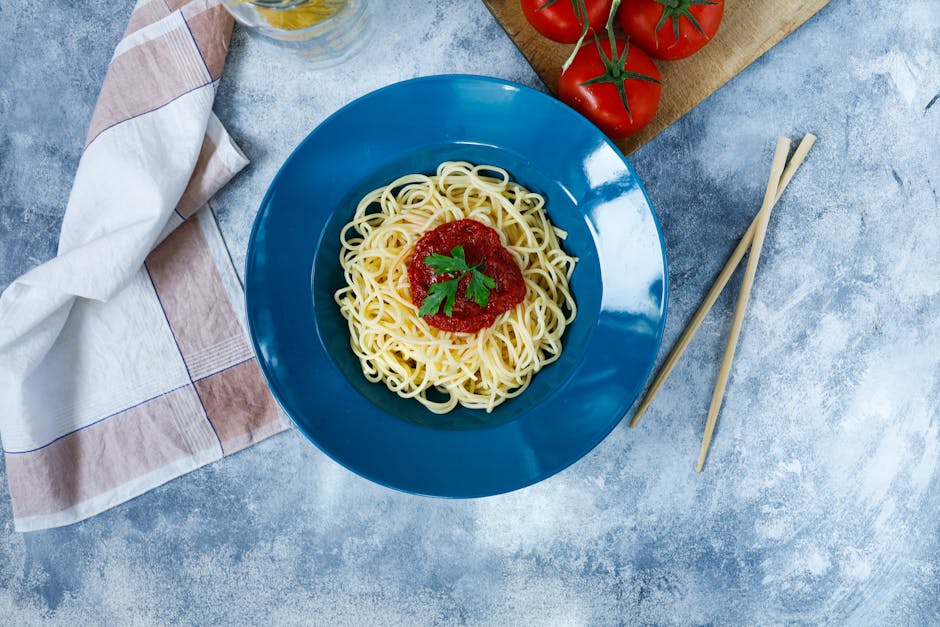
Sear 200g of sliced fresh shiitake in batches until deeply browned. In the same pan, toast a handful of walnut pieces until fragrant, then add two minced garlic cloves. Deglaze with 2 tablespoons of Kikkoman tamari — the gluten-free version is more complex than standard soy sauce — and a splash of pasta cooking water. Toss with De Cecco spaghetti and finish with a squeeze of lemon. The walnuts add fat and a slightly irregular texture that makes the dish feel substantial. No cream, no dairy. It does not need them.
-
King Oyster Scallops
Slice the thick stems of king oyster mushrooms into 1.5-inch rounds. Score both flat faces in a crosshatch pattern. Sear in a thin layer of avocado oil over high heat for 3 minutes per side without moving or pressing down. The scored surface caramelizes into something that looks convincingly like a seared scallop. Deglaze the pan with dry white wine, add a tablespoon of capers, and finish with Miyoko’s Cultured Vegan Butter swirled in off the heat. The texture is firmer than a real scallop — it earns its place entirely on its own terms. Do not eat these comparing them to shellfish. Eat them as what they are.
-
Lion’s Mane "Crab" Cakes
Break 300g of lion’s mane into rough chunks by hand — tear it, do not cut it. Sear in a dry pan until golden on all sides, then let cool completely. Mix with Old Bay seasoning (1.5 teaspoons), Dijon mustard (1 tablespoon), a flax egg (1 tablespoon ground flaxseed mixed with 3 tablespoons water, rested 5 minutes), finely diced celery, and enough breadcrumbs to bind. Form into patties and shallow-fry in 2cm of neutral oil until deeply golden. The fibrous, spongy texture of lion’s mane is the closest thing in the plant world to crab meat. Serve with vegan mayo thinned with lemon and fresh chives.
-
Mushroom Larb
This Thai preparation works with a mix of finely chopped cremini and oyster mushrooms. Dry-toast in a hot pan without oil until most moisture is gone and the edges start to color. Dress while warm with fresh lime juice, Bragg Liquid Aminos, sliced shallots, fresh mint, and cilantro. The essential element is toasted rice powder — raw jasmine rice dry-toasted in a pan until golden, then ground coarse in a spice grinder. It adds a nutty, slightly gritty texture the dish genuinely depends on. Serve at room temperature over sticky rice or in butter lettuce cups.
Building Umami Without Animal Products
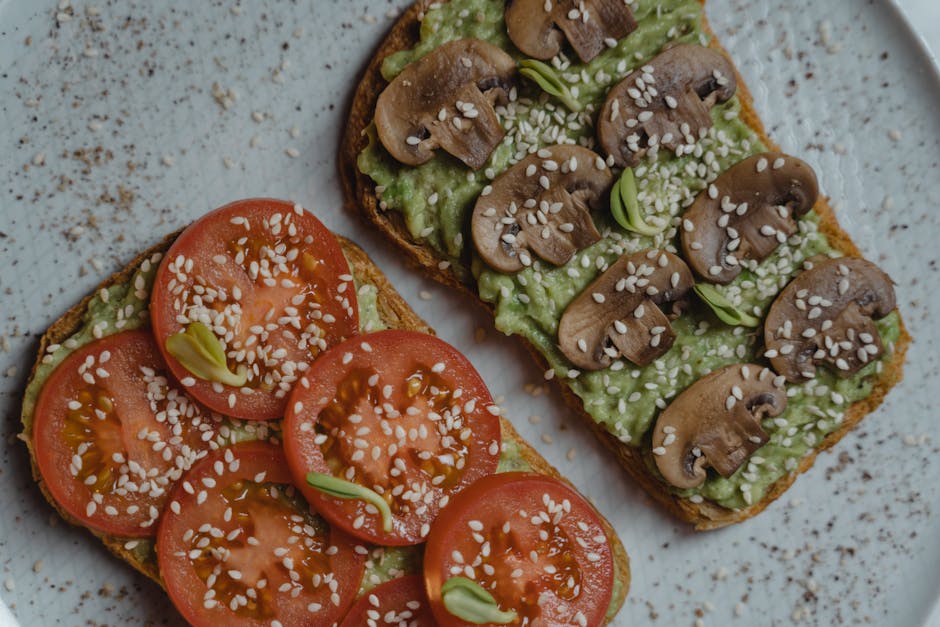
Mushrooms contain natural glutamates — the same compounds responsible for savory depth in aged parmesan, anchovies, and slow-cooked meat. The difference is concentration. Animal products that have been aged, cured, or cooked for hours have far higher glutamate levels than a raw mushroom. The fix is layering multiple umami sources in a single dish rather than expecting mushrooms to do everything alone.
- Kikkoman tamari or soy sauce — add in the last 30 seconds of cooking so it caramelizes onto the surface rather than pooling as liquid.
- White miso paste — one tablespoon whisked into a sauce or dressing adds depth without announcing itself as miso. Any Japanese brand works; Hikari and Maruman are widely available.
- Bob’s Red Mill nutritional yeast — two tablespoons stirred into a sauce adds a cheesy, savory note. If you are eating fully plant-based, the B12 content is a useful bonus.
- Tomato paste — one tablespoon caramelized directly in the pan before adding mushrooms shifts the baseline flavor significantly.
- Dried shiitake soaking liquid — do not discard this. It is essentially free mushroom stock. Use it as a cooking liquid for grains, a sauce base, or reduce it into a concentrated glaze.
Stack two or three of these in a single dish and you approach a complexity that meat-based cooking usually requires bones or long braises to achieve. The rule of thumb: if the dish tastes like something is missing, it needs either acid or umami. Rarely both simultaneously, but it depends on the dish.
Where Mushrooms Genuinely Fall Short
Be honest about the limits.
Can mushrooms replace ground meat in every recipe?
No. In dishes where ground meat provides both flavor and structural bulk — dense burger patties, tightly packed meatballs — mushrooms alone collapse and release too much moisture. The more reliable approach is a blend: finely chopped cremini mixed 50/50 with cooked beluga lentils or cooked quinoa. That combination delivers the savory mushroom flavor alongside enough structure to hold a patty together properly.
What about long-cooked dishes like stews and braises?
Mushrooms break down past 40 minutes of braising. Add them in the last 20 minutes of a slow stew, not at the start. If you need something to carry the dish through a two-hour cook, jackfruit or whole portobello caps hold up better structurally — though neither is identical to braised meat, and pretending otherwise sets unrealistic expectations.
Is lion’s mane worth the premium price?
For specific applications — the crab cakes above, a thick seared cutlet where texture is the centerpiece — lion’s mane at $5 to $7 per 100g is justified. For a pasta sauce or curry where it will be cut small and surrounded by other flavors, use shiitake at a third of the cost. You will lose almost nothing.
The Single Mistake That Tanks Vegan Mushroom Dishes
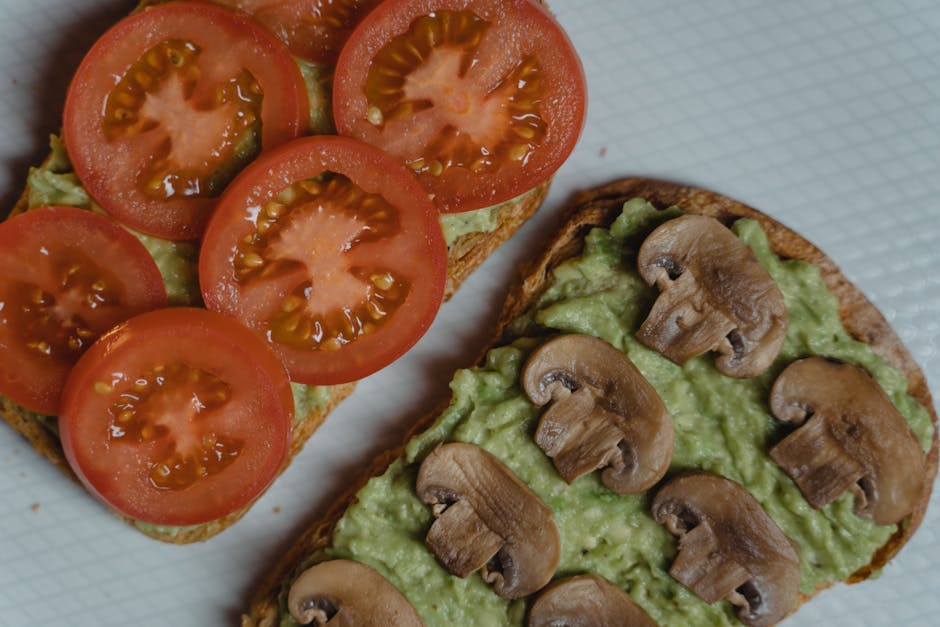
Under-seasoning. That is it.
Mushrooms are mildly flavored before browning does its work. After a proper sear, they are savory — but they still need salt, acid, and fat working together to taste finished. Most people season mushrooms like a vegetable side dish when they should be seasoning them like a protein. A portobello steak needs as much salt as a chicken breast. A shiitake pasta needs the same seasoning attention as a meat Bolognese.
The fix is consistent: taste the finished dish, then add a pinch of flaky salt, a squeeze of lemon, and a small drizzle of good olive oil right before serving. That finishing step closes more gaps than any single ingredient swap.
Making This Work on a Regular Weeknight
Back to the original problem: you cooked mushrooms and the dish tasted like an apology.
The fix is not a different recipe. It is committing to the technique — hot pan, dry mushrooms, batches, aggressive seasoning, layered umami. None of that is complicated. It just requires understanding what is happening in the pan and working with it rather than against it.
Pick one of the five recipes that matches what you have available. Apply the technique. Taste and adjust before serving. The result will not taste like something is absent. It will taste like exactly what it is — which is the entire point.