Blog

  • Butterbeer Recipe

    Butterbeer Recipe

    As huge Harry Potter fans, we wanted to create the perfect homemade butterbeer recipe that tastes similar to the one served at The Wizarding World of Harry Potter at Universal Studios. This recipe is sweet and sparkling with a butter flavor and the most delicious caramel foam on top.

    Prepare to be transported to Hogsmeade with this magical recipe! If you are planning a Harry Potter movie marathon or a Harry Potter birthday party- you have to try this recipe.

    What is Butterbeer?

    In the Harry Potter books, Butterbeer is a delicious beverage the wizard children enjoy when visiting Hogsmeade. In the books, Butterbeer is described as having a very slight alcoholic content. Of course, in the parks and in pretty much all homemade recipes it’s made alcohol-free.

    Butterbeer was also a real drink in England called “Buttered Beer” in the 1500s. It was made from beer, sugar, eggs, nutmeg, and cloves.

    For the purposes of this recipe, we are making a version of Butterbeer that is very close to what is served in the parks.

    Ingredients in Harry Potter Butterbeer Recipe

    • Cream Soda – Good old-fashioned cream soda is the base for this sparkling beverage.
    • Caramel Syrup – Adds a little caramel flavor (optional if you want to taste the butter flavor more).
    • Butter Extract – This gives your recipe that nice butterscotch flavor.
    • Half and Half – You can also use heavy whipping cream if you have that on hand.
    • Caramel Sauce – For your delicious cold foam topping.
    • Gold Sprinkles – An optional garnish that adds a nice touch!

    How to Make Butterbeer (without topping)

    Begin by making the base of your drink (without the topping). Combine cream soda with butter extract and caramel syrup.

    For the caramel syrup, I used a clear syrup instead of a sauce. But if you would like to shorten your grocery list, you can use the caramel sauce for both.

    Directions for Butterbeer Foam Topping

    In my opinion, the most delicious and important part of this recipe is the topping! In a separate glass, combine half and half and caramel sauce.

    Next, use a milk frother to froth your cream until the consistency is somewhere between cream and whipped cream. When it becomes a little thicker and more foamy, you will know it’s the perfect consistency for your beverage.

    Next, pour the topping onto your chilled drink. It is best served in a beer mug. These plastic beer mugs are a little smaller and great for children.

    Tips for Making

    • If you are in a rush, you can use premade whipped cream with a little caramel syrup on top. That is the best way to reduce prep time (although the homemade topping is worth the effort).
    • Another fun option is to serve the base drink with scoops of vanilla ice cream to make it a butterbeer float.
    • This is not a good recipe to make ahead of time since it needs to be assembled right before serving and making the base ahead could result in flat soda. We recommend serving immediately. Luckily, it’s a pretty quick and easy recipe to batch for a group.
    • If you are having a Harry Potter movie night, try serving Butterbeer along with popcorn, and Harry Potter candies from the movies. Don’t forget your Hogwarts House pajamas.
    • If you have having an adult party and want to add alcohol, I suggest adding vanilla vodka, spiced rum or butterscotch schnapps to this recipe (2-3 ounces total per drink).
  • Creative Garnishes That Elevate Your Drink Experience and Flavor

    Creative Garnishes That Elevate Your Drink Experience and Flavor

    If you’re ready to take your drinks from ordinary to unforgettable, garnishes that elevate your drink experience are where it all begins. A well-chosen garnish doesn’t just sit pretty—it sparks your senses, adding aroma, flavor, and that wow factor to every sip. Whether you’re crafting classic cocktails or vibrant mocktails, knowing how to go beyond the usual citrus wedge or cherry can transform your home bartending game. In this post, you’ll discover fresh, creative ideas and simple techniques to make every drink look and taste exceptional. Let’s dive into the world of garnishes that truly make a difference!

    Why Garnishes Matter: Elevating Appearance, Aroma, and Flavor

    Garnishes do way more than just prettify your drink—they transform the whole experience. When you add the right cocktail garnishes, you’re engaging multiple senses: sight, smell, and taste. This multisensory magic makes every sip more enjoyable and memorable.

    The Role of Garnishes in Multisensory Enjoyment

    • Visual appeal: Bright citrus twists, vibrant berries, or fragrant herb sprigs make drinks pop and invite you in.
    • Aroma boost: Fresh herbs, spiced rims, or flamed peels release essential oils that awaken your nose before the first sip.
    • Flavor enhancement: Garnishes can complement or contrast the base ingredients, adding layers of complexity or a refreshing twist.
    Garnish Effect Example Sensory Impact
    Aroma Expressed citrus peel Enhances smell
    Complement flavor Mint in a mojito Adds freshness
    Contrast flavor Salt rim on a margarita Balances sweetness/sour

    Benefits for Home Bartending and Entertaining

    • Impress guests: Stylish garnishes elevate your drinks to luxury cocktail presentation levels.
    • Personalize drinks: Tailor garnishes to match the cocktail’s flavor profile or the season.
    • Boost confidence: Knowing simple garnish tricks helps you mix like a pro without fancy equipment.
    • Encourage creativity: Experimenting with different edible flower garnishes or herb cocktail garnish combos keeps bartending fun.

    You’ll find that thoughtful garnishing turns ordinary drinks into something special. It’s an easy, effective way to step up your home bar game and entertain with flair.

    Essential Tools and Preparation Tips

    Having the right tools makes crafting creative drink garnishes a smooth and enjoyable process. Start with basics like a channel knife or a sharp peeler for clean citrus twists, plus skewers and cocktail picks for securing fruit or berries. These simple tools help you achieve professional-looking presentations without fuss.

    Fresh ingredients are key—always pick vibrant citrus, herbs, and fruits. When using delicate items like edible flowers, make sure they’re safe for consumption and haven’t been treated with pesticides. This ensures both safety and a fresh aroma.

    Mastering simple techniques can take your garnishes up a notch:

    • Expressing oils from twists: Gently squeeze a citrus peel over the drink to release fragrant oils.
    • Bruising herbs: Lightly slap herbs like mint or rosemary to unleash their aroma.
    • Dehydrating fruits: Dry slices of orange, lemon, or apple for lasting garnishes that add texture and depth.

    Using these tools and tips not only boosts your garnish game but also enhances the overall sensory experience of your drinks. For a flavorful touch on classic cocktails, you might enjoy experimenting with techniques featured in this herbal rosemary gimlet recipe, a great example of fresh herb garnishes in action.

    Classic Garnishes Every Home Bar Needs

    Having a set of classic garnishes is essential for any home bar looking to impress. Citrus twists, wheels, and wedges—think lemon, lime, and orange—are the go-to staples. They not only add a fresh pop of color but also enhance the drink’s aroma and flavor with their oils and juices. For spirit-forward cocktails like martinis or an old fashioned, olives, cocktail cherries, and onions bring that perfect salty, sweet, or tangy touch that rounds out the flavor profile beautifully.

    Don’t forget about rims—sprinkling salt, sugar, or a spiced mix along the glass edge can totally transform a drink. Whether it’s a margarita with a salted rim or a sweeter cocktail featuring sugar, these touches elevate the luxury cocktail presentation and make a simple drink feel special. For ideas on classic cocktails that benefit from these garnishes, take a look at the guide on a classic martini shaken or stirred to see how garnish plays a key role.

    Creative Fruit and Berry Garnishes

    Adding creative fruit and berry garnishes is a simple way to brighten up any drink and add a fresh burst of flavor. Skewered fresh fruits like strawberries, blueberries, or kiwi make vibrant, eye-catching additions that invite you to nibble while you sip. Dehydrated or candied fruit slices offer a sweet, chewy twist and hold up well on cocktails served over time, adding both texture and visual appeal.

    Frozen fruit inside ice cubes is another clever idea—it chills your drink without diluting it and slowly releases flavor as the ice melts. For something a little different, try pineapple flags perched on the rim, sugared cranberries clustered on a pick, or even grape hearts for a delicate, romantic touch.

    These options not only enhance your drink’s look but elevate the taste and overall experience. For inspiration on using fresh berries creatively, check out this delicious berry-infused vodka smash, which shows how to combine simple garnishes with bold flavors.

    Herb and Spice Garnishes for Aromatic Depth

    Herb cocktail garnishes bring fresh, vibrant aromas that lift your drink’s profile. Common favorites include mint sprigs, rosemary, basil, and thyme. These herbs not only add color but release essential oils when gently bruised or slapped before garnishing, enhancing the scent and flavor with every sip.

    Spiced garnishes like cinnamon sticks, star anise, and chili peppers add warmth and a hint of intrigue. For example, a cinnamon stick slowly infuses a bourbon cocktail, while star anise adds subtle licorice notes that complement darker spirits. Chili peppers offer a spicy kick when paired thoughtfully, especially in tequila or mezcal drinks.

    To maximize aromatic impact:

    • Bruise fresh herbs lightly to release oils without crushing them.
    • Express oils from citrus peels by twisting or gently flaming the skin over the drink for a smoky burst.
    • Use whole spices to float or skewer, letting their fragrance slowly mingle with the drink.

    For a twist on traditional herb garnishes, check out creative ideas like the fresh basil-enhanced Citrus Basil Smash for Evenings, which masterfully combines herbaceous notes with bright citrus flavors.

    Herb and spice garnishes are a simple way to deepen the sensory experience, turning an ordinary drink into a luxurious moment.

    Edible Flowers and Botanical Touches

    Edible flower garnishes like pansies, violets, lavender, and hibiscus add a delicate, natural beauty that elevates any drink. They bring subtle floral notes that enhance both aroma and flavor, making your cocktail not just a drink but an experience. For placement, try floating flowers gently on the surface of the cocktail or attaching them carefully to the glass rim for a standout presentation.

    These botanical touches work especially well with gin-based or light cocktails, where their aromas complement the herbal and citrus elements. For example, a sprig of lavender or a floating violet can beautifully enhance a refreshing gin and tonic or a floral honey cocktail. Incorporating edible flower garnishes is a simple way to transform your drinks into something visually stunning and uniquely aromatic.

    For inspiration on pairing botanicals in cocktails, check out creative recipes like the lavender honey Bees Knees cocktail to see these ideas in action.

    Unique and Trendy Garnishes

    To truly stand out, try adding briny or pickled elements like gherkins and pickled onions. They bring a bold, savory twist that works especially well in spirit-forward cocktails. Smoked accents and flamed peels add drama and a smoky aroma, perfect for elevating your drink’s visual appeal and flavor complexity.

    Infused ice cubes with herbs or edible flowers not only keep drinks cool but also release subtle aromatics as they melt, creating a layered tasting experience. Don’t forget rim variations—think chocolate for dessert cocktails, colorful sprinkles for festive occasions, or Tajín for a spicy, tangy kick on margaritas and micheladas.

    These creative drink garnishes turn ordinary cocktails into a luxury cocktail presentation that guests remember long after the last sip. For more ideas on enhancing your home bar, check out this step-by-step guide to home bartending essentials.

    Garnish Ideas for Specific Drink Types

    Choosing the right garnish can truly transform your drink experience, tailored to the style of cocktail or mocktail you’re serving. Here are some quick ideas for specific drink types:

    Spirit-forward cocktails like martinis and old fashioneds benefit from simple yet elegant garnishes:

    • Classic olive or lemon twist for martinis
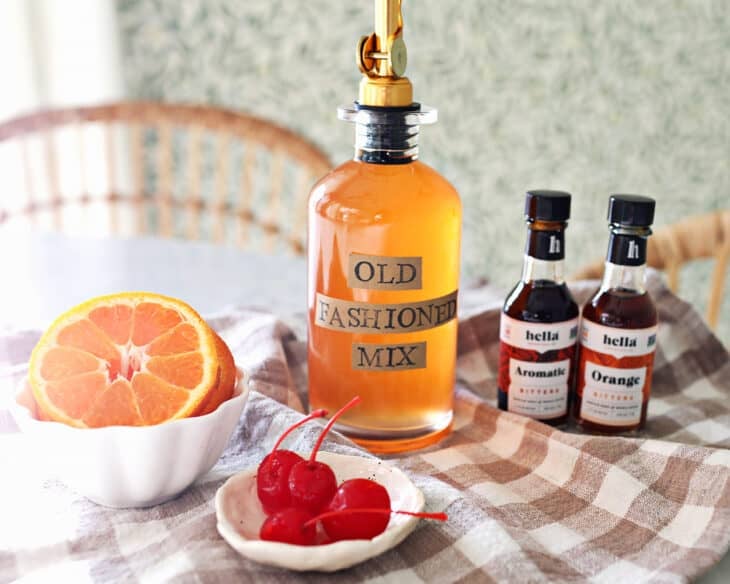
    • Luxurious flamed orange peel or a cherry for an old fashioned (try homemade old fashioned mix recipes for a richer base)
      These garnishes add aroma and enhance flavor without overpowering the spirit.

    Refreshing sours and highballs call for bright, zesty touches:

    • Citrus wheels or wedges (lemon, lime, orange) to complement the tartness
    • Fresh herb sprigs like mint or thyme to add aroma
    • Salted or spiced rims can add a fun twist, intensifying each sip. Try combining these with a sweet and sour mix to balance flavors perfectly.

    For tropical and tiki drinks, go bold and colorful:

    • Skewered fresh fruits like pineapple flags, cherries, and berries
    • Dehydrated or candied fruit slices for a creative touch
    • Edible flowers or a cinnamon stick can lift the drink presentation and add subtle depth.

    Non-alcoholic mocktails and seasonal options deserve just as much attention:

    • Use infused ice cubes with herbs or berries for subtle flavor boosts
    • Seasonal garnishes like sugared cranberries in winter or frosted rosemary sprigs for holidays add festive flair
    • Natural touches like star anise or a twist of citrus brighten the glass without adding alcohol, keeping the experience rich and engaging.

    Whether shaking up a spirit-forward Manhattan or a fruity summer mocktail, matching your garnish creatively will elevate every sip.

    With these tailored garnish ideas, you’re set to impress guests and enjoy your drinks to the fullest.

    Seasonal and Themed Garnish Inspirations

    Seasonal garnishes add a fresh, timely touch that can really bring your drinks to life. For the holidays, try frosted rosemary sprigs or cranberry skewers to add festive color and aroma. These garnishes not only look great but also enhance the warmth and spice of winter cocktails. During summer, go for vibrant citrus twists, bright fruit slices, or edible flowers to brighten refreshingly light drinks.

    Balancing seasonal flavors and visuals helps create an immersive experience—think cooling mint and lime in summer highballs, or warm cinnamon sticks and star anise during colder months. These simple seasonal touches turn everyday cocktails into memorable luxury cocktail presentations and keep your home bar inspired all year round. For more creative ideas, check out how citrus twists improve cocktails, like those in a classic tequila sunrise.

    Common Mistakes to Avoid and Pro Tips

    When it comes to cocktail garnishes, less is often more. Overloading your glass with too many garnishes can overwhelm the drink’s flavor and spoil its elegant presentation. Stick to garnishes that either complement or contrast the main ingredients, avoiding clutter that distracts from the overall experience.

    Freshness is key. Using wilted herbs, dried-out citrus, or stale fruit drastically reduces the enjoyment of your drink. Always choose fresh and vibrant garnishes, and ensure they’re the right size—too large or too small can throw off the balance both visually and taste-wise.

    Sustainability is another important factor. Instead of tossing peels and scraps, try incorporating them creatively—zest citrus for twists, dehydrate fruit skins for unique garnishes, or infuse leftover peels into syrups. These small steps not only reduce waste but also add a personal, eco-friendly touch to your home bar.

    For more expert garnish tips, try pairing aromatic herb sprigs or explore creative drink garnishes like infused ice cubes and flamed orange peels, which bring both aroma and visual appeal. You might also enjoy experimenting with fresh herbs or spices found in recipes such as a refreshing cucumber gin cool for a perfect balance of flavor and style.

  • Easy Chicharrón Recipe

    Easy Chicharrón Recipe

    If you love crispy bacon or pork rinds, I highly recommend you try this chicharrón recipe! Chicharrones are an appetizer or snack made of crispy pork belly. Much like thick cut bacon, you can fry these on the stove top or bake in the oven. I think the oven method is much easier and results in this crunchy, salty and flavor-packed dish! You can enjoy chicharrones all on their own with a little fresh lime juice, or use in other recipes like chopped up over pasta, salad, rice dishes or even in ramen.

    Chicharrón means “crackling” in Spanish. This is a popular dish in Spain and Latin America. To make homemade chicharrones, you only need three ingredients and an oven, so this popular finger food can easily be made by any home cook!

    Ingredients

    • Pork belly
    • Baking soda
    • Limes
    • Seasoning – salt and pepper or a mix like Pappy’s Seasoning, which you see in my photo below

    Pork belly is also sometimes called or labeled “side meat” and you could also use pork skin.

    The lime juice and baking soda help with better browning of the meat because it creates an alkaline environment. Science!

    How to make Chicharrones

    Cut the pork belly into roughly 1/2-inch (1.3 cm) strips. Try to keep them relatively uniform, but it’s OK if they aren’t all exactly the same thickness. Then cut notches along the bottom, the opposite of the skin/fat side.

    Season the pork belly pieces with salt and pepper or whatever seasoning you are using on both sides.

    How to make Chicharrones

    Cut the pork belly into roughly 1/2-inch (1.3 cm) strips. Try to keep them relatively uniform, but it’s OK if they aren’t all exactly the same thickness. Then cut notches along the bottom, the opposite of the skin/fat side.

    Season the pork belly pieces with salt and pepper or whatever seasoning you are using on both sides.

    Whisk or stir together the baking soda and lime juice in a small bowl. This will bubble and fizz (a normal chemical reaction). Brush the mixture on each of the pieces, front and back.

    Place on a baking sheet or pan lined with aluminum foil, making sure the baking sheet has a lip or raised edge as quite a bit of fat/grease will cook off during the baking (oven frying). These are essentially going to fry in the oven. Bake at 300°F (149°C) for 90 minutes, flipping halfway through the baking time. I use tongs to flip these easily.

    Move to a cooling rack to let any excess grease drip off. Serve warm with fresh lime wedges.

    Tips and Notes

    • Alternatively to the notches/chain style of cutting, you could cut into strips and then score the skin on top. The goal here is to give the heat and hot oil spaces to move around as these cook, creating lots of crispy edges.
    • If you feel the chicharrón is not crispy enough by the end of baking, broil for 1-2 minutes on each side as needed.
    • Store any leftovers in an airtight container in the refrigerator for up to 2 days. I feel chicharrones are best the day they are made, but we will use the leftovers much like you would leftover bacon: chopped up in salads, soups or other dishes. I’m not above chopping it up to put in our dog’s food too—no need to waste any leftovers. 🙂
  • Exploring Citrus Flavors Driving Innovation in Beverage Trends

    Exploring Citrus Flavors Driving Innovation in Beverage Trends

    The Enduring Appeal of Citrus: Consumer Drivers and Market Dominance

    Why does citrus continue to dominate the beverage market? The answer lies in its refreshing, zesty profile and universal familiarity. From fizzy sodas to functional hydration drinks, citrus flavors in beverages offer a bright, invigorating taste that appeals to a wide audience. Consumers immediately recognize and trust this flavor—whether it’s a classic orange or sharp lemon.

    Beyond taste, citrus carries a strong health halo. Rich in vitamin C, antioxidants, and support for immunity, citrus-based drinks resonate with today’s wellness-focused consumers. This perception makes citrus a natural fit for clean-label and natural formulations, aligning perfectly with growing demand for transparency and simpler ingredients.

    Moreover, bold, vibrant citrus flavors meet the adventurous thirst of modern consumers. Many seek fresh, exciting experiences, and citrus delivers with bright acidity and complex aromatics. This makes it a top choice for beverage brands aiming to stand out and meet evolving consumer tastes.

    Key drivers behind citrus’s market dominance include:

    • Refreshing, familiar taste that works across ages and cultures
    • Health benefits like antioxidants, immune support, and vitamin C boost
    • Clean-label compatibility, supporting natural and transparent ingredient lists
    • Bold flavor appeal that satisfies adventurous consumers craving vibrant profiles

    In short, the enduring appeal of citrus in beverages is no accident—it’s a perfect blend of taste, health perception, and trend alignment that keeps it leading innovation and market growth worldwide.

    Traditional vs. Emerging Citrus Varieties Fueling New Product Development

    Citrus flavors in beverages have long relied on core classics like orange, lemon, lime, and grapefruit. These familiar varieties offer a trusted base with broad appeal, delivering the zesty, refreshing notes consumers expect. However, the rise of exotic and regional varieties such as yuzu, calamansi, finger lime, blood orange, Meyer lemon, and pomelo is shaking up the market. These unique citrus types add layers of novelty and complexity that brands are eager to explore.

    For example, yuzu’s tart, floral profile taps into growing interest in Asian-inspired flavors, while blood orange brings a sweeter, slightly berry-like twist that resonates with Mediterranean tastes. These emerging citrus choices inspire beverage creators to experiment with bold, culturally rich flavor blends that stand out on crowded shelves. Successful launches combining these unique citrus profiles often result in standout products across categories—from sparkling waters to RTD cocktails.

    If you’re curious how such flavors come to life in cocktails, check out innovative recipes like the Citrus Basil Smash which showcase the bright interplay between citrus and botanicals. Keeping an eye on these exotic citrus trends gives beverage brands a clear path for innovation and differentiation in a competitive market.

    Citrus in Key Beverage Categories: Application Opportunities

    Citrus flavors in beverages shine across multiple categories, offering refreshing, zesty notes and functional benefits that meet diverse consumer needs. Here’s a quick look at where citrus plays a key role:

    Beverage Category Citrus Applications Key Highlights
    Non-alcoholic Drinks Sparkling waters, sodas, sports & energy drinks Crisp, natural zing boosting hydration and refreshment
    Alcoholic & Low/No-Alcohol RTD cocktails, hard seltzers, flavored beers, spirits Vibrant citrus profiles elevate cocktails and ready-to-drink (RTD) options – see creative examples like French 75 cocktails for inspiration
    Functional Beverages Immunity boosters, gut health tonics, energy, stress relief with adaptogens and botanicals Citrus pairs well with natural ingredients, enhancing vitamin C and antioxidant claims
    Hybrid & Emerging Formats Mocktails, wellness tonics, infused teas Growing demand for sophisticated, non-alcoholic options featuring exotic citrus blends

    Using citrus in these varied formats taps into clean-label trends and the consumer drive for both flavor and health benefits. Whether in energizing sports drinks or calming wellness tonics, citrus remains a versatile, must-have ingredient.

    Innovation Challenges and Solutions in Citrus Formulation

    Citrus beverage innovation faces several hurdles, starting with supply volatility. Issues like citrus greening disease, unpredictable weather, and fluctuating costs disrupt consistent sourcing of natural citrus flavors. To manage this, brands are turning to alternative sourcing strategies, including importing exotic citrus varieties or using blends that lessen dependency on a single fruit.

    Stability is another key challenge. Formulating with fresh citrus can introduce off-notes and fluctuate in taste, especially in functional citrus drinks with added botanicals or adaptogens. To ensure taste consistency, manufacturers use flavor extenders and AI-powered prediction tools to fine-tune formulations, balancing vibrant citrus profiles with masking agents that smooth out bitterness or acidity.

    Clean-label demands push for natural preservation techniques over synthetic additives. Innovations like high-pressure processing (HPP), ultrasound, and pulsed electric fields (PEF) help retain citrus nutrients and freshness without compromising a product’s natural appeal. These approaches support the growing market for clean label citrus beverages that appeal to health-conscious consumers.

    By combining smart sourcing, cutting-edge tech, and mindful formulation, the beverage industry can overcome these challenges and confidently keep citrus flavors front and center.

    Sustainability and Circular Economy in Citrus Beverage Development

    Sustainability is becoming a top priority in citrus beverage innovation. Brands are now focusing on valorizing citrus by-products like peels and pulp, turning what was once waste into valuable bioactive ingredients and biomaterials. These components are rich in antioxidants and natural oils, offering both functional benefits and eco-friendly appeal.

    Innovative processing methods such as High-Pressure Processing (HPP), Pulsed Electric Fields (PEF), and ultrasound help retain nutrients and extend shelf life while minimizing waste. These technologies align with consumer demand for clean label citrus beverages that maintain quality without synthetic additives.

    Ethical sourcing and traceability are critical too. Brands committed to sustainable citrus sourcing ensure fair labor practices and transparent supply chains, strengthening consumer trust. Incorporating these eco-friendly practices not only reduces environmental impact but also supports the growing market for natural and responsibly made citrus drinks.

    For practical DIY ideas on creating fresh citrus mixes that support natural flavors, check out this detailed sweet and sour mix recipe, which highlights clean ingredients and fresh citrus notes perfect for beverage experimentation.

    Future Outlook: What’s Next for Citrus in Beverage Innovation

    Looking ahead, citrus flavors in beverages are set to evolve through exciting fusion trends. We’ll see more blends of citrus with spices (think cinnamon, clove, or even hints of pepper), botanicals like lavender or rosemary, and tropical fruits to create layered, swicy flavor profiles. These combinations cater to adventurous consumers eager for bold, refreshing drinks that stand out on the shelf.

    Personalization is becoming a big deal too. Consumers want premium experiences tailored to their tastes and lifestyles—think customizable citrus mocktails or wellness tonics infused with adaptogens and exotic citrus like yuzu or calamansi. This trend opens doors for brands to deepen engagement and command higher price points.

    Market growth for functional citrus drinks remains strong, driven by rising demand in regions influenced by Asian and Mediterranean citrus varieties. Emerging citrus flavors like blood orange and Meyer lemon have proven crowd-pleasers, inspiring new launches across non-alcoholic and low/no-alcohol categories. Keeping an eye on supply chains and sustainable sourcing practices will be crucial for brands looking to innovate responsibly.

    To stay ahead, brands should:

    • Embrace fusion with spices, botanicals, and tropical fruits
    • Incorporate personalization options to enhance consumer connection
    • Leverage exotic citrus varieties for novelty and cultural relevance
    • Focus on sustainable sourcing and clean-label solutions to meet consumer expectations

    For inspiration on combining citrus with spirited flavors, check out creative recipes like the spicy jalapeno margarita variation which blends citrus zest with spice for a bold kick. Staying nimble and tuned into these trends will keep citrus beverages fresh and enticing in the global market.

  • Non-Alcoholic Alternatives to Traditional Cocktails Recipes and Tips

    Non-Alcoholic Alternatives to Traditional Cocktails Recipes and Tips

    Why Choose Non-Alcoholic Cocktail Alternatives?

    Choosing non-alcoholic cocktail alternatives is more popular than ever. Whether you’re sober curious or simply want a refreshing change, these drinks offer plenty of benefits.

    Health Benefits

    • Lower calories mean guilt-free enjoyment.
    • Better hydration thanks to lighter mixers and fresh ingredients.
    • No hangovers – wake up refreshed with none of the usual side effects.

    Social Inclusivity

    Non-alcoholic options create a welcoming vibe:

    • Everyone at parties or events can find a satisfying drink.
    • Great for designated drivers, pregnant guests, or anyone avoiding alcohol.
    • Helps break the “cocktail or nothing” mindset, making nightlife and gatherings more inclusive.

    Trends in 2026

    The future looks bright for zero-proof cocktails:
    | Trend | Details |
    | Growth of NA spirits | Botanical blends mimicking gin, rum, tequila, and whiskey |
    | Rise of functional drinks | Ingredients like adaptogens and natural extracts for wellness |
    | Craftsmanship focus | Complex flavors with bitters, herbs, and spices |

    Ready-to-drink alcohol-free spirits and functional mocktails are booming, reflecting the global shift toward mindful drinking and healthier lifestyles.

    Why not join the movement? Enjoy the same depth and excitement as traditional cocktails—with none of the alcohol!

    Essential Ingredients and Substitutes for Mocktails

    When crafting non-alcoholic alternatives to traditional cocktails, starting with the right ingredients is key. Non-alcoholic spirits have come a long way, offering gin, rum, tequila, and whiskey alternatives made from botanical blends that mimic the complexity of their alcoholic counterparts without the buzz. These NA gin alternatives and other zero-proof spirits give your mocktails a familiar depth and aroma.

    Key mixers play a big role too—think tonic water, soda, ginger beer, fresh juices, and flavored syrups. These add layers of flavor and refreshment while keeping the drink lively. For example, ginger beer is a must-have in an alcohol-free Moscow Mule or a spicy Virgin Bloody Mary. You can find creative mixers to suit any taste, from herbal tonics to sparkling fruit sodas.

    To build complexity, incorporate bitters, fresh herbs like mint or basil, spices such as cinnamon or star anise, and even adaptogens for a functional twist. These elements help replicate the intricate balance that makes cocktails memorable. Bitters especially bring that essential bitter note, enhancing flavor without alcohol.

    For quick 1:1 substitutions in classic cocktail recipes:

    • Replace gin or rum with botanical NA spirits.
    • Swap tequila with citrus-forward non-alcoholic mixes.
    • Use tonic or soda water instead of sparkling wine.
    • Fresh juices (lime, lemon, pineapple) and syrups substitute for sweetness and acidity.

    Experimenting with these ingredients will help you nail the perfect mocktail every time, whether you’re making a Virgin Margarita or a Non-Alcoholic Mojito. For more inspiration on mixers, you might find the guide on refreshing ginger beer variations useful to craft exciting drink bases.

    Classic Cocktail Alternatives: Step-by-Step Recipes

    If you’re looking to enjoy classic flavors without alcohol, these zero-proof cocktail recipes are perfect. They use non-alcoholic spirits, fresh juices, and smart substitutes to capture the essence of your favorite drinks.

    • Virgin Margarita

      Swap tequila for a botanical NA spirit or leave it out entirely. Mix fresh lime juice, agave syrup, and a salted rim to get that tangy, refreshing taste.

    • Non-Alcoholic Mojito

      Use a rum alternative or just fresh mint, lime, sugar, and soda water. The mint and lime keep it crisp and lively without the alcohol punch.

    • Mocktail Negroni or Aperol Spritz

      Replace the bitter aperitifs with a non-alcoholic aperitif blend. Mix it with tonic or soda water for a bubbly, bittersweet experience. For a similar twist, try a fizzy Aperol Spritz alternative that’s light and refreshing.

    • Zero-Proof Piña Colada

      Use non-alcoholic rum alternatives combined with pineapple juice and creamy coconut milk or cream for that tropical vibe, minus the booze.

    • Alcohol-Free Moscow Mule

      Combine zesty ginger beer, fresh lime juice, and an NA ginger spirit substitute to keep the spicy kick alive in this classic.

    • Virgin Bloody Mary

      Mix tomato juice with Worcestershire sauce, lemon, hot sauce, and spices. This savory, bold mocktail delivers the same depth without spirits—perfect for brunch. Check out a detailed recipe for a homemade Bloody Mary to master this one.

    • Non-Alcoholic Gin & Tonic

      Pair a botanical NA gin with tonic water and garnish with cucumber or citrus slices. This combination balances bitterness and citrus freshness beautifully.

    • Mocktail Old Fashioned

      Use an NA whiskey alternative with aromatic bitters and a twist of orange peel. It’s smooth, slightly sweet, and an ideal zero-alcohol take on the original.

    Additional Variations

    Try an Espresso Martini mocktail for a caffeine fix without booze, or a Virgin Paloma and Daiquiri using fresh fruit juices and NA spirits to keep things interesting.

    These classic alternatives make zero-proof cocktails just as enjoyable and complex as their alcoholic counterparts. Whether you’re sober curious or hosting Dry January drinks, these recipes offer great options with all the flavor and none of the alcohol.

    Premade and Bottled Non-Alcoholic Options

    For those who want convenience without sacrificing taste, premade and bottled non-alcoholic options are a game changer. Ready-to-drink canned mocktails and NA spirits let you enjoy zero-proof cocktails anytime, anywhere—no mixing needed.

    Best Ready-to-Drink Mocktails

    Here are some popular types you’ll find on shelves:

    Type Description Perfect For
    Botanical NA Gin Mix Herbal, citrus notes Non-alcoholic gin & tonic
    NA Rum Alternatives Spiced, rich flavors Virgin piña colada, mojitos
    Functional Elixirs Infused with adaptogens & botanicals Boost hydration and wellness
    Classic Mocktails Virgin margarita, mojito, spritz Quick party options

    These canned and bottled options suit people tapping into sober curious drinks or Dry January mocktails effortlessly.

    Recommended NA Spirits and Elixirs

    Look for brands focusing on botanical blends and natural ingredients to keep your drinks fresh and flavorful. Many functional mocktails now include adaptogens or antioxidants, supporting wellness alongside taste.

    Trying premade options alongside homemade recipes or cocktail experiments (like with this refreshing lemon drop shot) makes zero-proof cocktails easy and exciting.

    Premade NA drinks are perfect for busy days, travel, or when you need reliable, consistent mocktail ingredients without the fuss.

    Tips for Crafting Perfect Mocktails at Home

    Creating standout non-alcoholic cocktails at home is all about balance and presentation. Here are simple tips to nail your mocktail game every time:

    Balancing Flavors

    • Sweet: Use natural sweeteners like agave, honey, or homemade syrups. Fresh fruit juices also add natural sweetness.
    • Sour: Citrus juices like lemon, lime, or grapefruit brighten the drink and add zing.
    • Bitter: Bitters or botanical non-alcoholic spirits add depth. A splash of tonic or an herbal garnish can introduce subtle bitterness.
    • Umami: For savory mocktails like a Virgin Bloody Mary, spices, Worcestershire sauce, or a dash of soy sauce can add complex umami notes.

    Presentation Tips

    • Glassware: Match your mocktail to the classic cocktail glass style—highball for mojitos, coupe for zero-proof martinis—for added flair.
    • Garnishes: Fresh herbs (mint, basil), citrus twists, edible flowers, or a salt rim can visually elevate your drink.
    • Ice: Use clear ice cubes or crushed ice depending on the recipe. Ice shape can affect dilution and texture.

    Batch Recipes for Parties

    • Mix large quantities ahead of time using simple syrups and fresh juices to keep ingredients fresh.
    • Store pre-made mocktail bases in the fridge and add soda or sparkling water just before serving.
    • Have garnishes and glassware ready to streamline service.

    Pairing with Food or Occasions

    • Light and fresh mocktails like a Non-Alcoholic Mojito or Virgin Margarita pair well with spicy or Mexican dishes.
    • Richer, creamy options like a Virgin Piña Colada suit tropical or dessert-like menus.
    • For formal occasions, elegant zero-proof cocktails such as a Mocktail Old Fashioned complement smoky or roasted flavors.

    Experiment lightly with each element, and you’ll have a perfect, satisfying non-alcoholic concoction that impresses every time. Whether it’s a casual night or a big event, these tips make crafting homemade non-alcoholic drinks both fun and foolproof.

    For more creative recipes and ingredient tips, you might enjoy exploring our guide on crafting delicate meringue cookies to add a sweet touch to your gatherings.

    FAQs About Non-Alcoholic Alternatives to Traditional Cocktails

    What are the best non-alcoholic spirits for cocktails?

    Some of the top non-alcoholic spirits include botanical gin alternatives, rum substitutes made from sugarcane or spices, and whiskey-inspired blends with oak and vanilla notes. Brands specializing in alcohol-free spirits focus on replicating classic cocktail flavors while keeping the drinks zero-proof. Look for options labeled as NA gin alternatives or botanical non-alcoholic spirits to get the closest experience.

    Can mocktails taste like real cocktails?

    Absolutely. With the right mocktail ingredients—like quality NA spirits, fresh juices, bitters, and herbal infusions—you can create zero-proof cocktails that satisfy the palate just like traditional drinks. Bitters and herbs add complexity, making it easy for sober curious drinkers to enjoy true-to-form flavors without alcohol.

    Are non-alcoholic alternatives healthier?

    Generally, yes. Non-alcoholic cocktails often have fewer calories, help with better hydration, and, of course, come without hangovers. However, some premade options might contain added sugars, so choosing drinks with natural ingredients or functional mocktails with adaptogens can boost health benefits even more.

    How to make batch mocktails for a crowd?

    Batching is simple—scale up your favorite recipes using large pitchers or dispensers. Keep flavor balance in check by mixing sweet, sour, bitter, and herbal notes evenly. Use plenty of ice and fresh garnishes to maintain freshness. Planning ahead with ingredients like NA spirits and fresh juices saves time while impressing guests.

    Where to buy NA ingredients?

    You can find non-alcoholic spirits and mixers at well-stocked liquor stores, specialty shops, and online retailers. Many brands now offer convenient packaged options for dry January mocktails or sober events. For fresh juices, syrups, and bitters, check health food stores or local markets. Experimenting with homemade non-alcoholic drinks also lets you customize flavors using easy-to-find ingredients.

    For more ideas on crafting balanced cocktails, including classic recipes like the Manhattan drink, exploring zero-proof alternatives is a great start.

  • Chocolate Baked Donuts

    Chocolate Baked Donuts

    I love chocolate. Maybe you can relate? Sometimes, I find myself in the mood to bake something rich and chocolatey, but I don’t necessarily want an entire cake sitting around at my house (a dangerous situation for someone who is home as much as me, ha).

    These chocolate baked donuts are the perfect treat. They are ultra rich but not necessarily overly sweet.

    The baked donuts are a spongey, moist cake and then they get topped with a chocolate glaze (and sprinkles if you’re fun). But, the recipe below only yields six baked donuts—a standard pan size. But, if you want to make a dozen, just double the recipe.

    I used “special dark” cocoa for the donuts photographed here, so they look especially dark. But any baking cocoa will do well for these chocolate baked donuts.

    Make sure to lightly butter or spray your pan before filling.

    You could absolutely top these chocolate baked donuts with a different glaze or even nothing at all, and they are still a fun treat. Happy baking!

  • Winter Warmers Hot Cocktail Ideas Cozy Recipes for Cold Nights

    Winter Warmers Hot Cocktail Ideas Cozy Recipes for Cold Nights

    Why Hot Cocktails Are Perfect for Winter

    When the temperature drops, nothing beats the cozy comfort of a warm drink in your hands. Hot cocktails are tailor-made for winter, wrapping you in seasonal flavors like cinnamon, cloves, nutmeg, fresh citrus, ginger, and apple. These rich, warm spices aren’t just tasty—they evoke that classic winter vibe, making every sip feel like a mini celebration.

    Beyond their inviting taste, hot cocktails serve as a healthier indulgence for chilly evenings. Ingredients like honey and lemon soothe your throat and calm the mind, while moderate alcohol content can add a gentle warmth that helps you unwind without overdoing it. Just remember, moderation is key to keep things both relaxing and enjoyable.

    The beauty of hot cocktails is their incredible versatility. Whether you’re savoring a quiet moment alone, hosting a festive party, or kicking back après-ski with friends, these warm whiskey cocktails, mulled wines, and spiced rum warmers adapt effortlessly to any mood or occasion. It’s all about embracing that cozy winter spirit, one delicious sip at a time.

    Essential Ingredients and Tools for Hot Cocktails

    To craft the perfect hot cocktail, start with pantry staples like whiskey, rum, brandy, or gin—the backbone of many warm whiskey cocktails and spiced rum warmers. Honey and lemon add natural sweetness and zest, while classic spices such as cinnamon, cloves, nutmeg, and ginger bring those cozy winter spiced cocktail flavors to life.

    Fresh ingredients elevate your drinks too. Citrus slices, apples, and cranberries not only boost flavor but make beautiful garnishes, especially in mulled wine and cranberry mulled wine recipes.

    For tools, you’ll want sturdy mugs that hold heat well, a saucepan or slow cooker to gently warm your batch without boiling off the alcohol, and strainers to keep the spices and fruit bits out. Don’t forget garnishes like cinnamon sticks, orange wheels, or whipped cream for that final festive touch.

    If you’re interested in perfecting rich, buttery blends, the detailed techniques on making hot buttered rum can really step up your winter warmers. For a slow cooker approach that makes batch-making simple, the slow cooker method guidance is a great resource to check out.

    Classic Hot Cocktail Recipes

    When it comes to winter warmers, some classic hot cocktails never go out of style. The Hot Toddy is a timeless choice, built on a whiskey base that’s easy to tweak. You can stick with the traditional lemon-honey mix or add fresh ginger for a spicy kick—both perfect for cozying up on chilly nights.

    Another staple is Mulled Wine, which combines red wine with warming mulled wine spices like cloves, cinnamon, and orange peel. Making it in batches is ideal for parties or slow evenings by the fire—just keep it warm, not boiling, to preserve the flavors.

    For coffee lovers, Irish Coffee is hard to beat. The blend of whiskey, freshly brewed coffee, and a layer of lightly whipped cream on top is both comforting and sophisticated. The secret here is perfect layering to get the distinct taste and texture in every sip.

    Finally, Hot Buttered Rum offers a richer option. A spiced butter batter mixed with dark rum creates a decadent drink that’s as indulgent as it is warming. If you enjoy a buttery, spiced rum warmer, this is your go-to.

    For a smooth finish to your hot cocktail experience, consider pairing with a homemade honey butter spread, which pairs wonderfully with drinks like hot buttered rum. You can find an easy recipe for it here.

    Creative Twists on Winter Warmers

    If you’re after something a bit different, spiked hot chocolate is a fantastic option. Add peppermint for a festive touch, bourbon for warmth, or Mexican spices like cayenne and cinnamon to give your cozy drink a spicy kick. Another crowd-pleaser is mulled cider—warm apple cider infused with brandy or rum and star anise makes a deliciously fragrant winter spiced cocktail.

    For tea lovers, chai whiskey or tea-based toddies offer a soothing, spiced tea infusion with a whiskey punch that’s perfect for chilly nights. If you prefer something lighter, try a hot gin punch or herbal variations using botanical gins combined with fresh citrus and herbs. These bring a refreshing twist on traditional winter warmers, balancing warmth and zesty flavors.

    For a rich, creamy spin on classic drinks like hot chocolate, you might also enjoy a white hot chocolate recipe that pairs beautifully with winter spices.

    Festive and Themed Hot Cocktails

    When the holiday season rolls around, festive hot cocktails bring extra cheer and warmth. A cranberry mulled wine is a vibrant twist on classic mulled wine spices, adding tartness and a splash of holiday color. For something with a cozy, spiced kick, try a gingerbread hot toddy—combining warming whiskey with molasses, ginger, and cinnamon for that nostalgic holiday feel.

    For serving bigger groups, boozy hot apple cider is a crowd-pleaser. Spiked with rum or brandy and infused with star anise and cloves, it’s easy to make in batches and perfect for parties or après-ski gatherings.

    Dessert lovers will enjoy the rich, festive notes of a peppermint mocha cocktail—a creamy, spiked hot chocolate enlivened with mint and coffee flavors. This feels like a warm holiday treat, ideal after dinner or during relaxed winter evenings.

    For more warm whiskey cocktails, especially classics with a seasonal touch, check out recipes like the traditional Old Fashioned cocktail, which can also be tailored with winter spices for a cozy spin.

    Tips for Making and Serving Hot Cocktails

    When making winter warmers, how you heat your drink matters. Use a stovetop or a slow cooker to gently warm your cocktail—avoid boiling, as high heat can burn off the alcohol and dull the flavors. Slow cookers are especially handy for mulled wine or batch preparation, keeping drinks hot and ready for parties without constant attention.

    Presentation makes a big difference. Garnish hot cocktails with cinnamon sticks, orange wheels, or a dollop of whipped cream to enhance aroma and visual appeal. These touches elevate cozy winter spiced cocktails and invite guests to savor every sip.

    Planning for a crowd? Batch prep your favorites like boozy hot apple cider or mulled wine in large quantities. This approach saves time and ensures no one waits long for their drink.

    Don’t forget inclusive options—offer non-alcoholic adaptations of classics like hot toddy or mulled cider. Simple swaps like herbal teas or spiced apple juice keep everyone warm and involved in the fun.

    For those interested in layering flavors and perfecting classic recipes, exploring the Irish coffee classic technique can add an elegant touch to your winter warmers.

    Pairing Suggestions for Winter Warmers

    Hot cocktails like mulled wine, hot toddy recipes, and spiked hot chocolate pair beautifully with cozy winter foods. Think cheese boards with sharp cheddar or creamy brie, roasted nuts for a crunchy contrast, classic gingerbread cookies, and hearty stews that warm you from the inside out. These flavor combos highlight the spices and warmth in your drinks perfectly.

    For occasions, these winter spiced cocktails are ideal for fireside relaxation, holiday parties, or New Year’s toasting. Serving boozy hot drinks alongside comforting snacks creates the ultimate cozy atmosphere for you and your guests.

    If you’re planning a holiday party, consider prep ideas that let you focus on your guests—batch mulled wine or boozy hot apple cider are great for crowds. For a relaxing night in, a warm whiskey cocktail with a small platter of savory and sweet bites hits just right.

    For more festive snack ideas to pair with your cocktails, check out this soft homemade tortillas step-by-step guide that can add a fresh, warming touch to your winter menu.

  • The History of Shaken and Stirred Drinks Explained

    The History of Shaken and Stirred Drinks Explained

    Early Origins of Mixed Drinks

    Long before the sleek cocktail shaker made its debut, the art of mixing drinks was already bubbling away in ancient civilizations. Imagine Egyptians blending wine with aromatic herbs, or Romans stirring honey and spices into their mulled wines. These early concoctions laid the groundwork for what we now call cocktail shaking history. Across medieval Europe, simple techniques like stirring or pouring back and forth created basic punches and flips—early ancestors of today’s mixed drinks.

    Back then, bartenders didn’t have fancy tools. Instead, they relied on straightforward methods that balanced flavors and temperatures. Stirring was the go-to if you wanted a smooth, gentle dilution, while rudimentary shaking or vigorous pouring helped mix fruit juices and stronger spirits in a pinch. These methods proved surprisingly effective, even if the term “mixology techniques” wasn’t around.

    So, next time you sip a classic stirred or shaken cocktail, remember—you’re enjoying centuries of tradition, from wine-and-herb blends to the humble punch bowls of the pre-19th century. Not bad for some good old-fashioned liquid creativity, right?

    The Birth of the Cocktail and Invention of the Shaker

    The idea of the cocktail really took off in early 1800s America, as bartenders began mixing spirits with bitters, sugar, and water to create refreshing, balanced drinks. This era marked the true birth of the cocktail as a distinct concept, moving beyond simple punches and flips.

    Around the mid-19th century, the cocktail shaker was invented, evolving from whatever containers were at hand—like silver cups or jars—to specially designed, patented shakers. These new tools made it easier and faster to mix drinks, chill them thoroughly, and blend ingredients smoothly.

    As cocktail culture grew, bartenders started shaking drinks not only for better temperature and dilution but also for entertainment. Shaking became a performance, adding flair to bustling bars and making it the go-to technique for many mixed drinks. This rise of shaking firmly shaped how cocktails were made and enjoyed going forward.

    The Science Behind Shaking vs. Stirring

    Understanding why to shake or stir a cocktail comes down to how each method affects the drink’s temperature, dilution, and texture. Shaking chills the drink rapidly by breaking up ice more aggressively, which also increases dilution. This faster melting ice lightens the texture and aerates the mix, making it perfect for cocktails containing citrus juices, dairy, or other opaque ingredients that benefit from integration and slight frothiness.

    On the other hand, stirring is a gentler process. It cools the drink steadily with controlled dilution, preserving a smooth, silky mouthfeel. This method is ideal for clear, spirit-forward drinks where clarity and elegance are key, such as a classic Manhattan or Martini.

    The key rule bartenders follow is simple: Shake cocktails with opaque mixers like citrus juice or cream, and stir those made from only clear spirits. This ensures the flavor and texture of your drink end up just right, striking the perfect balance between chill and taste. For example, exploring stirred cocktails examples like the Manhattan drink reveals why gentle stirring is preferred to maintain its refined character.

    Historical Evolution and Key Milestones

    From the 19th to the early 20th century, shaking drinks became popular mainly with fruit-based concoctions. Bartenders found shaking ideal for integrating citrus and sweeteners, giving cocktails like the Daiquiri and Whiskey Sour their bright, refreshing character. Meanwhile, stirring remained the go-to method for spirit-forward classics such as the Manhattan, where clarity and smooth texture were key to appreciating the vermouth and whiskey blend — you can explore the classic Manhattan recipe with perfect balance for an example of stirring mastery.

    During the Prohibition era, when quality spirits were scarce, bartenders used shaking and mixing techniques to mask harsh flavors. This led to a rise in vermouth and other modifiers, expanding mixology styles and pushing bartenders to experiment more with texture and dilution. The challenge of working with inferior ingredients arguably accelerated the evolution of cocktail shaking history, encouraging creativity and innovation behind the bar.

    After Prohibition ended, the golden age of cocktails blossomed. Shaking transformed into a theatrical flair in bars and films, boosting the popularity of showy cocktail preparation. This period cemented shaking as both a practical technique—offering faster chilling and better blending—and a form of entertainment. The fusion of efficiency and showmanship in shaking elevated the culture of bartending, shaping how modern mixology values the balance between flair and flavor in drinks.

    Throughout these milestones, shaking vs stirred cocktails developed clear boundaries tied to ingredients and desired mouthfeel, driving both methods to remain relevant in today’s cocktail scene.

    Famous Cocktails and Their Preferred Methods

    When it comes to shaken vs stirred cocktails, each method brings out distinct qualities in a drink. Shaken classics like the Margarita, Daiquiri, and Whiskey Sour benefit from aeration and rapid chilling. Shaking helps integrate citrus juices or egg whites, creating a refreshing, frothy texture that enhances the overall experience. These drinks rely on that lightness and bright flavor balance, making shaking the go-to technique.

    On the other hand, stirred cocktails such as the Martini, Negroni, and Old Fashioned focus on preserving clarity and elegance. Stirring cools the drink gently and dilutes it in a controlled way, which keeps the texture silky and the spirit-forward flavors front and center. For a closer look at the stirred craft, check out this homemade approach to an Old Fashioned mix, which highlights the art of careful stirring.

    Some drinks don’t fit neatly into shaken or stirred categories. Hybrids or exceptions like cocktails with carbonation (e.g., a whiskey fizz) or egg whites need specific handling—usually a gentle shake or a “dry shake” without ice first, then with ice—to achieve the right balance of texture and flavor without losing fizz or creating unwanted cloudiness.

    Knowing which method suits each cocktail is key in mastering classic cocktail methods and getting the perfect balance every time.

    The James Bond Effect: “Shaken, Not Stirred”

    The phrase “shaken, not stirred” became iconic thanks to the James Bond novels by Ian Fleming, where the secret agent’s preference for martinis sparked a worldwide fascination. In the films, this phrase grew even more popular, turning Bond’s cocktail choice into a symbol of style and sophistication.

    Bond’s preference challenged traditional mixology techniques, stirring debate among cocktail enthusiasts. Shaking a martini causes more rapid chilling and greater dilution, resulting in a colder, lighter drink with a slightly aerated texture. In contrast, the classic stirred martini focuses on clarity, silky mouthfeel, and preserving the spirit-forward character without excess dilution. This difference touches on core cocktail science: shaken drinks balance fresh juices and creamier elements better, while stirred drinks highlight smoothness and purity.

    Despite the controversy, Bond’s “shaken” martini has left a lasting impact on modern mixology, inspiring bartenders to experiment more boldly with shaking versus stirring. His preference also helped elevate cocktail culture into mainstream pop culture, making the debate over shaking and stirring a fun part of enjoying drinks.

    For those curious to try a twist on shaken cocktails inspired by this cultural staple, recipes like the refreshing Berry-Infused Vodka Smash offer creative ways to explore shaking technique beyond the classic martini.

    Modern Mixology and Best Practices

    Modern mixology is all about experimentation and mastering the balance between tradition and innovation. Bartenders today use large ice cubes for stirring to chill drinks slowly without over-diluting, preserving the spirit-forward nature of classics like the Martini or Negroni. On the other hand, hard shaking is used to create texture and aeration, especially in drinks with citrus or dairy that benefit from a frothy, refreshing finish.

    For home bartenders looking to up their game, focus on:

    • Using the right tools: A quality cocktail shaker, bar spoon, and jigger make precise mixing easier.
    • Timing: Shake or stir for 15-20 seconds for a well-chilled, properly diluted cocktail.
    • Knowing when to break the rules: While the classic guide says “shake with opaque mixers, stir with clear spirits,” feel free to experiment based on preference and the drink’s ingredients.

    Health and flavor both hinge on dilution — water from melted ice balances the alcohol’s strength and softens harsh flavors without making the drink watery. Understanding this cocktail dilution science can transform your drinks from overpowering to perfectly balanced.

    If you’re curious about seasonal warmth or cozy flavors, try a well-crafted cocktail like the Winter Spiced Hot Toddy that showcases how mixology evolves for different tastes and settings.

  • Sparkling Wine Cocktails for Celebrations Easy Festive Recipes

    Sparkling Wine Cocktails for Celebrations Easy Festive Recipes

    If you’re looking to make your next celebration truly sparkle, sparkling wine-based cocktails are your go-to secret weapon. Whether it’s Champagne, Prosecco, Cava, or budget-friendly bubbly alternatives, these effervescent drinks add instant elegance and joy to any occasion—from New Year’s Eve to weddings and holiday parties. In this post, you’ll discover simple, crowd-pleasing recipes and pro tips that turn everyday bubbles into festive showstoppers. Ready to toast with style and ease? Let’s pop the cork and dive in!

    Choosing the Right Sparkling Wine for Cocktails

    When it comes to sparkling wine-based cocktails, selecting the right bubbly sets the tone for your celebration. Understanding the differences between Champagne, Prosecco, Cava, and rosé sparkling wines helps you create drinks that are both delicious and perfectly suited to your occasion.

    Overview of Champagne, Prosecco, Cava, and Rosé

    • Champagne: Known for its crisp, complex flavors and fine bubbles, Champagne is ideal for classic Champagne cocktails and elegant French 75 recipes.
    • Prosecco: Light, fruity, and often a bit sweeter than Champagne, Prosecco is the go-to for popular Prosecco drinks like Mimosas and Bellinis.
    • Cava: Spain’s answer to sparkling wine, Cava offers a great balance of dryness and rich flavor, making it a festive base for bubbly cocktails without the high price tag of Champagne.
    • Rosé Sparkling Wine: Rosé adds beautiful color and fruity notes, elevating vibes with cocktails like Rosé French 75 or seasonal sparkling punches.

    Tips for Selecting Dry vs. Sweet Styles

    • Dry (Brut) Wines: Perfect for cocktails that include sweeter liqueurs or fruit juices, dry sparkling wines maintain a crisp balance without overpowering other flavors.
    • Sweet (Demi-Sec) Wines: Choose sweeter styles for lighter-drinking cocktails or when you want a softer, fruit-forward fizz.

    Chilling and Budget Picks

    • Always chill sparkling wine to around 45°F (7°C) before mixing—it brings out the bubbles and refreshes the palate.
    • Budget-friendly options can shine in your cocktails. Prosecco and Cava brands offer fantastic value, letting you craft bubbly cocktails like Kir Royale or Aperol Spritz without breaking the bank.

    With the right sparkling wine in hand, you’re ready to mix up festive sparkling wine cocktails that impress every guest.

    Essential Tools and Tips for Perfect Sparkling Cocktails

    To craft sparkling wine-based cocktails that impress, having the right tools is key. Here’s what you’ll want on hand:

    • Flute or tulip glasses: These help preserve the bubbles and showcase the drink’s color.
    • Bar spoon and muddler: Perfect for mixing ingredients gently without losing fizz.
    • Jigger: Measures spirits accurately for balanced cocktails.
    • Cocktail shaker: Ideal for certain recipes where ingredients need to be combined before topping with bubbly.
    • Bottle stopper or sparkling wine saver: Keeps the fizz fresh if you’re batching drinks or saving leftover bottles.
    • Garnishes: Fresh citrus twists, berries, edible flowers, mint, and even herbs enhance both aroma and presentation.

    Pro Tips to Preserve Fizz and Batch Drinks

    • Always chill your sparkling wine and glasses well—it helps maintain bubbles longer.
    • When mixing, stir gently instead of shaking to avoid fizz loss, unless the recipe calls for shaking before topping with sparkling wine.
    • For parties, batch sparkling cocktails in advance using still ingredients, then add bubbly just before serving.
    • Use a sparkling wine saver or a cork with a tight seal to keep leftover wine lively for the next round.
    • To make lower-alcohol bubbly cocktails, swap some of the sparkling wine for sparkling water or juice without sacrificing taste or bubbles.

    For classic sparkling cocktails like the French 75, a quality shaker and a fine jigger make a difference—check out our detailed elegant French 75 recipe for tips on technique. Mastering these tools and tricks lets you serve bubbly cocktails that sparkle in taste and appearance every time.

    Classic Sparkling Wine Cocktails Every Host Should Know

    When it comes to bubbly cocktails, some classics never go out of style. Knowing these sparkling wine cocktails will instantly elevate any celebration.

    • Champagne Cocktail: A timeless favorite that combines a sugar cube soaked in bitters, topped with Champagne. Simple and elegant, it’s perfect for toasting special moments.
    • French 75: A lively mix of gin, lemon juice, simple syrup, and Champagne. This sparkling signature cocktail is refreshing and packs a nice punch. For more on classic cocktail crafting, check out the art of crafting classic cocktails.
    • Kir Royale: Easy and sophisticated, this blends crème de cassis with Champagne for a fruity, slightly sweet touch.
    • Mimosa: Brunch favorite made from equal parts sparkling wine (often Prosecco) and fresh orange juice. You can create different mimosa variations by swapping in other juices, making it versatile and bright.
    • Aperol Spritz: This vibrant and festive sparkling wine cocktail mixes Aperol, prosecco, and soda water, garnished with an orange slice. It’s bubbly, slightly bitter, and ideal for holiday spritz or summer celebrations.

    These bubbly cocktails not only showcase sparkling wines beautifully but also fit perfectly into New Year’s Eve drinks, weddings, or any festive event. Master these basics, and your guests will be impressed with your cocktail know-how.

    Fruity and Festive Sparkling Wine Cocktails

    Fruity sparkling wine cocktails are a must for celebrations, bringing vibrant flavors and eye-catching colors to your party menu. The Bellini cocktail is a classic favorite—simply mix peach purée with Prosecco for a light, refreshing drink that’s perfect for brunches and weddings. For a twist, try a Pomegranate Sparkler, combining tart pomegranate juice with bubbly for a festive holiday spritz that’s both tangy and sweet.

    An elegant choice is the Elderflower Royale, where floral elderflower liqueur meets sparkling wine, creating a fragrant and sophisticated bubbly cocktail ideal for signature wedding drinks. For something bright and seasonal, the Cranberry Prosecco Fizz blends fresh cranberry juice and Prosecco, garnished with citrus and herbs, making it a standout at New Year’s Eve or holiday parties.

    Lastly, the Berry Spritz offers a berry-forward effervescent party drink that mixes mixed berry purée with sparkling wine, delivering a bold and colorful punch. These fruity and festive sparkling wine recipes are easy to make and always impress your guests.

    For more festive cocktail inspiration, you might enjoy checking out this festive holiday cocktail inspiration, packed with creative twists for your celebrations.

    Creative Twists and Party-Ready Sparkling Wine Cocktails

    If you want to surprise your guests with bubbly cocktails that go beyond the classics, these creative twists are perfect for celebrations. They add flair, flavor, and a festive touch to any party.

    Cocktail Key Ingredients Notes
    Negroni Sbagliato Prosecco, sweet vermouth, Campari Light, bubbly take on the classic Negroni; great for aperitif lovers.
    Old Cuban Champagne, aged rum, mint, lime, simple syrup A refreshing blend with minty, citrusy notes and sparkling bubbles.
    Sparkling Margarita Sparkling wine, tequila, triple sec, lime juice A festive, fizzy twist on the traditional margarita—perfect for summer parties.
    Champagne Punch Champagne, brandy, orange liqueur, fresh fruit Ideal for large gatherings; easy to batch and always a crowd-pleaser.
    Rosé French 75 Rosé sparkling wine, gin, lemon juice, simple syrup A pink-hued, floral spin on the classic French 75 with a beautiful color.

    Tips for Party-Ready Sparkling Cocktails:

    • Use fresh citrus juices for bright flavors.
    • Batch cocktails like Champagne Punch in advance to save time.
    • Garnish with fruits like berries, mint, or edible flowers for visual appeal.
    • Serve chilled to keep the fizz lively and refreshing.

    These drinks offer a fun way to elevate your celebrations with sparkling wine. They blend familiar cocktail profiles with bubbly effervescence, making every toast memorable. For more brunch-friendly bubbly cocktail ideas, you might enjoy pairing these with fresh and vibrant dishes like a 7-layer salad to complete your festive spread.

    Whether it’s New Year’s Eve or a wedding reception, these sparkling wine cocktails mix traditional charm with party-ready creativity to impress your guests with every sip.

    Pairing Cocktails with Celebrations

    Choosing the right sparkling wine-based cocktails can elevate any celebration, from New Year’s Eve to weddings, holiday parties, and brunches. For New Year’s Eve drinks, opt for bubbly cocktails like the classic French 75 or a festive Champagne Cocktail to start the night with sparkle and style. Their crisp, refreshing notes match the excitement of ringing in the new year.

    At weddings, signature drinks like the Kir Royale or a delicate Rosé French 75 make elegant choices that complement celebratory moods without overpowering guests. These cocktails offer a perfect balance of sophistication and festivity, often doubling as beautiful toast-worthy options.

    For holiday parties, fruity and vibrant options such as the Cranberry Prosecco Fizz or Aperol Spritz deliver seasonal warmth with bright, festive flavors. These bubbly cocktails are great for crowd-pleasing and can be easily scaled up as sparkling punch for larger gatherings. If you’re planning a brunch, mimosa variations and Bellinis remain timeless favorites, providing light and bubbly options that pair perfectly with daytime menus.

    Pairing your sparkling wine cocktails thoughtfully helps set the tone for your event and complements the occasion effortlessly. For more creative citrus and herb-forward ideas perfect for evening celebrations, check out this refreshing Citrus Basil Smash recipe. It’s a great way to add unique flavors to your festive drink lineup.

    Non-Alcoholic and Low-ABV Alternatives

    Not everyone wants a fully boozy option, so sparkling wine-based mocktails and low-ABV cocktails are perfect for celebrations where you still want the bubbly fun without the high alcohol content. Using sparkling water or soda as a base creates festive sparkling wine alternatives that feel just as special.

    Here are some easy ideas for non-alcoholic bubbly cocktails:

    • Sparkling Citrus Fizz: Mix fresh lemon or lime juice with sparkling water, a splash of simple syrup or honey, and garnish with mint or citrus slices.
    • Cranberry Spritz: Combine cranberry juice with sparkling water and a hint of orange zest for a tart, bubbly treat.
    • Elderflower Sparkler: Use elderflower syrup with chilled soda water and add a lemon twist for floral freshness.
    • Berry Bubbly: Muddle fresh berries and stir them into sparkling water with a dash of lime juice.

    If you want a low-ABV drink, try diluting classic sparkling wine cocktails with soda water or fruit juice—this reduces alcohol content while keeping the festive feel. Another tip is to create batch cocktails with a higher proportion of mixers, perfect for larger gatherings that call for lighter, easy-to-drink options.

    For more creative low-alcohol ideas that maintain the spark and flavor, check out these helpful tips on making tasty non-alcoholic alternatives and refreshing low-ABV drinks that suit any occasion.

    Explore ideas on nonalcoholic alternatives to cocktails for more inspiration to keep your celebrations bubbly and inclusive.

  • Tater Tot Casserole

    Tater Tot Casserole

    We’re excited to share our Tater Tot Casserole recipe. If you are needing a simple, crowd-pleasing meal, try this tater tot casserole. Even our 2-year-old approves. This is so comforting with basic, easy to love ingredients. Plus, this dish works for many occasions. Personally, I love this as part of a big family breakfast served alongside eggs and maybe something sweet (like sticky buns or cinnamon rolls), but it could work just as well as a main course or side dish at a potluck or holiday meal.

    This may be a regional thing but you could also call this a tater tot hotdish. It has all the necessary elements—potatoes, meat, and can of condensed soup. In the Midwest where I live, we call it a casserole. Layers of meat, cheese and crispy tater tots create an affordable, filling meal—you’ll love this easy recipe!

    Ingredients

    • Ground Beef – We used a lean ground beef. You may also swap it for sausage or turkey sausage if you want to lean into the breakfast vibe.
    • Garlic – Minced garlic.
    • Cream of Mushroom Soup – Or cream of chicken soup.
    • Cheddar Cheese – For a melty, cheesy layer.
    • Tater Tots – Frozen tater tots work just fine for this recipe.
    • Chives or other Fresh Herbs – As garnish.

    This tater tot casserole is essentially five basic ingredients, but I’ll share a few ways I spice it up so it’s more flavorful or seasonal. You’ll bake this all in a casserole dish.

    Directions

    Mince the garlic. In a large skillet or pan over medium-high heat, brown the ground beef with the garlic until cooked (no pink remains). The meat can be slightly undercooked at this stage, so don’t overcook it, as it will bake in the oven for another 35 minutes.

    Remove the pan from the heat and stir in the can of soup and season with a little salt and pepper.

    Now assemble the casserole. Lightly grease a 9×13 casserole dish. Add the meat mixture. Then sprinkle on the grated cheese. Then add a layer of tater tots to the top (frozen).

    Bake at 350°F (177°C) for 35-40 minutes. The tater tots should look golden brown and crispy and the mixture below will be bubbling. Top with chives or other fresh herbs and serve warm.

    Tips for Making

    • Sometimes, I add more seasoning to the meat as I brown it, just for added flavor. Some good additions include: chili powder, cayenne, Italian seasoning, black pepper, onion powder or other spices you may love.
    • If you want to reduce the amount of fat in this casserole, you could swap the ground beef for a ground turkey or ground chicken. You can also use ground pork if you like.
    • I like to top this tater tot casserole with some green onions or chives, but you could use other fresh herbs like cilantro or for a holiday rosemary or thyme.