Easy Family Dinner Recipes: Family Dinners Are Chaos — Stop Overcomplicating the Menu

It’s 5:47 PM. You haven’t thought about dinner. The kid needs help with math homework. Someone is crying because the dog ate their sock. Your partner is stuck in traffic. And you’re supposed to produce a nutritious, delicious meal that everyone will eat without complaint.
Good luck.
The fantasy of the family dinner — everyone gathered around the table, passing dishes, laughing about their day — is a lie sold by television commercials. The reality is closer to a hostage negotiation with a picky seven-year-old. But you still have to feed people. Every single day.
Here’s what I’ve learned after years of failing at this: the problem isn’t your cooking skills. It’s your menu. You’re trying to make Tuesday night look like a dinner party. Stop. The goal of a weeknight family dinner is simple — hot food, minimal dishes, no one cries. That’s it. That’s the bar.
This isn’t about “quick tips” or “hacks.” It’s about three actual recipes that work, the one countertop appliance that earns its cabinet space, and the mindset shift that makes 6 PM less of a nightmare.
The 20-Minute Rule That Actually Works
Most “30-minute meal” recipes are lying to you. They count cooking time but not the 18 minutes you spent chopping onions while simultaneously breaking up a sibling fight over the remote control. Real prep time — from the moment you open the fridge to the moment food hits the plate — is what matters.
Here’s the rule: if a weeknight recipe requires more than 20 minutes of active work from you, it’s a weekend recipe. Period. Active work means your hands are busy. Oven time doesn’t count. Simmering doesn’t count. You can fold laundry while something bakes. You cannot fold laundry while you’re dicing chicken thighs.
This eliminates about 73% of recipes on the internet immediately. Good. Those recipes were written by people with prep cooks and dishwashers. You are not those people.
What Counts as “Active Minutes”
Chopping, measuring, browning meat, stirring constantly, assembling layers — these are active minutes. Setting a timer, waiting for water to boil, letting something roast — these are passive minutes. A recipe with 12 active minutes and 40 passive minutes works for Tuesday. A recipe with 35 active minutes does not. This distinction alone will save your sanity.
The Prep-Before-You-Prep Trap
Recipes that start with “first, dice one large onion, three cloves of garlic, two carrots, and a stalk of celery” are already 8 minutes deep before any heat touches a pan. That’s the trap. The solution is recipes that use ingredients requiring almost no knife work — or recipes where you can use a food processor to obliterate everything in 45 seconds. More on that specific tool later.
Recipe 1: Sheet Pan Sausage and Peppers — 8 Minutes of Actual Work

This is the dinner I make when I cannot be bothered to care but still need to feed four people something that resembles a meal. It requires exactly one pan, a knife, and a cutting board. The oven does the rest.
Ingredients:
- 1 package (about 12-16 oz) fully cooked smoked sausage — I use Hillshire Farm or Aidells Chicken & Apple, sliced into 1-inch rounds
- 3 bell peppers, any color, seeded and cut into rough 1-inch chunks
- 1 medium red onion, cut into similar chunks
- 2 tablespoons olive oil
- 1 teaspoon kosher salt
- 1/2 teaspoon black pepper
- 1 teaspoon dried oregano
What you actually do: Preheat oven to 425°F. Throw everything onto a rimmed baking sheet. Toss with your hands for 30 seconds. Spread it into a single layer. Roast for 22-25 minutes, stirring once halfway through if you remember. If you forget, it’ll still be fine.
Active time: about 8 minutes. Dishes: one sheet pan, one knife, one cutting board. Serve with crusty bread or over quick-cook couscous if you want to look like you tried harder than you did.
Why this works: The sausage is already cooked, so you’re just heating it and getting some color on it. The peppers and onions roast in the sausage fat and olive oil. Everything caramelizes. It tastes like effort without requiring any.
Variations That Don’t Add Work
Swap the sausage for kielbasa. Add a pint of cherry tomatoes — no chopping required, they just burst and create a sauce. Throw in a can of drained chickpeas for more protein. The formula is: protein-that’s-already-cooked + vegetables-that-roast-well + oil + salt + heat.
Recipe 2: The “I Forgot to Defrost Anything” Pasta
This recipe exists because I have, on at least 40 separate occasions, reached 5:30 PM with frozen chicken breasts still rock-solid in the freezer and zero dinner plans. Pasta with a no-cook sauce is the emergency exit.
The sauce takes exactly as long as the pasta takes to boil — which means about 10 minutes of active attention, most of which is just waiting for water.
Ingredients:
- 1 pound dried pasta — Barilla or De Cecco, whatever shape your kids won’t complain about
- 1 pint cherry or grape tomatoes, halved
- 8 oz fresh mozzarella — the kind sold in a tub of water, like BelGioioso, torn into pieces
- 1/4 cup good olive oil
- 1/4 cup fresh basil leaves, torn (or 2 teaspoons dried if fresh basil is a fantasy in your kitchen right now)
- 2 cloves garlic, minced or pressed
- 1 teaspoon kosher salt
- Red pepper flakes to taste
What you actually do: Put a giant pot of salted water on to boil. While it heats, halve the tomatoes and tear the mozzarella. Throw them in a large serving bowl with the olive oil, garlic, basil, salt, and pepper flakes. Stir once. When the pasta is done, drain it (reserve about 1/2 cup of pasta water) and dump the hot pasta directly into the bowl with the tomato mixture. Toss. The heat from the pasta warms the tomatoes and softens the cheese into a makeshift sauce. Add a splash of pasta water if it looks dry.
Active time: about 10 minutes. Dishes: one pot, one colander, one bowl, one knife.
Why This Beats Jarred Sauce
Jarred sauce tastes like jarred sauce. This tastes like fresh ingredients because it is fresh ingredients. The cost difference is negligible — a jar of Rao’s runs $7-9, and this entire meal costs about $12 and feeds four. The fresh mozzarella and tomatoes do all the heavy lifting for flavor.
Recipe 3: Rotisserie Chicken Tacos — 5 Minutes, No Cooking
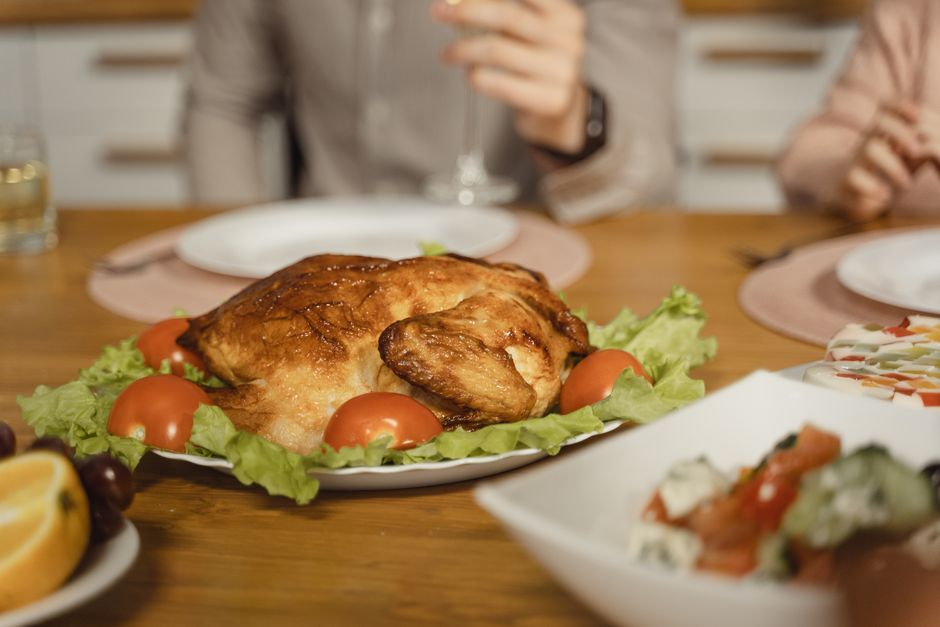
If you are not buying rotisserie chickens from the grocery store on a regular basis, you are working too hard. A fully cooked, seasoned chicken for $5-7 is the single best value in the prepared foods section. This recipe is barely a recipe. It’s assembly.
Ingredients:
- 1 rotisserie chicken, meat pulled from the bones and shredded — Costco birds are $4.99 and enormous
- 1 package small flour or corn tortillas — Mission or Guerrero
- 1 bag shredded cabbage or coleslaw mix (the kind with carrots already in it)
- 1/2 cup sour cream or plain Greek yogurt
- 1 lime, juiced
- Hot sauce — Cholula or Valentina
- Salt
What you actually do: Shred the chicken — this takes about 2 minutes if you just use your hands. Mix the sour cream with lime juice and a pinch of salt for a quick crema. Warm the tortillas in a dry skillet for 30 seconds per side, or microwave them under a damp paper towel for 30 seconds. Put everything on the table. Let people assemble their own tacos. You are done.
Active time: about 5 minutes. Dishes: one bowl for the crema, one skillet for tortillas, your hands.
The real genius: You didn’t cook the chicken. Someone else did. You’re just distributing it. This is not cheating. This is strategy.
Leftover Chicken = Tomorrow’s Lunch
Buy two chickens. Use the second one for chicken salad sandwiches the next day. Shred the meat, mix with mayo, diced celery if you have it, salt, pepper, and a squeeze of lemon. You just made lunch for two days in four minutes.
The One Tool That Actually Cuts Prep Time
I’ve tested a lot of kitchen gadgets. Most are landfill. Spiralizers, avocado slicers, garlic peelers — junk that does one thing poorly and clutters your drawers. But a full-size food processor earns its cabinet space on weeknights.
Specifically: the Cuisinart 14-Cup Food Processor (model DFP-14BCNY, around $100-130). Not a mini chopper. Not a blender pretending to be a food processor. The real thing.
Here’s what it does in under 60 seconds that would take you 15+ minutes by hand: shreds a block of cheese, slices three potatoes into uniform rounds, turns an onion and three carrots into confetti for soup base, makes pesto from the basil plant you forgot was on the windowsill. It also makes pie dough in 45 seconds flat if you’re the kind of person who makes pie dough on a Tuesday (you’re not, but the option exists).
The 14-cup capacity means you can process an entire meal’s worth of vegetables in one batch. The smaller 7-cup or 8-cup models require multiple batches, which defeats the purpose. Go big or don’t bother.
What a Food Processor Won’t Do
It won’t chop soft tomatoes cleanly — they turn to mush. It won’t handle very small quantities well — a single clove of garlic will just spin around the blade. It won’t replace a blender for smoothies or soups. And it takes up roughly the same footprint as a toaster. If your counter space is truly nonexistent, the KitchenAid 3.5-Cup Mini Food Processor ($40) handles smaller jobs but requires more batches for family-sized meals.
When These Recipes Fail
Let’s be honest about where this goes wrong. The sheet pan dinner fails when you overcrowd the pan. Everything steams instead of roasts, and you get soggy vegetables. Use a pan that’s at least 13×18 inches — the standard “half sheet” size from Nordic Ware ($15 for a two-pack) — and leave space between pieces.
The no-cook pasta sauce fails when you use mealy, out-of-season tomatoes in January. Those pale pink things at the supermarket taste like water. Cherry tomatoes or grape tomatoes are your year-round safety net — they’re bred for flavor consistency. If you can’t find decent tomatoes, skip this recipe and make the sausage sheet pan instead.
The rotisserie chicken tacos fail when the chicken has been sitting under a heat lamp since 10 AM. Buy your chicken between 4-6 PM when turnover is highest, or grab one from Costco where the volume guarantees freshness. A dry, stringy rotisserie chicken is a sad thing.
Building a 3-Recipe Rotation That Nobody Hates
Here’s the uncomfortable truth: your family doesn’t want variety. They want predictability. Studies on decision fatigue show that reducing choices reduces stress — for the cook and the eaters. A three-recipe weekly rotation, with one “wild card” night (leftovers, takeout, breakfast-for-dinner), covers Monday through Friday without anyone getting bored.
| Day | Recipe | Active Time | Key Tool |
|---|---|---|---|
| Monday | Sheet Pan Sausage & Peppers | 8 min | Rimmed baking sheet |
| Tuesday | No-Cook Tomato Mozzarella Pasta | 10 min | Large pot |
| Wednesday | Rotisserie Chicken Tacos | 5 min | Your hands |
| Thursday | Leftovers or Breakfast-for-Dinner | 0-10 min | Microwave or skillet |
| Friday | Repeat favorite from Mon-Wed | 5-10 min | Depends |
This rotation covers you for five days with three actual cooking sessions. Thursday is a pressure-release valve. Friday is a repeat because by Friday you’re exhausted and nobody cares about novelty. The total weekly active cooking time is under 25 minutes. That’s less than a single episode of whatever show you’re too tired to watch anyway.
The rotation also means your grocery list barely changes week to week. Sausage, peppers, onions, pasta, tomatoes, mozzarella, rotisserie chicken, tortillas, cabbage. That’s nine items. You can shop for the entire week in 20 minutes.
This is not aspirational cooking. It’s not going to impress dinner guests. It’s going to get hot food on the table on a Tuesday night without anyone losing their mind. That’s the win. Take it.