Vegan Recipes For Dinner: Vegan Dinner Recipes That Actually Fill You Up

Satiety comes from protein and fat, not optimism. A bowl of roasted vegetables is not dinner — it’s a side dish that forgot its purpose. Get the protein right, build around a bold sauce, and vegan dinners stop feeling like a compromise and start earning a permanent spot in your weekly rotation.
These recipes are practical, specific, and tested against the most common failure: bland food that leaves you hungry at 9pm.
Five Vegan Dinners Worth Cooking This Week
Not every recipe deserves your Tuesday evening. These five deliver on flavor, nutrition, and time — covering five completely different flavor profiles so the week never feels repetitive.
- Chickpea Tikka Masala — One 15 oz can of chickpeas (~$1.20), a jar of Trader Joe’s Indian Simmer Sauce (~$3), and 30 minutes. Serve over basmati rice. Roughly 14g of protein per serving. This is the gateway recipe for people who think vegan food has no depth.
- Lentil Bolognese — Bob’s Red Mill French Green Lentils (~$4/lb) hold their shape better than red lentils when simmered in sauce. Add Rao’s Homemade Marinara ($9.99/24 oz) and serve over rigatoni. This one tastes better the next day — make it Sunday, eat it Tuesday.
- Black Bean Tacos — Seasoned black beans, warm corn tortillas, sliced avocado, and quick-pickled onions. Under $8 for four servings. Requires zero cooking skill, takes 15 minutes start to finish.
- Thai Peanut Noodles — Rice noodles, natural peanut butter, tamari, lime, and ginger. Done in 20 minutes. Full instructions in the section below.
- Stuffed Bell Peppers with Quinoa — Four peppers, one cup of quinoa, one can of black beans, cumin, smoked paprika. Bake at 375°F for 35 minutes. Works as meal prep for three days without losing texture.
Five dinners covering Indian, Italian, Mexican, Thai, and American profiles. Variety solves the biggest complaint about eating vegan at home: it gets boring fast when you repeat the same two dishes.
Protein Without Meat: The Numbers That Matter
The average adult needs roughly 0.8g of protein per kilogram of bodyweight daily — closer to 1.2g if you’re active. These plant sources make hitting that target realistic without tracking every gram obsessively.
| Protein Source | Protein per 100g (cooked) | Cost per Serving | Best Use |
|---|---|---|---|
| Tempeh | 18g | ~$1.80 | Stir-fries, tacos, sandwiches |
| Edamame | 11g | ~$1.20 | Grain bowls, stir-fries |
| Lentils | 9g | ~$0.50 | Bolognese, soups, dal |
| Chickpeas | 8.9g | ~$0.60 | Curries, roasted snacks, wraps |
| Black Beans | 8.7g | ~$0.40 | Tacos, burritos, rice bowls |
| Firm Tofu | 8g | ~$0.80 | Scrambles, stir-fries, soups |
Tempeh wins on protein density. If you’ve avoided it because the texture seemed rubbery, the fix is simple: Lightlife Organic Tempeh ($3.99/8 oz), sliced thin, marinated in tamari and garlic for 20 minutes, then pan-fried until crispy. It absorbs the marinade and the texture becomes something completely different — firm, savory, nothing like the raw block.
Combine two sources per meal — lentils and quinoa together, or beans with tofu — and you’re hitting 18–22g of protein per dinner without counting anything. That’s the practical approach. Pair it with healthy fat from avocado or olive oil, and the meal actually keeps you full.
One note on tofu: press it before cooking. Nasoya Extra Firm Tofu ($2.99/14 oz) has less moisture than most brands, which means it browns faster and doesn’t steam in the pan. Pressing time: 20 minutes under a weighted cutting board. Skip this step and the texture never gets right.
Thai Peanut Noodles: Ready in 20 Minutes Flat
This recipe converts skeptics. No special equipment, no obscure ingredients, no technique beyond whisking a sauce and boiling water.
What You Need (serves 2)
- 200g rice noodles (any width — thin vermicelli and wide pad thai noodles both work)
- 3 tablespoons natural peanut butter — Smucker’s Natural or any brand with no added sugar
- 2 tablespoons tamari or regular soy sauce
- 1 tablespoon rice vinegar
- 1 tablespoon sesame oil
- 1 teaspoon fresh grated ginger
- 1 garlic clove, minced
- Juice of half a lime
- Optional toppings: sliced cucumber, shredded carrots, chopped roasted peanuts, red chili flakes, fresh cilantro
The Method
Cook the noodles according to package instructions — typically 4–6 minutes in boiling water. While they cook, whisk together the peanut butter, tamari, rice vinegar, sesame oil, ginger, garlic, and lime juice in a large bowl. If the sauce feels too thick, add 2–3 tablespoons of the pasta cooking water to loosen it. The starch in the water helps the sauce cling to the noodles instead of pooling at the bottom.
Drain the noodles and toss immediately with the sauce while still warm. Top with whatever you have. This dish works equally well at room temperature, which makes it ideal for lunch the next day.
Total active cooking time: 15 minutes. Cost per serving: under $3. The sauce also doubles as a dipping sauce for spring rolls or a dressing for grain bowls — make a double batch and store the extra in the fridge for up to a week.
The One Seasoning Mistake That Ruins Vegan Dinners
Under-salting. That’s it — that’s the whole section.
Plants don’t carry the fat content of meat, which means salt and acid have to do more of the flavor work. Finish every vegan dish with a squeeze of lemon, a splash of apple cider vinegar, or a dash of tamari. This isn’t a preference. It’s the reason restaurant vegan food tastes better than home-cooked versions where someone halved the salt and forgot the acid entirely.
Chickpea Tikka Masala vs. Lentil Bolognese
Both are weeknight staples built from pantry ingredients. They’re not interchangeable — each serves a different situation.
| Factor | Chickpea Tikka Masala | Lentil Bolognese |
|---|---|---|
| Active cook time | 25 minutes | 40 minutes |
| Protein per serving | ~14g | ~18g |
| Cost per serving | ~$2.50 | ~$2.00 |
| Meal prep lifespan | 3 days | 4–5 days, flavor improves |
| Kid-friendly? | Depends on spice level | Generally yes |
| Gluten-free? | Yes (with rice) | Only with GF pasta |
| Non-vegan crowd appeal | High | Very high — often undetected |
Verdict: Pick tikka masala when you need dinner in 30 minutes. Pick lentil bolognese when you’re cooking for the week or feeding non-vegan guests. With Rao’s Marinara as the base and French green lentils for texture, most people at the table won’t realize the meat is missing — they just think it’s a good pasta sauce.
Pantry Questions Home Cooks Actually Ask
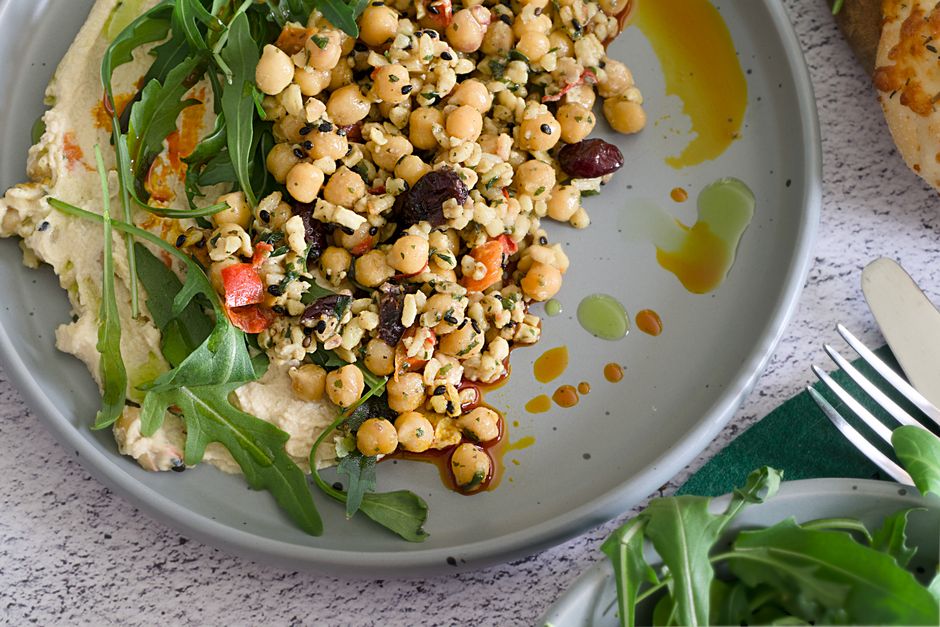
Which canned beans are worth stocking?
Chickpeas, black beans, and cannellini beans cover 90% of what you’ll need. Eden Organic Black Beans ($2.30/can when bought by the case) use a BPA-free lining and have noticeably better texture than generic store brands — they hold their shape when sautéed instead of turning to mush. Muir Glen Organic Crushed Tomatoes ($3.50/28 oz) is the best canned tomato for sauces: less acidic, more depth, and consistent quality across batches.
What spices actually matter?
Five spices handle most vegan cooking: smoked paprika, cumin, garam masala, turmeric, and coriander. Those five cover Indian, Mexican, and Middle Eastern profiles. Add nutritional yeast ($8–10 for a 10 oz bag at most health food stores or Amazon) for umami depth in sauces and soups — it’s not just a cheese substitute, it genuinely adds savory complexity that plant-based dishes often lack. Simply Organic sells individual spices that are reliably fresh and widely available.
Is vegan butter worth buying?
Yes, for sautéing aromatics and finishing sauces. Miyoko’s Cultured Vegan Butter ($7.99/8 oz) is the only option that browns properly and doesn’t taste like coconut oil in disguise. That coconut-forward flavor is the failure mode of most competitors. If your grocery store doesn’t carry Miyoko’s, Country Crock Plant Butter ($4.99/8 oz) is a widely available backup that performs adequately for everyday cooking.
When a Meal Kit Beats Cooking From Scratch
If you’re new to vegan cooking and uncertain about spice ratios, a meal kit removes the biggest barrier: guessing what done tastes like.
Purple Carrot is the most established vegan-specific meal kit at roughly $11–13 per serving. Green Chef offers several plant-based plans at similar pricing. Neither is cost-competitive with scratch cooking — the same chickpea curry costs $2.50 per serving at home versus $12 from a kit. But they teach technique, expose you to flavor combinations you’d never attempt alone, and eliminate the Sunday afternoon grocery confusion that makes new vegan cooks quit by week two.
Use a meal kit for two to three weeks to build confidence and palate familiarity. Then transition to the pantry-based approach above. At that point, you’ll know what properly seasoned food tastes like, and replicating it yourself becomes straightforward rather than a guessing game.