Slow Cooker Recipes That Actually Taste Good (Not Just Convenient)

Here is a number most slow cooker articles skip: the average home cook lifts the lid at least three times during a cook. Every single lift drops the internal temperature by roughly 15°F and adds 20–30 minutes to the total cook time. That one habit explains why so many slow cooker meals end up either undercooked or turned to mush — and why following a recipe exactly doesn’t always produce the result the photo promised.
Slow cooking done right produces results that stovetop methods genuinely can’t replicate. Collagen in cheap cuts breaks down into gelatin over hours. Spices bloom slowly and thoroughly. Flavors consolidate rather than evaporate. But none of that happens automatically just because you own a Crock-Pot.
Below: the recipes worth making, the technique mistakes that tank results, and an honest answer to when the slow cooker is just the wrong tool.
What Makes a Recipe Genuinely Suited for Slow Cooking
Not every dish improves with low, slow heat. The ones that do share a few specific traits — understanding those traits lets you adapt recipes confidently instead of following instructions blindly and hoping for the best.
The Role of Collagen and Fat
Tough, collagen-rich cuts are where slow cookers shine: beef chuck, pork shoulder, lamb shank, chicken thighs. These cuts carry connective tissue that requires sustained heat — usually 6–8 hours at 190–210°F — to convert collagen to gelatin. That gelatin is what gives slow-cooked stews their silky, mouth-coating texture that you simply cannot shortcut.
Lean cuts behave completely differently. Chicken breast, pork tenderloin, and fish lose moisture fast at sustained heat and don’t have enough collagen to compensate. At 200°F for eight hours, they dry out and tighten. This is not a slow cooker flaw. It is a mismatch between ingredient and method, and no amount of extra liquid fixes it.
Fat matters too. Cuts with good marbling — like a bone-in pork shoulder — essentially baste themselves over hours. A lean beef round roast doesn’t have that mechanism and often ends up stringy and dull no matter what sauce surrounds it.
Liquid Ratios and Why Less Is Usually More
Slow cookers trap moisture. Unlike a Dutch oven on the stovetop, nothing evaporates. Ingredients release liquid as they cook, which means if you start with two cups of broth, you will often end with three or more by dinner. Most published slow cooker recipes call for too much liquid — probably because recipe writers test on stovetops and adjust upward without reconsidering when they move to a slow cooker format.
A reliable rule: use about half the liquid a comparable stovetop recipe calls for. A pot roast that gets four cups of broth on the stove needs two in the slow cooker. The meat releases more as it cooks. If you end up with too much liquid at the end, remove the lid for the final 30 minutes on high to reduce it — or transfer the liquid to a saucepan and reduce it separately into an actual sauce.
Aromatics and Dairy Timing
Garlic, onion, and dried spices mellow and deepen over eight hours. That is usually good. Fresh herbs, on the other hand, lose all their character entirely — add them in the last 30 minutes or just before serving. Cream, sour cream, and cheese should never go in at the start. They break, curdle, or turn grainy. Always stir in dairy at the end, off heat where possible.
The Best Slow Cooker Recipes, Ranked by Real-World Results
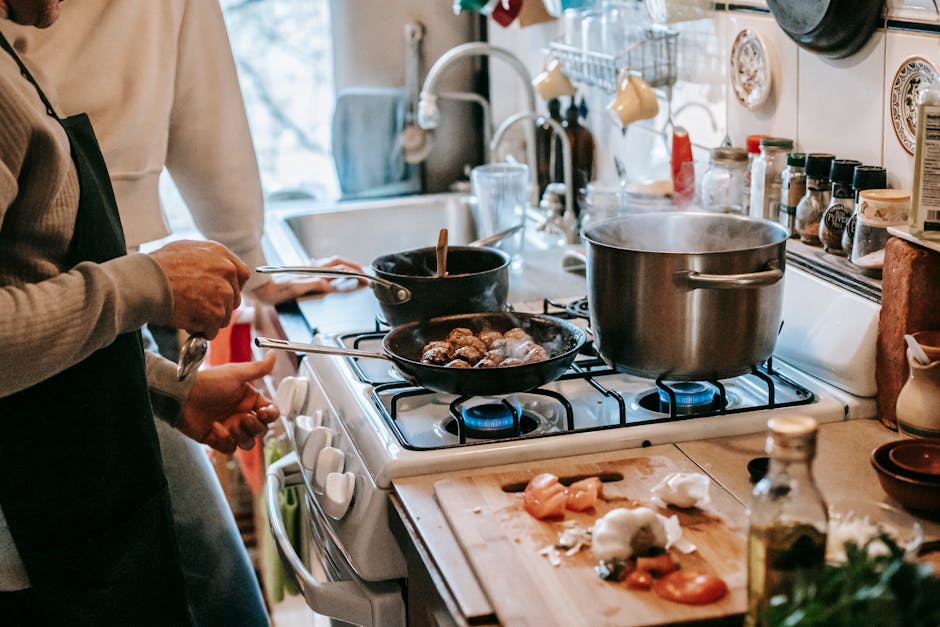
These are recipes where the slow cooker actively produces a better result than faster methods — not just a more convenient one.
1. Beef Chuck Pot Roast with Root Vegetables
The classic for a reason. A 3–4 lb beef chuck roast with carrots, potatoes, and onion, cooked on low for 8–10 hours. The step most recipes skip: sear the roast in a cast iron pan first. Four minutes per side at high heat builds a crust that will never form in a wet slow cooker environment. Skip this and the roast is edible but flat.
Season aggressively before the sear — salt, black pepper, garlic powder. Add 1.5 cups of beef broth (not three), one tablespoon of tomato paste, and a splash of Worcestershire. Hold the potatoes until the last 2–3 hours or they disintegrate.
2. White Bean and Italian Sausage Soup
One of the strongest arguments for slow cooker soup. Dried white beans go in unsoaked at the start — after 8 hours on low, they are perfectly cooked and have absorbed all surrounding flavor. Canned beans work but produce a blander result. Use 1 lb of dried cannellini beans, 4 Italian sausage links sliced into rounds, one can of diced tomatoes, a Parmesan rind (essential — it thickens the broth and adds depth that no spice replicates), and 4 cups of chicken broth. Stir in spinach or kale during the last 20 minutes.
Tip: If your slow cooker runs hot — and some do, especially budget models — check internal temperatures earlier than the recipe suggests. The Hamilton Beach Portable 6-Quart is known to run 10–15°F hotter than its settings indicate. A $10 instant-read thermometer catches overcooked proteins before they are ruined, which is a cheaper fix than replacing dinner.
3. Pulled Pork Shoulder
A bone-in pork shoulder at 6–8 lbs on low for 10–12 hours produces pulled pork that is genuinely difficult to replicate any other way. The bone contributes collagen and flavor that boneless cuts cannot match. Rub the night before with brown sugar, smoked paprika, cumin, garlic powder, salt, and black pepper. No added liquid needed — the pork generates its own. The result shreds effortlessly with two forks, and the drippings left in the cooker make an excellent base for barbecue sauce with almost no additional work.
4. Chicken Tikka Masala
Bone-in chicken thighs go in with a sauce built from crushed tomatoes, fresh ginger, garlic, garam masala, cumin, coriander, and chili. Cook on low for 6 hours. The critical finish: remove the chicken, shred it off the bone, stir in half a cup of heavy cream or full-fat coconut milk, then return the chicken to the pot. Without dairy added at the end, the sauce is sharp and one-dimensional. With it, you get the richness that a 30-minute stovetop version takes real effort to achieve.
Tip: The Crock-Pot 7-Quart Oval Manual ($35–$45) remains the most consistent slow cooker for the money. No programmable features, but the ceramic insert heats evenly and the oval shape fits roasts and whole chicken pieces flat without folding. For households cooking 4+ servings regularly, the 7-quart beats the 6-quart on flexibility alone.
5. Red Lentil and Coconut Curry
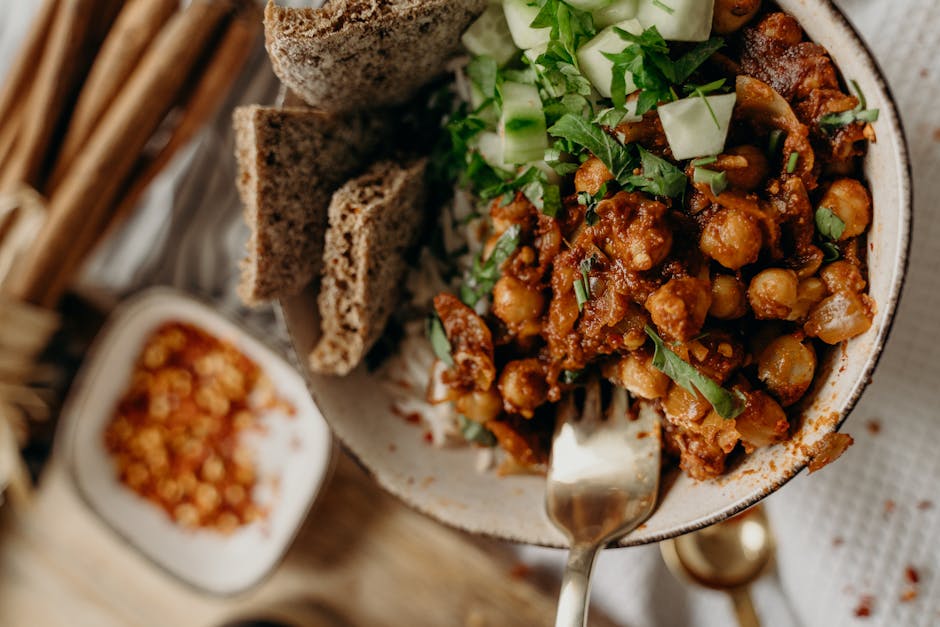
One of the few vegetarian slow cooker recipes that works without workarounds. Red lentils — 2 cups, rinsed — break down and thicken the broth naturally over 6 hours. Combine with one can of coconut milk, two cans of diced tomatoes, curry powder, turmeric, cumin, and a diced onion. Finish with lime juice and fresh cilantro. Ready on low in 5–6 hours and reheats better than almost any other slow cooker dish. A legitimate case for making it on Sunday evening for three weeknight lunches.
Tip: Do not stir slow cooker dishes more than once mid-cook. Each lift exposes the heating element and drops the temperature. For dishes with delicate layering — soups with vegetables you want intact — set it and leave it alone. The lid is doing real work.
Three Technique Habits That Change Outcomes
Brown your proteins before they go in. Deglaze the pan and pour the drippings into the slow cooker. Never add rice or pasta to the slow cooker itself — cook them separately and combine at serving.
Those three habits account for the majority of the gap between a slow cooker meal that impresses and one that is merely acceptable.
Slow Cooker vs. Instant Pot: What the Comparison Actually Shows
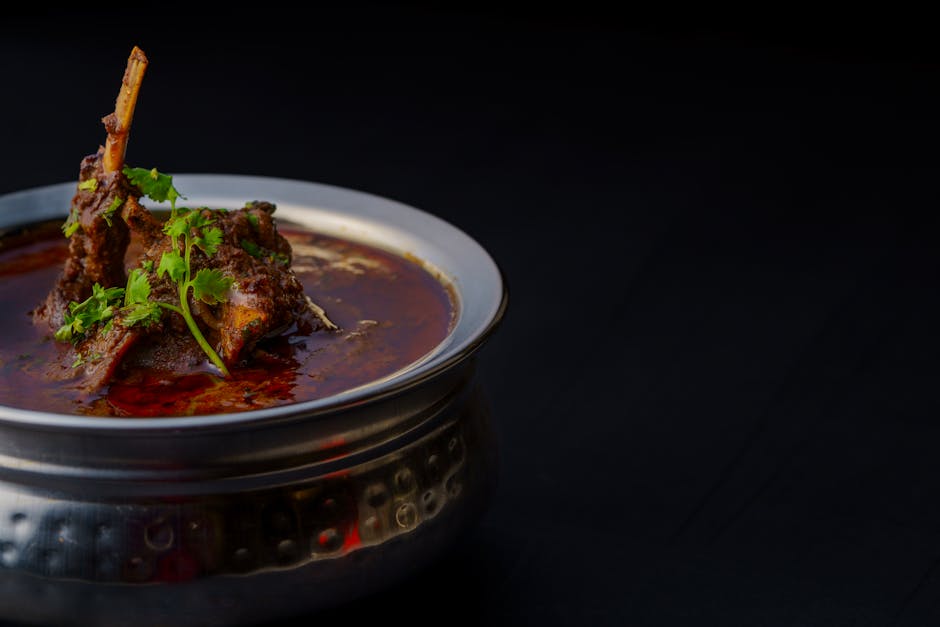
The Instant Pot did not replace slow cookers — it replaced different cooking methods for different people. Here is an honest side-by-side of the three most common options.
| Feature | Crock-Pot 7-Qt Manual (~$40) | Instant Pot Duo 7-in-1, 6-Qt (~$100) | Ninja Foodi 6.5-Qt (~$200) |
|---|---|---|---|
| Slow cook function | Dedicated, consistent | Available but runs hotter | Available, more accurate |
| Pressure cooking | No | Yes — up to 15 PSI | Yes — up to 15 PSI |
| Best use case | Long unattended cooks | Quick weeknight meals | Multi-step recipes |
| Insert material | Ceramic | Stainless steel | Ceramic-coated |
| Can sear inside the unit | No | Yes (sauté mode) | Yes (sauté mode) |
| Counter footprint | Moderate | Compact | Large |
If you cook on weekends and want to set something up in the morning for dinner, the basic Crock-Pot wins on simplicity and price. If you want one appliance that slow cooks, pressure cooks, and sautés — and you accept a steeper learning curve — the Instant Pot Duo makes sense. The Ninja Foodi is the best multi-function option but the most expensive with the largest footprint. Hard to justify unless you regularly use at least three of its functions; otherwise you are paying for capabilities that stay switched off.
The Mistakes That Ruin Slow Cooker Results
Does overfilling actually matter?
Yes, significantly. Most manufacturers recommend filling slow cookers between half and three-quarters full. Below half, food cooks faster than the recipe assumes and can overcook or dry out before you are home. Above three-quarters, the lid may not seal evenly and heat escapes inconsistently. The fix is matching recipe size to cooker size — a 7-quart cooker for a 3-lb roast is fine, but a 3.5-quart cooker for that same roast is not.
Why does slow cooker chicken turn out stringy?
Two reasons, usually in combination. First, using breast meat instead of thighs. Second, cooking on high when the recipe calls for low. High on most slow cookers reaches 280–300°F. At that temperature, chicken breast proteins tighten and expel moisture within 3–4 hours, well before the cook is finished. For shredded chicken, use bone-in thighs on low for 6 hours. For chicken pieces you want to stay intact, 4 hours on low is usually enough — check at 3.5 hours the first time you make it.
Should you ever skip browning?
Only when the dish has enough other flavor sources to compensate. A chili with a heavy spice blend and canned tomatoes survives skipping the sear on ground beef. A pot roast where the beef is the main event does not — the result tastes boiled and flat. Browning creates Maillard reaction compounds that do not form in a wet slow cooker environment. If you have 10 minutes, brown the meat. If you genuinely don’t, at least season the exterior heavily before it goes in.
When the Slow Cooker Is the Wrong Tool
The slow cooker is genuinely bad at a specific category of cooking. Knowing this saves time and frustration — and keeps you from blaming the recipe when the real problem is an equipment mismatch.
Quick-cooking vegetables
Zucchini, peas, green beans, and broccoli disintegrate after hours of wet heat. They belong added in the last 20–30 minutes maximum, or cooked separately and stirred in at serving. If a recipe tells you to add broccoli at the start of an 8-hour cook, ignore that instruction. The recipe is wrong.
Fish and shellfish
Almost never use a slow cooker for fish. A 6-hour cook turns salmon or white fish into dry, rubbery flakes. Even on warm for two hours, shrimp overcooks into a gray, tight texture no sauce rescues. Stir in shrimp or flaky fish in the final 20–25 minutes only, when the heat has dropped and you can watch them. They are done when just opaque through the center — pull them immediately.
Dishes that need textural contrast
Anything where a crisp exterior matters — roasted chicken skin, pork belly crackling, toasted breadcrumbs — requires dry heat a slow cooker cannot provide. The Ninja Foodi addresses this with its TenderCrisp air-fry lid, which finishes proteins under dry circulated heat after the slow cook. Without that feature, transfer the finished protein to a 450°F oven or broiler for 10–15 minutes if texture contrast matters to the dish. Two minutes under a broiler after 8 hours in a slow cooker can be the difference between a good meal and a memorable one.
Slow cookers keep proving relevant precisely because they solve a real problem — genuinely good food that doesn’t require active attention for hours. The technique hasn’t changed since Rival launched the original Crock-Pot in 1971 and sold 8 million units in two years. What keeps changing is how people use them: fewer dump-and-go recipes, more understanding of which cuts and timing combinations actually deliver. That shift toward smarter slow cooking is what separates the people who use their slow cooker every week from those who push it to the back of the shelf by February.