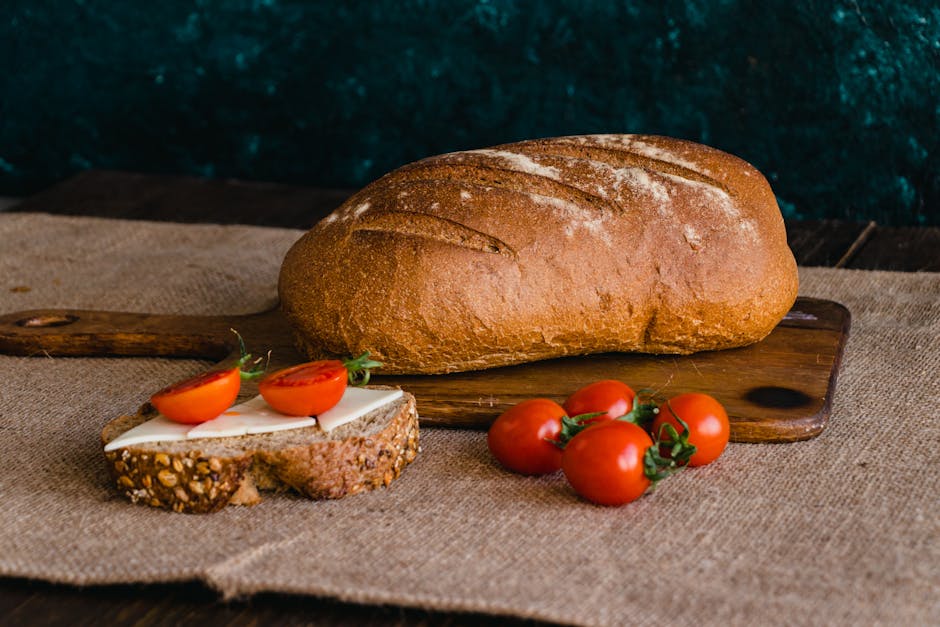
Science-Backed 2024 Homemade Sandwich Bread Recipe for Optimal Texture and Longevity

The pursuit of the perfect sandwich often begins and ends with the filling, yet the structural foundation—the bread—is what determines the longevity and success of the meal. In the modern culinary landscape, we have become accustomed to the ultra-processed, air-filled loaves of the supermarket, which prioritize shelf-stability over nutritional density and flavor. To bake a loaf at home that replicates that specific “squish” while providing the artisanal quality of a professional bakery requires a departure from standard rustic techniques. It is not merely a matter of mixing flour and water; it is an exercise in molecular gastronomy, specifically focusing on the manipulation of starch and protein to combat the inevitable process of staling.
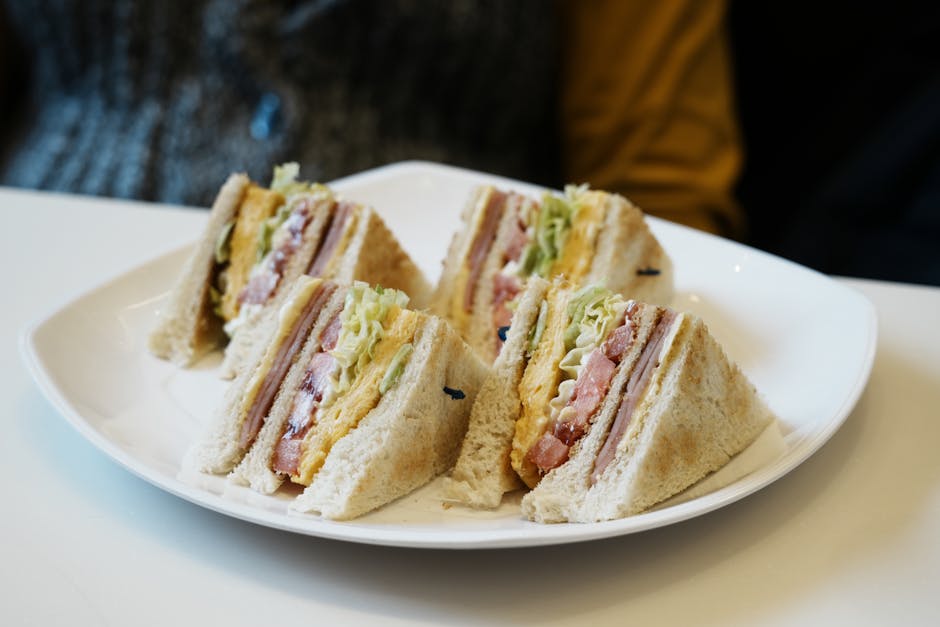
While most home-baked loaves are celebrated for their thick, shatteringly crisp crusts, the commercial sandwich bread industry relies on a surprising chemical reality: nearly 60% of consumers prioritize ‘squish’ and shelf-life over artisanal crunch. This preference presents a significant challenge for the home baker. Without the industrial dough conditioners, emulsifiers, and preservatives like calcium propionate found in supermarket aisles, a standard homemade loaf often begins the process of starch retrogradation—the scientific term for going stale—within a mere 24 hours of leaving the oven. Achieving a loaf that maintains its structural integrity for a heavy turkey club while remaining soft enough for a delicate cucumber sandwich requires more than just a basic yeast-and-flour mixture; it requires a deep dive into the thermodynamics of starch gelatinization.
The Physics of the Sandwich Loaf: Crumb Density and Structural Integrity
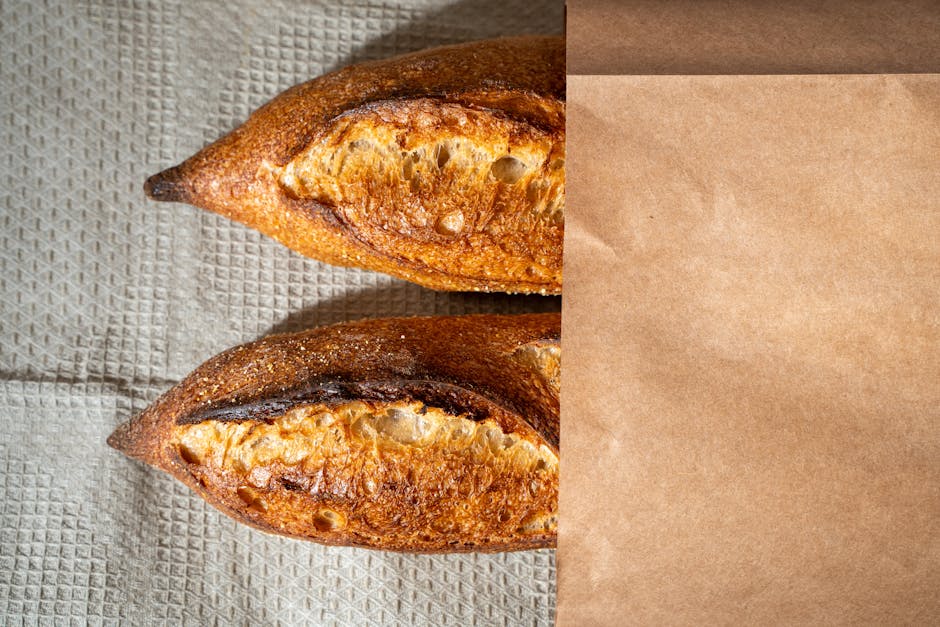
To understand why most homemade bread fails as a sandwich vehicle, one must look at the crumb structure. A rustic sourdough or a French baguette is characterized by an ‘open crumb’—large, irregular air pockets created by high hydration and long fermentation. While aesthetically pleasing, these holes are a disaster for condiments. Mustard, mayonnaise, and oil-based dressings migrate through these gaps, leading to structural collapse and messy hands. A true sandwich loaf requires a closed, tight crumb that acts as a uniform barrier. This “closed” architecture is achieved through a combination of mechanical degassing and the inclusion of enriching agents that interfere with the formation of large CO2 bubbles.
The secret to this uniformity lies in the protein content of your flour and the mechanical development of the gluten network. When you use a high-protein bread flour (typically 12.7% protein), the glutenin and gliadin proteins form a robust matrix that can trap smaller, more numerous carbon dioxide bubbles. This results in the ‘pillowy’ texture we associate with premium sandwich brands. However, strength alone is not enough. To prevent the bread from becoming tough or chewy like a bagel, we must introduce fats. Lipids from butter or whole milk coat the gluten strands, shortening them—hence the term ‘shortening’—which produces a tender bite rather than a rubbery one. This interference is crucial; it ensures that while the bread is strong enough to hold a half-pound of pastrami, it yields easily to the teeth without the “tug” associated with artisanal boules.
Another factor often overlooked is the thermal mass and geometry of the baking vessel. A standard thin-walled tin often leads to uneven browning and a crust that is too thick for a comfortable sandwich experience. Professional-grade pans, such as the USA Pan Pullman Loaf Pan with Cover (9 x 4 x 4 inch, approximately $32), are constructed from heavy-gauge aluminized steel. This specific model features a corrugated surface that facilitates air circulation and even heat distribution, preventing the “hot spots” that cause one side of the loaf to toughen. The primary benefit is the lid; the ‘Pullman’ style forces the dough into a perfect square, ensuring every slice is identical in size. This is critical for consistent sandwich construction and even toasting. The downside is the maintenance; the silicone Americoat coating requires meticulous hand-washing to avoid degradation, and it should never be cleaned with abrasive pads.
The Tangzhong Technique: Engineering a Soft Loaf That Stays Fresh
If you have ever wondered why Japanese milk bread (Shokupan) feels significantly softer and stays fresh longer than a standard white loaf, the answer is the Tangzhong method. This is a pre-gelatinization process where a small portion of the flour and liquid (water or milk) is cooked into a thick paste or roux before being added to the main dough. By heating the flour to approximately 149°F (65°C), the starch granules swell and absorb significantly more moisture than they would at room temperature. This is not just about adding water; it is about changing the state of the starch itself.
The Science of Moisture Retention
In a standard dough, water is loosely held between gluten strands. During baking and subsequent cooling, this water easily evaporates or migrates, leading to a dry, crumbly texture. In a Tangzhong-based loaf, the water is chemically bound within the gelatinized starch. This ‘trapped’ water does not evaporate as readily in the oven. The result is a loaf with a higher effective hydration—often reaching 75% or 80%—without the dough becoming unmanageably sticky to handle. This moisture is what prevents the bread from feeling stale even three or four days after baking. Furthermore, the gelatinized starch provides a smoother mouthfeel, mimicking the effects of chemical softeners without the need for additives.
Implementing the Roux in Your Workflow
Creating the roux takes less than five minutes but requires precision. You typically use a 1:5 ratio of flour to liquid by weight. For a single loaf, whisking 20g of bread flour with 100g of whole milk over medium-low heat until it reaches the consistency of mashed potatoes is sufficient. It is vital to let this mixture cool to room temperature before adding it to your yeast; adding it while hot can kill the yeast cells and lead to a leaden, unrisen loaf. If you are in a rush, you can spread the roux thinly on a plate and cover it with plastic wrap to accelerate cooling. This extra step is the single most effective way to eliminate the need for chemical softeners in your home kitchen and is the hallmark of the 2024 artisanal sandwich movement.
Essential Equipment for Professional Results
To move beyond “hobbyist” results, the home baker must treat the kitchen like a laboratory. Consistency is the enemy of the “pinch and dash” method. Investing in specific tools ensures that the variables of temperature and weight are controlled.
- KitchenAid Artisan Series 5-Quart Tilt-Head Stand Mixer (approx. $450): While hand-kneading is possible, the intensive 10-minute knead required for high-protein sandwich dough is best handled by a 325-watt motor. The planetary mixing action ensures that the fat (butter) is emulsified perfectly into the gluten matrix. Pros: Extreme durability, versatile attachments. Cons: Significant counter footprint, high initial investment.
- Escali Primo Digital Kitchen Scale (approx. $25): Flour density varies by humidity and how it was packed. A scale is non-negotiable. The Escali Primo is a standard in professional kitchens for its 1g precision and 11lb capacity. Pros: Reliable, easy to clean. Cons: Lacks a backlit display, which can be frustrating in low-light kitchens.
- Thermapen One (approx. $100): Overbaking is the quickest way to ruin a sandwich loaf. An internal temperature of 190°F is the target. The Thermapen One provides a reading in one second or less. Pros: Waterproof, highly accurate. Cons: Expensive compared to generic dial thermometers.
Step-by-Step Instructions for the 2024 High-Protein Sandwich Loaf
Precision is the hallmark of a successful baker. For this reason, measurements are provided in grams. For the best results, utilize King Arthur Unbleached Bread Flour (approx. $6.50 per 5lb bag). Its consistent 12.7% protein content provides the necessary strength that lower-quality all-purpose flours lack. Lower protein flours will result in a loaf that collapses under the weight of heavy sandwich fillings.
- Prepare the Tangzhong: Combine 20g bread flour and 100g whole milk in a small saucepan. Whisk constantly over medium heat until a thick paste forms and the whisk leaves tracks in the bottom of the pan. Remove from heat and transfer to a small bowl to cool. Ensure the surface is covered with plastic wrap to prevent a skin from forming.
- Mix the Main Dough: In the bowl of a stand mixer, combine 350g bread flour, 7g instant yeast, 35g granulated sugar, and 7g fine sea salt. Add the cooled Tangzhong, 120g lukewarm whole milk (approx. 100°F), and one large egg. The egg provides lecithin, which acts as a natural emulsifier for a finer crumb.
- Knead and Incorporate Fat: Using the dough hook, mix on low speed until a shaggy dough forms. Gradually add 42g of softened, unsalted butter, one tablespoon at a time. Increase to medium speed and knead for 8 to 10 minutes. The dough should be smooth, elastic, and pass the ‘windowpane test’ (you should be able to stretch a small piece of dough thin enough to see light through it without it tearing).
- First Rise: Place the dough in a lightly oiled bowl, cover with a damp cloth, and let rise in a warm, draft-free spot until doubled in size (approximately 60 to 90 minutes). If your kitchen is cold, the oven with the light turned on serves as an excellent proofing chamber.
- Shape and Second Rise: Gently deflate the dough to remove large gas pockets. Roll it into a rectangle the width of your 9×4 inch pan, then roll it up tightly into a log, pinching the seam shut. Place it in the greased pan. If using a Pullman lid, slide it 3/4 of the way closed. Let rise until the dough is about 1 inch from the top of the pan.
- Bake: Preheat your oven to 350°F (175°C). Slide the lid completely closed and bake for 30 to 35 minutes. The lid traps steam, which keeps the crust thin and soft rather than thick and hard.
- Cooling: Immediately remove the bread from the pan and place it on a wire rack. Resisting the urge to slice it while hot is essential; the internal structure is still setting, and cutting it too early will result in a gummy texture that cannot be reversed.
Troubleshooting Common Sandwich Loaf Failures
Even with precise measurements, variables like ambient humidity can affect the outcome. Understanding the “why” behind a failed loaf is the only way to improve. If your bread feels like a brick, the most likely culprit is inactive yeast or insufficient kneading. If the bread is too crumbly, you may have used all-purpose flour instead of bread flour, or you skipped the Tangzhong step.
| Issue | Probable Cause | Corrective Action |
|---|---|---|
| Flying Crust (Gap between top and crumb) | Under-proofing or improper shaping | Ensure the dough is rolled tightly and rises to within 1 inch of the pan lid. |
| Dense, Heavy Bottom | Insufficient heat from the bottom of the oven | Bake on a lower rack or use a preheated baking stone under the loaf pan. |
| Mushroom Top (Overflowing pan) | Over-proofing or too much yeast | Reduce yeast by 1g or bake as soon as the dough reaches the top of the pan. |
| Sour or “Yeasty” Smell | Over-proofing or high ambient temperature | Shorten the rise time or move the dough to a cooler location for the first rise. |
Elevating the Experience: Beverage Pairings for Artisanal Homemade Sandwiches
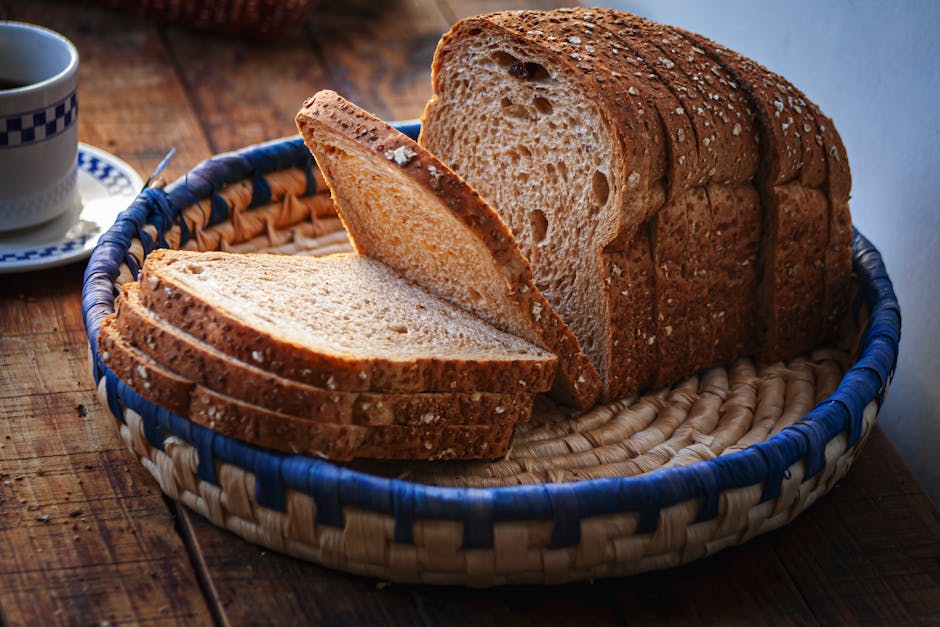
The flavor profile of this homemade white loaf is subtly sweet with a rich, buttery finish. Because the bread is more substantial and flavorful than store-bought options, the drink must be chosen to either cut through the richness or complement the delicate crumb. In the world of high-end lunch service, the beverage is not an afterthought; it is a functional component of the meal that manages the palate’s perception of fat and salt.
When serving a sandwich on this specific bread, consider the temperature and acidity of the drink. A warm, toasted panini benefits from a chilled beverage to provide a temperature contrast. Conversely, a cold tea sandwich is best paired with a drink at room temperature or a hot herbal infusion to prevent the delicate flavors from being muted by ice. The goal is a balanced sensory experience where the bread, the filling, and the liquid complement rather than compete with one another.
| Sandwich Type | Key Flavor Profile | Recommended Beverage Pairing | Reasoning |
|---|---|---|---|
| Classic Grilled Cheese | Fatty, Salty, Toasted | Dry Apple Cider or Sparkling Water with Lime | The malic acid in cider and the carbonation in water cleanse the palate of heavy fats. |
| Turkey and Avocado Club | Creamy, Fresh, Savory | Iced Matcha or Cold-Pressed Cucumber Juice | The vegetal notes of matcha mirror the fresh avocado and provide a clean finish. |
| Egg Salad with Chives | Sulfuric, Rich, Soft | Extra Brut Sparkling Wine or Earl Grey Tea | Effervescence or tannins cut through the density of the egg yolks and mayonnaise. |
| Almond Butter and Honey | Sweet, Nutty, Dense | Nitro Cold Brew Coffee | The creamy texture of nitro coffee complements the nut butter without adding sugar. |
| Smoked Salmon and Cream Cheese | Briny, Rich, Smokey | Chilled Dry Riesling or Tomato Water | High acidity is required to balance the fat of the salmon and the density of the bread. |
The Role of Liquid Ingredients in the Dough
Beyond what you drink alongside the sandwich, the liquids *inside* the dough influence the final pairing. Using buttermilk in the recipe introduces a lactic tang that pairs exceptionally well with fermented drinks like Kombucha. If you substitute a portion of the milk for a light lager, the resulting bread takes on a malty, earthy quality that demands a beverage with more structure, such as a strong black tea or a stout. The versatility of the Tangzhong base allows for these minor adjustments, transforming the loaf from a neutral vessel into a flavor-forward component of the meal.
Baking at home allows for total control over ingredients, but it requires a shift in mindset. You are not just following a recipe; you are managing a biological process. Small variables, like the ambient humidity in your kitchen or the age of your yeast, will change the outcome. Always prioritize the feel of the dough over the specific times listed in any guide.
Ultimately, the transition from store-bought to homemade sandwich bread is a journey of understanding moisture management. By utilizing the Tangzhong method and investing in a high-quality Pullman pan, you bypass the limitations of home baking and produce a loaf that rivals—and often exceeds—the texture of professional bakeries. It is a slower process, certainly, but the ability to produce a sandwich that doesn’t fall apart and remains soft for days is a skill that pays dividends in every lunchbox and brunch spread. When paired with the correct beverage, the humble sandwich is elevated from a quick meal to a curated culinary experience.