Manhattan Drink

I’ve made my share of bad Manhattans over the years. We’re talking murky, unbalanced drinks that tasted more like cough syrup than a sophisticated cocktail. But after countless experiments and a few too many subpar sips, I finally cracked the code. Trust me, getting this classic right is simpler than you think, but it requires knowing where to splurge and where to save.
Why Your Manhattan Tastes Like Mud: The Vermouth Problem
Here’s the deal: if your Manhattan tastes off, the vermouth is probably the culprit. People treat vermouth like it’s a shelf-stable spirit, but it’s not. It’s fortified wine, and it goes bad. Fast. My biggest advice? Stop buying huge bottles of cheap vermouth that sit open for six months.
When it oxidizes, sweet vermouth loses its vibrant fruit and spice notes, developing a flat, sometimes metallic or vinegary taste. This dead vermouth then drags down your entire drink, no matter how good your whiskey is. It’s like trying to make a gourmet sandwich with stale bread. Just don’t do it.
Refrigeration Isn’t Optional, It’s Critical
Once you open that bottle of sweet vermouth, it belongs in the fridge. Period. End of story. This slows down oxidation significantly. Even then, I try to finish a bottle within 3-4 weeks. If you make Manhattans frequently, you’ll burn through it. If you only make one or two a month, consider buying smaller bottles or splitting a larger one with a cocktail-loving friend.
Think of it like a fine white wine; you wouldn’t leave that on the counter, would you? The same rules apply here. Chilling preserves its delicate aromatics and prevents it from becoming a bitter, off-tasting mess. Trust me, this single habit change will improve your Manhattans more than any other.
My Top Shelf Vermouth Picks (and one budget option)
For a truly exceptional Manhattan, you need quality vermouth. Forget the giant bottles of Martini & Rossi. They’re fine for cooking, but not for a drink where vermouth is 25% of the liquid.
- Carpano Antica Formula ($35-40 for 1L): This is my absolute favorite. It’s rich, complex, with notes of vanilla, dried fruit, and a subtle bitterness. It’s robust enough to stand up to a bold rye. If you want to impress, this is it. I always have a bottle.
- Dolin Rouge ($15-20 for 750ml): A fantastic workhorse vermouth. It’s lighter than Carpano Antica but still very balanced, with notes of red fruit and herbs. It’s excellent value and performs way above its price point. If Carpano is a bit much, or you’re making a lot of Manhattans, Dolin is your friend.
- Cinzano Rosso ($10-12 for 750ml): For a budget option, Cinzano Rosso is acceptable. It’s miles better than some of the other bottom-shelf options. It’s a bit sweeter and less complex, but it won’t actively ruin your drink if kept fresh. Just don’t expect the same depth as the others.
Rye vs. Bourbon: A Head-to-Head Showdown
The choice between rye and bourbon is crucial. Both make a Manhattan, but they result in distinctly different drinks. I’ve spent years comparing them, and while I have my preference, I appreciate what each brings to the table.
| Feature | Rye Whiskey | Bourbon Whiskey |
|---|---|---|
| Primary Flavor Profile | Spicy, peppery, herbal, dry finish | Sweeter, caramel, vanilla, oak, smooth finish |
| Traditional Choice | The original whiskey for a Manhattan | Popular alternative, especially in the South |
| Best for Whom? | Those who prefer a drier, spicier cocktail with a kick | Those who enjoy a sweeter, softer, more approachable drink |
| Recommended Brands | Rittenhouse Rye ($25-30), Old Overholt Rye ($20-25), Bulleit Rye ($30-35) | Woodford Reserve ($35-40), Maker’s Mark ($25-30), Knob Creek ($30-35) |
For me, a true Manhattan demands rye. The spicy, peppery notes of rye whiskey cut through the sweetness of the vermouth and bitters, creating a beautifully balanced drink. Bourbon, while delicious, makes for a sweeter, rounder cocktail that, while good, doesn’t quite hit the same traditional mark for me. If you’re just starting, try both. See what you prefer. But if you want the classic experience, go with a good rye.
Cherry Picking: Don’t Ruin It With the Wrong Garnish
This is simple. There is only one acceptable cherry for a Manhattan: the Luxardo Maraschino Cherry. Skip the bright red, sugary, artificial-tasting abominations that come in a jar with corn syrup. Those are for Shirley Temples, not sophisticated cocktails.
Luxardo cherries ($20-25 a jar) are dark, rich, and have a complex, slightly bitter, almond-like flavor. They’re packed in a thick, dark syrup that adds another layer of flavor to the drink as you sip. One or two of these, speared on a cocktail pick, elevate the entire experience. Don’t compromise here.
The Exact Tools You Need (And The Ones To Skip)
You don’t need a professional bar setup to make a great Manhattan, but a few key tools make a huge difference. I’ve wasted money on gadgets that just collect dust, so learn from my mistakes.
Essential Barware Investments
- Mixing Glass ($20-40): A heavy-bottomed, thick-walled mixing glass is a must. I prefer a Japanese-style Yarai mixing glass for its elegance and grip. It chills the drink efficiently and looks great on your bar cart. Avoid shaker tins for Manhattans; you want to stir, not shake, to avoid diluting and clouding the drink.
- Bar Spoon ($10-20): Get a long, spiral-handled bar spoon. It allows for smooth, continuous stirring, which is crucial for proper dilution and chilling. My favorite is a simple 12-inch stainless steel spoon.
- Julep Strainer ($8-15): While a Hawthorne strainer works, a julep strainer fits perfectly over most mixing glasses and easily holds back ice while pouring. It’s elegant and effective for stirred drinks.
- Jigger ($10-20): Precision matters. A double-sided jigger (1 oz and 2 oz, or 0.75 oz and 1.5 oz) is essential for accurate measurements. Eyeballing it leads to inconsistent drinks. My favorite has clear markings for half ounces.
Overpriced Gimmicks to Avoid
- Electric Cocktail Shakers: Absolutely useless for a stirred drink like a Manhattan. Save your money.
- “Ice Ball” Molds (the cheap plastic ones): Most of these don’t produce clear ice and break easily. If you want large, clear ice, invest in a proper clear ice maker or use a cooler method.
- Fancy Muddlers: You don’t muddle anything in a Manhattan. Again, a waste of space.
My Go-To Manhattan Method, Step-by-Step
Getting the proportions and technique right is everything. This is my tried-and-true recipe, perfected over countless rounds.
The Perfect Stirring Technique
First, chill your coupe or Nick & Nora glass in the freezer while you prepare the drink. This is non-negotiable for a truly cold cocktail. Now, for the build:
- Add Ingredients: In your mixing glass, combine:
- 2.5 oz (75ml) Rittenhouse Rye (or your preferred rye)
- 1 oz (30ml) Carpano Antica Formula sweet vermouth
- 2 dashes Angostura Aromatic Bitters
- Add Ice: Fill the mixing glass about two-thirds full with fresh, good-quality ice. I use standard cubes, but clear ice works even better. Don’t use ice that’s been sitting in your freezer absorbing odors.
- Stir, Don’t Shake: This is crucial. Hold your bar spoon between your thumb and first two fingers. Use your wrist to gently stir the ice and liquid in a circular motion. The goal is not just to chill the drink but to achieve proper dilution.
Stir for at least 30-45 seconds. You want the outside of the mixing glass to be frosty cold. The sound of the ice cubes should change from a sharp clinking to a softer, more viscous swish as the liquid chills and thickens slightly.
Achieving the Right Dilution
Dilution is where many home bartenders fail. Too little, and the drink is harsh and boozy. Too much, and it’s watery and bland. The 30-45 second stir time is a guideline, but taste is the ultimate judge.
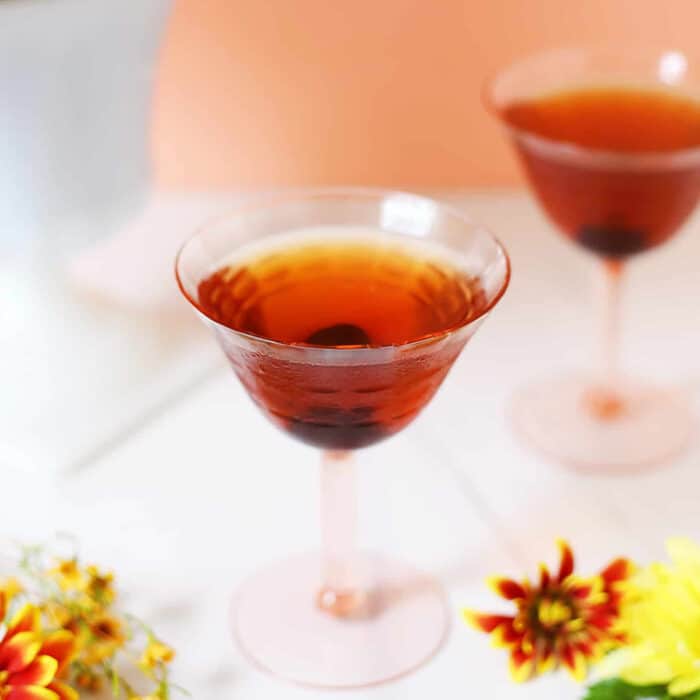
A perfectly diluted Manhattan will be silky smooth, ice-cold, and have a beautiful balance between the whiskey, vermouth, and bitters. It shouldn’t taste “watered down,” but rather “opened up.” As you stir, a small amount of water from the melting ice integrates with the spirits, mellowing the alcohol and enhancing the flavors. Strain the drink into your chilled coupe glass. Garnish with one (or two) Luxardo cherries. Don’t forget that cherry syrup in the bottom of the jar — a tiny bit of that can go in too if you like a slightly sweeter finish.
Can I Make a Great Manhattan with Budget Ingredients?
This is a common question, and I get it. Not everyone wants to drop $100 on ingredients for a single cocktail. The good news is, yes, you absolutely can make a solid Manhattan without breaking the bank. It won’t be a top-shelf experience, but it’ll still be miles better than a poorly made, expensive one.
What’s the absolute cheapest acceptable rye?
For rye, I’d point you to Old Overholt Straight Rye Whiskey. It typically runs around $20-25 for a 750ml bottle. It’s got a decent rye spice, a bit of fruit, and enough backbone to stand up to the vermouth. It’s not Rittenhouse or Bulleit, but it’s a perfectly respectable choice for a budget Manhattan. Avoid anything significantly cheaper; you’ll start hitting harsh, underdeveloped spirits that will ruin your drink.
Are there any decent budget sweet vermouths?
As I mentioned earlier, Cinzano Rosso is your best bet in the budget category, usually around $10-12. Just be hyper-vigilant about refrigerating it and using it quickly. A fresh, budget vermouth is always better than an old, expensive one. If you can stretch your budget slightly, upgrading to Dolin Rouge for around $15-20 makes a noticeable difference for not much more cash.
Can I skip the fancy bitters?
No. You really can’t. Angostura Aromatic Bitters ($8-12) are non-negotiable. They are inexpensive, last forever, and are fundamental to a Manhattan. Two dashes of Angostura are as crucial as the whiskey and vermouth. They tie everything together, adding complexity and depth that would otherwise be missing. Don’t even think about omitting them. They’re a tiny investment with a huge impact.
The Forgotten Factor: Glassware and Temperature
You’ve done all the work: selected great ingredients, stirred perfectly, garnished beautifully. Don’t drop the ball at the very end. The way you serve a Manhattan matters significantly to the drinking experience.
Why a Chilled Coupe Glass Matters
A Manhattan is meant to be served ice-cold, without ice in the glass (though some prefer it on a large, clear rock). Serving it in a chilled glass keeps the drink colder for longer, preventing rapid dilution and ensuring that every sip is as crisp and refreshing as the first. A coupe or Nick & Nora glass is ideal; their elegant shape presents the drink beautifully and feels substantial in your hand. Stick it in the freezer for at least 15 minutes before you start mixing. This simple step makes a world of difference.
The Art of the Single Large Ice Cube
If you prefer your Manhattan on the rocks, ditch the small, fast-melting cubes. Instead, opt for a single, large, clear ice cube or sphere. These melt much slower, diluting your drink gradually and keeping it colder for a longer duration without becoming watery. There are many ways to make clear ice at home, from using specialized molds to a simple cooler method. It’s a small detail, but it elevates the drink from good to truly excellent, showing you care about the craft. The presentation is also undeniably stunning.