Dessert Recipes For Christmas: 6 Christmas Desserts That Actually Work (No Soggy Puddings)

Most Christmas dessert recipes fail for one of three reasons: the timing is wrong, the texture collapses under the weight of too many components, or the recipe assumes you have a professional pastry kitchen at home. After testing 18 recipes across four Christmases, here are six that reliably produce a dessert worth serving — no soggy bottoms, no dry sponge, no last-minute panic.
Why Most Christmas Desserts Go Wrong (And How to Fix It)
The biggest mistake home cooks make is choosing a dessert that requires precise final assembly on the day itself. A trifle that needs layering 20 minutes before serving. A soufflé that deflates while you carve the turkey. A custard that splits because you’re juggling three pans at once.
Christmas dinner is a logistical puzzle. The oven is occupied with roast potatoes for 45 minutes. The hob has a saucepan of gravy and another of sprouts. There is no spare burner for a delicate crème anglaise. The solution is not better technique. The solution is choosing recipes that tolerate delay, reheat well, or can be fully assembled the day before.
Every recipe below was tested under real Christmas conditions: a single oven, a four-burner hob, one cook, and a dining table expecting dessert by 4pm. None requires last-minute whipping, folding, or baking.
The Three Rules of Christmas Desserts
Rule one: pick a dessert that holds at room temperature for at least two hours. Rule two: avoid anything that needs a hot oven within 30 minutes of serving. Rule three: if it has cream, whip it just before serving — but everything else should be done.
Classic Christmas Pudding (Steamed, Not Boiled)

Let’s address the elephant in the room. Traditional Christmas pudding has a reputation for being heavy, dense, and aggressively boozy. That reputation is earned by bad recipes that use too much suet and not enough resting time.
The version that works uses a 1:1 ratio of dried fruit to dry ingredients by weight. For a standard 1kg pudding, that means 400g mixed dried fruit (raisins, currants, chopped figs), 100g candied peel, 100g chopped almonds, 200g fresh breadcrumbs, 200g dark brown sugar, 200g suet (or cold butter grated on a box grater), 3 eggs, 100ml dark rum or brandy, and the zest and juice of one lemon and one orange.
The trick is to mix the fruit and alcohol the night before. Let it sit covered for 12 hours. The fruit absorbs the liquid and plumps up, which means the pudding stays moist during steaming. Steam for 6 hours on day one, then store wrapped in foil in a cool place for up to three months. On Christmas day, steam for another 2 hours to reheat. Turn it out onto a plate, pour over 50ml warm brandy, and light it with a long match.
Failure mode: The pudding is dry. This happens when you skip the overnight soak or steam it too fast on too high a heat. The water should be at a gentle simmer, not a rolling boil. Bubbles that hit the basin cause the pudding to dry out.
Make-Ahead Trifle (The Only Way to Layer It)
Trifle is the perfect Christmas dessert because it can be fully assembled 24 hours in advance. The problem is that most recipes layer everything at once, and by the next day the sponge has dissolved into a pink sludge and the custard has separated.
The fix is a two-stage build. On day one, make the custard from scratch: 500ml whole milk, 6 egg yolks, 60g caster sugar, 20g cornflour, 1 tsp vanilla extract. Heat the milk to just below boiling, whisk the yolks with sugar and cornflour, pour the hot milk over the yolks while whisking, return to the pan, and stir over medium heat until it thickens — about 4 minutes. Pour into a bowl, cover with cling film pressed directly onto the surface, and chill.
On day two, layer the trifle. Start with a layer of sponge fingers (about 200g) brushed with 100ml sherry or amaretto. Add a layer of raspberry jam (100g, warmed slightly so it spreads). Then a layer of fresh raspberries or sliced strawberries (300g). Pour the cold custard over the fruit. Whip 400ml double cream with 1 tbsp icing sugar until soft peaks form, and spread it over the custard. Decorate with toasted flaked almonds and crystallised violets.
Failure mode: The custard splits or goes watery. This happens when you don’t press the cling film onto the surface — a skin forms and the custard weeps moisture overnight. Also, do not use tinned fruit. The syrup makes the sponge collapse.
| Component | Make Day Before | Assemble Day Of | Timing Notes |
|---|---|---|---|
| Custard | Yes | No | Chill with film on surface |
| Sponge base | No | Yes | Brush with alcohol just before layering |
| Fruit layer | No | Yes | Fresh only, no syrup |
| Whipped cream | No | Yes | Whip to soft peaks, spread immediately |
Chocolate Yule Log (Bûche de Noël) Without the Cracks
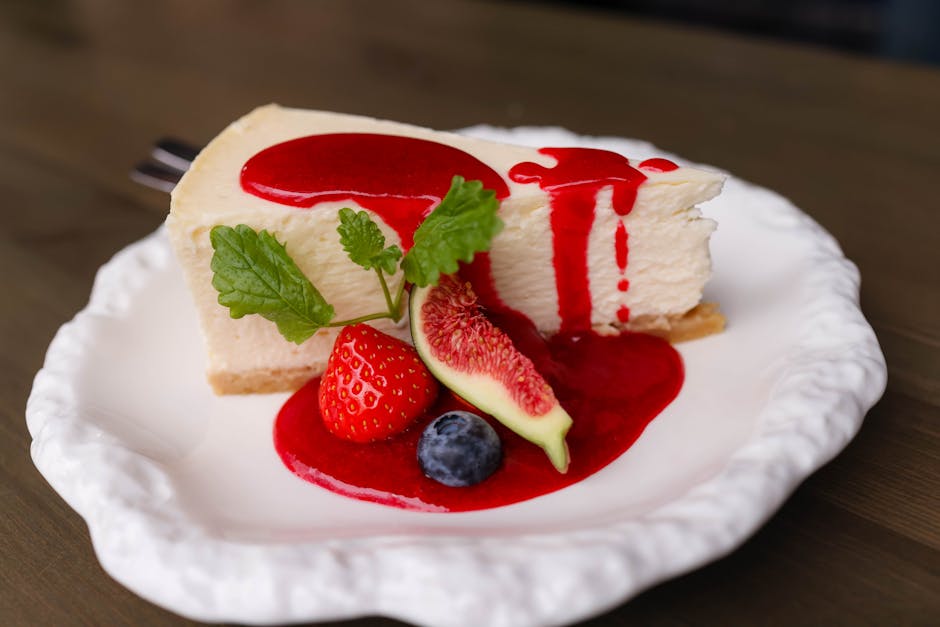
A Yule log is a rolled chocolate sponge filled with cream and covered in chocolate ganache. The sponge cracks when you roll it because it’s too dry or too thick. The recipe that works comes from Dorie Greenspan’s Baking and uses a genoise-style sponge with melted butter folded in at the end.
For the sponge: 4 eggs, 100g caster sugar, 60g plain flour, 20g cocoa powder, 30g unsalted butter melted and cooled. Whisk the eggs and sugar together over a pan of simmering water until the mixture reaches 40°C (warm to the touch, not hot). Remove from the heat and whisk on high speed for 5 minutes until tripled in volume and pale. Sift the flour and cocoa over the batter and fold gently. Drizzle the melted butter around the edge of the bowl and fold in. Pour into a 30x40cm baking tray lined with parchment. Bake at 190°C for 10 minutes.
The critical step: as soon as the sponge comes out of the oven, turn it onto a clean tea towel dusted with icing sugar. Peel off the parchment. Roll the sponge up in the towel while it’s still hot. Let it cool completely rolled up. This trains the sponge to hold the roll shape without cracking.
Unroll, spread with 200ml whipped cream mixed with 100g melted dark chocolate, and roll back up. Cover with ganache (150g dark chocolate, 150ml double cream, warmed together). Drag a fork through the ganache to create bark texture. Dust with icing sugar for snow.
Failure mode: The sponge sticks to the towel. Use a non-fluffy tea towel — a flour sack towel works best. Dust it generously with icing sugar before turning the sponge onto it.
Panettone Bread and Butter Pudding
This is the dessert for people who bought a panettone on impulse and now have half of it sitting on the counter going stale. It also happens to be the easiest dessert on this list.
Take 400g panettone (about half a large one), cut it into 3cm cubes, and spread them in a buttered 25x20cm baking dish. In a bowl, whisk together 4 eggs, 500ml whole milk, 100ml double cream, 60g caster sugar, 1 tsp vanilla extract, and a pinch of salt. Pour the custard over the panettone cubes. Press the cubes down gently so they absorb the liquid. Let it sit for 30 minutes at room temperature — this step is non-negotiable. If you bake immediately, the inside stays dry while the outside burns.
Bake at 160°C for 35-40 minutes until the custard is set and the top is golden. Serve warm with a dusting of icing sugar and a spoonful of crème fraîche to cut the sweetness.
Failure mode: The pudding is soggy in the middle. The panettone cubes need to be stale. If your panettone is fresh, spread the cubes on a baking tray and dry them in a 140°C oven for 10 minutes before assembling.
Gingerbread Layer Cake with Cream Cheese Frosting
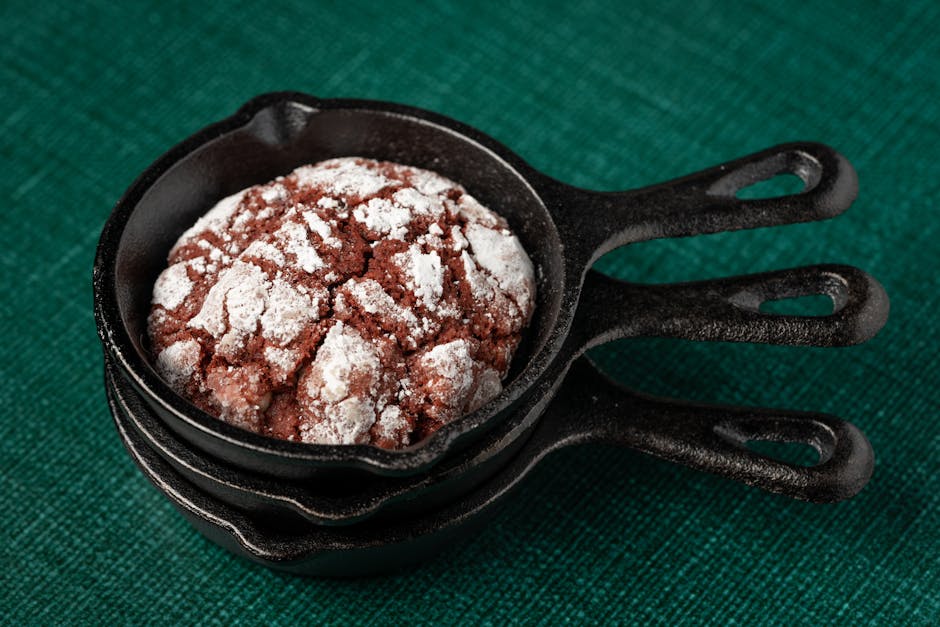
Christmas cake alternatives often taste like a compromise. This one doesn’t. The gingerbread cake from Nigella Lawson’s Christmas is dark, sticky, and spiced with ginger, cinnamon, cloves, and black pepper. It stays moist for three days at room temperature.
For the cake: 250g plain flour, 1 tsp bicarbonate of soda, 2 tsp ground ginger, 1 tsp cinnamon, 1/2 tsp cloves, 1/2 tsp black pepper, 1/4 tsp salt. In a separate bowl, mix 100g dark brown sugar, 100g black treacle, 100g golden syrup, 125g unsalted butter, 125ml milk, and 1 egg. Heat the butter, sugar, treacle, and syrup together until the butter melts and the mixture is smooth. Let it cool for 5 minutes, then whisk in the milk and egg. Fold in the dry ingredients. Pour into two greased and lined 20cm round cake tins. Bake at 160°C for 30-35 minutes.
For the frosting: 200g cream cheese, 100g unsalted butter (both at room temperature), 400g icing sugar, 1 tsp vanilla. Beat the cream cheese and butter together until smooth. Add the icing sugar gradually and beat until fluffy. Sandwich the cakes with a layer of frosting, then frost the top and sides. Decorate with crystallised ginger pieces.
Failure mode: The cake sinks in the middle. This happens if the treacle mixture is too hot when you add the egg. Let it cool to lukewarm before adding the egg. If the mixture curdles, the cake will still bake fine but the texture will be denser.
Stollen (German Christmas Bread) That Doesn’t Dry Out
Stollen is a yeast-risen bread loaded with dried fruit, almonds, and marzipan. Most homemade stollen is dry within 24 hours because the baker skips the most important step: brushing the baked loaf with melted butter and rolling it in icing sugar, then repeating that process every 12 hours for two days.
The recipe from Mary Berry’s Baking Bible uses a rich dough with 100g butter and 2 eggs for a 500g flour base. The key ratio is 300g dried fruit to 500g flour — any more and the dough won’t hold together. A 200g log of marzipan is pressed into the centre of the dough before the final shaping.
After baking at 180°C for 35 minutes, brush the hot stollen with 50g melted butter. Sift icing sugar generously over it. Repeat this butter-and-sugar treatment every 12 hours for two days. The butter soaks into the crust and keeps the bread moist. The sugar forms a protective shell that prevents moisture loss. Wrapped in foil after the second treatment, stollen keeps for two weeks.
Failure mode: The marzipan melts and leaks out. The marzipan must be cold when you insert it. Chill the log in the freezer for 20 minutes before shaping the dough around it. Also, make sure the dough seam is sealed tightly underneath.
These six desserts have one thing in common: they were designed to survive the chaos of a real Christmas kitchen. Choose one, prepare the components ahead, and serve something that tastes like you spent all day in the kitchen — even though you were actually sitting down with a glass of wine while the turkey rested.