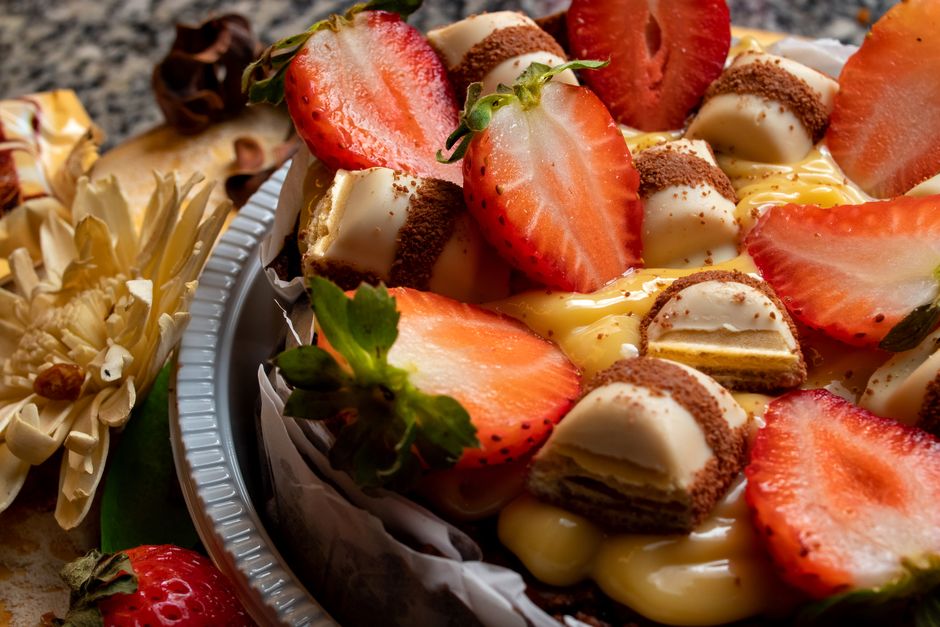
UK Dessert Recipes: 7 British Classics That Actually Work

British desserts earn their place through texture, contrast, and ingredients that are easy to find in a normal supermarket. This list focuses on recipes that give a clear result, show the likely cost, and explain what to do when the kitchen goes slightly off plan.
What makes a British dessert worth cooking?
The best UK dessert recipes solve a simple problem: they turn inexpensive pantry ingredients into something with a strong contrast between soft, crisp, rich, sharp, or cold. That balance matters more than decorative piping or expensive equipment. A good crumble needs juicy fruit under a crisp topping. A good pudding needs a moist sponge and a sauce that stays pourable.
Start with texture, not a shopping list
Before choosing a recipe, decide what the meal needs. A heavy Sunday roast calls for something sharp or light, such as lemon posset or berries with meringue. A cold evening suits a warm pudding with custard. This small decision prevents the common mistake of serving three rich elements together: buttery pastry, thick cream, and a dense filling.
Texture also tells you how far ahead to cook. Crumble topping can sit chilled for a day, while whipped cream and crushed meringue should meet shortly before serving. That timing protects the crisp parts and keeps the dessert from turning wet.
Set a budget before choosing the showpiece
A homemade dessert for six can cost between £4 and £9 when you use seasonal fruit and ordinary cupboard staples. The cost rises when a recipe needs chocolate, double cream, fresh berries, and several separate toppings. That does not make the expensive version better. For value, apple crumble and bread and butter pudding are hard to beat. For a celebration, sticky toffee pudding gives the strongest result from a modest ingredient list.
Bottom line: choose by the texture and serving moment first. The cheapest recipe is not useful if it leaves a rich meal feeling heavier.
Seven British desserts compared by time and cost
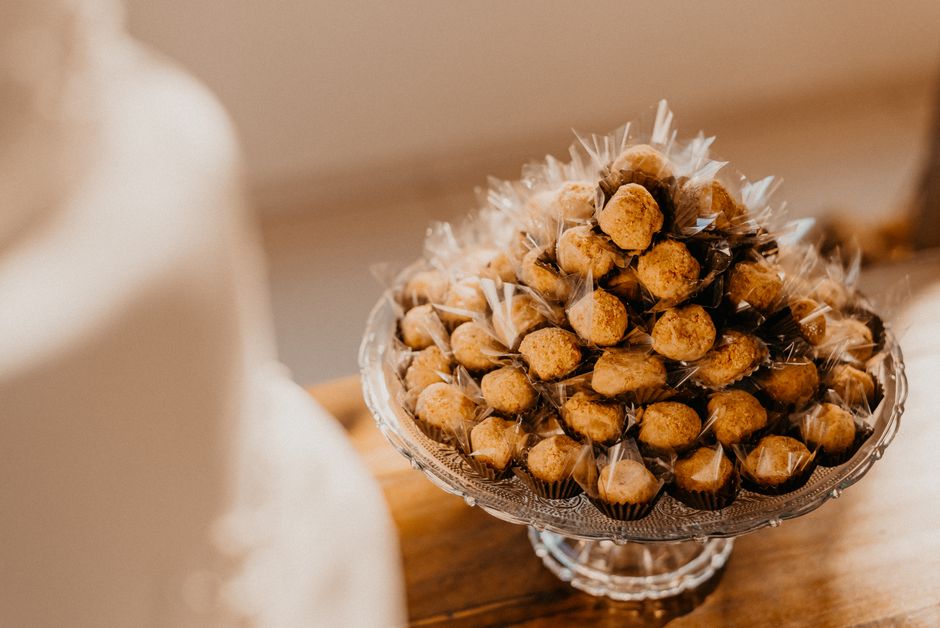
The table gives a practical starting point for four to six servings. Prices are typical UK supermarket estimates for basic ingredients, so seasonal fruit and local promotions can move the total. The figures exclude cupboard staples already on hand, such as salt, flour, and baking powder.
| Dessert | Active time | Total time | Estimated cost | Best use |
|---|---|---|---|---|
| Sticky toffee pudding | 25 minutes | 55 minutes | £7.80 | Warm dinner centrepiece |
| Apple crumble | 15 minutes | 50 minutes | £4.60 | Best-value family dessert |
| Eton mess | 15 minutes | 15 minutes | £7.20 | Fast summer serving |
| Lemon posset | 20 minutes | 4 hours | £5.50 | Make-ahead finish |
| Bread and butter pudding | 20 minutes | 60 minutes | £4.90 | Using leftover bread |
| Treacle tart | 30 minutes | 70 minutes | £6.30 | Traditional afternoon treat |
| Victoria sponge | 25 minutes | 55 minutes | £6.80 | Birthday or tea table |
Best value: apple crumble
Apple crumble wins on cost, flexibility, and tolerance. Bramley apples bring enough acidity to balance sugar, and the topping can absorb small measuring errors without collapsing. Add blackberries in autumn, replace part of the apple with pears, or use frozen fruit after checking that excess liquid has drained.
Fastest result: Eton mess
Eton mess is the quickest option, but it has a narrow serving window. The cream must be cold, the meringue must stay crisp, and the fruit should not release too much juice. It is a strong choice for a casual meal, not for a dessert that needs to sit on the table for an hour.
Bottom line: apple crumble is the safest all-round choice; lemon posset is the best make-ahead option; Eton mess is the speed winner.
Sticky toffee pudding is the strongest warm centrepiece
Sticky toffee pudding deserves its reputation because dates provide moisture, while the caramel sauce supplies the deep flavour that makes the sponge taste richer than its cost suggests. It is also easier to portion than a large tart. Bake one slab, cut six squares, and warm each portion as needed.
Bake a moist sponge without making it heavy
Use 175g pitted dates, 200ml boiling water, 1 teaspoon bicarbonate of soda, 75g softened butter, 140g light brown sugar, 2 eggs, 175g self-raising flour, and 1 teaspoon baking powder. Pour the boiling water over the dates and soda for 10 minutes, then mash lightly. The mixture should keep small pieces of date rather than becoming a smooth paste.
Beat the butter and sugar until combined, add the eggs one at a time, then fold in the flour and date mixture. Bake in a lined 20cm square tin at 180°C for about 28 to 32 minutes. The centre should spring back when pressed. A wet skewer means the sponge needs more time; a completely dry skewer usually means the pudding has gone too far.
Make the sauce thick enough to cling
Simmer 100g butter, 150g dark brown sugar, and 200ml double cream for 3 to 4 minutes. Stop when the sauce coats the back of a spoon. It will thicken further as it cools, so do not keep boiling until it looks like toffee in the pan. That creates a sauce that turns stiff on the plate.
For the clearest verdict, serve the pudding warm with sauce and cold vanilla ice cream. Custard works too, but ice cream gives a better hot-cold contrast. This is the best British dessert here for a dinner party because the sponge reheats well and the sauce hides small visual imperfections.
Apple crumble and Eton mess solve different problems
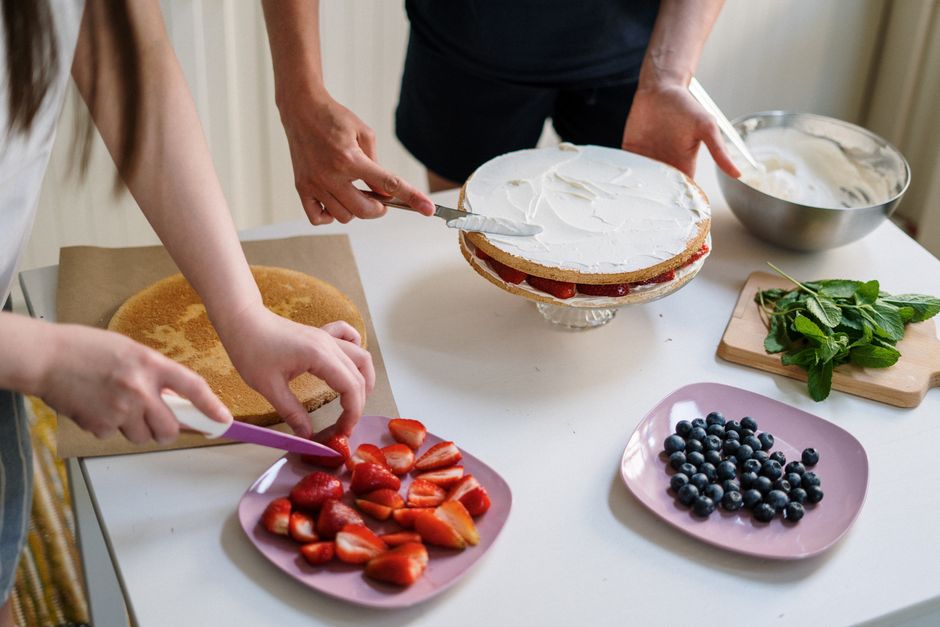
These two desserts often appear together in searches for easy British sweets, but they should not compete for the same occasion. One is a baked, comforting dish. The other is a fast assembly of cream, fruit, and meringue. Pick the one that matches the time available and the weight of the main meal.
Choose apple crumble when reliability matters
- Peel and slice 700g Bramley apples, then toss them with 50g caster sugar, 1 tablespoon lemon juice, and 1 teaspoon cinnamon.
- Rub 120g cold butter into 180g plain flour and 90g demerara sugar until the mixture forms rough crumbs.
- Put the apples in a 1.5-litre baking dish, cover with the topping, and bake at 180°C for 35 minutes.
- Rest for 10 minutes before serving so the fruit juices thicken instead of running across the plate.
Do not pack the topping down. Loose crumbs create more crisp edges, while a compressed layer becomes dense and pale. Add oats only when you want extra chew; they can make the topping feel dry if the butter is reduced.
Choose Eton mess when the oven is already busy
Use 600ml cold double cream, 250g strawberries, and 100g broken meringue. Whip the cream to soft peaks, fold in half the fruit, then layer the mixture with the remaining berries and meringue. Add the meringue just before serving. The dessert should look untidy, but each spoonful still needs cream, fruit, and crisp sugar.
Bottom line: crumble is the better family recipe and the safer make-ahead bake. Eton mess is the better last-minute dessert when speed matters more than neat presentation.
Which branded ingredients earn their shelf space?
My pick is to spend on butter and syrup, then save on sugar and custard. Brand names do not automatically improve a dessert, but a few ingredients affect flavour and texture enough to justify a small premium. These are pantry choices, not affiliate recommendations, and prices vary by supermarket.
Pay extra for ingredients that carry the flavour
Lurpak Slightly Salted Butter, 250g at about £2.75, gives a clean dairy flavour and is easy to cream into sponge mixtures. It is not essential, but it performs predictably in cakes and shortcrust pastry. Tate & Lyle Golden Syrup, 454g at about £2.50, is a useful buy for treacle tart, flapjacks, and sticky puddings because its thick texture stays consistent in a warm pan.
These products earn their place when the ingredient is a major part of the final taste. A cheap butter with a strong water content can make pastry softer and less crisp. A thin syrup can force you to simmer longer, increasing the chance of burning.
Save money on supporting ingredients
Billington’s Light Muscovado Sugar, 500g at about £2.30, works well, but a supermarket own-brand soft brown sugar usually delivers the same result in a sauce. Bird’s Original Custard Powder, 300g at about £2.00, is convenient for a quick custard, yet flour, egg yolks, milk, and sugar make a richer version when time allows.
Do not buy five different sugars for one recipe. Caster sugar is fine for most cakes, demerara adds crunch to a crumble, and dark brown sugar brings depth to sticky sauce. That small set covers most British desserts without leaving half-used packets in the cupboard.
Why British desserts fail in home ovens
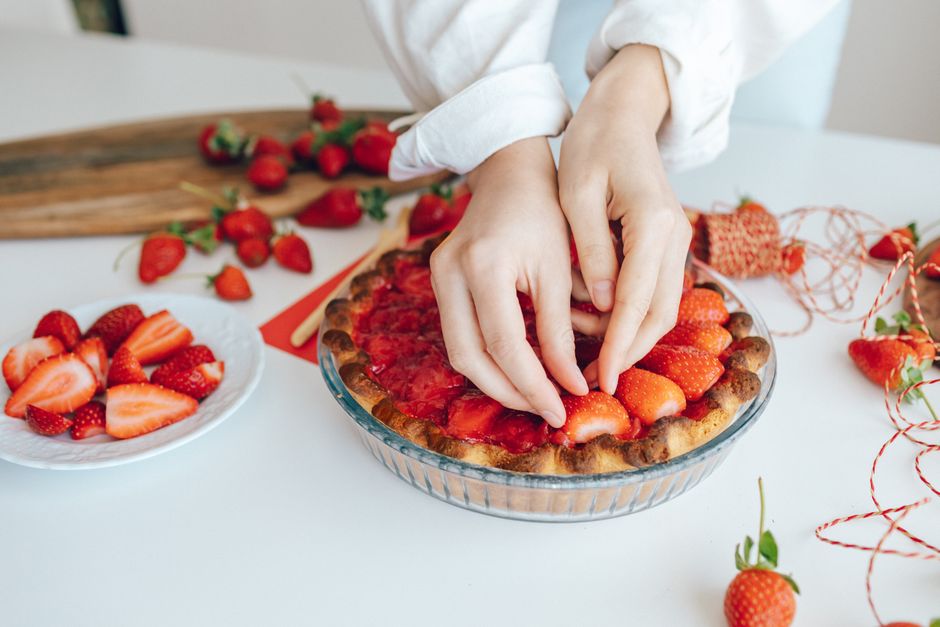
Most failures come from timing and temperature rather than a missing secret ingredient. A reliable recipe still needs a few checks before it goes into the oven.
Why is my crumble soggy?
Usually the fruit released too much liquid or the dish was covered. Use a wide baking dish, leave the top uncovered, and rest the dessert before serving. Frozen fruit needs a little extra flour or cornflour because it releases water as it heats. A topping that looks pale after 35 minutes needs more oven time, not a higher temperature that burns the edges.
Why did my sponge sink?
Common causes include opening the oven early, adding cold eggs to very soft butter, or mixing the flour for too long. Keep the oven closed for the first 20 minutes. Add eggs gradually and fold the flour only until no dry streaks remain. If the centre sinks but the edges are cooked, the batter probably needed another 5 minutes.
Why did my custard turn thin or lumpy?
Heat is the problem. Egg-based custard thickens gently, so keep the pan over low heat and stir constantly. If it becomes lumpy, pass it through a sieve while hot. Powdered custard needs a smooth cold slurry before hot milk is added. Boiling either version can create a grainy texture.
Another frequent mistake is serving everything at the same temperature. Warm pudding with cold cream, chilled posset with a crisp biscuit, and hot crumble with cool custard create contrast. That contrast often matters more than another spoonful of sugar.
A 90-minute plan for serving a British dessert
A short schedule removes most of the stress. The order below suits a warm pudding, but the same principle works for crumble: prepare the parts that tolerate waiting first, then finish the fragile textures last.
Prepare the parts that can wait
At minute zero, weigh every ingredient and heat the oven. Mix the crumble topping or make the sponge batter by minute 15. Put the dessert in the oven by minute 25. While it bakes, make the sauce, wash the fruit, and clear the serving plates. This is faster than trying to clean the kitchen after the dessert has finished.
At minute 55, test the centre and rest the bake. Reheat sauce gently rather than boiling it. If using custard, make it last and keep it warm in a jug, not on a hot hob.
Know when not to buy more equipment
A basic 20cm tin, a large bowl, a whisk, and a baking dish cover nearly every recipe here. Buying a specialist pudding basin for one meal is poor value. If a £20 tin goes on a card at 24.9% to 39.9% APR and attracts a £0 to £12 late fee, the cheap dessert has become an expensive purchase. This is not financial advice; use equipment already in the cupboard unless a new item solves a repeated problem.
Final verdict: choose apple crumble for value, sticky toffee pudding for a warm centrepiece, lemon posset for advance preparation, and Eton mess when the oven and clock are against you.