
Vertical Storage Small Bedroom Smart Furniture: Vertical Storage Hacks for Small Bedrooms Using Smart Furniture

In a 10×10 bedroom, the floor takes up 100 square feet. The walls? Over 300 square feet of unused real estate. Most people only use the bottom third of that vertical space. Smart furniture changes that math entirely.
Why Vertical Space Matters More Than Square Footage
Small bedrooms feel cramped because we treat them like tiny versions of big rooms. We put a bed, a dresser, and a nightstand on the floor. That leaves zero room to move.
Vertical furniture shifts storage from the ground to the walls. A tall dresser like the IKEA MALM 6-drawer chest ($199, 63 inches tall) holds the same volume as a low 8-drawer model but takes up half the floor footprint. The same goes for shelves, desks, and beds.
The math is simple: every inch of wall height you use is an inch of floor space you save. A loft bed alone can free up 25-30 square feet of floor area in a single move.
Loft Beds: The Single Biggest Space Saver
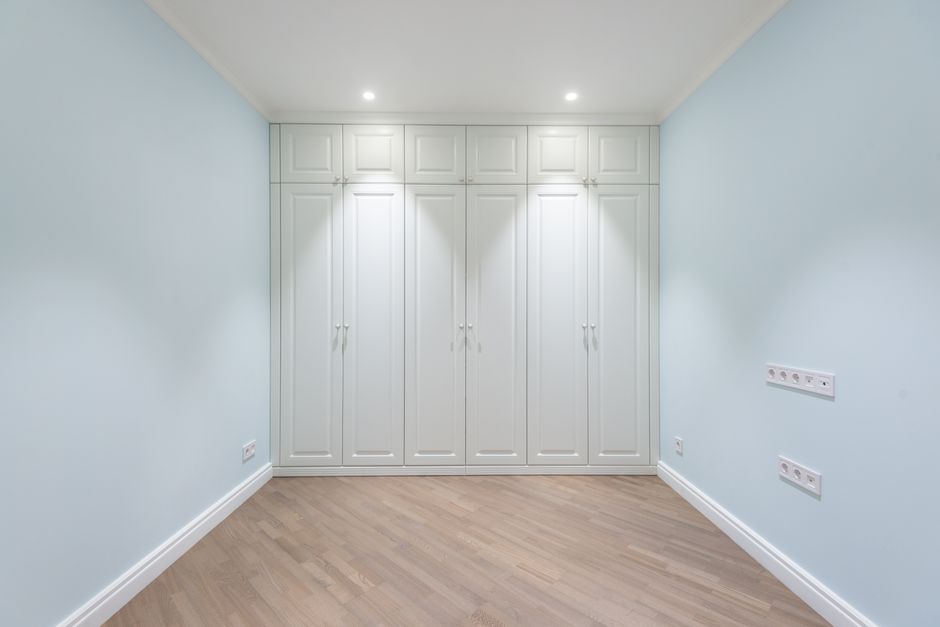
A standard bed frame wastes the entire area above and below it. A loft bed lifts the mattress to 5-6 feet, creating a usable room underneath.
IKEA STUVA loft bed frame ($299) includes built-in shelves, a desk, and a wardrobe underneath. It transforms a 12×12 room into a functional studio. The West Elm Mid-Century Loft Bed ($1,299) is pricier but adds a clean design that fits adult spaces, not just kids’ rooms.
Key specs to check before buying:
- Ceiling height: You need at least 8 feet. Measure from floor to ceiling, subtract bed height (usually 60-70 inches). The remaining space under the bed should be at least 48 inches for comfortable sitting.
- Mattress thickness: A 12-inch mattress on a 65-inch loft leaves 53 inches below. That’s tight for a desk chair unless you buy a low-profile mattress (8 inches or less).
- Weight limit: Most loft beds support 250-300 pounds. Heavier adults should look at steel frames like the DHP Junior Loft Bed ($199, 400-pound capacity).
Wall-Mounted Desks That Fold Away
Desks are the biggest floor-space killers in small bedrooms. A 48×24 desk takes up 8 square feet you could use for walking or yoga. A wall-mounted fold-down desk solves that.
The IKEA NORBERG wall-mounted drop-leaf table ($39.99) folds flat against the wall when not in use. Extended, it provides a 31-inch wide workspace. It supports up to 22 pounds — enough for a laptop and a notebook, not a full desktop setup.
For heavier use, the Wallniture Brooklyn Floating Desk ($89.99) mounts with four heavy-duty brackets and holds 100 pounds. It stays fixed, not folding, but the wall mount frees all floor space below. Pair it with a wall-mounted shelf above for monitor risers.
Installation tip: Use toggle bolts for drywall anchors, not plastic screw anchors. A 30-pound desk with a laptop needs at least four toggle bolts rated for 50+ pounds each. Skip the included hardware if it looks flimsy.
Tall Dressers vs. Wide Dressers: A Simple Tradeoff
| Dresser Type | Example Model | Floor Footprint | Storage Volume | Best For |
|---|---|---|---|---|
| Tall (63 inches) | IKEA MALM 6-drawer | 31×19 inches | 6 drawers, 3.2 cubic feet each | Narrow wall space |
| Wide (48 inches) | IKEA KALLAX 4×4 shelf | 48×16 inches | 16 cubes, 1.5 cubic feet each | Open storage, display |
| Extra-tall (72 inches) | Article Sven Tall Dresser | 32×20 inches | 8 drawers, 2.8 cubic feet each | Maximum vertical use |
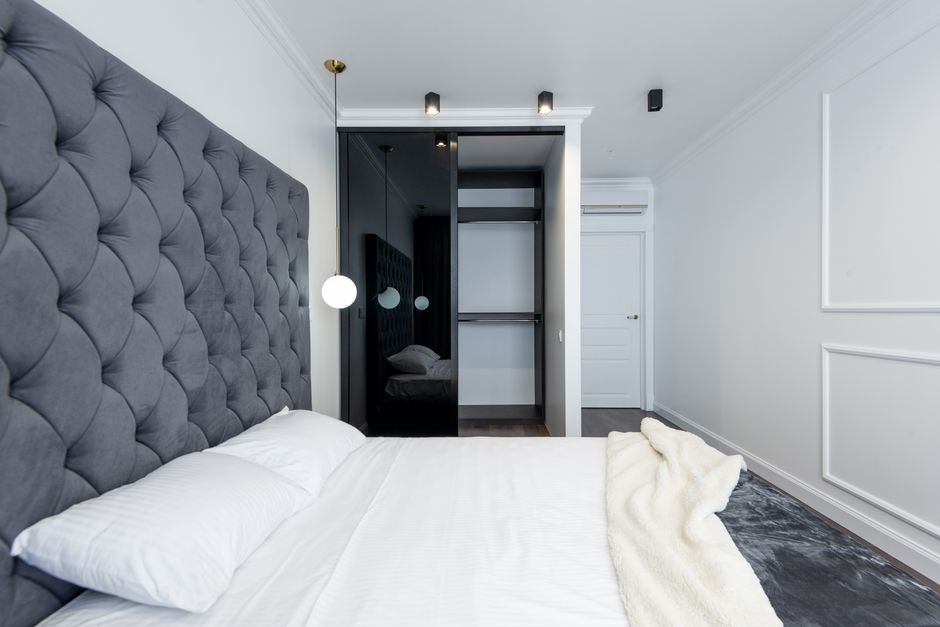
Go tall if you have a narrow wall next to a door or window. Go wide if you have a long wall and want open shelving for decor. Mix both if space allows — a tall dresser for clothes, a wide shelf unit for books and plants.
Mistake to avoid: Don’t buy a tall dresser that blocks a window or light switch. Measure window height from floor. A 63-inch dresser under a 48-inch window blocks half the glass. That kills natural light and makes the room feel smaller.
Over-the-Door Organizers That Actually Work
Over-the-door storage gets a bad reputation because cheap plastic versions sag and break. But the right one solves shoe, accessory, and cleaning supply storage without touching floor space.
The Honey-Can-Do 36-pocket over-the-door organizer ($24.99) fits standard 32-inch doors and holds up to 40 pounds. Each pocket handles a pair of shoes or a rolled towel. The hooks are metal, not plastic, so they don’t snap after three months.
For deeper storage, the SimpleHouseware 6-pocket over-the-door shelf ($29.99) holds toiletries, small electronics, or folded jeans. It’s 3 inches deep per pocket — enough for a tablet or a small book.
When NOT to use over-the-door storage: Hollow-core doors (common in apartments) can’t handle more than 15-20 pounds without cracking. Check your door type by knocking — a hollow sound means skip the heavy organizer. Solid wood or metal doors are fine up to 50 pounds.
Corner Shelves: The Dead Space You’re Ignoring
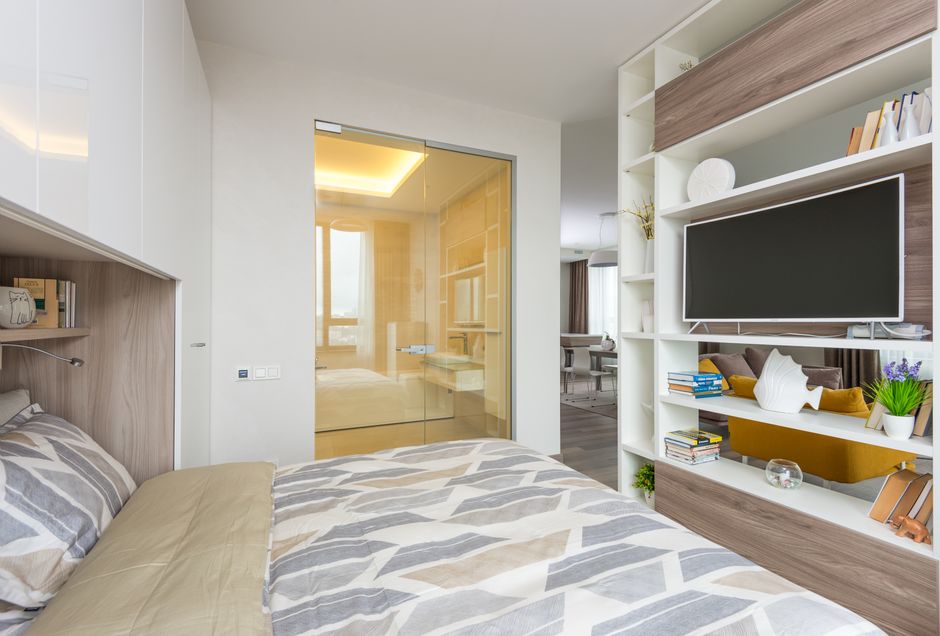
Corners are wasted in most bedrooms. A standard shelf unit leaves a gap at the wall. A corner shelf fits flush and uses space that’s otherwise empty.
The IKEA MOSSLANDA picture ledge ($19.99 per pair) mounts in corners to hold frames, small plants, or a tablet. Each ledge supports 11 pounds. Three ledges stacked vertically create a mini gallery wall with zero floor footprint.
For heavier storage, the VASAGLE corner shelf unit ($39.99) has five tiers and holds 30 pounds total. It’s 12 inches wide per shelf — enough for books, folded sweaters, or a small lamp. The assembly takes 20 minutes with an Allen wrench.
Pro tip: Install corner shelves at different heights. A low shelf (12 inches from floor) for shoes, a middle shelf (36 inches) for books, a high shelf (60 inches) for decor. That creates three storage zones in one corner.
What NOT to Do: Three Common Vertical Storage Mistakes
1. Overloading wall anchors. A floating shelf rated for 20 pounds will fail if you put 30 pounds of books on it. Use a stud finder. Mount into wood studs whenever possible. If you must use drywall anchors, use toggle bolts rated for 2x the load.
2. Blocking airflow or vents. A tall dresser placed in front of a floor vent redirects heat or AC into the back of the furniture. That wastes energy and can warp wood over time. Leave at least 4 inches of clearance around vents.
3. Ignoring ceiling height. A 72-inch tall bookcase in a room with 8-foot ceilings leaves only 24 inches of headspace above. That looks cramped. Leave at least 12 inches of wall visible above any tall furniture piece to keep the room feeling open.
Bottom line: Vertical storage works when every piece has a purpose and a proper mount. Pick furniture that matches your ceiling height, door type, and wall construction. A loft bed, a tall dresser, and a wall-mounted desk can double your usable space for under $600 total.