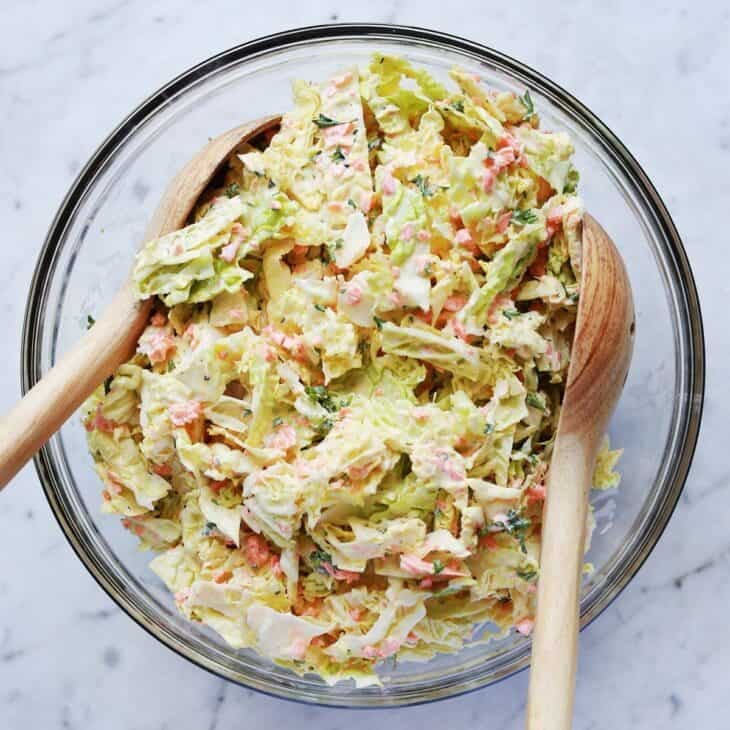
Coleslaw

Want to whip up fresh, crisp coleslaw at home but feel intimidated by the prep work? You’re probably thinking about all that tedious chopping and grating. Good news: with the right tools, making homemade coleslaw is a breeze. Forget the pre-shredded bags that lack flavor and cost more. Getting the perfect texture for your cabbage and carrots just needs a few key pieces of kitchen gear.
Why Bother Making Coleslaw From Scratch?
Store-bought coleslaw often disappoints. It can be overly sweet, too creamy, or just plain soggy. When you make it yourself, you control every single ingredient. This means superior flavor, better texture, and avoiding any unwanted additives. Plus, it’s surprisingly cost-effective.
Flavor Control and Freshness
The biggest payoff of homemade coleslaw is the ability to customize its taste profile. Do you prefer a tangy vinegar dressing or a rich, creamy one? Maybe a hint of spice? You decide. Using fresh cabbage and carrots means a vibrant, crisp texture that pre-packaged versions just can’t match. The moment you shred that cabbage, its natural sugars and flavors are at their peak. Store-bought coleslaw often sits for days, losing its crunch and developing a duller taste. Freshness isn’t just a buzzword here; it’s a for your side dish.
Avoiding Common Additives
Take a look at the ingredient list on most supermarket coleslaws. You’ll often find high-fructose corn syrup, artificial preservatives, and stabilizers. When you make it yourself, you’re using simple, wholesome ingredients: fresh vegetables, mayonnaise (or yogurt), vinegar, a touch of sugar or honey, and salt and pepper. No hidden chemicals. This is especially important if you have dietary restrictions or prefer to eat clean. It’s about knowing exactly what’s going into your body.
Cost Savings Over Store-Bought
A head of cabbage costs around $2-$4. A few carrots cost less than a dollar. Add in some basic pantry staples for the dressing, and you’ve got a large batch of coleslaw for a fraction of the price of a small container from the deli. For example, a 16-ounce container of pre-made coleslaw can run you $5-$7, while a whole head of cabbage and a bag of carrots will yield significantly more for roughly the same price. This isn’t just about saving money in the short term; it’s about getting more value and quality for every dollar spent on your groceries.
Your Essential Gear for Perfectly Sliced Cabbage
Getting that finely shredded cabbage is crucial for great coleslaw. You have a few solid options, but my top recommendation goes to the mandoline slicer for its speed and consistent results.
The Mandoline Slicer: Precision and Speed
For consistent, thin shreds of cabbage and carrots, a mandoline slicer is unmatched. It’s faster than a knife and delivers uniform pieces, which means your coleslaw will have a better texture throughout. Look for one with adjustable thickness settings and a safety guard. A good entry-level mandoline, like the OXO Good Grips V-Blade Mandoline Slicer, typically costs around $40-$50. It’s worth the investment for how quickly it handles large vegetables.
Food Processors: For Batch Work
If you’re making huge batches of coleslaw for a party, a food processor with a shredding disc is your best friend. It can power through an entire head of cabbage in seconds. The downside? The shredding might be less precise than a mandoline, sometimes producing slightly chunkier or uneven pieces. A Cuisinart 11-Cup Food Processor, which includes shredding discs, usually retails for about $180-$250. This is a versatile kitchen appliance, so if you already own one, it’s a great option for coleslaw prep.
Good Knives: The Budget Choice
Yes, you can absolutely make coleslaw with just a sharp chef’s knife. It takes more time and knife skills to get thin, even shreds, but it’s completely doable. A 8-inch Wüsthof Classic Chef’s Knife costs around $150, but a F. Dick ErgoGrip Chef’s Knife offers great performance for about $50-$70. The key here is a truly sharp blade. If you’re only making small batches or just starting out, your trusty knife is sufficient. Just remember to take your time and slice as thinly as possible.
The Biggest Mistake Home Cooks Make
The single biggest mistake in homemade coleslaw? Not drying your cabbage enough after washing. Excess water dilutes the dressing, leading to a watery, bland, and ultimately soggy mess. Don’t skip this critical step.
Choosing the Right Mixing Bowl and Utensils
Beyond slicing, the right tools for mixing and storage make a real difference in your coleslaw experience. You need space and the right materials to bring everything together.
Bowl Size and Material
When mixing coleslaw, you need a surprisingly large bowl. Cabbage takes up a lot of volume before it wilts. Opt for a mixing bowl that’s at least 5-quart, preferably 7-quart, to give yourself enough room to toss everything without spilling. Stainless steel bowls are excellent because they’re lightweight, durable, and don’t retain odors. A set of three stainless steel bowls (3-quart, 5-quart, 7-quart) from brands like Pyrex or KitchenAid typically costs $30-$50. Glass bowls are also an option, but they’re heavier and can break.
Whisks and Spatulas
For the dressing, a balloon whisk is ideal for emulsifying oil-based dressings or smoothing out creamy ones. You want a whisk with sturdy wires that can handle thicker liquids without bending. A silicone spatula is perfect for scraping down the sides of your bowl to ensure all dressing is incorporated and for gently folding ingredients. A good quality silicone spatula from OXO or Le Creuset costs around $10-$15. Avoid flimsy plastic utensils that might snap under the weight of a large batch of vegetables.
Airtight Storage for Leftovers
Homemade coleslaw is best eaten fresh, but it can last a few days in the refrigerator if stored correctly. Invest in airtight containers. Glass containers, like those from Pyrex or Glasslock, are excellent because they don’t stain or retain odors. A set of glass containers (various sizes) typically runs $30-$60. For plastic, look for BPA-free options with secure locking lids. This keeps air out and prevents your coleslaw from oxidizing and wilting prematurely. Make sure the container is just large enough to hold the coleslaw without too much empty space, which can also contribute to spoilage.
Dressing Up Your Coleslaw: Oil, Vinegar, or Creamy?
What’s the best oil for a vinaigrette-based coleslaw?
For a tangy, vinaigrette-based coleslaw, a neutral-flavored oil is usually best. Think grapeseed oil, canola oil, or a light olive oil. These oils won’t overpower the fresh taste of the cabbage and carrots. Extra virgin olive oil can be too strong and bitter for some palates in a coleslaw dressing. The goal is a clean, bright flavor that complements the vegetables, not one that dominates. A good quality grapeseed oil typically costs about $10-$15 for a 32-ounce bottle.
How do I prevent creamy coleslaw from getting watery?
The key to preventing watery creamy coleslaw is twofold: first, ensure your vegetables are thoroughly dry before mixing. Use a salad spinner or paper towels. Second, consider a slightly thicker mayonnaise or adding a touch of sour cream or Greek yogurt to the dressing. Some people even salt the cabbage lightly and let it sit for 15-30 minutes, then rinse and dry it completely. This draws out excess moisture before dressing. Remember, the dressing will thin slightly over time as the salt draws water from the vegetables, so start with a dressing that feels slightly thicker than you think you need.
Can I make a healthy coleslaw dressing without mayonnaise?
Absolutely. You can create delicious and healthy dressings without mayo. Greek yogurt is an excellent substitute, offering a creamy texture with a protein boost and fewer calories. Mix it with apple cider vinegar, a touch of honey or maple syrup, Dijon mustard, and salt and pepper. Another option is a simple vinaigrette: whisk together olive oil, white wine vinegar or apple cider vinegar, a squeeze of lemon juice, and seasonings. These alternatives keep the flavor bright and fresh without the heaviness of traditional mayonnaise.
Top Mandoline Slicers for Coleslaw Prep
Here’s a quick comparison of some popular mandoline slicers that excel at shredding for coleslaw. Each offers a balance of safety, precision, and ease of use.
| Product Name | Key Features | Approx. Price (2026) | Why It’s Great for Coleslaw |
|---|---|---|---|
| OXO Good Grips V-Blade Mandoline Slicer | V-shaped stainless steel blade, 4 thickness settings, soft-grip handle, non-slip feet, food holder. | $45-$55 | Consistent, clean cuts for cabbage and carrots. Easy to adjust thickness. Safe to use with the food holder. |
| Mueller Austria Multi-Blade Adjustable Mandoline | 5 interchangeable blades (shred, slice, julienne), adjustable thickness dial, safety glove included, food holder. | $25-$35 | Great value for multiple slicing options. Shredding blade works well for coleslaw. Comes with extra safety features. |
| Kyocera Advanced Ceramic Adjustable Slicer | Ceramic blade (stays sharp longer), 4 thickness settings, corner notch for bowl placement, handguard. | $20-$30 | Extremely sharp ceramic blade for effortless slicing. Lightweight and compact. Excellent for small to medium batches. |
Prepping and Storing Your Coleslaw for Best Taste
Even with the best tools, proper technique for washing, drying, and storing your coleslaw ensures it stays crisp and delicious. Don’t let your efforts go to waste with poor handling.
The Right Way to Wash and Dry Cabbage
Start by removing any bruised or dirty outer leaves from your head of cabbage. Cut the cabbage into quarters and remove the tough core. Rinse the quarters thoroughly under cold running water. This washes away any dirt or debris. The absolute most important step here is drying. Excess water is the enemy of crisp coleslaw. After rinsing, either use a salad spinner to get rid of as much water as possible (this is the most effective method), or pat the cabbage dry with clean kitchen towels or paper towels until it feels completely dry to the touch. Seriously, dry it. Let it air dry for a few minutes on a clean towel if you have time. This prevents your dressing from becoming watery.
How Long Does Homemade Coleslaw Last?
Homemade coleslaw, when stored correctly in an airtight container in the refrigerator, is best consumed within 2-3 days. After that, the cabbage will start to soften, and the dressing can begin to separate, leading to a less appealing texture. If your coleslaw contains mayonnaise, it’s crucial to keep it refrigerated below 40°F (4°C) to prevent bacterial growth. Never leave mayonnaise-based coleslaw out at room temperature for more than two hours, especially in warm weather. Plan your batch size according to how quickly you expect to eat it.
Troubleshooting Too-Soggy Coleslaw
If your coleslaw turns out soggy, the primary culprit is usually insufficient drying of the cabbage or dressing it too far in advance. To fix an already soggy batch (to some extent), you can try adding more fresh, dry shredded cabbage or carrots to absorb some of the excess moisture. For future batches, always ensure your cabbage is bone-dry. Also, consider dressing the coleslaw no more than 30 minutes to an hour before serving. This allows the flavors to meld without the vegetables becoming overly soft. If you need to prep ahead, keep the shredded vegetables and the dressing separate, then combine just before serving. This ensures maximum crunch and freshness.