How to Make Creamy Homemade Ricotta Cheese Step by Step

Why Make Ricotta Cheese at Home?
Making creamy homemade ricotta cheese is a game-changer in the kitchen. Compared to store-bought ricotta, homemade ricotta offers a fresher taste, smoother texture, and a richer, more natural flavor. Store versions often contain preservatives and stabilizers that affect both taste and consistency, while your homemade fresh ricotta from milk can be customized to your liking.
Homemade vs Store-Bought Ricotta
| Feature | Homemade Ricotta | Store-bought Ricotta |
|---|---|---|
| Texture | Creamy, soft, easily adjustable | Usually grainy or dense |
| Taste | Fresh, milky, delicate | Often bland or slightly sour |
| Freshness | Made and used within hours | Longer shelf life but less fresh |
| Additives | None, just milk, cream, acid | Often contains stabilizers |
Benefits of Making Ricotta at Home
- Cost-effective: Using simple ingredients, it costs much less than premium store ricotta.
- Customizable creaminess: Add heavy cream for extra richness or adjust draining for desired thickness.
- No additives or preservatives: Pure, wholesome, and natural.
- Fun and rewarding: Experience the joy of turning everyday ingredients into fresh cheese.
Common Uses for Homemade Ricotta
Homemade ricotta shines in many dishes — from creamy spreads and savory appetizers to classic Italian lasagna, pasta fillings, and luscious desserts.
Try it for:
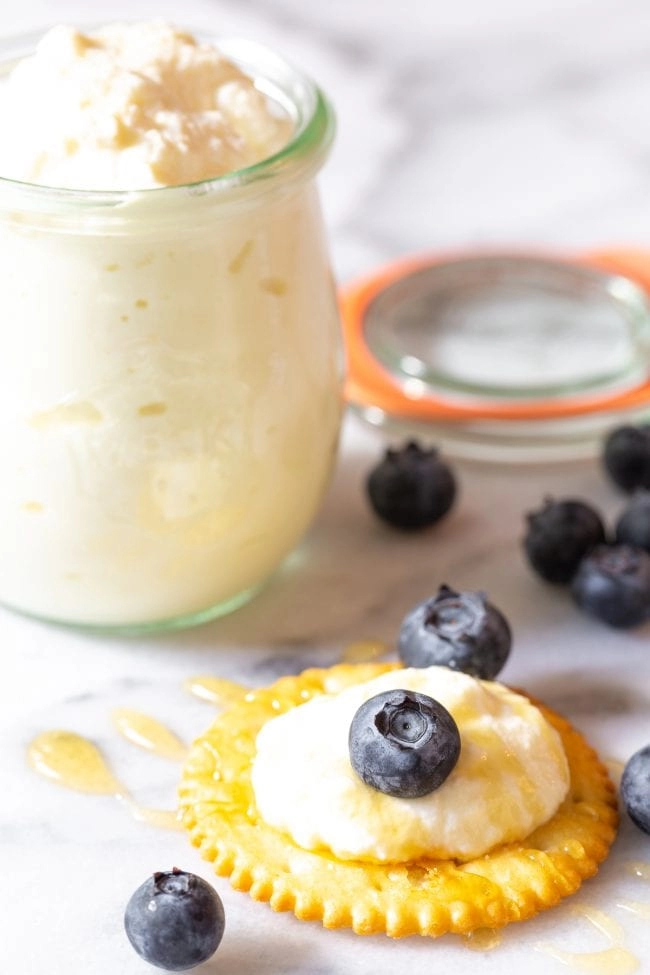
- Whipped ricotta spreads on toast or crackers
- Filling for stuffed pasta like ravioli or manicotti
- Rich layers in lasagna
- Sweet treats like cheesecake or cannoli filling
Making fresh ricotta from milk at home unlocks endless delicious possibilities!
Ingredients Needed for Creamy Homemade Ricotta
To make creamy homemade ricotta cheese, you’ll need just a few simple ingredients: whole milk, heavy cream, an acid like lemon juice or vinegar, and salt. Whole milk is the base, providing richness and body, while adding heavy cream is key for that extra creamy texture that sets your ricotta apart from store-bought versions.
Recommended Ratios
- Whole milk: 4 cups
- Heavy cream: 1 cup (optional but highly recommended for creaminess)
- Acid (lemon juice or vinegar): 3 tablespoons
- Salt: ½ teaspoon
The heavy cream plays a crucial role—it increases fat content, resulting in a buttery, smooth ricotta. If you skip heavy cream, your ricotta will still form but be less rich and slightly grainier.
Substitutions and Tips
- Use fresh, non-ultra-pasteurized whole milk if possible. Ultra-pasteurized milk often fails to curdle properly, leading to disappointing results.
- If you want a lower-fat option, you can reduce or omit heavy cream, but expect a firmer ricotta with less creaminess.
- Lemon juice and vinegar both work well as acids, though lemon juice gives a slightly brighter, fresher flavor.
Using these core ingredients and correct ratios ensures your fresh ricotta from milk turns out perfectly creamy every time.
Equipment You’ll Need for Creamy Homemade Ricotta
To make creamy homemade ricotta cheese, you’ll need just a few basic tools. Start with a large pot to gently heat your whole milk and heavy cream mixture without crowding. A thermometer is key for accuracy—ricotta turns out best when the milk reaches about 190°F (88°C), so you avoid overheating or underheating.
For straining, use cheesecloth or a very fine mesh strainer to separate the delicate ricotta curds from the whey. If you don’t have cheesecloth, a clean, thin kitchen towel or multiple layers of paper towels can work as alternatives, though they might slow down draining slightly. A slotted spoon will help you scoop out the curds gently without breaking them too much.
Having these simple tools on hand makes the process smooth and ensures your fresh ricotta from milk develops the perfect creamy texture.
Step-by-Step Instructions for Making Creamy Homemade Ricotta Cheese
Making creamy homemade ricotta cheese is straightforward if you follow each step carefully. Here’s how to get fresh ricotta from whole milk and cream with great texture and flavor:
Step 1: Heating the Milk and Cream Mixture
Pour your whole milk and heavy cream into a large pot. Slowly heat the mixture over medium heat until it reaches about 185°F (85°C). Stir occasionally to prevent scorching. Heating gently helps the proteins prepare for curd formation without breaking down.
Step 2: Adding the Acid and Forming Curds
Once the milk and cream are hot, remove the pot from heat and stir in your acid—either lemon juice or vinegar. This will cause the milk to curdle, separating into curds and whey. You should see the liquid turn cloudy and the solid white curds beginning to form within a few minutes.
Step 3: Resting and Initial Separation
Let the mixture sit undisturbed for 10 to 15 minutes. This resting time allows the curds to fully develop and start settling away from the clear whey. The longer it rests, the firmer the curds will become, but don’t wait too long or the curds might toughen.
Step 4: Straining the Curds for Desired Consistency
Line a fine strainer or colander with cheesecloth (or a clean kitchen towel if you don’t have cheesecloth). Slowly ladle the curds and whey into it. Let the ricotta drain—about 15 to 30 minutes for a creamy, spreadable texture, or longer for firmer ricotta. You can adjust draining time to get the exact thickness you want.
Step 5: Seasoning and Final Adjustments
After draining, transfer the ricotta to a bowl. Stir in a pinch of salt to enhance flavor. If you want it richer, gently fold in a bit more heavy cream. Taste and adjust as needed. Your creamy homemade ricotta is now ready to use!
Visual Cues and Timing Tips
- The curds should look soft and slightly lumpy, not grainy or rubbery.
- If curds haven’t formed after acid addition, your milk might have been overheated or the acid is insufficient.
- Proper draining time depends on your planned use—less for spreads, more for pasta fillings.
For more creamy homemade ricotta tips and ideas, check out our easy recipe for layered dishes like this 7-layer salad that can creatively use fresh ricotta.
Tips for the Creamiest Ricotta
To get the creamiest homemade ricotta, adjusting the draining time is key. For a spreadable, soft texture, strain the curds for about 15-20 minutes. If you prefer a firmer ricotta, let it drain longer—up to an hour or more—until it reaches your desired consistency. Keep in mind, the longer it drains, the drier and thicker it becomes.
Avoid common mistakes like overheating the milk mixture, which can cause grainy curds, or stirring too vigorously, which breaks the curds and ruins the texture. Gently ladle the curds when transferring and resist poking them too much during straining.
Flavor variations are simple: lemon juice adds a fresh, bright note, while vinegar gives a subtler tang. For extra richness, boost the heavy cream amount—this really enhances the creamy mouthfeel you want in a good homemade ricotta recipe.
With these tips, your ricotta cheese will have a silky texture and clean flavor, perfect for any dish calling for fresh ricotta.
Troubleshooting Common Issues with Homemade Ricotta
Making creamy homemade ricotta cheese is usually simple, but sometimes things don’t go as planned. Here’s how to fix common problems:
No Curds Forming
- Cause: Milk not hot enough or acid added too late.
- Fix: Heat the milk and cream mixture gently to about 185°F (85°C) before adding lemon juice or vinegar. Add the acid slowly and give it a gentle stir. If curds don’t form in 5–10 minutes, try adding a bit more acid. Avoid ultra-pasteurized milk—it often won’t curdle well.
Grainy or Rubbery Texture
- Cause: Overheating the milk or stirring too vigorously after adding acid.
- Fix: Keep the milk temperature steady and avoid boiling. Stir gently and as little as possible after adding the acid to allow curds to form properly. Using fresh whole milk and adding heavy cream helps keep ricotta smooth and creamy.
Too Watery or Too Dry
- Cause: Draining time not adjusted for desired texture.
- Fix:
- For creamier ricotta, drain for a shorter time or use less cheesecloth layers.
- For firmer ricotta, drain longer, up to a few hours in the fridge.
- If too watery after draining, gently press the ricotta with a spoon to remove excess whey.
- If too dry, stir in a splash of cream or milk until smooth.
With these tips, your fresh ricotta from milk will turn out perfectly every time. For more ideas on using fresh ricotta, check out easy recipes like garlic toast here to enjoy your creamy cheese in simple ways.
How to Store Homemade Ricotta
Proper storage is key to keeping your creamy homemade ricotta fresh and tasty. Once made, refrigerate it in an airtight container to maintain the best texture and flavor. Homemade ricotta generally lasts about 4 to 5 days in the fridge—much shorter than store-bought versions because it has no preservatives.
If you want to freeze your homemade ricotta cheese, keep in mind that it may change texture slightly after thawing, becoming grainier and less creamy. Freezing is best avoided if you want to use ricotta as a spread or fresh topping. However, frozen ricotta works fine in cooked dishes like lasagna or baked pasta, where texture changes won’t be as noticeable.
Don’t toss the leftover whey! This nutrient-rich liquid can be used in baking bread, pancakes, or muffins for extra moisture and flavor. You can also add it to smoothies or soups for a subtle protein boost. Using whey reduces waste and adds value to your homemade ricotta process.
Storing homemade ricotta properly ensures you enjoy fresh ricotta from milk whenever you want without the additives found in store-bought options.
Delicious Ways to Use Your Creamy Ricotta
Once you have your creamy homemade ricotta cheese ready, the possibilities are endless!
Savory uses include layering it in lasagna or stuffing pasta shells for a rich, creamy filling. Spread it on pizza as a milky, soft topping or whip it into a smooth dip flavored with herbs and garlic—perfect for crackers or fresh veggies. Ricotta’s mild flavor works beautifully in savory dishes, adding creaminess without overpowering other ingredients.
For sweet treats, try it as a fluffy cheesecake base or use it as a filling for classic Italian cannoli. You can also spread it on toast and drizzle with honey or fresh fruit for a quick and satisfying breakfast or snack.
If you’re looking for quick ideas, mix ricotta with fresh herbs for a simple spread, layer it with roasted vegetables for a light appetizer, or fold it into pancake batter for extra moisture and richness.
For plenty of delicious inspiration, explore related recipes like creamy cocktails to pair with your dishes, such as an Old Fashioned cocktail, making your homemade ricotta experience even more enjoyable.
Frequently Asked Questions about Homemade Ricotta Cheese
Can I use low-fat milk for ricotta?
Low-fat milk isn’t ideal for making creamy ricotta cheese because it lacks the fat needed for that rich texture. Whole milk combined with heavy cream gives you the best creamy ricotta cheese with a smooth, luscious feel.
What’s the difference between homemade and traditional whey-based ricotta?
Traditional ricotta is made from whey, the leftover liquid from other cheeses, while homemade ricotta uses whole milk (and usually cream). Homemade ricotta made from milk tends to be creamier, fresher, and has a more delicate texture than whey-based ricotta you find in stores.
How much ricotta does this recipe yield?
Typically, using about a gallon of whole milk with added cream, you can expect around 1 to 1¼ pounds of fresh ricotta. The exact amount depends on how much you drain it—less draining means creamier, softer ricotta with a bit more yield.
Is homemade ricotta safe for lactose-intolerant diets?
Homemade ricotta still contains lactose because it’s made from milk. However, ricotta generally has less lactose than other fresh cheeses, and some people with mild lactose intolerance can enjoy it in small amounts. If you’re highly sensitive, it’s best to avoid or try lactose-free milk alternatives designed for cheese-making.
For more on creamy ricotta cheese techniques and ingredient choices, you might find helpful tips in our easy ricotta cheese recipe section!