White Hot Chocolate

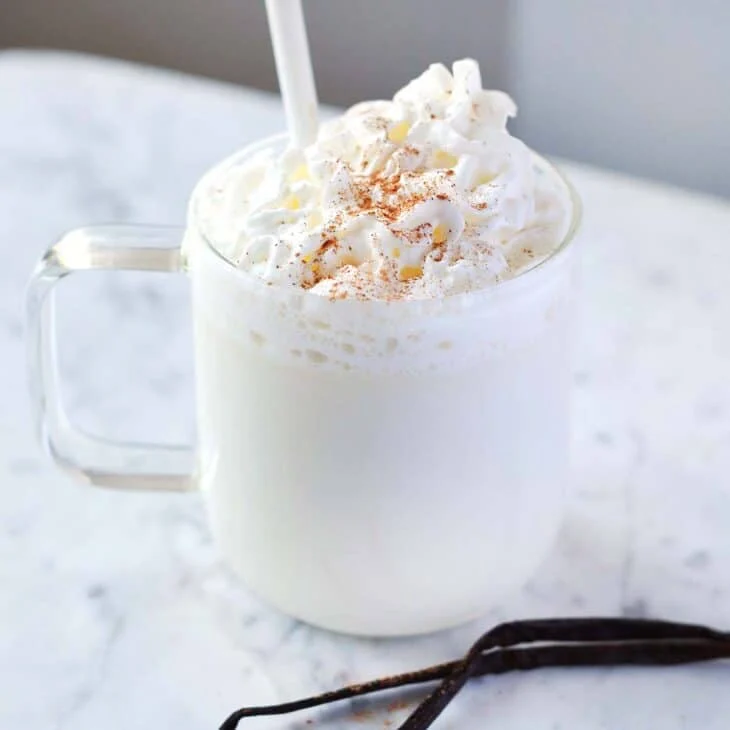
Skip the powder packets. A proper white hot chocolate — made with real white chocolate, whole milk, and a touch of vanilla — takes 10 minutes and tastes nothing like the watered-down versions from coffee chains.
The short answer: melt Ghirardelli White Chocolate Baking Bar into warm whole milk at around 155°F, whisk constantly off heat, finish with vanilla and a pinch of flaky salt. But understanding why each step matters is what separates a drink you make once from one that becomes a weekly ritual through winter.
Why White Hot Chocolate Is Harder to Get Right Than Regular Cocoa
Regular hot chocolate has one big advantage: cocoa powder dissolves easily in liquid. White chocolate doesn’t. It’s made from cocoa butter, milk solids, and sugar — no cocoa powder at all — so it behaves completely differently when heat enters the equation.
Heat it too fast and it seizes. Use the wrong type of chocolate and it turns grainy. Use too much cream and you get a tooth-coating dessert soup. The margin for error is narrower than most people expect, which is why so many first attempts come out wrong and get blamed on the recipe instead of the technique.
The Cocoa Butter Problem
Cocoa butter is the fat that gives white chocolate its richness. High-quality white chocolate — like Callebaut W2 White Couverture (around $8–$12 per pound from specialty baking shops or online) — carries 28%+ cocoa butter content. That fat emulsifies cleanly into hot milk when you handle it at the right temperature and with enough agitation.
Cheap white chocolate chips, including most store-brand versions, substitute a portion of cocoa butter with vegetable oil. They melt at a lower temperature but don’t integrate as smoothly into liquid. You end up with a faint oily film on the surface and a slightly coarser texture on the palate. Not ruined — just measurably worse, especially once the drink starts cooling.
The fix: always use chocolate bars, not chips. Break or chop them into small pieces before adding to the milk. Smaller pieces melt faster at lower temperatures, which directly reduces the risk of scorching or seizing.
Whole Milk vs. Cream vs. Plant Milk
Whole milk is the default for a reason. Its fat content (3.25%) carries the cocoa butter without making the drink feel heavy. Two percent works but produces a noticeably thinner result. Heavy cream (36% fat) makes it genuinely luxurious — use a 50/50 blend of whole milk and heavy cream if you want something closer to a European-style drinking chocolate bar experience.
For plant-based versions, Oatly Barista Edition is the clear winner. Its fat content and protein structure are specifically engineered to heat and froth like dairy milk. Regular oat milk and almond milk both produce thinner, slightly watery results that don’t hold the chocolate well. Coconut milk from a carton works structurally but adds a tropical note that competes with the vanilla in the white chocolate.
If you’re hosting guests with mixed dietary preferences, make the base with Oatly Barista and let anyone who wants dairy add a splash of cream to their mug. It works better than making two separate batches from scratch.
Why Sugar Balance Matters More Than You Think
White chocolate is already very sweet — sweeter than milk or dark chocolate by a significant margin. Most recipes that add extra granulated sugar produce something cloying before you’re halfway through the mug. Don’t add sugar to the base. Taste first after the chocolate is fully incorporated, then decide.
If you need more sweetness, add a small drizzle of honey rather than granulated sugar — it integrates more smoothly into hot liquid without a grainy finish. But in almost every case with a quality white chocolate bar, no additional sweetener is necessary at all.
A pinch of flaky sea salt at the end is not optional. It balances the sweetness and makes the vanilla more distinct without making the drink taste salty. Use Maldon or Fleur de Sel — table salt can add a faint metallic edge in dairy-based drinks at these temperatures that high-quality flaky salt avoids entirely.
Best White Chocolate for Hot Chocolate: A Direct Comparison
This is the decision that shapes everything else. Here’s how the main options stack up for hot drinks specifically — baking performance doesn’t always translate.
| Product | Cocoa Butter % | Price (approx.) | Where to Buy | Verdict |
|---|---|---|---|---|
| Ghirardelli White Chocolate Baking Bar (4oz) | ~28% | $4–$5 | Target, Whole Foods, Amazon | Best everyday value. Melts cleanly, balanced sweetness. |
| Lindt Classic White Bar (100g) | ~27% | $3–$4 | Most grocery stores | Slightly sweeter. Solid backup when Ghirardelli isn’t available. |
| Callebaut W2 White Couverture | 28% | $8–$12/lb | Specialty shops, Amazon | Professional-grade. Smoothest result. Best for entertaining. |
| Valrhona Ivoire Couverture | 35% | $15–$20/lb | Specialty retailers | Exceptional richness and mouthfeel. Worth it only if you’ll notice. |
| Nestle Premier White Morsels | Low (vegetable oil) | $3–$4 | Most grocery stores | Skip for drinks. Grainy texture, oily surface film in hot milk. |
Ghirardelli White Chocolate Baking Bar for everyday use. Callebaut W2 when you’re making it for guests. The Valrhona Ivoire — with its unusually high 35% cocoa butter content — is genuinely extraordinary if you want to compare side by side, but it’s a specialty purchase that requires ordering ahead.
How to Make White Hot Chocolate: Exact Steps
This makes two 8oz servings. Scale up linearly — the ratios hold cleanly to large batches.
- Chop 2oz of white chocolate bar into small pieces. Aim for pieces no larger than a thumbnail. Smaller pieces melt faster at lower temperatures, which is the core of why bars outperform chips here.
- Heat 2 cups whole milk in a small saucepan over medium-low heat. Pull it off the burner at 150–160°F. A candy thermometer removes all guesswork. Without one, stop when the milk steams steadily but before any bubbles form at the edges.
- Add the chopped chocolate to the hot milk and remove the pan from heat immediately. Don’t keep it on the burner while the chocolate melts — residual heat from the pan is enough.
- Whisk constantly for 60–90 seconds until fully dissolved. No lumps, no streaks. If lumps remain after 90 seconds, return the pan to very low heat for 20 seconds and whisk again.
- Add ½ teaspoon pure vanilla extract and a pinch of flaky sea salt. One stir. Over-stirring after adding vanilla drives off the aroma before it can settle into the drink.
- Taste and adjust. Too thick? Add a splash of whole milk. Too thin? Return to low heat and whisk for 60 seconds. Too sweet? Add more salt — not acid, since lemon or citrus will curdle the milk protein.
- Pour immediately. White hot chocolate thickens as it cools. Serve it the moment it’s done.
The Frother Method
If you have a Nespresso Aeroccino 4 ($70) or a Breville BMF600XL Milk Café ($100), use the hot-froth setting. Add finely chopped white chocolate directly to the frothing pitcher with the milk and run the hot cycle. The mechanical agitation melts the chocolate and adds a foam layer automatically — no whisking, no thermometer, no babysitting the stove.
The Aeroccino 4 is the easier pick: one button, done in about 2.5 minutes. The Breville gives you more control over temperature and froth density, which matters if you’re making drinks at different thicknesses for different people. Neither is necessary. Both upgrade the final texture noticeably versus stovetop whisking alone.
How to Make It Thicker
Two reliable methods. First: replace ¼ cup of whole milk with heavy cream. Adds fat and richness without changing the process at all. Second: dissolve 1 teaspoon of cornstarch in 2 tablespoons of cold milk, then whisk it into the warm milk before heating. The cornstarch method produces a velvety, near-pudding consistency — close to what you’d get at a specialty European hot chocolate bar. Don’t exceed 1 teaspoon or the texture crosses into gluey territory.
Three Mistakes That Ruin White Hot Chocolate
Most failed batches trace back to one of these three things. Fix them and the drink is hard to get wrong.
Using chocolate chips instead of bars. Chips contain stabilizers designed to help them hold their shape during baking. In hot liquid, those same stabilizers prevent smooth integration. The result is a grainy, uneven texture that no amount of whisking will undo. This is especially pronounced with Nestle Premier White Morsels or generic store-brand white chips, which have the highest proportion of vegetable oil substitutes. Use bars only: Ghirardelli, Lindt, Callebaut, or Valrhona.
Boiling the milk. White chocolate proteins and cocoa butter begin to degrade above 170°F. Milk that boils before the chocolate is added creates a faint scorched undertone underneath all the sweetness — subtle, but it becomes more obvious as the drink cools in the mug. A digital instant-read thermometer like the ThermoWorks ThermoPop 2 ($35) eliminates this completely. Clip it to the pan, pull the milk the moment it hits 155°F, and you’re done. Medium-low heat, stop at steaming — that’s the whole rule without a thermometer.
Skipping the salt. White chocolate without salt tastes one-dimensional. Just sweet. Flat sweet. A small pinch of Maldon at the end doesn’t make the drink taste salty — it makes every other flavor register more clearly. The vanilla becomes distinct. The cocoa butter reads as richness rather than just fat. This is the single most common omission in home recipes and the most impactful single fix you can make to an otherwise correct batch.
White Hot Chocolate Variations Worth Trying
Can You Make It Dairy-Free?
Oatly Barista Edition is the only dairy-free option that holds up at full quality — use it as a direct 1:1 swap for whole milk. It heats to the right temperature range, integrates with melted white chocolate cleanly, and froths well if you want surface foam. Standard almond milks like Silk Original Almond are too low in fat and produce thin, watery results. Canned coconut milk works structurally but imports a flavor that clashes with white chocolate’s vanilla notes.
One thing to note: oat milk tends to intensify perceived sweetness slightly compared to whole milk. If you use Oatly Barista, hold back on any additional sweetener entirely and taste before adding anything.
What About White Hot Chocolate With Matcha?
This combination works better than it sounds. Whisk 1 teaspoon of ceremonial-grade matcha with 2 tablespoons of warm water into a smooth paste first — Ippodo Matcha Ummon (around $25 for 20g, available directly from Ippodo’s online shop) is the most accessible high-quality option. Make the white hot chocolate base as normal, then stir the matcha paste in at the very end.
The bitterness in the matcha cuts through the white chocolate’s sweetness and adds a grassy, slightly savory depth. The result is more balanced than either drink alone. Culinary-grade matcha is harsher and clashes with the vanilla notes in the white chocolate — the extra $5–$8 for ceremonial grade genuinely matters in a recipe this stripped back.
How Do You Make It Richer for Winter Entertaining?
Make a large batch in a slow cooker. Scale to 8 servings — 1 cup whole milk plus 1oz chopped Callebaut W2 per person — set on low, and whisk every 15 minutes. Use a probe thermometer to hold the temperature between 140°F and 150°F. The slow cooker method holds stable quality for up to 4 hours without the cocoa butter breaking or the texture degrading, as long as heat stays consistently low and you whisk on schedule.
Set up a small topping station beside the slow cooker: whipped cream, crushed candy cane, flaky salt, orange zest, and a small bottle of raspberry coulis. Guests ladle and customize their own mugs. It requires almost no active work once it’s running and produces a better result than anything available from a coffee chain at scale.
The difference between white hot chocolate made with real chocolate and a packet of powder is not subtle — it’s the difference between a drink and an experience worth repeating.