Home Bakers’ Best Dessert Recipes: Why They Fall Flat (2026)

You’ve meticulously followed the recipe. Every measurement was precise. The oven preheated exactly. Yet, your cake sinks, your cookies spread into thin puddles, or your custard curdles. It’s a frustrating scenario for any home baker, especially when chasing those coveted best dessert recipes everyone talks about. The common misconception? That a perfect recipe guarantees perfect results.
Many people believe that baking is a rigid science where adherence to a list automatically leads to success. The reality is more nuanced. Ingredients themselves are variables. Your oven has quirks. Even the humidity in your kitchen plays a role. These unseen factors often sabotage even the most promising recipes.
This isn’t about blaming the baker; it’s about empowering them with a deeper understanding. We’ll explore the subtle culprits behind baking failures and equip you with the knowledge to consistently create stunning desserts in 2026 and beyond. Forget the frustration; it’s time to bake with confidence.
The Unseen Saboteurs: Why Your Ingredients Betray You
Baking relies on chemical reactions. Each ingredient plays a specific, often subtle, role. Ignoring their quality, temperature, or precise measurement is like trying to build a house with mismatched bricks. Your beautiful dessert dream collapses.
Take flour, for instance. It’s not just white powder. Different types contain varying protein levels, directly impacting gluten development. A recipe calling for all-purpose flour will behave completely differently if you substitute cake flour without adjustments. The same goes for fats, sugars, and leavening agents. Understanding these nuances is crucial for consistent success.
For example, if a recipe asks for room temperature butter, it’s not a suggestion. Cold butter won’t cream properly with sugar, leading to a dense, chewy texture. Melted butter, on the other hand, will result in a completely different crumb. Even the brand of chocolate you choose can dramatically alter the final product. Generic chocolate chips often contain stabilizers that prevent melting, which is fine for a quick snack but terrible for a glossy ganache.
It’s these small details that separate a merely edible dessert from a truly exceptional one. Think of it as knowing your tools: a carpenter wouldn’t use a screwdriver for a nail, and a baker shouldn’t assume all flours are equal.
Flour Types and Their Gluten Impact
Not all flours are created equal. All-purpose flour, like King Arthur All-Purpose ($5.99 for 5 lbs), is versatile, typically with a protein content of 10-12%. This provides enough gluten for structure in most cookies and cakes without being overly tough. For delicate cakes and pastries requiring a softer crumb, a lower-protein flour is essential.
Cake flour, such as Bob’s Red Mill Cake Flour ($7.50 for 32 oz), has a protein content of 6-8%. This results in less gluten formation, yielding a tender, fine-crumbed product. Using all-purpose flour in a recipe designed for cake flour will make your cake denser and chewier. Conversely, using cake flour for a rustic bread will lead to a flat, crumbly loaf. Always check the recipe’s specified flour type. If a recipe doesn’t specify, all-purpose is usually the safe bet, but knowing when to deviate (or how to substitute) is a skill developed over time.
Butter’s Role: Temperature and Fat Content
Butter is more than just fat; it’s flavor and structure. Its temperature drastically affects how it integrates into a batter. Softened butter, at around 65-68°F (just yielding to gentle pressure), is ideal for creaming with sugar. This process incorporates air, creating a light, airy crumb. Cold butter would resist mixing, resulting in a dense, tight texture. Melted butter, used in some quick breads and brownies, skips the aeration step entirely, leading to a chewier, fudgier result.
Beyond temperature, fat content matters. European-style butters, like Kerrygold ($5.49 for 8 oz), typically have a higher butterfat percentage (around 82%) compared to American brands (79-80%). This higher fat content contributes to a richer flavor and often a more tender texture in baked goods. While not always critical, for certain delicate pastries or butter-forward recipes, this difference can be noticeable.
Chocolate Quality: Bitterness and Cocoa Butter
Chocolate is complex. The percentage listed on a bar indicates the total cocoa solids (cocoa liquor, cocoa butter). A 60% cacao bar like Ghirardelli 60% Cacao Baking Bars ($4.00 for 4 oz) will taste different and melt differently than a 70% Valrhona Guanaja ($12.00 for 7 oz). Higher percentages mean more cocoa solids and less sugar, resulting in a more intense, sometimes bitter, flavor.
Crucially, the cocoa butter content affects melt and texture. High-quality chocolate has a higher proportion of cocoa butter, leading to a smooth, luxurious melt and a beautiful sheen. Cheaper chocolates often use less cocoa butter or substitute it with other fats, which can lead to a waxy texture and a dull finish. For crucial elements like ganaches, glazes, or fine truffles, investing in a reputable brand with a good cocoa butter content pays off immensely.
Beyond the Oven Door: Temperature, Timing, and Equipment Errors
Baking isn’t just about mixing. The environment and tools you use are just as important. Many home bakers overlook their oven’s actual temperature or the impact of their baking pans. These factors, often invisible, can completely derail a perfectly mixed batter.
Is My Oven Lying About Temperature?
Yes, probably. Most home ovens are notoriously inaccurate, often off by 25-50°F (or more). This seemingly small discrepancy can be the difference between a perfectly golden cake and a burnt, dry brick, or an underbaked, sunken mess. An oven set to 350°F might actually be cooking at 325°F or 375°F. This impacts everything from leavening agents to crust development.
Solution: Invest in an oven thermometer. The Taylor Precision Products Oven Thermometer ($7.99) is a simple, inexpensive tool that clips or hangs inside your oven. Keep it in there permanently. Always check it before baking and adjust your oven’s dial to compensate for any variance. If your oven consistently runs 25°F hot, set it 25°F lower than the recipe calls for. This simple step eliminates a massive variable in your baking.
Does Pan Material Really Matter?
Absolutely. Baking pans conduct and retain heat differently, directly affecting your dessert’s texture and appearance. Dark metal pans absorb more heat, leading to faster browning and often crispier edges. They are excellent for cookies and some breads.
Light-colored aluminum pans reflect heat, resulting in more even baking and lighter crusts, making them ideal for delicate cakes and cupcakes. Glass or ceramic dishes, on the other hand, retain heat much longer once removed from the oven, leading to continued cooking. This can be great for custards or casseroles, but detrimental for a cake that needs to cool quickly to prevent overbaking.
Recommendation: For most cakes and brownies, use light-colored metal pans. For pies and gratins, glass or ceramic is often preferred for its heat retention and presentation. Always consider the material specified (or implied) by the recipe and adjust baking times accordingly if you deviate.
How Do I Know When It’s Actually Done?
Relying solely on a timer is a gamble. Every oven, every pan, and even every batch of ingredients can affect baking time. Visual cues are critical, but sometimes insufficient. For precise results, especially with custards, cheesecakes, and quick breads, internal temperature is the most reliable indicator.
For cakes and quick breads: A toothpick inserted into the center should come out clean. The cake should spring back lightly when gently pressed. For more accuracy, an internal temperature of 200-210°F (93-99°C) is generally ideal. For something like banana bread, it might be closer to 200°F.
For custards and cheesecakes: These are trickier. A slight jiggle in the center (like jello) indicates doneness. Overbaking leads to curdling or cracking. An instant-read thermometer, like the Thermapen ONE ($105), is invaluable here. Crème brûlée is done around 170-175°F (77-79°C). Cheesecakes typically finish around 150°F (65°C) in the center.
Mastering Classic Desserts: Foundational Techniques That Always Work
Beyond ingredients and ovens, certain techniques are universal problem-solvers. Learning these core methods elevates your baking, giving you control over texture, stability, and overall success. They’re not just steps; they’re principles.
- The Reverse Creaming Method: For Ultra-Tender Cakes
Instead of creaming butter and sugar first, this method begins by mixing all dry ingredients (flour, sugar, leavening) with the softened butter until crumbly. Then, liquids (eggs, milk) are gradually added. This coats the flour particles with fat, inhibiting excessive gluten development. The result is an incredibly tender, velvet-like crumb, less prone to toughening. This technique shines in delicate layer cakes, where a fine, soft texture is . It’s particularly useful for recipes with a high sugar-to-flour ratio. - Proper Meringue Whipping: Stable Peaks for Days
Meringue, whether for pavlova, lemon meringue pie, or macarons, requires specific handling. The key is to start with clean, grease-free equipment. Gradually adding sugar (usually superfine or caster sugar) once the egg whites are foamy stabilizes the foam. Whip until the meringue holds stiff, glossy peaks. For maximum stability and food safety, consider a Swiss or Italian meringue. Swiss meringue involves gently heating egg whites and sugar over a double boiler to 160°F (71°C) before whipping, creating a dense, stable foam. Italian meringue involves pouring hot sugar syrup (240°F/116°C) into whipping egg whites, yielding a very strong, smooth meringue. - Tempering Chocolate Successfully: Gloss and Snap
If you’re making dipped candies, chocolate decorations, or anything that needs a glossy finish and a satisfying snap, tempering chocolate is essential. It involves precisely controlling the chocolate’s temperature to stabilize its cocoa butter crystals. The ‘seeding’ method is common for home bakers: melt about two-thirds of your chocolate (e.g., Callebaut 811, $15 for 1 lb callets) to around 115°F (46°C), then stir in the remaining unmelted chocolate until it cools to 88-91°F (31-33°C) for dark chocolate (or lower for milk/white). This creates a stable crystal structure that prevents bloom (grey streaks) and ensures a beautiful finish. - Blind Baking Pie Crusts: No More Soggy Bottoms
Few things are as disappointing as a perfectly baked pie with a soggy bottom. Blind baking—partially or fully baking the crust before adding the filling—solves this. Line your pie shell with parchment paper, then fill it with pie weights (Mrs. Anderson’s Baking Ceramic Pie Weights, $12.99), dried beans, or rice. Bake at 375-400°F (190-205°C) for 15-20 minutes until the edges are set, then remove weights and paper and continue baking for another 5-10 minutes if the recipe requires a fully baked crust. This creates a barrier against the wet filling, ensuring a flaky, crisp base.
The Single Most Overlooked Detail for Flawless Desserts

It’s not a secret ingredient, nor a fancy technique. The single most overlooked detail for consistently flawless desserts is simply this: read the entire recipe, twice, before you even pull out a mixing bowl. Then, prepare all your ingredients—measure everything, chop everything, bring everything to temperature—before you begin. This practice, known as mise en place, eliminates frantic scrambling, ensures you don’t miss steps, and allows for a calm, controlled baking process. It truly makes all the difference.
Specific Recipes That Forgive and Impress (2026 Picks)
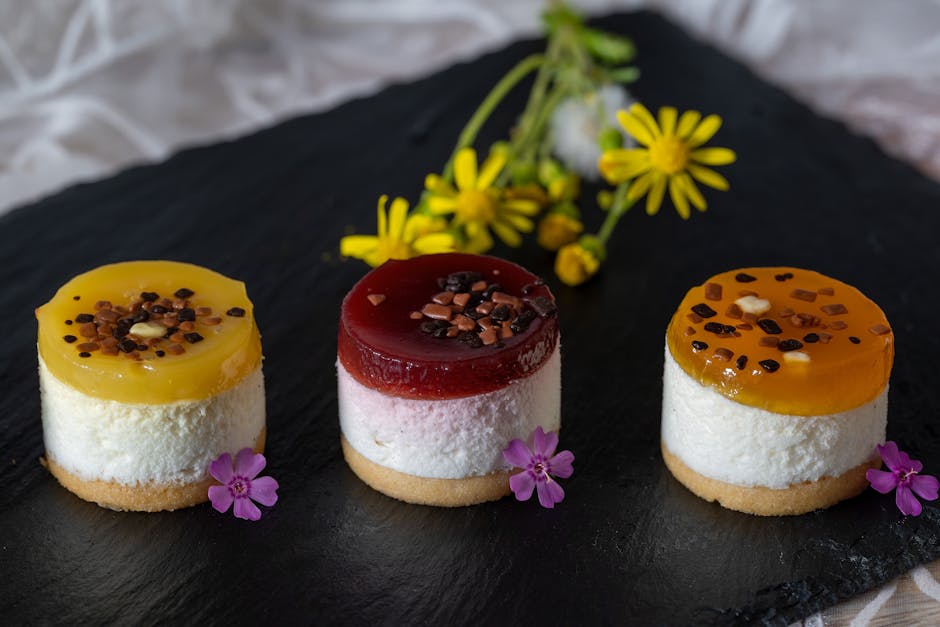
Forget the fads; the true heroes in dessert are foundational recipes built on solid technique. For 2026, these three classics consistently deliver, even when you’re slightly off. They offer a fantastic balance of approachability and impressive results, making them ideal for honing your baking skills and delighting any crowd.
The Ultimate Chocolate Chip Cookie (New York Times-Style)
This isn’t just a chocolate chip cookie; it’s an experience. The key elements are brown butter for nutty depth, a mix of high-quality chocolates, and a lengthy chill time. Use 1 cup (2 sticks) of unsalted butter, browned gently until fragrant. Combine with 1 cup packed light brown sugar and 1/2 cup granulated sugar. Add 2 large eggs, 2 teaspoons vanilla extract (Nielsen-Massey Madagascar Bourbon Pure Vanilla Extract, $18.99 for 4oz), 2 cups all-purpose flour, 1 teaspoon baking soda, and 1 teaspoon sea salt. Crucially, mix in a generous 10-12 ounces of chopped chocolate: a blend of high-quality bittersweet (like Guittard Bittersweet Chocolate Baking Bar, $5.00 for 11 oz) and milk chocolate (Ghirardelli Milk Chocolate Baking Chips, $4.00 for 12 oz) provides perfect complexity. Scoop dough and chill for a minimum of 24 hours, up to 72 hours. This chilling allows the flavors to meld and the dough to hydrate, resulting in a chewier, more flavorful cookie with crisped edges and a soft center. Bake at 375°F (190°C) for 10-14 minutes.
Classic Vanilla Bean Crème Brûlée
Elegant, yet surprisingly forgiving, crème brûlée is a dessert that always impresses. The simplicity of its ingredients belies its luxurious result. You’ll need 2 cups heavy cream, 1/2 cup granulated sugar, 1 whole vanilla bean (Nielsen-Massey Vanilla Beans, 2 for $15), and 5 large egg yolks. Split the vanilla bean, scrape out the seeds, and infuse both the pod and seeds into the cream over medium heat until just simmering. Remove the pod. Whisk egg yolks and sugar until pale, then slowly temper in the hot cream. Strain the mixture to remove any cooked egg bits or vanilla bean debris for a silky smooth custard. Pour into shallow ramekins and bake in a water bath (bain-marie) at 325°F (160°C) for 30-35 minutes, or until the edges are set but the center still slightly jiggles. Chill thoroughly. Just before serving, sprinkle with a thin, even layer of granulated sugar and torch until caramelized and bubbly. The water bath ensures gentle, even cooking, preventing the custard from curdling or cracking.
Simple Lemon Tart with Pâte Sablée
A lemon tart offers a bright, refreshing counterpoint to richer desserts. The pâte sablée (sweet shortcrust pastry) is less fussy than traditional pie crusts and bakes into a wonderfully crumbly, buttery base. For the crust, pulse 1 1/4 cups all-purpose flour, 1/2 cup powdered sugar, 1/4 teaspoon salt, and 1/2 cup cold unsalted butter (Kerrygold, $5.49/8oz) in a food processor until sandy. Add 1 large egg yolk and 1-2 tablespoons ice water, pulsing until just combined. Press into a 9-inch tart pan with a removable bottom, chill for 30 minutes, then blind bake at 375°F (190°C) for 15-20 minutes. For the filling, whisk together 4 large egg yolks, 1/2 cup fresh lemon juice, 1/2 cup granulated sugar, and 1/4 cup melted unsalted butter in a heatproof bowl set over a simmering pot of water (don’t let the bowl touch the water). Whisk constantly until thickened (about 8-10 minutes), around 170°F (77°C). Pour into the pre-baked crust and bake for another 15-20 minutes until set. The specific ratios of butter and yolk in the pastry make it very forgiving, and the simple lemon curd comes together beautifully with gentle heat.