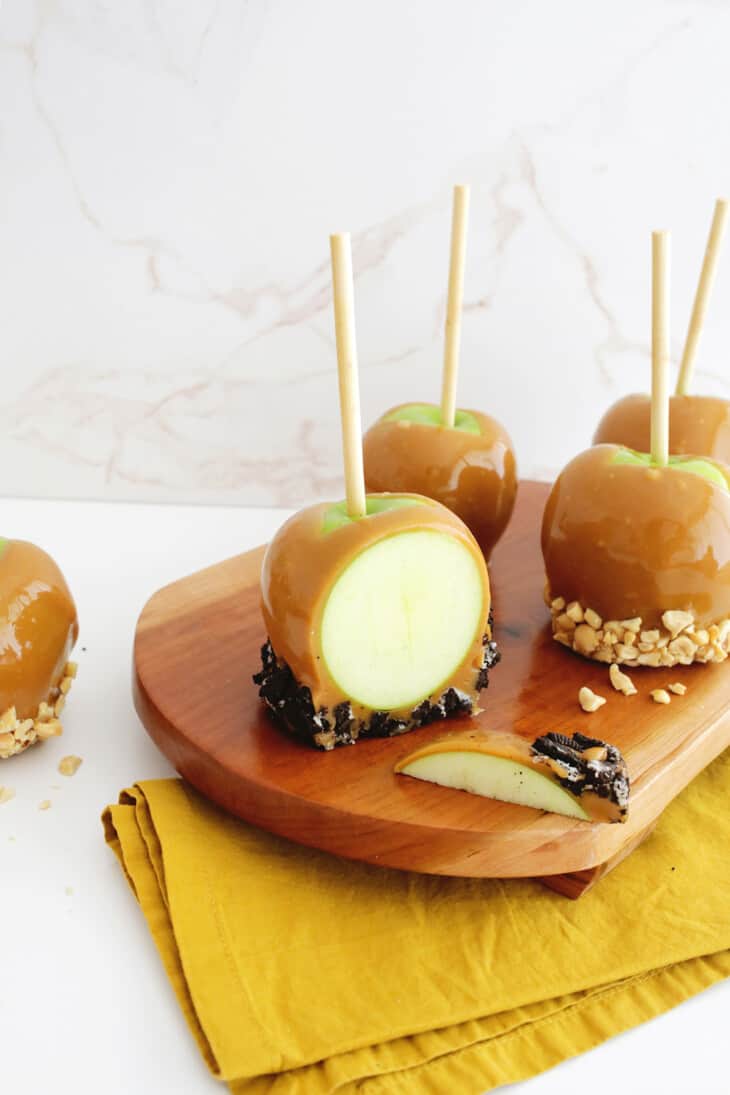
Caramel Apples

Most caramel apple failures aren’t about the caramel; they’re about the apple. People grab any apple, dunk it, and wonder why it turns into a syrupy mess or the caramel slides right off. You need to understand the fundamentals.
Picking the Right Apple: It’s Not What You Think
Forget those sweet, soft apples for caramel. You want crisp, tart, and firm. Period. An apple too sweet creates an cloying caramel apple. An apple too soft collapses under the hot caramel, turning mushy and unpleasant. The texture contrast is key here. A good caramel apple offers a satisfying crunch against the chew of the caramel. This isn’t just preference; it’s structural integrity. You need an apple that can hold its own, both physically and flavor-wise, against a dense, sweet coating. This isn’t a complex science, it’s just common sense. Pick the right base, and half your battle is won.
Why Tart Apples Win
Tartness cuts through the richness of the caramel. Without that acidic bite, you just get a sugar bomb. Granny Smith apples are the undisputed champion here. Their intense tartness provides the necessary counterpoint, making each bite balanced. Honeycrisp or Fuji can work, but their sweetness is a consideration. If you use a sweeter apple, ensure your caramel is less sweet or has a touch more salt. The goal is a flavor profile, not just sweetness upon sweetness. A perfectly tart apple also tends to have a firmer flesh, which resists becoming mealy. This is non-negotiable for a good caramel apple.
Apples to Absolutely Avoid
Red Delicious. Don’t even think about it. Soft, mealy texture, almost no flavor. It’s a disaster waiting to happen. Golden Delicious? Too sweet, too soft. Gala or Pink Lady? Borderline. They can work in a pinch if they’re exceptionally firm, but they’re not ideal. Avoid any apple that bruises easily or feels less than rock-hard. Remember, the caramel is heavy and hot. A weak apple will buckle. Save those softer varieties for snacking. For caramel apples, they are simply inadequate. This isn’t a suggestion; it’s a rule.
Prepping Apples for Optimal Adhesion
This is critical. Apples naturally have a waxy coating. If you don’t remove it, your caramel will slide off. You need to scrub them. Boil a pot of water, dip each apple for 10-15 seconds, then scrub aggressively with a clean cloth or brush. A little vinegar in the water helps. Dry them completely. Any moisture equals caramel separation. Once scrubbed and dried, insert your sticks firmly into the stem end. Chill them in the refrigerator for at least 30 minutes. A cold apple helps the caramel set faster and adhere better, reducing drips. Don’t skip this step. It’s too important.
The Caramel Chemistry: Getting it Right
Making caramel isn’t magic; it’s precision. You need the right ingredients, the right tools, and unwavering attention. Eyeballing it? You’re asking for trouble. This isn’t baking a cake where a little extra flour might slide. Caramel demands respect. Deviate from temperature or timing, and you’ll end up with hard candy, grainy sugar, or a runny mess. Get serious about it.
Essential Ingredients & Their Roles
- Granulated Sugar: The base. Don’t substitute.
- Light Corn Syrup: Crucial. Prevents sugar crystallization, ensures smoothness. Don’t skip it; it’s not just for sweetness. It’s a chemical stabilizer.
- Unsalted Butter: Flavor and richness. Cuts the sweetness.
- Heavy Cream: For smoothness and chewiness. Room temperature is best to prevent shocking the hot sugar mixture.
- Salt: Balances the sweetness, enhances flavor. Use a good quality fine sea salt, not iodized table salt. A pinch makes a world of difference.
- Vanilla Extract: Added at the very end for flavor. Quality matters here; fake vanilla tastes terrible in rich caramel.
Achieving Perfect Temperature (Specific degrees)
You need a reliable candy thermometer. This isn’t optional. Heat your sugar, corn syrup, and a small amount of water (just enough to wet the sugar) over medium heat, stirring until the sugar dissolves. Once dissolved, stop stirring. Let it boil. Add butter and cream gradually, stirring gently. The mixture needs to reach 245°F (118°C) for a firm, chewy caramel. Take it off the heat immediately when it hits that mark. Any hotter, it’s brittle. Any cooler, it’s runny. A heavy-bottomed saucepan is essential for even heating. Fluctuations ruin caramel. Trust the thermometer, not your eye.
Troubleshooting Common Caramel Issues
- Grainy Caramel: Usually caused by crystallization. Don’t stir once the sugar dissolves. If you see crystals forming on the sides of the pan, brush them down with a wet pastry brush. The corn syrup should largely prevent this if used correctly.
- Caramel Too Hard: You cooked it too long, or the temperature went too high. There’s no fix. Start over. Seriously.
- Caramel Too Soft/Runny: Not cooked long enough, or the temperature wasn’t reached. You can try to gently reheat and cook it a bit longer, but it’s risky. Sometimes, it’s just a lost cause. Get it right the first time.
- Burnt Smell/Taste: Heat was too high, or you left it on too long. Again, no saving it. The bitter taste is permanent. Use medium heat and monitor constantly.
Coating Techniques: Don’t Mess It Up
You’ve picked the right apple, made perfect caramel. Now don’t botch the coating. This is where most people get impatient, leading to thick, uneven layers or too much caramel pooled at the bottom. The goal is a thin, even layer that complements the apple, not overwhelms it.
Traditional Dipping vs. Rolling
| Method | Pros | Cons | Best For |
|---|---|---|---|
| Traditional Dipping | Even coating with practice; classic look. | Requires precision; can be messy; risks pooling if not done quickly. | Experienced makers; large batches; smooth finish. |
| Spoon & Rotate | More control over thickness; good for adding toppings. | Slower; may not look as perfectly smooth; can be uneven. | Beginners; smaller batches; custom thickness. |
| Rolling in Caramel | Excellent control over thickness; less waste. | Messy hands if not careful; requires slightly stiffer caramel. | Textured caramel; adding nuts/sprinkles directly to wet caramel. |
The “spoon & rotate” method is often the safest for beginners. It gives you more control and reduces the chance of dripping excess caramel. Traditional dipping, while iconic, demands speed and skill to prevent thick bottom layers. Whichever you choose, work efficiently.
Temperature Control During Coating
Your caramel won’t stay at 245°F forever. As it cools, it thickens. If it gets too thick, it’s impossible to coat apples evenly. You’ll end up with gloppy, unwieldy apples. Keep the caramel warm enough to be fluid but not so hot it melts off the apple. A double boiler or a slow cooker set to “warm” (not “low”) can help maintain the right consistency. Aim for around 180-200°F (82-93°C) during coating. If it cools too much, gently reheat it over low heat, stirring constantly, until it reaches the desired fluidity. Don’t overheat and re-cook it. That’s a mistake.
Essential Tools for a Smooth Finish
- Parchment Paper or Silicone Mat: Absolutely necessary for cooling the apples. Do not use wax paper; the caramel will stick.
- Sturdy Sticks: Wooden craft sticks are fine, but ensure they are food-grade and strong enough to support the apple and caramel.
- Tall, Narrow Pot/Container: For dipping. Allows a deep enough caramel pool without requiring massive quantities.
- Offset Spatula: Helps scrape excess caramel from the bottom of the apple, ensuring a cleaner finish.
- Gloves: Optional, but useful for handling apples, especially if you’re rolling them in toppings or need to gently shape the caramel. Cleanliness is .
Common Pitfalls & How to Dodge Them
You’ve probably experienced one of these. Don’t act like you haven’t. These are the classic amateur mistakes that ruin good intentions. Learn from them, and move on.
“Why does my caramel slide right off the apple?”
Two main culprits: a waxy apple skin you didn’t properly clean, or a wet apple. We covered cleaning the wax – boil and scrub, then dry thoroughly. The other problem is condensation. If your apples are too cold, condensation forms on the surface when they hit the warmer caramel. This creates a barrier. Chill the apples, yes, but let them sit at room temperature for 5-10 minutes before dipping. Just enough to evaporate surface moisture, not long enough to warm up completely. This minor temperature adjustment makes a huge difference. Also, your caramel might be too hot and thin. If it’s over 210°F during dipping, it’s likely too fluid. Let it cool slightly.
“My caramel is too hard/soft. What did I do wrong?”
This is almost always a temperature issue during the cooking phase. Too hard means you cooked it past 245°F (118°C). The sugar structure changes. It becomes brittle. Too soft means you pulled it off before reaching 245°F. It won’t set properly, remaining gooey or runny. Invest in a good, calibrated candy thermometer. Test it in boiling water (should read 212°F/100°C). Don’t rely on guesswork or approximations. Caramel is precise. If it’s too hard, there’s no recovery. If it’s too soft, you might be able to gently reheat it to the correct temperature, but it’s a gamble. Usually, it’s better to just start fresh.
“How do I prevent grainy caramel?”
Graininess happens when sugar crystals form in the caramel. The main cause is stirring the mixture after the sugar has dissolved and it begins to boil. Once the sugar is fully dissolved, put your spoon down. Let it cook undisturbed. If you see crystals clinging to the sides of your pan, take a pastry brush dipped in warm water and gently brush them down into the liquid. The corn syrup in the recipe is a powerful anti-crystallization agent, but it’s not foolproof if you keep stirring or introduce stray sugar crystals. Clean pan, no stirring after dissolving, and brushing down the sides: these are your defenses against grainy caramel.
Storage and Shelf Life: Don’t Waste Your Effort
You put in the work, so don’t let it go bad. Caramel apples aren’t designed to sit out for days. They’re best enjoyed fresh, but proper storage extends their life.
Immediate Cooling and Setting
Once coated, place your caramel apples on parchment paper or a silicone mat. Do not pile them up. Allow them to set at room temperature for about 15-20 minutes. This initial setting prevents condensation from forming if you immediately transfer them to the fridge. Then, transfer them to the refrigerator. Chilling helps the caramel firm up completely and prevents it from sticking to itself or melting. Rushing this step leads to sticky, messy apples. Give them space.
Optimal Storage Conditions
Caramel apples should be stored in an airtight container in the refrigerator. Wrap each apple individually in wax paper or plastic wrap to prevent them from sticking together. This also protects them from absorbing odors from other foods. Storing them unwrapped will lead to dry, tacky caramel and potentially soft apples. The refrigerator is crucial for maintaining the caramel’s firmness and the apple’s crispness. Don’t leave them on the counter overnight. It’s a waste.
Shelf Life and Enjoyment
Homemade caramel apples are best eaten within 3-5 days. Beyond that, the apple starts to break down, releasing moisture into the caramel, making it watery and sticky. The apple also loses its crispness. While technically safe to eat for a bit longer, the quality rapidly declines. If you want to make them ahead, consider preparing the caramel separately and dipping closer to the serving time. A fresh caramel apple is a delight. A week-old one is a disappointment. Plan accordingly.
Perfect caramel apples demand attention to detail at every stage, from apple selection to precise caramel cooking.