Soft Homemade Tortillas Step by Step Easy Recipe for Soft Flour Wraps

Ingredients for Soft Homemade Tortillas
To make the best homemade tortillas that are soft, pliable, and fresh, you need just a few simple ingredients. Here’s the exact list with measurements and handy substitution notes for your convenience:
- 2 cups all-purpose flour (for authentic soft flour tortillas; you can substitute with whole wheat flour for a nuttier flavor)
- 1/2 teaspoon salt (balances flavor; kosher or sea salt works well)
- 1/2 teaspoon baking powder (helps with tenderness and slight puffiness)
- 2 tablespoons lard (traditional choice for rich texture; substitute with vegetable oil or melted butter for a dairy-free or lighter option)
- 3/4 cup warm water (helps bring the dough together and keeps it soft; use slightly warmer water in colder climates)
These ingredients combine into fluffy, tender flour tortilla dough that’s perfect for making soft, homemade tortillas from scratch. Using lard or oil improves the softness and flavor, and baking powder supports that light, pillowy feel you want in every tortilla.
If you prefer a vegan or dairy-free version, just swap lard for vegetable oil or coconut oil—it still yields delightfully soft tortillas. Keep in mind the choice of fat subtly affects the texture and taste, but all options make delicious homemade flour tortillas!
Step-by-Step Instructions: Mix Dry Ingredients
Start your soft homemade tortillas by combining the dry ingredients first. In a large mixing bowl, sift together 2 cups of all-purpose flour, 1 teaspoon of baking powder, and 1 teaspoon of salt. Sifting helps distribute the baking powder evenly, which is key for achieving a tender, fluffy texture in your flour tortilla dough. For a twist, you can substitute part of the all-purpose flour with whole wheat flour to add a nuttier flavor and extra fiber, but keep the amount of baking powder the same.
Mix these dry ingredients thoroughly with a whisk or fork until well combined. This base is essential for your easy flour tortillas from scratch—it ensures every tortilla stays soft and pliable. Remember, mixing only the dry ingredients at this stage helps in evenly incorporating the fat and water later without overworking the dough.
Once your dry mix is ready, you’re set to move on to incorporating the fat and shaping your tortilla dough for that authentic Mexican tortillas feel. For more tips on balancing flavors and textures, you might find creative side dishes like homemade coleslaw a great complement to your tortilla meals.
Incorporate Fat and Form Crumbly Texture
Next, add your fat to the dry ingredients. Traditional soft homemade tortillas usually call for lard, which gives an authentic flavor and a tender crumbly texture. If you prefer a lighter or vegan option, vegetable oil, melted butter, or even shortening work well too. Use about 3 tablespoons of fat for every 2 cups of flour.
Sprinkle the fat evenly over the flour mixture, then use your fingers or a pastry cutter to rub it in. Keep working it until the mixture looks like coarse crumbs with pea-sized bits of fat throughout. This crumbly texture is key to making soft flour tortilla dough—it traps small pockets of fat that help the tortillas stay pliable and tender when cooked.
Avoid over-mixing here. If the fat melts or blends too much, you lose that flaky softness in the final tortillas. Having a good crumbly flour tortilla dough before adding water sets you up for the best homemade tortillas.
Keep your kitchen cool if possible, since warm fat can quickly become greasy instead of crumbly. This step is essential to an easy flour tortillas from scratch recipe that yields soft, melt-in-your-mouth results.
Step-by-Step Instructions: Add Warm Water and Knead Soft Dough
Once your fat is mixed in and the mixture feels crumbly, gradually add warm water—about ¾ cup (180 ml) to start. Warm water helps the flour absorb moisture better, making the dough soft and pliable. Pour the water slowly while mixing with your hand or a spoon until the dough begins to come together.
Now, knead the dough on a clean surface for about 5 to 7 minutes. Use the heels of your hands to push and fold the dough repeatedly. The goal is a smooth, soft dough that’s slightly tacky but not sticky. If it feels dry, add a little more warm water, a tablespoon at a time. If it’s too sticky, sprinkle in a bit of flour, but be careful not to add too much or your tortillas could turn tough.
A good homemade flour tortillas dough should feel elastic and easy to work with—it should spring back slightly when poked. Proper kneading develops gluten, which helps keep your tortillas soft and flexible after cooking. This step is crucial for making authentic soft tortillas that roll out evenly and cook up tender every time.
Step-by-Step Instructions: Rest the Dough for Texture
After kneading the flour tortilla dough until smooth and soft, it’s crucial to let it rest. Cover the dough ball with a clean kitchen towel or plastic wrap and let it sit at room temperature for at least 20 to 30 minutes. This resting time allows the gluten to relax, making the dough easier to roll out and preventing it from shrinking back while shaping.
Resting also helps the moisture distribute evenly through the flour tortilla dough, giving you soft and pliable homemade wraps every time. Skipping this step can lead to tougher tortillas that crack when cooked. For the best texture, don’t rush this part—it’s key to achieving authentic Mexican tortillas that feel tender and fresh.
If you’re planning ahead, you can also refrigerate the dough during this rest period to enhance flavor and texture, but bring it back to room temperature before rolling out. This simple pause makes a big difference in your soft flour tortilla recipe, setting the stage for perfectly thin, flexible tortillas.
Divide Dough into Balls and Rest Briefly
Once your tortilla dough is smooth and soft, divide it into small, equal-sized balls—about the size of a golf ball works well. This helps ensure your tortillas cook evenly and are all roughly the same size. Lightly dust your work surface with flour to prevent sticking as you shape each ball by rolling it between your palms.
After shaping the dough balls, cover them with a clean kitchen towel or plastic wrap. Let them rest for at least 15 minutes before rolling out. This short resting period helps the gluten relax, making it much easier to roll the dough thin without it springing back, which is key for soft homemade tortillas.
Taking this step seriously impacts your final result—well-rested dough balls produce tender, pliable wraps that are far better than those rolled out immediately. This method is part of mastering an authentic Mexican tortilla feel in your own kitchen.
Roll Out Thin and Even Tortillas
After dividing your flour tortilla dough into balls and letting them rest, it’s time to roll them out. Lightly dust your work surface and rolling pin with flour to prevent sticking. Take one dough ball and press it gently to flatten, then roll it out evenly from the center outward into a thin circle, about 6 to 8 inches in diameter.
Aim for a consistent thickness across the entire tortilla—too thick and the tortillas won’t be soft and pliable, too thin and they might tear during cooking. If the dough springs back as you roll, let it rest a few more minutes to relax the gluten. Rotate the dough frequently as you roll to maintain a round shape and even thickness.
Remember, rolling out the tortillas evenly is one of the key steps to achieving the best homemade tortillas that cook quickly and stay soft. Mastering this step makes a huge difference for pliable homemade wraps perfect for tacos, burritos, or quesadillas.
Step-by-Step Instructions: Cook on Hot Skillet with Tips for Bubbles and Spots
Once your tortillas are rolled out thin and even, heat a dry skillet or cast-iron pan over medium-high heat until it’s really hot. This high heat is key for getting those classic soft homemade tortillas with nice brown spots. Place one tortilla on the skillet and cook for about 30 to 45 seconds. You’ll notice bubbles starting to form—this is a good sign the dough is puffing up. Flip it over and cook the other side for another 30 seconds or so.
If your tortilla isn’t bubbling much, don’t worry—just keep the skillet hot and make sure your dough isn’t too dry. The spots and slight charring add flavor and texture, so aim for 3-4 golden brown patches on each side. Avoid overcooking; tortillas should stay soft and pliable, not crispy. Use tongs to gently flip for even cooking without tearing.
Repeat with the rest of your dough balls, adjusting the heat if needed. This step captures the authentic Mexican tortillas look and texture and is essential for soft flour tortilla recipes. For more ideas on filling your tortillas, check out this flavorful Al Pastor slow cooker method for an easy homemade taco meal.
Keep your skillet hot, your tortillas thin, and watch those bubbles appear for the perfect soft homemade flour tortillas every time.
Step-by-Step Instructions: Stack and Keep Warm for Softness
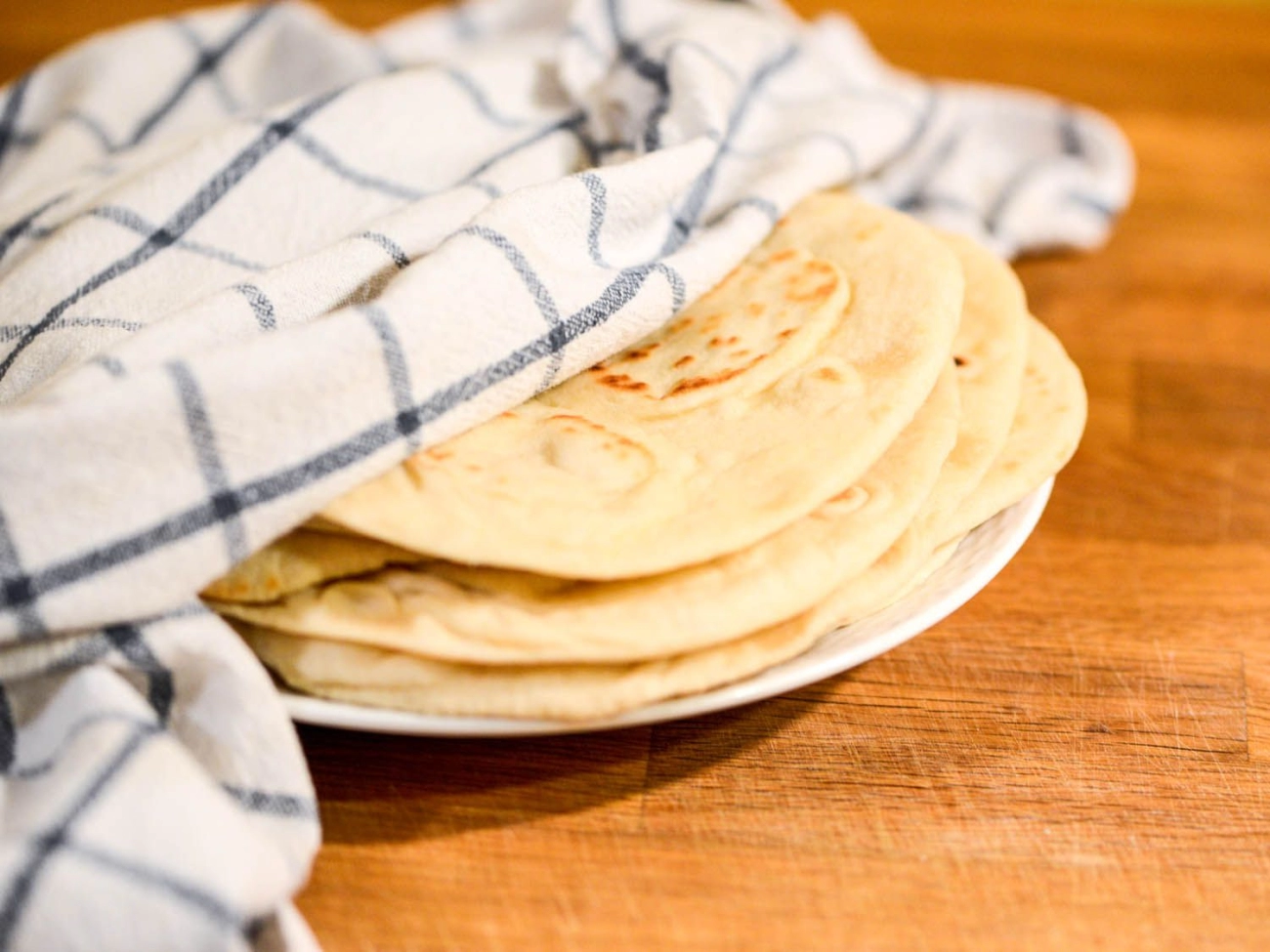
Once your homemade flour tortillas are cooked, it’s important to keep them warm and soft. Immediately stack the hot tortillas on a plate or clean kitchen towel. Cover them loosely with a clean cloth or aluminum foil to trap steam—this helps keep the tortillas pliable and prevents them from drying out or becoming stiff.
For the softest flour tortillas, avoid stacking too many at once without ventilation, as excess moisture can make them soggy. If you’re making a batch, reheat the stack briefly in a covered skillet or wrapped in foil inside a warm oven before serving. This simple step locks in the fresh tortilla texture and keeps your homemade tortillas tender and ready for tacos, wraps, or any favorite dish.
Keeping the tortillas warm also improves flexibility, making them easier to roll or fold without cracking—key for authentic soft homemade tortillas. This technique is a must for anyone wanting the best homemade tortillas experience at home.
Tips for the Softest Tortillas: Dough Consistency for Moisture
Getting the dough consistency just right is key for soft homemade tortillas. When your flour tortilla dough feels too dry or crumbly, the tortillas will turn out tough and brittle. On the flip side, dough that’s too wet can be sticky and hard to roll. Aim for a soft, slightly tacky dough that holds together well but isn’t sticky to the touch.
Here’s how to nail the moisture balance in your dough:
- Use warm water: Warm water helps the flour absorb moisture evenly, making the dough easier to knead and softer after cooking.
- Add water gradually: Pour in water little by little while mixing. You can always add more if needed, but it’s tough to fix dough that’s too wet.
- Knead well: Proper kneading develops gluten, which traps moisture and keeps tortillas pliable.
- Check texture often: The dough should feel smooth, elastic, and a bit springy. If it breaks when stretched, it’s too dry.
- Adjust with fat: Adding enough fat (like lard, butter, or oil) improves softness by coating flour proteins and locking in moisture.
Soft flour tortilla dough is the foundation for pliable homemade wraps. When you get the moisture right, cooking tortillas becomes easier and the results softer—just like authentic Mexican tortillas made fresh.
Tips for the Softest Tortillas: Importance of Resting the Dough
Resting the flour tortilla dough is key to getting those soft homemade tortillas everyone loves. After mixing and kneading, letting the dough rest for at least 30 minutes (up to an hour) allows the gluten to relax. This makes the dough easier to roll out and prevents the tortillas from shrinking or cracking while cooking.
Here’s why resting matters for your soft flour tortilla recipe:
- Improves flexibility: Rested dough is less springy, so it rolls out thin and even without snapping back.
- Boosts softness: The moisture redistributes evenly, helping create pliable homemade wraps that don’t dry out.
- Enhances flavor: A short rest lets the flour absorb water better, giving a fresher, more authentic Mexican tortillas taste.
Don’t skip this step if you want the best homemade tortillas. Even if you’re in a hurry, a quick 20-minute rest works better than no rest at all. Just cover the dough with a damp cloth or plastic wrap to keep it from drying out.
Remember, resting is a simple trick that makes a big difference in getting soft, fresh tortilla dough ready for rolling and cooking!
Tips for the Softest Tortillas: Effects of Fat Choices on Texture and Flavor
Choosing the right fat is key to making soft homemade tortillas that taste great and feel tender. Traditional flour tortilla dough often uses lard, which gives the tortillas a rich, authentic flavor and a soft, pliable texture. If you’re after true authentic Mexican tortillas, lard is hard to beat.
That said, you can substitute lard with vegetable oil, shortening, or even butter for different effects:
- Lard: Adds depth of flavor and keeps tortillas soft and flexible. It’s ideal if you want a classic fresh tortilla recipe.
- Vegetable oil: A good neutral option for a lighter flavor. It still helps with softness but won’t add richness like lard.
- Shortening: Offers similar softness to lard but without the pork flavor. It’s a solid choice for vegans or dairy-free options.
- Butter: Brings a slightly richer, buttery taste but can make the dough a bit heavier if used too much.
No matter which fat you pick, the key is to mix it in well to create that crumbly flour tortilla dough texture before adding water. This helps distribute the fat evenly so the tortillas stay soft but don’t get greasy.
In short, your fat choice directly affects both texture and flavor, so pick one that suits your taste and dietary needs. For soft flour tortillas every time, aim for the right balance between fat quantity and dough moisture for that perfect tender bite.
Tips for the Softest Tortillas: Rolling Techniques for Shape and Thickness
Rolling out your homemade flour tortillas evenly is key to getting soft, pliable wraps every time. Here’s how to master the rolling process for the best texture and shape:
- Use a light dusting of flour: Sprinkle some flour on your work surface and rolling pin to prevent sticking, but don’t overdo it. Too much flour can dry out the dough, making tortillas less soft.
- Roll from the center outward: Press the rolling pin down in the middle of the dough ball and roll outward evenly in all directions. This helps keep the tortilla round and uniform.
- Keep tortillas thin but not paper-thin: Aim for about 1/8 inch thickness. Too thick and they won’t cook fully or feel dense; too thin and they might tear or become brittle.
- Rotate the dough often: After every few rolls, turn the dough ball a quarter turn to maintain an even circle and consistent thickness. This avoids lopsided edges or thick spots.
- Use a smooth, steady pressure: Avoid rocking or uneven movements while rolling. A smooth, steady push ensures consistent thickness across the tortilla.
By following these rolling tips, your soft flour tortilla recipe will produce evenly shaped, tender tortillas that cook perfectly and stay pliable for wraps, tacos, or quesadillas.
Tips for the Softest Tortillas: Cooking Temperature and Timing
Cooking your homemade flour tortillas right is key to keeping them soft and pliable. Use a hot skillet or griddle set to medium-high heat – too hot, and the tortillas will burn; too low, and they’ll dry out and get tough.
- Heat your pan before cooking so tortillas cook evenly.
- Cook each side for about 30 to 45 seconds. Look for light brown spots and bubbles forming.
- Flip quickly once bubbles appear; don’t press down on the tortilla while cooking.
- Avoid overcooking – tortillas should be cooked just enough to set but still stay soft.
- If you see big dry spots or feel the tortilla stiffening, lower the heat.
With the right temperature and timing, your fresh tortilla recipe will stay soft, flexible, and ready for any taco, wrap, or quesadilla.
Tips for the Softest Tortillas: Common Mistakes and How to Fix Them
Making soft homemade tortillas isn’t always straightforward. Here are some common mistakes and quick fixes to keep your tortillas tender and flexible:
- Dough too dry or crumbly: This happens when there isn’t enough water. Fix it by adding warm water a tablespoon at a time and kneading until the dough feels soft but not sticky.
- Rolling uneven tortillas: Uneven thickness leads to tough spots. Roll out your dough balls evenly, aiming for about 6–8 inches in diameter, so each tortilla cooks uniformly.
- Skipping the resting step: If you skip resting, gluten won’t relax, causing tortillas to snap or crack. Always rest your dough (minimum 30 minutes) wrapped in a cloth.
- Cooking on too high heat: High heat burns the outside before the inside cooks, making tortillas stiff. Use medium-high heat and flip as soon as bubbles start appearing.
- Overcooking tortillas: Cooking too long makes them dry and tough. A quick 30–45 seconds per side is enough to get those golden spots and soft texture.
- Using cold water: Cold water makes it harder to get soft dough. Warm water helps the dough absorb better, resulting in pliable homemade wraps.
- Too little fat: Fat like lard, oil, or butter keeps tortillas tender. Using none or too little will give you dry, crumbly tortillas. Adjust fat based on your preferred flavor and texture.
By avoiding these pitfalls and following these simple fixes, you’ll get the soft flour tortilla recipe just right every time.
How to Store and Reheat Homemade Tortillas
Room temperature storage guidelines
If you plan to use your soft homemade tortillas within a day or two, storing them at room temperature is the easiest option. After cooking, let the tortillas cool completely to avoid condensation, which can make them soggy or spoil faster. Then, stack them with a piece of parchment paper or clean kitchen towel between each tortilla to prevent sticking.
Place the stack in an airtight container or sealable plastic bag to keep them fresh and soft. Avoid leaving tortillas out uncovered or in direct sunlight, as they’ll dry out quickly and lose their pliability.
Tip: Homemade flour tortillas stored this way usually stay soft and good to eat for up to 48 hours. If you need them to last longer or want to keep that fresh tortilla texture, refrigerate or freeze them instead.
Using these room temperature storage steps ensures your fresh tortilla recipe holds up well, ready for your next taco, wrap, or quesadilla.
How to Store and Reheat Homemade Tortillas: Refrigerating and Freezing Tips
To keep your soft homemade tortillas fresh longer, refrigeration and freezing are great options. Here’s how to store your homemade flour tortillas correctly:
- Refrigerate for up to 5 days: After cooking, let the tortillas cool completely. Stack them with a piece of parchment or wax paper between each to prevent sticking. Wrap tightly in plastic wrap or place in an airtight container before putting them in the fridge. This helps maintain their softness and prevents drying out.
- Freeze for longer storage: For keeping tortillas fresh beyond a few days, freezing is the way to go. Stack the tortillas with parchment paper between each one, then wrap tightly in plastic wrap or aluminum foil. Store them in a freezer-safe bag or container. Homemade flour tortillas can last up to 2 months in the freezer without losing much quality.
- Tip: Avoid freezing a large stack all at once; instead, divide tortillas into small, usable portions. This way, you only thaw what you need and keep the rest frozen.
Properly refrigerated or frozen tortillas keep their fresh, pliable texture, perfect for tacos, burritos, or wraps anytime. Just remember to reheat them gently to bring back softness without making them tough.
How to Store and Reheat Homemade Tortillas: Best Reheating Methods for Pliability
Keeping your soft homemade tortillas pliable after storage is key to enjoying them fresh. Here are the best ways to reheat your homemade flour tortillas so they stay soft and flexible:
- Skillet or Pan Reheat: Warm a dry skillet over medium heat. Place the tortilla on the hot pan, heating each side for about 20-30 seconds. This method brings back the softness and slight chewiness without drying them out.
- Microwave Wrap: Wrap 2-3 tortillas in a damp paper towel and microwave for 20-30 seconds. This traps steam, keeping the tortillas soft and ready to roll or fold.
- Oven Method: Preheat your oven to 350°F (175°C). Wrap the tortillas in foil and heat for about 10-15 minutes. This is great for reheating a larger batch while preserving that fresh, soft texture.
- Steam Reheating: You can quickly steam tortillas over boiling water for about 10-15 seconds per side using a mesh strainer or steamer basket. This rehydrates the dough and keeps it very flexible, ideal for soft wraps or quesadillas.
Avoid overheating as too much heat can make tortillas dry and brittle. These warming tips work great for both freshly made and stored tortillas, whether kept in the fridge or freezer. With the right reheating method, your soft flour tortilla recipe will always stay just like fresh from the skillet.
Variations and Customizations: Using Whole Wheat or Alternative Flours
If you want to mix up your soft homemade tortillas, trying whole wheat or alternative flours is a great option. Whole wheat flour adds a nutty flavor and boosts fiber, making your tortillas a bit healthier. Just keep in mind, whole wheat dough tends to be a bit denser, so you might need slightly more water to keep the dough soft and pliable.
Other popular substitutes include spelt flour, oat flour, or even gluten-free blends if you need a wheat-free option. When using alternative flours:
- Adjust water gradually because absorption rates vary.
- The texture might change—expect softer or sometimes crumbly dough.
- You’ll still follow the same step-by-step tortilla making process, just watch the dough consistency.
Experimenting with flours gives you a chance to create unique soft flour tortillas that suit your taste and dietary needs while keeping that homemade touch!
Variations and Customizations: Adding Herbs and Spices for Flavors
One of the easiest ways to switch up your soft homemade tortillas is by adding herbs and spices to the flour tortilla dough. This gives your fresh tortilla recipe a unique twist without changing the basic method.
Popular Add-Ins for Flavor:
- Cumin – adds a warm, earthy tone perfect for tacos and burritos.
- Chili powder or smoked paprika – a mild kick with smoky notes.
- Garlic powder or onion powder – boosts savory depth.
- Fresh or dried cilantro – brings brightness and a hint of citrus.
- Oregano or thyme – for a Mediterranean vibe.
- Chopped fresh jalapeños or green chilies – if you want a bit of heat.
- Ground black pepper or crushed red pepper flakes – for subtle spice.
How to Add Them:
- Mix the dry herbs and spices in with your flour before adding fat. This way, the flavors distribute evenly.
- Start with about 1 to 2 teaspoons of dried herbs or spices per 2 cups of flour. Adjust to taste but don’t overload the dough or it may affect texture.
- For fresh herbs, chop finely and fold them into the dough after mixing the wet ingredients.
Benefits:
- Flavored tortillas work great for themed meals—like Mexican-style enchiladas or spicy breakfast wraps.
- They add a homemade touch that boosts the overall meal without extra sauces or toppings.
Adding herbs and spices is a simple step to personalize your homemade flour tortillas and keep your soft flour tortilla recipe fresh and exciting every time.
Variations and Customizations: Vegan and Dairy-Free Options
You can easily make soft homemade tortillas vegan and dairy-free without losing the classic texture and taste. Instead of lard or butter, use plant-based fats like vegetable oil, coconut oil, or vegan margarine. These keep the flour tortilla dough soft and pliable. For a healthier twist, olive oil works too, though it adds a slight flavor change.
If you’re skipping dairy, just swap any milk with warm water or use unsweetened plant-based milks like almond or oat milk when needed. This keeps your tortillas fresh and soft, making these an excellent option for anyone avoiding animal products or lactose.
These simple swaps still deliver that authentic, soft flour tortilla texture—perfect for wraps, tacos, or quesadillas. Plus, using vegan or dairy-free ingredients accommodates more diets without compromising on homemade tortilla quality.
Serving Ideas and Recipes Using Homemade Tortillas: Classic Tacos, Burritos, Quesadillas, Enchiladas
Soft homemade tortillas are perfect for a bunch of classic dishes that everyone loves. Start with tacos: fill your freshly made tortillas with seasoned meat, beans, fresh salsa, and avocado for that authentic Mexican touch. For a heartier meal, roll up your tortillas into burritos, stuffing them with rice, beans, cheese, and your favorite proteins.
Quesadillas are an easy go-to—just sprinkle cheese between two tortillas and cook until melted and golden. They’re a quick snack or light meal packed with flavor. Another classic, enchiladas, work great with these soft flour tortillas. Roll them around your choice of filling, smother with sauce, and bake for a delicious, comforting dish.
Using your homemade flour tortilla recipe in these traditional recipes makes everything taste fresher and more authentic. Plus, these soft flour tortillas are pliable enough to wrap and fold without cracking, giving you that perfect homemade touch every time.
Try these classics to enjoy the best homemade tortillas in your everyday cooking!
Breakfast Ideas with Homemade Tortillas
Homemade flour tortillas are perfect for quick and tasty breakfast options. Here are some easy ideas to start your day with soft flour tortillas:
- Breakfast Burritos: Fill warm tortillas with scrambled eggs, cheese, beans, and your favorite veggies or meat. Roll them up for a portable, satisfying morning meal.
- Egg and Cheese Wraps: Simply add fried or scrambled eggs with melted cheese and a sprinkle of salsa for a classic, soft homemade tortilla breakfast.
- Huevos Rancheros: Use tortillas as a base, topping them with fried eggs, salsa, avocado, and a little sour cream for an authentic Mexican breakfast twist.
- Breakfast Quesadillas: Layer cheese and cooked bacon or sausage between two tortillas, then toast on a skillet until crispy and melty.
- Sweet Breakfast Wraps: Spread some nut butter and honey on a warm tortilla, then add sliced bananas or berries for a quick, sweet start.
These soft flour tortillas hold up well to fillings and keep your breakfast fresh and pliable. Perfect for busy mornings or a leisurely brunch, making your own tortillas from scratch really elevates the flavor and texture.
Serving Ideas for Homemade Tortillas: Creative Wraps, Chips, and Desserts
Once you’ve mastered soft homemade tortillas, the possibilities go beyond tacos and burritos. Here are some creative ways to use your pliable homemade wraps that bring fun and flavor to your kitchen:
Crispy Homemade Tortilla Chips
Cut tortillas into triangles, brush lightly with oil, and bake or fry until crispy. These make perfect snacks with salsa, guacamole, or queso. Using fresh flour tortillas gives chips a lighter, airier crunch compared to store-bought options.
Savory and Sweet Wraps
Use your soft flour tortillas to roll up anything from grilled veggies and beans to chicken or tofu, making easy wraps for lunch or a quick dinner. For a twist, add spreads like hummus, pesto, or spicy mayo to switch up the flavor.
Dessert Tortilla Treats
Turn tortillas into sweet treats by lightly frying or baking, then sprinkling with cinnamon sugar. You can also spread Nutella or fruit preserves inside, roll them up, and warm for a simple yet delicious dessert wrap.
Tortilla Pizza
Use a soft homemade tortilla as a thin pizza base. Top with tomato sauce, cheese, and your favorite toppings, then bake until crispy. It’s an easy, quick way to enjoy a personal pizza with the fresh taste of a homemade tortilla.
Quesadilla Variations
Fill tortillas with cheese and extras like sautéed mushrooms, spinach, or cooked meats. Cook on a hot skillet until gooey and golden. The soft flour tortilla dough gives quesadillas that perfect melty texture.
These ideas show that your fresh tortilla recipe is not just for traditional dishes—it can get creative and satisfy any craving. Remember, soft homemade tortillas bring a fresh, authentic Mexican touch to every meal or snack you want to whip up.
FAQ: Troubleshooting Tough or Cracking Tortillas
If your homemade flour tortillas turn out tough or keep cracking, here are some quick fixes to help you get soft, pliable homemade wraps every time:
- Dough too dry? Add a splash more warm water, a little at a time. A dry flour tortilla dough won’t stretch well and will crack when rolled or cooked.
- Not enough fat? Fat like lard, butter, or oil keeps the dough tender. If your tortillas feel tough, try adding a bit more fat next time.
- Skipping the rest? Let the flour tortilla dough rest for at least 20-30 minutes. Resting softens the gluten and makes rolling easier without tearing.
- Rolling too thick or uneven? Roll tortillas thin and even. Thick spots dry out and crack during cooking. Light flour on the surface to prevent sticking, not too much.
- Cooking temperature too high? Hot skillet is key, but too hot or too long can dry tortillas out. Cook each side 30-45 seconds until brown spots appear. Overcooking makes them stiff.
- Not stacking or covering after cooking? Keep tortillas warm wrapped in a towel or inside a container to lock in steam and softness.
Following these tips ensures your soft homemade tortillas stay fresh, flexible, and ready for tacos, wraps, or quesadillas.
FAQ: Making Tortillas Without Lard
You can absolutely make soft homemade tortillas without lard. Many people prefer using alternatives like vegetable oil, butter, or even coconut oil for a dairy-free option. Here’s what you need to know for a great soft flour tortilla recipe without lard:
- Use neutral oils: Vegetable oil or canola oil works well and keeps the flavor mild. Olive oil adds a slight taste but still makes pliable homemade wraps.
- Butter adds richness: It gives a nice flavor but can make dough a bit denser. Soften the butter before mixing.
- Coconut oil for dairy-free: Solid at room temp but melts quickly. Use it like lard for that crumbly dough texture.
- Adjust fat amount carefully: Too little fat makes tough tortillas, too much can make them greasy. Stick close to the recipe’s fat ratio.
- Mix and knead well: Without lard’s unique texture, you’ll want to knead the dough enough for that soft, stretchy feel.
- Rest is key: Letting the dough rest makes up for the missing lard by hydrating the flour properly, giving you tender, soft tortillas.
Swapping lard doesn’t mean losing quality. With the right fat substitute and technique, you get the best homemade tortillas that are soft and authentic, no matter your preference or dietary needs.
FAQ: Freezing and Thawing Homemade Tortillas
Freezing homemade flour tortillas is a great way to keep them fresh longer without losing that soft, pliable texture. Here’s how to do it right:
-
Freezing:
Let your tortillas cool completely after cooking. Stack them with parchment paper or wax paper between each tortilla to stop them sticking together. Wrap the stack tightly in plastic wrap or a freezer-safe bag. Homemade tortillas can be frozen for up to 3 months without quality loss.
-
Thawing:
To thaw, take out the number of tortillas you need and leave them at room temperature for about 30 minutes. If you’re in a hurry, unwrap and microwave them covered with a damp paper towel for 20-30 seconds to get that fresh-soft feel.
-
Reheating tip:
Warm frozen or thawed tortillas on a hot skillet for 30-60 seconds per side. This brings back the softness and pliability perfect for wraps, tacos, and burritos.
Using these freezing and reheating tips will help you enjoy fresh homemade flour tortillas anytime, with no toughness or cracks. This method works well for all soft flour tortilla recipes and keeps your tortillas ready for any meal.
FAQ: Differences Between Flour and Corn Tortillas
Understanding the difference between flour tortillas and corn tortillas helps you pick the right one for your meal. Here’s a simple breakdown:
| Feature | Flour Tortillas | Corn Tortillas |
|---|---|---|
| Main Ingredient | Wheat flour | Masa harina (corn flour treated with lime) |
| Texture | Soft, flexible, and pliable (great for wraps) | Firmer, slightly grainy, more rustic |
| Taste | Mild, slightly sweet | Earthy, corn-forward |
| Cooking Method | Cooked on a hot skillet or griddle | Also cooked on skillet or griddle |
| Best Uses | Burritos, quesadillas, soft tacos | Traditional tacos, tostadas, enchiladas |
| Shelf Life | Softer longer, stores well at room temp | Can dry out faster, best kept wrapped |
| Gluten Content | Contains gluten | Gluten-free |
| Fat Content | Typically includes fat (lard, butter, or oil) for softness | Generally no added fat |
Why choose homemade flour tortillas? They’re soft and easy to make with basic ingredients. The dough stays pliable, perfect for wraps and dishes needing a soft touch.
Corn tortillas bring authentic Mexican flavor, especially if you want that traditional texture and taste.
Both are great, but knowing their differences helps you decide what fits your recipe or preference best!
Frequently Asked Questions (FAQ)
Fixing dough and rolling problems
Having trouble with your homemade flour tortillas? Here’s how to fix common dough and rolling issues for soft, pliable results every time:
- Dough is too sticky: Add a little more flour, a tablespoon at a time, and knead gently until it’s soft but not sticky. Avoid adding too much or your tortillas will get tough.
- Dough is too dry or crumbly: Add warm water gradually, a teaspoon at a time, until the dough feels smooth and elastic. Proper moisture keeps tortillas soft and easy to roll.
- Tortillas crack when rolling: This usually means the dough isn’t rested enough. Rest the dough ball for 10-15 minutes before rolling to relax the gluten. Also, keep the dough balls covered to prevent drying out.
- Tortillas are uneven or too thick: Roll from the center outwards with steady pressure, rotating the dough balls to keep thickness even. Use a light dusting of flour on the rolling surface to prevent sticking but don’t overdo it.
- Dough sticks to the rolling pin: Sprinkle a bit of flour on the rolling pin or use parchment paper between the dough and pin to avoid sticking.
- Tortillas shrink back after rolling: Let the dough relax longer before rolling. If shrinking happens while resting, lightly press down on the dough ball to keep it relaxed.
By tweaking these simple points, your flour tortilla dough will be easier to handle, and your soft homemade tortillas will come out perfect every time. Remember, practice makes perfect!