Mastering the Art of Cocktail Shaking Techniques and Tips

Understanding Cocktail Shaking: The Basics
Ever wondered what is cocktail shaking and why bartenders often reach for the shaker instead of a spoon? Cocktail shaking is a fundamental technique in mixology where ingredients are vigorously mixed with ice to chill, dilute, and blend flavors. Unlike stirring, which gently combines ingredients, shaking creates a dynamic motion that agitates ice, aerates the mix, and produces a refreshing texture.Shaking vs. Stirring: When and Why to Shake Cocktails
- When to shake: Use shaking for cocktails with fruit juices, dairy, egg whites, or thick mixers. Drinks like Margaritas, Whiskey Sours, or Daiquiris benefit from the vigorous motion to fully combine these elements.
- Why shake: Shaking accelerates chilling and dilution by breaking the ice into tiny shards, blending flavors thoroughly, and incorporating air for a frothy, smooth finish.
- When to stir: Stirring works best for spirit-forward cocktails like Martinis or Manhattans, where delicate flavors and clarity matter most.
The Science Behind Shaking
Shaking isn’t just flair — it’s science:- Ice agitation: Vigorous shaking causes ice to break down, increasing surface area to chill the drink quickly.
- Dilution: The melting ice adds just enough water to balance strength and flavor without watering down the drink.
- Aeration: Shaking introduces tiny air bubbles, especially important for cocktails with egg whites, lending a silky texture.
- Chilling: Rapid temperature drop enhances freshness and mouthfeel.
History and Evolution of Cocktail Shaking
The cocktail shaker has been around for centuries, with origins tracing back to ancient civilizations that used rudimentary containers to mix drinks. However, the modern cocktail shaker as we know it started gaining popularity in the 19th century. The classic three-piece Cobbler shaker, for example, became a bar staple by the late 1800s, prized for its practicality and ease of use. Over time, various styles, including the Boston shaker and the French tin-on-tin shaker, emerged—each offering different benefits for bartenders. Classic shaking techniques were often simple but effective: a vigorous motion to chill and dilute cocktails properly, especially when mixing spirit-forward drinks with fresh citrus or egg whites. As cocktail culture flourished through the 20th century, bartenders began refining their methods, tailoring shake speed, rhythm, and duration to perfect the balance of temperature, dilution, and aeration. Today, modern bartenders use both time-tested and innovative shaking techniques to elevate drink quality. They understand the science behind shaking cocktails, manipulating ice agitation and aeration to enhance flavor and mouthfeel. This evolution reflects a blend of traditional craftsmanship with contemporary flair, helping bartenders consistently achieve that perfect cocktail shake. For example, if you want to explore how shaking influences different cocktails, classic recipes like the Whiskey Sour or the Margarita highlight the importance of mastering your shake for the ideal texture and taste. You can check out the detailed approach in the Whiskey Sour to see shaking in action.Tools of the Trade: Choosing Your Cocktail Shaker
When mastering the art of cocktail shaking, picking the right shaker is key. There are three popular types you’ll come across: the Boston shaker, Cobbler shaker, and French shaker (tin on tin).- Boston Shaker: This consists of two parts—a metal tin and a mixing glass or another tin. It’s favored by pros for its versatility and capacity. It’s quick to shake and easy to clean, but it demands a good seal and some practice to avoid spills.
- Cobbler Shaker: This is the classic three-piece shaker with a built-in strainer and cap. It’s beginner-friendly, less likely to leak, and perfect for home use. The downside? It’s bulkier and can be a bit tougher to clean.
- French Shaker: Made of two metal tins, tin on tin, it offers a sleek look and great insulation. It’s easier to seal than a Boston shaker but takes some wrist strength for longer shakes.
- Strainers (Hawthorne or fine mesh) to keep ice and pulp out of your finished drink
- Jiggers for precise measuring
- Bar spoons, muddlers, and peelers to prep ingredients
Step-by-Step Guide to Perfect Cocktail Shaking
Mastering how to shake cocktails properly starts with good preparation. First, gather and measure your ingredients carefully—fresh juices, spirits, and any syrups or creams. Having everything ready helps keep your shake smooth and consistent. Choosing the right ice is just as important. Use large, clear ice cubes when possible—they chill without diluting too fast. Crushed ice cools quickly but can water down your drink too much. The right ice ensures proper dilution and the perfect temperature. Next, focus on your shaking technique:- Grip: Hold the shaker firmly with both hands, one on each half. This prevents leaks and gives you control.
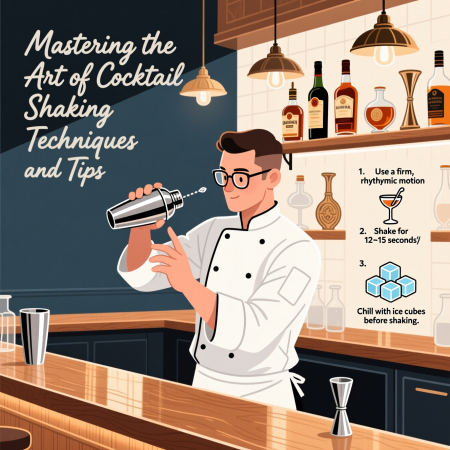
- Rhythm: Shake in a steady back-and-forth motion, about 6-10 shakes per second. Avoid random or jerky movements.
- Speed: Start moderately fast and increase intensity based on the type of cocktail.
- Duration: Most drinks need 10-15 seconds of shaking, but some like creamy or egg-white-based cocktails need a bit longer for proper aeration.
- For citrus-forward cocktails like a classic Margarita or Daiquiri, give a firm, vigorous shake to mix and chill well.
- For creamy drinks or those using egg whites, a longer, harder shake creates a smooth, frothy texture.
- Lighter shakes work for delicate ingredients where you want subtle aeration without too much dilution.
Mastering Different Shaking Techniques
Different cocktails call for different shaking styles to get the perfect mix, texture, and chill. Here’s a quick guide to the main cocktail shaking techniques you should know:| Technique | Description | When to Use |
|---|---|---|
| Standard Shake | The classic shake with ice to chill, dilute, and mix well. | Most citrus-forward or spirit-forward drinks like Margaritas or Daiquiris. |
| Hard Shake | More vigorous and fast, for thicker or dense ingredients. | Creamy cocktails or those with fruit purees and syrups. |
| Reverse Shake | Start without ice, then add ice and shake again. | Drinks with egg whites or delicate emulsions to avoid over-dilution. |
| Dry Shake | Shake without ice first to emulsify (usually egg whites). | Whiskey Sours or cocktails needing frothy texture and thick foam. |
| Double Shake | Two consecutive shakes: dry shake first, then with ice. | Maximizes aeration and dilution for creamy, frothy cocktails. |
Tips for Each Shaking Style:
- Standard Shake: Aim for a smooth, controlled rhythm. Usually 10–15 seconds is ideal.
- Hard Shake: More forceful, but don’t smash your shaker too hard to avoid spills.
- Reverse & Dry Shake: Start slow to allow proper mixing before chilling.
- Double Shake: Helps when working with egg whites or cream, enhancing texture.
Common Mistakes to Avoid While Shaking Cocktails
Mastering the art of cocktail shaking means knowing what not to do is just as important as the right technique. Here are some common cocktail shaker mistakes to watch out for:- Over-shaking or under-shaking: Too much shaking can dilute and water down your drink, while too little leaves it unevenly chilled and mixed. Find the right rhythm to balance dilution and flavor.
- Using the wrong ice or too little ice: Ice is crucial for chilling and dilution. Small or cracked ice melts too fast, watering down your cocktail, while large cubes may not chill enough. Always fill your shaker about two-thirds full of fresh, quality ice.
- Poor shaker seal and spills: A shaky seal can cause leaks or even sprays, ruining your setup. Make sure your shaker halves fit tightly before starting. This is especially important with Boston shakers.
- Ignoring glassware chilling: Cold glasses keep your cocktail refreshing longer. Forgetting to chill your glass can change the perceived taste and temperature of your drink.
- Not adjusting shaking time for different ingredients: Cream, egg whites, and citrus need different shake durations. For example, shaking cocktails with egg whites often requires a dry shake (without ice) first to build froth, then a wet shake. Citrus-forward drinks need vigorous shaking to mix properly, while creamy drinks call for gentler, longer shakes for smoothness.
Advanced Tips and Tricks for Expert-Level Shaking
Once you’ve got the basics down, mastering advanced cocktail shaking techniques can really elevate your drinks. Here are some expert tips to take your shaking game to the next level:- Temperature control techniques: Using ice that’s too warm or too cold can change your cocktail’s balance. Try chilling your shaker or glassware beforehand to keep your drink perfectly cold without over-diluting. For some cocktails, starting with frozen ingredients can help maintain the right temperature throughout the shake.
- Adding flair with presentation and theatrics: A confident shake looks great behind the bar. Experiment with different grips and shaking styles like a reverse shake or a double shake to impress guests while improving aeration and dilution. Smooth, rhythmic movements also help avoid spills and achieve consistent texture.
- Balancing strong or sweet cocktails through shaking: Shaking isn’t just about chilling—it’s about harmony. Vigorous shaking can soften harsh alcohol notes and melt sugar crystals, while a gentler shake maintains structure in more delicate, citrus-forward drinks. Adjust your shake’s intensity depending on the cocktail’s profile for the best flavor.
- How shaking impacts mouthfeel and taste perception: Shaking aerates the drink, adding a frothy texture that smooths out tough edges. This is especially important for cocktails with egg whites or cream. Proper shaking creates a silky mouthfeel that enhances the overall experience.
- Experimenting with unconventional ingredients and techniques: Don’t be afraid to shake surprising mix-ins like herbs, spices, or even sparkling elements. Trying a dry shake before adding ice can unlock new textures, especially with foamy cocktails. Advanced bartenders often tweak shaking duration and speed based on unique recipe demands.
Popular Cocktails That Demand Shaking
Some cocktails simply require shaking to bring out their full flavor and texture. Classics like the Margarita, Daiquiri, and Whiskey Sour are prime examples where shaking makes all the difference. Shaking these drinks properly chills and dilutes them just enough while combining citrus and spirits into a smooth, balanced cocktail. Shaking is especially crucial for cocktails with fresh juices, egg whites, or creamy ingredients since it mixes and aerates the components for a silky mouthfeel. For instance, when making a Whiskey Sour, the shake helps create that signature frothy texture from the egg white while blending tart lemon juice perfectly with the whiskey’s warmth. Variations of these classics give you an excellent way to practice different shaking techniques—try a spicy twist on a Margarita or a frozen Daiquiri to see how shaking intensity and ice selection impact the final drink. For a fresh take on the Margarita, check out this spicy jalapeno Margarita variation, where shaking helps balance the heat with citrus. In all, shaking changes the cocktail’s character by adding chill, proper dilution, and texture that simply stirring can’t achieve. If your goal is to master the art of cocktail shaking, starting with these shaken classics is a solid way to develop both your technique and palate.Cleaning and Maintaining Your Shaker for Longevity
Keeping your cocktail shaker clean is crucial for both hygiene and performance. Different types of shakers—Boston, Cobbler, or French—require slightly different cleaning methods but the goal is the same: remove residue, prevent odors, and avoid stains.How to Properly Clean Different Types of Shakers
- Boston Shaker: Separate the tin and mixing glass. Rinse immediately after use to avoid sticky buildup, then wash with warm, soapy water. Use a brush for the glass if needed.
- Cobbler Shaker: Disassemble all parts (top, strainer, tin) and rinse well. Clean inside crevices with a bottle brush or a sponge.
- French Shaker: Like the Boston, rinse promptly and wash both tins thoroughly.
Preventing Odors and Stains
- Dry your shaker completely before storage.
- For stubborn smells, soak the shaker in a mixture of warm water and baking soda or white vinegar for 15 minutes.
- Regularly polish metal shakers with a mild stainless steel cleaner to prevent stains and keep them looking fresh.
Maintenance Tips for Top Performance
- Check the shaker’s seal regularly; replace rubber gaskets if they wear out to prevent leaks.
- Always use fresh, clean ice—old or melted ice can leave unpleasant tastes.
- Store your shaker in a dry place, preferably disassembled, to avoid trapping moisture which leads to corrosion.