Cultural Influences Shaping Global Cocktail Trends in 2026

Historical Foundations of Cocktail Culture
Ever wondered how global cocktail trends took shape? It all starts centuries ago with colonial trade routes and the birth of punch—a British legacy blending spirits, spices, and citrus in big, shareable bowls. These early mixed drinks were more than just refreshments; they were social glue, drawing people together across continents. Fast forward to the Prohibition era in the U.S. When alcohol went underground, creativity soared. Speakeasies pushed American classics like the Whiskey Sour and the Gin Fizz into the limelight, setting a foundation for global mixology trends. These drinks didn’t just survive Prohibition—they thrived and spread internationally. After World War II, the post-war Tiki culture exploded, fueled by a fascination with Polynesian escapism. Exotic rum-based cocktails, adorned with tropical fruits and flamboyant garnishes, offered a flavorful escape from the everyday. This era elevated rum’s status and introduced the world to a whole new tropical legacy. Then came the craft cocktail revival in the 2000s—a game changer in global cocktail culture. Bartenders started to embrace rare and global ingredients, focusing on quality, authenticity, and storytelling. This movement moved beyond just shaking and stirring; it celebrated heritage spirits and cross-cultural flavors, setting the stage for the diverse, inclusive cocktail scene we enjoy today. The roots of global mixology trends run deep, from British punches and Prohibition classics to Tiki’s tropical flair and the modern craft revival. Each wave added layers, blending history with innovation and culture with creativity—fueling today’s rich, worldwide cocktail landscape.Key Cultural Influences Shaping Modern Trends
When it comes to global cocktail trends, cultural roots play a huge role in shaping what’s popular today. Latin America, for instance, leads with agave spirits. Mexico’s tequila and mezcal are staples in classics like Margaritas and Palomas—with many bartenders now exploring smoky mezcal variations to add depth and complexity. For a taste of Brazil, cachaça shines in Caipirinhas, which blend tropical flavors seamlessly. Further south, Peru and Chile’s pisco stars in the iconic Pisco Sour, prized for its bright citrus and frothy charm. Asia brings both subtle and bold aromatics to global mixology. Japan’s precise highballs showcase yuzu and sake, creating cocktails with clean, refreshing layers. Thailand’s herbal drinks often feature lemongrass and pandan, adding unique, fragrant notes. India’s spices like cardamom and chai inspire modern twists, layering complexity and warmth. Europe keeps the tradition alive with its refined aperitivo culture and herbal influences. Italy’s Aperol Spritz remains a worldwide favorite for its balance of bitterness and brightness, while France contributes with its aromatic cognac and chartreuse infusions plus fresh Riviera-style cocktails. Spain and Portugal offer simple, refreshing options like sangria and the port-tonic, highlighting regional wines and spirits. From the Caribbean and Polynesia, rum-based classics still command attention. Cuba’s Mojito and Daiquiri offer crisp and lively profiles, while Puerto Rico’s Piña Colada is a tropical staple. The modern Tiki revival brings exotic fruits and spices back to bar menus, celebrating these lush island flavors. Emerging influences are gaining momentum too. Africa introduces rooibos for earthy, herbal tones. Korea’s soju is rising in international bars, prized for its smoothness and mixability. Meanwhile, Nordic bartenders embrace hyper-local foraging, incorporating native herbs and berries, pushing sustainability and regional storytelling. For those curious about Mexican agave cocktails, try exploring creative ideas like a spicy twist on the classic Margarita or the smoky mezcal Paloma, both great examples of how regional spirits influence modern mixology trends. For example, you might enjoy discovering a smoky mezcal variation to elevate your Paloma experience. Explore smoky mezcal Paloma recipes or a spicy jalapeño Margarita variation to see these traditions in action. These rich, diverse cultural influences continue to drive creative, cross-cultural cocktails worldwide, blending heritage with innovation.Contemporary Global Trends Driven by Culture
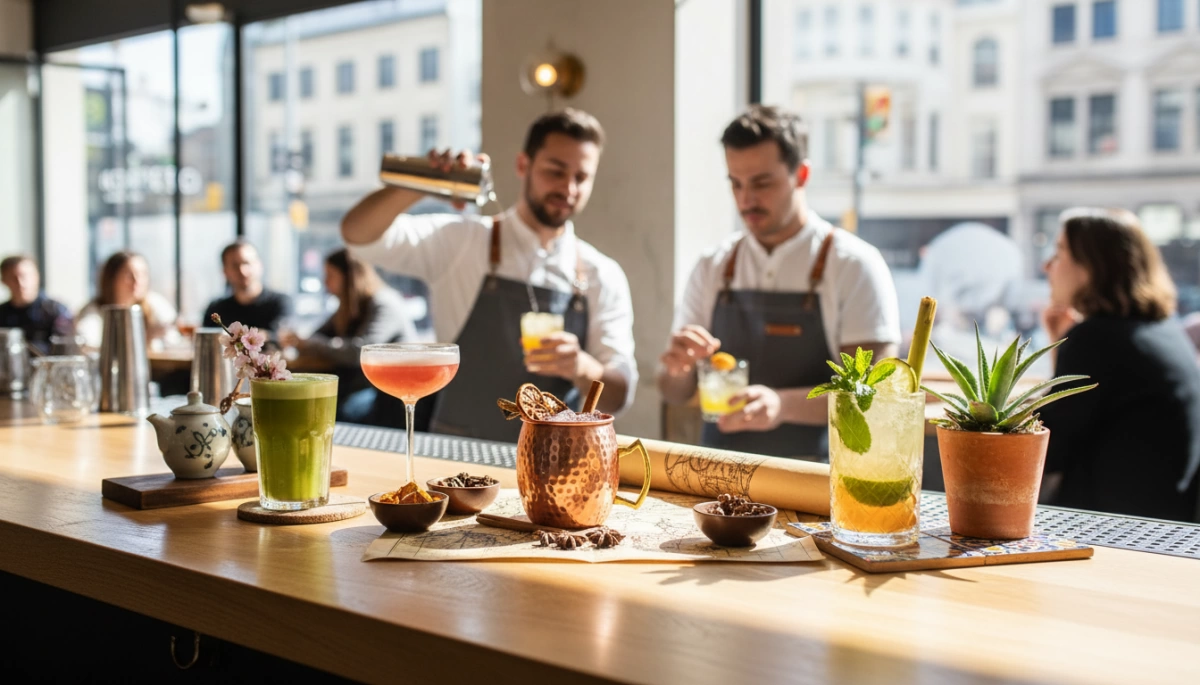
Today’s global cocktail trends are all about cultural fusion and creativity. Cross-cultural cocktails—like yuzu Margaritas blending Japanese citrus with a Latin American classic, or Thai basil Gimlets that add herbal depth—showcase how mixologists are mixing international flavors in exciting ways. These fusion cocktail recipes highlight global flavor infusions by combining distinctive regional spirits and exotic ingredients, sparking fresh interest in global mixology trends. Culinary crossover has become another key influence, with bartenders drawing on savory, herbaceous, and even functional ingredients inspired by world cuisines. From spices to botanicals, cocktails today often feel like mini cultural experiences on the palate. This culinary influence pushes innovation beyond sweet and sour, embracing more complex, layered drinks. Sustainability and authenticity also drive modern mixology. There’s a growing respect for provenance—using regional spirits and ingredients sourced responsibly—so drinks reflect true cultural heritage. This approach appeals to customers who value heritage spirits trends and want genuine flavors in every glass. Finally, bars are transforming into immersive cultural storytelling venues. The best cocktail spots now offer more than just drinks; they create atmospheres that celebrate traditions and regional identities, turning every sip into a journey. This elevates the role of bartenders as cultural ambassadors who connect people through international cocktail flavors. For those exploring refreshing cultural blends, you might enjoy the bright zest of a homemade Margarita or the herbal lift of a citrus basil smash, ideal for bringing global mixology into your own home bar. Check out recipes for a homemade Margarita mix or a Citrus Basil Smash for evenings to start experimenting.The Future of Culturally Influenced Cocktails
Looking ahead to 2026-2026, the world of cocktails will strongly lean into hyper-local vs. global blends. Bartenders and mixologists are increasingly sourcing ingredients from nearby farms, forests, and artisan producers, bringing a deep sense of place to each drink. At the same time, global flavor infusions will keep expanding, creating fusion cocktails that merge far-flung traditions—think local herbs paired with exotic spirits for fresh, unexpected profiles. Wellness trends will continue shaping cocktails, with more drinks incorporating functional ingredients like adaptogens, herbs, and low- or no-alcohol bases to appeal to health-conscious consumers. Sensory innovations will also grow, focusing on aroma, texture, and visual appeal—turning cocktails into fuller, immersive experiences that engage all the senses. Bartenders will play a crucial role as cultural ambassadors, sharing the stories behind regional spirits and ingredients while respecting their origins. Their expertise will bridge traditional practices with modern creativity, helping preserve heritage spirits trends and celebrating international cocktail flavors authentically. The main challenge remains balancing innovation with cultural respect. It’s vital for bartenders and brands to avoid cultural appropriation by honoring the traditions behind ingredients and drinks rather than simply capitalizing on trends. This respect not only preserves authenticity but enriches global mixology trends with genuine cultural depth. For a taste of classic balance alongside innovation, exploring recipes like the Classic Manhattan with Perfect Balance offers insight into how tradition and creativity can coexist beautifully.Bonus: Signature Cocktails from Around the World
Here’s a curated list of iconic cocktails that showcase cultural influences and global mixology trends. Each drink tells a story through its regional spirits and flavors, making these recipes perfect for anyone interested in cross-cultural cocktails and world cocktail origins.-
Margarita (Mexico)
Made with tequila, lime juice, and triple sec, this agave-based classic highlights Mexico’s vibrant spirit traditions. Try swapping lime for yuzu for a modern twist. -
Caipirinha (Brazil)
Featuring cachaça, sugar, and lime, this tropical gem is Brazil’s national cocktail—refreshing and simple with a pure sugar-cane spirit base. -
Pisco Sour (Peru/Chile)
A frothy cocktail using pisco, lime, egg white, and bitters, it’s famous for its balance of sour and sweet, representing Andean heritage. -
Japanese Highball
Precision and purity shine with Japanese whisky and soda water, enhanced by subtle citrus like yuzu. A perfect example of Asian ingredients in mixology. -
Mojito (Cuba)
Rum, fresh mint, lime, sugar, and soda combine for a refreshing Cuban classic that highlights Caribbean and Polynesian rum legacies. -
Aperol Spritz (Italy)
Known for its vibrant orange hue and bitter-sweet profile, this aperitivo is all about Italian herbal traditions that have shaped modern global cocktail flavors. -
Piña Colada (Puerto Rico)
With rum, coconut cream, and pineapple juice, it embodies the tropical and fruity tiki culture revival, a favorite for island escapism. -
Sangria (Spain)
A simple blend of wine, fruit, and brandy, it perfectly captures Iberian roots and laid-back cultural fusion drinks. -
Chartreuse Swizzle (France)
Featuring the iconic herbal liqueur Chartreuse, this drink offers complexity and depth, reflecting France’s refined cocktail heritage. -
Soju Sour (Korea)
A modern twist on the classic sour, incorporating soju and citrus, this drink represents rising influences from Asia in global cocktail scenes. -
Rooibos Old Fashioned (South Africa)
Infusing local rooibos tea with bourbon or whiskey, this cocktail highlights emerging African ingredients cocktails with a sustainable focus. -
Thai Basil Gimlet (Thailand)
Using fresh Thai basil and lemongrass, this herbaceous cocktail is an excellent example of culinary crossover and cross-cultural fusion cocktails.