Category: Cocktails

  • Amaretto Sour

    Amaretto Sour

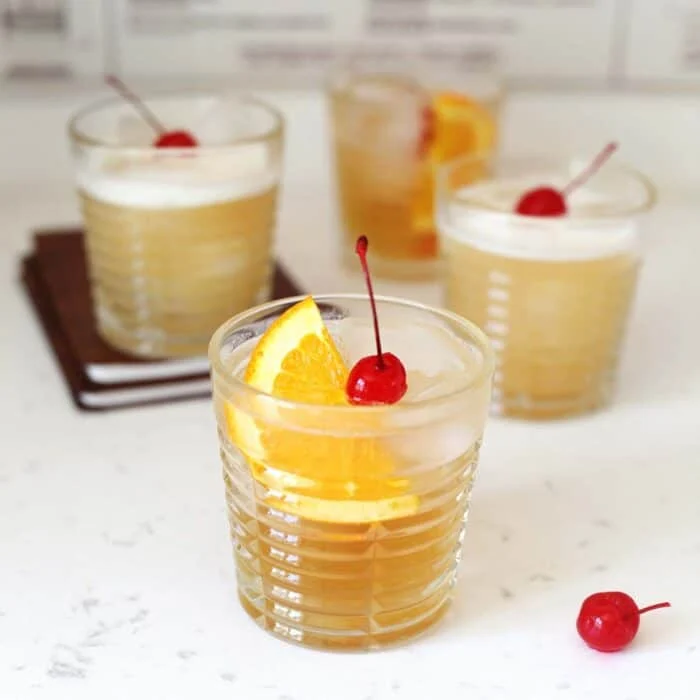
    The next time you’re looking for an easy-to-make, not-too-boozy dessert cocktail, might I recommend an Amaretto Sour. There are two basic ways to make this classic cocktail; one is simple with only three ingredients and the other is more modern with egg-white added into the mix. Either way I know you will love these amaretto sour recipes as much as I do!

    If you’ve never had an amaretto sour before here’s what you can expect. Amaretto is an Italian liqueur that tastes like almond and an. This drink is on the sweeter side but still balanced and not too boozy. It’s bright and refreshing flavor makes it the perfect summer drink, but you can enjoy it year round.

    Amaretto Sour Ingredients

    • Amaretto liqueur
    • Simple syrup
    • Lemon juice
    • Cherries and orange for garnish

    Depending on what you have available in your pantry you can swap the simple syrup and the lemon juice for homemade sour mix.

    Amaretto Sour Variations

    This is a super popular drink with all kinds of fun additions/customizations you can make. Here are a few ideas:

    • Use a fruit infused syrup like orange simple syrup to enhance the fresh flavor of the drink.
    • Add an additional alcohol flavor like bourbon or whiskey.
    • Use Sprite or another lemon-lime flavored carbonated drink, or even plain club soda to top off the cocktail and add a little fizz. If using Sprite add it right before serving so that the soda doesn’t go flat.

    Modern Amaretto Sour – with Egg White

    While the original amaretto sour was introduced to the mid 1970s it was updated in 2021 by bartender Jeffrey Morgenthaler with the addition of bourbon and egg white to create a more boozy, rich cocktail.

    Cocktails made with egg whites typically have a foamy top. It’s a staple of many vintage cocktails. And while it’s never fully safe to consume raw eggs, it has become a staple of many trendy cocktail menus.

    Modern Amaretto Sour Ingredients

    • Amaretto liqueur
    • Bourbon – cast-strength is recommended
    • Lemon juice
    • Simple syrup
    • Egg white

    One egg white is roughly one ounce of liquid. You only need half an ounce for one serving so it’s best to make this version two at a time—perfect for a party!

    Amaretto Sours; they are fun, they are sweet, they are delicious. Cheers!

  • Homemade Margarita Mix

    Homemade Margarita Mix

    Today, I’m excited to share my recipe for homemade margarita mix. It’s insanely easy to make (with only two ingredients, plus water!).

    The difference between homemade margarita mix and something you buy at the store is kind of insane, though. Sometimes the store-bought mixes can be syrupy and gross. Homemade tastes SO much fresher.

    Homemade Margarita Mix Ingredients:

    1/2 cup sugar
    1 cup water
    1 cup fresh lime juice (about 10 limes)

    Squeeze the lime juice into a bowl or measuring cup. I love this handy tool for juicing lemons and limes.

    Heat the water and sugar in a saucepan over medium heat until the sugar has dissolved. Let the mixture cool a bit before adding in the lime juice. Mix together and pour into a glass carafe or mason jar.

    Refrigerate the mix for up to two weeks.

    How to Make a Homemade Margarita:

    Ingredients:

    1 shot tequila
    1/2 shot Triple Sec
    homemade margarita mix
    ice

    Add 1 shot of tequila and half a shot of triple sec to a margarita glass (or these cactus glasses!). Add the ice and fill the rest of the glass with homemade margarita mix.

    It’s super simple! Don’t forget to salt your rim and try a lime-flavored salt if you’d like.

    This homemade margarita mix is perfect for parties. You can easily tweak the proportions to make a large or small batch depending on how many you’ll be serving!

    You could even use a cast iron pot like this when making a bigger batch of mix.

    Can I Make Different Flavors of Margarita Mix?

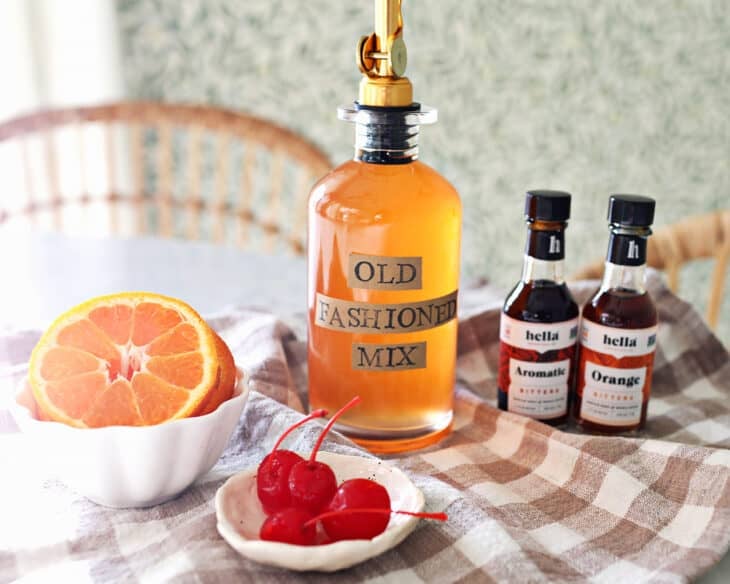
    Yes! You can make different variations of this recipe by using grapefruit juice, orange, or cranberry juice instead of lime juice. You can even make your own strawberry margarita mix. If you like this recipe be sure to try our homemade old fashioned cocktail mix.

    So many options! Don’t be afraid to experiment.

  • Tropical Mai Tai Recipe with Layered Flavors for Perfect Home Cocktails

    Tropical Mai Tai Recipe with Layered Flavors for Perfect Home Cocktails

    If you’re craving a Tropical Mai Tai with Layered Flavors that transports you straight to a sun-soaked beach, you’re in the right place. This isn’t your run-of-the-mill Mai Tai—think perfectly balanced rums meeting fresh lime, nutty orgeat, and a signature dark rum float that adds depth both visually and on the palate. Whether you want a classic tiki vibe or a vibrant tropical twist, I’ll show you how to craft this iconic rum cocktail with easy steps and pro tips that guarantee restaurant-quality results at home. Ready to shake things up? Let’s dive in!

    History of the Mai Tai

    Ever wondered where the Mai Tai comes from? This iconic tropical rum cocktail has a rich history dating back to 1944. The classic Mai Tai recipe is often credited to Trader Vic, who created it to showcase the full depth of rum with simple, quality ingredients. However, Don the Beachcomber also claims to have invented a similar version around the same time, sparking a friendly debate in tiki circles.

    Originally, the Mai Tai was all about the rum. Trader Vic’s authentic Mai Tai highlighted aged and light rum combined with fresh lime juice, orange curaçao, and orgeat syrup—delivering a perfectly balanced, layered cocktail that celebrated the spirit rather than masking it. Over the years, the drink evolved dramatically, especially in Hawaii. The tropical rum cocktail took on fruitier adaptations with added pineapple juice and sweeter mixers, turning it into a pineapple-heavy, sugary version popular at beach bars.

    Despite these changes, the classic layered profile of the Mai Tai stands out. Unlike many modern twists that rely on excessive sweetness, the original recipe offers a refreshing balance of tart, nutty, and citrus flavors with a dark rum float that adds depth and visual flair. That’s why many enthusiasts prefer the classic Mai Tai—a true tiki drink recipe that respects its roots and delivers complex, satisfying flavors without overwhelming sugar.

    In short: if you want a Mai Tai with layered flavors that truly shines, the classic approach remains unbeatable.

    Key Ingredients and Why They Create Layered Flavors

    The Tropical Mai Tai with layered flavors stands out thanks to its carefully balanced ingredients. The foundation is aged and light rum, which provide a smooth, rich base. A float of dark rum on top adds depth and a hint of molasses, giving that signature rum float technique that’s key to the classic Mai Tai’s complexity.

    Freshly squeezed lime juice brings bright acidity, cutting through the sweetness and keeping the drink lively. Then there’s orange curaçao, a slightly bitter, orange-flavored liqueur that adds aromatic citrus notes without overpowering the other flavors. Don’t forget orgeat syrup—a sweet almond syrup that delivers subtle nutty richness and rounds out the cocktail’s body.

    For those who love a tropical twist, adding pineapple juice can enhance the fruitiness and give the Mai Tai a juicy, Hawaiian vibe. However, be cautious not to overdo it, or you risk losing the classic layered profile.

    When sourcing ingredients, quality matters. Use a real orgeat syrup made with almonds rather than artificial almond flavor, which makes a big difference in authenticity and taste. Similarly, choose good-quality rums—avoid cheap blends that can taste harsh or overly sweet.

    By combining these core components thoughtfully, you get a vibrant, layered Mai Tai that showcases rum’s versatility while delivering a perfectly balanced tropical cocktail. For insights into crafting syrup ingredients that complement tiki drinks, you can also check out this detailed guide on vanilla syrup, which pairs well for creative variations.

    Essential Tools and Glassware

    To craft a perfect Tropical Mai Tai with layered flavors, having the right bar tools makes all the difference. You’ll want a reliable shaker to mix the ingredients smoothly, a jigger for accurate measuring, a strainer to keep ice out of the glass, and a bar spoon for gentle stirring when needed. These basics ensure your Mai Tai is balanced and well blended.

    Choosing the right glassware also enhances the drinking experience. The classic rocks glass is a popular choice, showing off the vibrant layers beautifully. For a more authentic tiki vibe, opt for a tiki mug or a double old-fashioned glass—both add flair and hold plenty of ice.

    Speaking of ice, use crushed ice in your Mai Tai. It chills the drink quickly and dilutes it just enough to soften the potent rums and syrups, preserving the layered cocktail profile. Crushed ice is essential for that refreshing chill and proper dilution typical of summer tiki drinks.

    For anyone looking to elevate their home bar Mai Tai setup, these tools and glassware choices are key to nailing the presentation and flavor every time.

    Step-by-Step Recipe: Tropical Mai Tai with Layered Flavors

    Here’s how to craft a perfect Tropical Mai Tai with that iconic layered profile, made for one serving:

    Ingredients:

    • 1 oz aged rum
    • 1 oz light rum
    • 0.5 oz fresh lime juice
    • 0.5 oz orange curaçao
    • 0.5 oz orgeat syrup
    • 0.25 oz dark rum (for float)
    • Optional: 0.5 oz pineapple juice for tropical fruitiness
    • Ice (crushed preferred)

    Instructions:

    1. Add Ingredients: Start by filling a shaker with ice. Pour in aged rum, light rum, fresh lime juice, orange curaçao, orgeat syrup, and pineapple juice if using.
    2. Shake: Shake vigorously for about 10-15 seconds to chill everything well and mix those complex flavors.
    3. Strain: Strain into a rocks glass or tiki mug filled with crushed ice. Crushed ice helps chill the drink while controlling dilution.
    4. Dark Rum Float: Slowly pour the dark rum over the back of a bar spoon so it floats gently on top. This creates the distinct dark rum float, a hallmark of layered tiki drinks.
    5. Serve: Add garnish, then serve immediately to enjoy the layers before they blend.

    Pro Tips for Perfect Layering and Chilling:

    • Use fresh lime juice—it brightens the cocktail and balances sweetness.
    • Crushed ice melts evenly, which keeps your Mai Tai chilled without watering it down fast.
    • The dark rum float should be poured slowly to sit on the surface, visually separating it from the lighter base.
    • Pre-chill your glass if possible to maintain overall chill longer.
    • Don’t rush shaking—vigorous shakes marry the ingredients while aerating the drink, enhancing flavors.

    This classic Mai Tai recipe showcases rum’s depth with fresh citrus and nutty orgeat syrup, then finishes with that signature dark rum float for eye-catching layers and bold taste. For a deeper dive on refreshing sides, pair your Mai Tai with grilled seafood or spicy appetizers like Hawaiian poke for a full tropical experience.

    If you want to explore more irresistible recipes like this, check out our collection of easy recipes and party ideas.

    How to Garnish for Maximum Tropical Appeal

    A Tropical Mai Tai with layered flavors deserves a garnish that looks as good as it tastes. Classic options like a fresh mint sprig, a vibrant lime wheel or shell, a juicy pineapple wedge, or a bright maraschino cherry instantly add color and aroma to your drink. These simple touches highlight the cocktail’s island vibe while complementing its signature rum float and citrus notes.

    For a creative twist and extra visual wow factor, try adding edible flowers or a colorful paper umbrella. These give your Mai Tai a festive, tiki drink feel, perfect for summer parties or poolside sipping. Combining classic and creative garnishes makes the presentation pop, enhancing the overall tropical experience of your Mai Tai recipe.

    Variations to Customize Your Mai Tai

    The Tropical Mai Tai with layered flavors is super versatile, making it easy to tweak for your taste or occasion.

    • Fruity twists: Swap or add tropical fruits like mango or passion fruit juice for a juicy upgrade. Coconut rum can also replace part of the regular rum to bring out that island vibe without losing the classic spirit of the cocktail.
    • Stronger classic version: Skip the fruit juices altogether to highlight the rums, lime, orgeat, and orange curaçao. This keeps the drink bold and rum-forward, just like the authentic Trader Vic Mai Tai.
    • Batch recipe for parties: Scale up the recipe by multiplying the ingredients and mixing in a pitcher. Keep the dark rum float separate to pour over individual servings. Perfect for luau parties or poolside gatherings where you want a consistent, chilled tropical rum cocktail ready to go.

    Experimenting with these variations helps you find your personal twist on a classic layered cocktail, whether you want it more refreshing or more potent.

    Common Mistakes to Avoid in Your Tropical Mai Tai

    When crafting a Tropical Mai Tai with layered flavors, certain mistakes can easily throw off the balance and spoil the experience. Here are the most common pitfalls and how to fix them:

    • Over-sweetening: Using too much orgeat syrup or pineapple juice can make the Mai Tai cloying and mask the rum’s complexity. Measure carefully and adjust sweetness gradually. If it’s too sweet, a splash of fresh lime juice can restore balance.
    • Poor rum choices: The layered cocktail shines because of quality aged and dark rums. Avoid overly cheap or neutral rums—they dull the depth and ruin the signature dark rum float. Invest in good-aged rums for the base and a rich, heavy dark rum for the float.
    • Skipping fresh lime juice: Fresh lime juice is crucial for brightness and acidity. Bottled lime can’t replace that zesty punch and will result in a flat drink. Always use fresh lime to keep your Mai Tai lively.
    • Fixing layering issues: If the dark rum float sinks or blends too soon, pour it slowly over the back of a spoon onto the drink’s surface. Use slightly denser rum or chill the glass and drink before floating to help maintain layers.
    • Imbalance in flavors: Taste as you go. If your Mai Tai feels off, tweak by adding a bit more lime or a touch more orgeat—but avoid going overboard.

    Avoiding these mistakes ensures your Mai Tai recipe delivers that perfect tropical rum cocktail experience every time.

    Pairing Suggestions and Serving Ideas

    A Tropical Mai Tai with layered flavors pairs brilliantly with fresh, vibrant dishes that complement its rum-forward profile. Think grilled seafood like shrimp skewers or mahi-mahi, which highlight the cocktail’s citrus and tropical notes. Spicy appetizers such as jalapeño poppers or tiki-style wings match the Mai Tai’s balanced sweetness and add a little kick to your palate. For an authentic island vibe, Hawaiian poke bowls—with their fresh fish and umami punch—are a perfect match.

    This layered cocktail shines for summer BBQs, luau parties, or just poolside sipping with friends. Its refreshing quality and iconic dark rum float make it an ideal companion for outdoor gatherings where tropical rum cocktails set the mood. Whether you’re serving the classic Mai Tai recipe or a fruitier pineapple Mai Tai variation, these pairings keep the flavors bright and memorable.

    For more tropical cocktail inspiration, try exploring other tiki drink recipes like the Bramble cocktail to add variety to your home bar lineup.

    FAQs about Tropical Mai Tai with Layered Flavors

    What’s the difference between classic and tropical Mai Tai?

    The classic Mai Tai, as crafted by Trader Vic, focuses on a balanced blend of aged rum, fresh lime juice, orgeat syrup, and orange curaçao with a dark rum float on top—showcasing crisp, layered flavors without overpowering sweetness. Tropical Mai Tai variations often add fruitier elements like pineapple or passion fruit juice, making them sweeter and more vibrant but sometimes less nuanced than the original layered cocktail.

    Can I make it non-alcoholic?

    Yes! For a non-alcoholic version, substitute the rum with quality non-alcoholic rum alternatives or a mix of tropical fruit juices combined with a splash of non-alcoholic bitters. Keep fresh lime and orgeat syrup to retain that classic Mai Tai flavor profile. This way, you enjoy the layered tropical feel without the alcohol.

    What are the best rums for layering in a Mai Tai?

    For a perfect layered cocktail, use a combination of light or aged rum in the base and a richer dark rum for the float. The aged or light rum offers smoothness and subtle sweetness, while the dark rum float creates a visual and taste contrast that enhances aroma and depth. Avoid overly sweet or flavored rums as they can muddy the balance.

    How do I store or make a Mai Tai ahead of time?

    You can prepare the base mix (rum, lime juice, orgeat, and orange curaçao) in advance and refrigerate it for up to 24 hours. Add the dark rum float and fresh ice just before serving to keep the signature layered look and fresh taste. Avoid pre-mixing ice or garnishes to prevent dilution and loss of visual appeal.

    For mastering cocktail techniques, check out related guides like this detailed Old Fashioned cocktail recipe to improve your shaking and layering skills.

  • The Bramble Cocktail

    The Bramble Cocktail

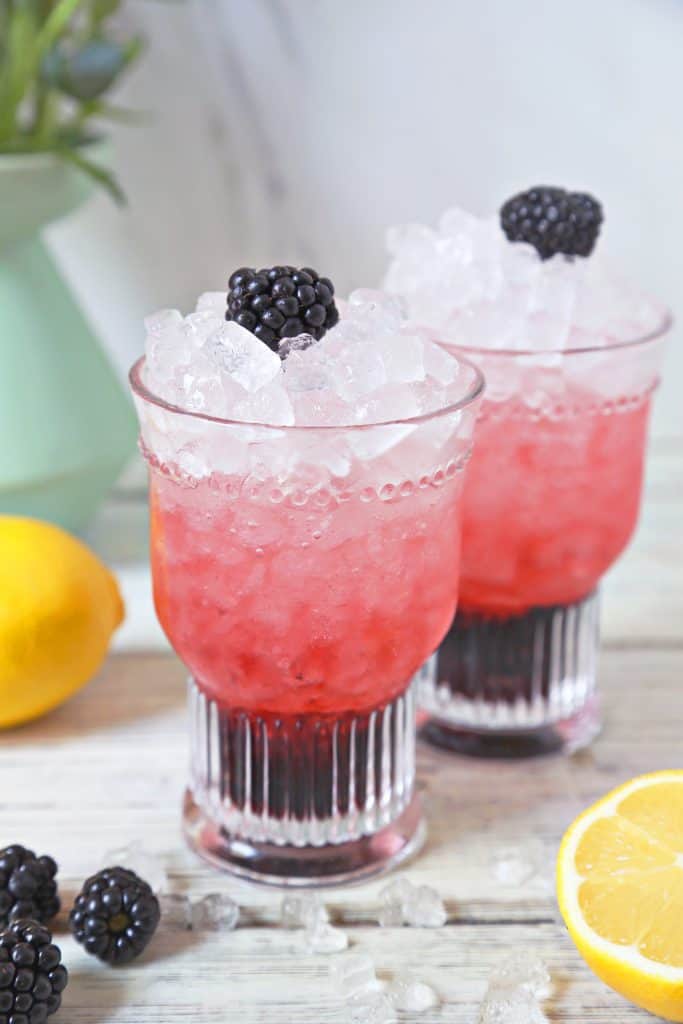
    The Bramble is easily one of my favorite cocktails. It’s sour, refreshing, and fruity—which are all the things I love in a cocktail during the warmer months.

    The Bramble is a blackberry-based cocktail that’s rather simple to make and is nicely balanced in flavor. It was invented in the 1980s by Dick Bradsell at Fred’s Soho Club in London, but is actually a spin on a more classic cocktail called a Fix.

    A Fix is a sour served down on crushed ice and was first recorded in How to Mix Drinks by Jerry Thomas in 1862. Crushed ice drinks are perfect for summer because they’re like boozy snow cones, am I right?

    The other great thing about a Fix-style cocktail is that any fruit in season can be muddled in the glass before adding the ice and undiluted cocktail.

    In addition, this drink also works great with any spirit. That is how The Bramble was born, so let’s get mixing, shall we?

    The Bramble, serves 1

    2 ounces gin
    3/4 ounce lemon juice
    3/4 ounce simple syrup
    4-5 blackberries, muddled

    This drink is so simple to make that I think it will amaze you! Add gin, lemon, and simple syrup to a cocktail shaker and dry shake (no ice) to incorporate ingredients. In a serving glass, preferably a double rocks glass , muddle the blackberries.

    Fill the glass with crushed ice and then top with the bramble mixture. Top with more crushed ice and garnish with a blackberry.

    Not only is The Bramble so delicious and refreshing, but it’s easy to make and visually stunning. I love how the fruit is layered and the color of the drink changes as you drink it. The other great part about this drink is you can tailor it to your particular taste.

    You can change the spirit or even the fruit depending on the season, which makes it great to have in your repertoire all year long. I hope you’ll make The Bramble at home this summer. Cheers!

  • Herbal Rosemary Gimlet Recipe Fresh Twist with Homemade Syrup

    Herbal Rosemary Gimlet Recipe Fresh Twist with Homemade Syrup

    Ingredients for Herbal Rosemary Gimlet

    Creating the perfect rosemary gimlet recipe starts with using fresh, quality ingredients. Here’s what you’ll need for one serving—easy to scale up for parties or batches.

    Core Ingredients (per serving):

    • 2 oz gin
      Choose a dry London gin or a herbal variety with rosemary or botanical notes. These gins enhance the drink’s herbal depth and complement the rosemary syrup.
    • 1 oz fresh lime juice
      Freshly squeezed lime is a must for that bright, crisp zing in your lime gin drink. Bottled just won’t do here!
    • ¾ oz rosemary simple syrup
      Homemade syrup is the heart of this cocktail. It offers a natural, aromatic sweetness with a fresh rosemary twist.

    Garnishes:

    • 1 fresh rosemary sprig
      For aroma and visual appeal, a bruised sprig opens up those herbal oils.
    • 1 lime wheel
      Adds color and a subtle hint of citrus to your presentation.

    Tools Needed:

    • Cocktail shaker
    • Strainer (fine mesh recommended for double-strain clarity)
    • Jigger for precise measurements
    • Glassware: Choose a coupe glass for an elegant presentation or a rocks glass for a more casual vibe.

    By focusing on these fresh ingredients and the right tools, your herbal gin cocktail will shine with every sip!

    How to Make Rosemary Simple Syrup

    Making fresh rosemary simple syrup at home is straightforward and brings a vibrant herbal touch to your rosemary gimlet recipe. Here’s how:

    Step-by-step Instructions

    1. Combine 1 cup water and 1 cup granulated sugar in a small saucepan.
    2. Add 3-4 fresh rosemary sprigs to the mixture.
    3. Bring to a gentle simmer over medium heat, stirring until the sugar dissolves.
    4. Remove from heat and let the syrup steep with rosemary for 20-30 minutes to infuse those aromatic herbal notes.
    5. Strain out the rosemary sprigs and cool the syrup before use.

    Tips for Intensity

    • For a stronger herbal flavor, add more rosemary sprigs or steep for up to 45 minutes—but avoid over-steeping, as it may turn bitter.
    • Taste the syrup during steeping to find your perfect balance.

    Storage and Shelf Life

    Store your rosemary simple syrup in a sealed bottle or jar in the fridge. It will keep fresh for up to two weeks, making it easy to whip up herbal gin cocktails anytime.

    Alternatives

    If you’re short on time, try a quick infusion method by pouring hot water over rosemary and sugar, stirring until dissolved, then letting it steep for 10 minutes. While store-bought simple syrup can work in a pinch, nothing beats the fresh herbal punch of homemade rosemary syrup for your rosemary infused cocktail.

    For more homemade infusion ideas, check out this guide on making fresh herb-infused olive oil at home, which shares useful infusion tips that apply to syrups, too.

    Step-by-Step Recipe Instructions for Herbal Rosemary Gimlet

    Start by adding 2 oz of your chosen gin (preferably a dry London or herbal gin with rosemary notes), 3/4 oz fresh lime juice, and 3/4 oz of your homemade fresh rosemary simple syrup into a cocktail shaker. Fill the shaker with ice and shake vigorously for about 15 seconds until well chilled and nicely diluted.

    Next, strain the mix through a fine strainer to remove any ice shards and herb bits. For a refined rosemary gimlet, serve it “up” in a chilled coupe glass to enhance the herbal aroma and presentation. For a more relaxed vibe, pour the cocktail over fresh ice in a rocks glass.

    Pro tips:

    • Chill your glass beforehand to keep the drink colder longer.
    • Double-strain the cocktail for a clean, clear pour.
    • Lightly bruise a fresh rosemary sprig to release those fragrant oils as a garnish alongside a fresh lime wheel, boosting the aroma with every sip.

    For parties or batch prep, multiply the ingredients and mix them in a pitcher. Keep the batch chilled and stir before serving to maintain freshness. This approach streamlines making this rosemary infused cocktail for groups without losing the crisp, herbal character of the classic gimlet twist.

    This fresh lime gimlet with rosemary syrup is perfect any time you want an easy herbal gin cocktail that’s both elegant and accessible. For further balancing ideas, see the tips on adjusting sweetness and acidity later on.

    For a related treat during gatherings, try pairing it with light appetizers like cheese boards or grilled vegetables—perfect for holiday or summer patios. You might also find inspiration in these easy homemade recipes to complement your cocktail spread.

    Flavor Profile and Pairings

    The Herbal Rosemary Gimlet delights with a crisp, herbal character balanced by a subtle sweetness and a bright, tart finish from fresh lime juice. The fresh rosemary simple syrup adds an aromatic depth, making this gin gimlet variation both refreshing and complex.

    For food pairings, think light and fresh: cheese boards, seafood dishes, grilled vegetables, or a holiday charcuterie spread all work beautifully alongside this botanical gin recipe. Its crispness cuts through rich flavors without overpowering them.

    This rosemary-infused cocktail shines year-round. It’s perfect as a cool summer patio refresher but also holds its own during cozy winter holidays. Whether served shaken up or on the rocks, it complements seasonal gatherings and casual nights alike.

    For those interested, you may also enjoy exploring a well-balanced sweet and sour mix to complement your cocktail collection.

    Variations and Customizations

    The Herbal Rosemary Gimlet is versatile and easy to tweak based on your taste or occasion. For a cleaner, more neutral drink, try swapping gin for vodka—it keeps the herbal notes bright but softens the botanical punch.

    Want a fruitier twist? Muddle fresh blackberries, grapefruit slices, or cucumber right in the shaker for a refreshing herbal gin cocktail that’s bursting with extra flavor.

    Adjusting sweetness or tartness is simple: just play with the rosemary simple syrup or fresh lime juice ratios to suit your palate.

    For seasonal vibes, add a splash of maple syrup for cozy fall warmth or top your rosemary syrup gimlet with tonic water to make a fizzy, refreshing highball perfect for summer patios or holiday gatherings.

    If you prefer a non-alcoholic option, substitute gin with herbal tea or a quality seedlip alternative to keep the fresh rosemary and lime flavors front and center.

    These easy herbal gimlet variations make it simple to tailor the classic gimlet twist to any mood or moment.

    Common Mistakes and Troubleshooting

    When making a Herbal Rosemary Gimlet with Fresh Twist, a few common mistakes can affect the final flavor. First, avoid bitterness by not over-steeping your fresh rosemary simple syrup—too much time or too many sprigs can turn herbal notes harsh and overpower the drink. Keep the infusion balanced for that perfect herbal gin cocktail.

    Next, watch for balance issues. The gimlet’s charm comes from its mix of tart lime and subtle sweetness from the rosemary syrup. Always taste and adjust the sweetness or acidity to your liking before serving. If it feels off, a bit more syrup or an extra squeeze of fresh lime juice can fix it quickly.

    Speaking of lime, always choose fresh lime juice over bottled. Bottled lime lacks the brightness and natural aroma essential to a fresh lime gimlet. This small swap makes a huge difference in keeping your Rosemary Gimlet lively and crisp.

    If you’re scaling up for a party, consistency is key. Here are some scaling tips for smooth results:

    • Multiply all ingredients precisely, especially gin and syrup.
    • Stir your rosemary simple syrup batch well before using.
    • Adjust steeping time only if making larger quantities to maintain flavor balance.

    Keeping these tips in mind will help you nail the classic gimlet twist every single time without bitterness or imbalance.

    For more cocktail tips, you might also enjoy our detailed guide to a classic Manhattan drink, which shares pro tricks on ingredient balance and mixing.

    FAQs about Herbal Rosemary Gimlet with Fresh Twist

    Question Answer
    Can I use dried rosemary? No—fresh rosemary is essential for that vibrant herbal gin cocktail flavor and brightness.
    What’s the best gin? Dry London gin or botanical varieties with herbal notes, especially those hinting at rosemary.
    Is this recipe vegan/keto? Yes! It’s naturally vegan and keto-friendly using simple rosemary syrup (no additives).
    How should I store leftovers? Keep in a sealed container in the fridge up to 2 weeks. Use fresh lime juice when mixing again.
    How does it differ from classic gimlet? The herbal rosemary syrup adds a fresh, aromatic twist to the classic lime gin drink.

    These quick tips will help you master the best rosemary gimlet recipe every time—fresh rosemary simple syrup sets it apart and keeps the flavors crisp and balanced. For more cocktail inspiration, check out this elegant espresso martini recipe.

  • Easy Fizzy Aperol Spritz Alternative Recipes to Make at Home

    Easy Fizzy Aperol Spritz Alternative Recipes to Make at Home

    If you love the bright, bubbly charm of an Aperol Spritz but don’t have Aperol on hand—or want a fizzy Aperol Spritz alternative at home—you’re in exactly the right place. Whether you’re after a refreshing non-alcoholic mocktail, a lower-alcohol twist, or a custom homemade version bursting with bittersweet orange vibes and effortless fizz, these easy recipes bring that iconic spritz sparkle straight to your glass. Get ready to shake up your summer sipping with simple, vibrant ideas you can whip up anytime, no fancy ingredients required. Let’s dive in and make your next spritz just as dazzling—without the Aperol!

    What Makes the Perfect Aperol Spritz Alternative

    The classic Aperol Spritz is all about that magical balance: the bittersweet orange flavor, lively fizz from sparkling wine or soda, a touch of light bitterness, and an ice-cold, refreshing serve. When crafting a fizzy Aperol Spritz alternative at home, these elements are the foundation.

    Here’s what to aim for in any substitute:

    • Vibrant color: Think that signature sunset-orange glow that instantly lifts your mood.
    • Balanced sweet-bitter profile: Not too sweet, not too sharp — just perfect harmony.
    • Effervescence: The sparkle from prosecco, cava, or a great sparkling soda makes every sip fun.
    • Chill factor: Serve it over plenty of ice for that crisp, refreshing finish.

    Homemade versions truly shine because they give you full control over every detail. Want it lighter or stronger? Sweeter or more bitter? You decide. With simple tweaks in ingredients and ratios, your fizzy Aperol Spritz alternative can be tailored to your exact taste — no compromises.

    You’ll be amazed how close a homemade spritz recipe can get to the real deal, without the alcohol or with fewer calories, making every glass just as festive and delicious.

    Non-Alcoholic Aperol Spritz Mocktail Recipes

    If you want a fizzy Aperol Spritz alternative at home without alcohol, there are a few standout options. The easiest is a classic virgin Aperol Spritz dupe using commercial non-alcoholic (NA) aperitifs like Italian-style spritz substitutes. These usually follow a light version of the 3-2-1 ratio—3 parts sparkling wine or NA sparkling wine, 2 parts NA aperitif, and 1 part soda water. Simply pour over plenty of ice and garnish with an orange slice.

    If you don’t have access to specialty NA spirits, try a simple juice-based mocktail. Combine orange and grapefruit juice for that bittersweet citrus base, then add a few dashes of orange bitters or a splash of herbal syrup to mimic the light bitterness of Aperol. Play with cranberry or blood orange juice for a vibrant color and a tart twist that keeps things refreshing.

    For a bit more complexity, an herbal twist mocktail brings in elderflower cordial or fresh ginger. Elderflower adds delicate floral notes, while ginger gives a little zing—both boost freshness while maintaining the spritz’s effervescent charm.

    When picking your fizz, a good quality NA sparkling wine works best, but soda water or a lightly flavored sparkling mineral water can also do the job if you’re after a lighter option. Using fresh ice and an elegant glass really completes the experience.

    If you want more ideas on fresh herbal infusions perfect for spritzes, check out this guide on making your own fresh herb-infused olive oil at home, which can inspire similar DIY herbal touches for drinks.

    Low-Alcohol or Boozy Alternatives Using Other Liqueurs

    If you want a fizzy Aperol Spritz alternative with a bit of buzz, exploring other liqueurs is a great option. These low-alcohol spritz variations keep the refreshing fizz but swap out Aperol for unique flavors.

    Hugo Spritz

    This spritz uses elderflower liqueur, fresh mint, and lime for a bright, floral twist. Mix:

    • 3 parts prosecco
    • 2 parts elderflower liqueur (like St-Germain)
    • 1 part soda water
      Add plenty of mint leaves and a lime wedge. It’s light, gently sweet, and super refreshing.

    Limoncello Spritz

    For a zesty citrus swap, use limoncello. This turns your spritz into a sunny, tangy delight. Try:

    • 3 parts prosecco
    • 2 parts limoncello
    • 1 part soda water
      Garnish with a lemon slice or twist. It’s bright and perfect for summer evenings.

    Campari or Select Spritz

    If you prefer bolder bitterness, Campari or Select (a Venetian bitter) make excellent alternatives. Use the classic 3-2-1 prosecco-to-liqueur-to-soda ratio. These versions offer richer, more complex bitterness with that signature orange-red hue.

    Other Easy Swaps

    • Lillet Blanc: floral and slightly citrusy, mild bitterness.
    • St-Germain: elderflower sweetness, great for a softer spritz.
    • Contratto Aperitif: herbal and bitter, a refined alternative.

    Mix these with prosecco and a splash of soda water, adjusting to taste for sweetness or bitterness.

    Experimenting with these options means you can tailor your homemade spritz to whatever level of buzz you prefer while keeping that vibrant color and fizz. For best results, always chill your prosecco and soda well before mixing.

    Fully DIY Homemade Bittersweet Syrup for Any Spritz

    Making your own bittersweet syrup at home is a game-changer for a Fizzy Aperol Spritz Alternative. It lets you customize the classic bittersweet orange flavor crucial to a great spritz, without relying on store-bought bottles. Here’s an easy recipe to create that signature syrup infused with fresh orange peel, herbs like gentian for gentle bitterness, and an optional touch of quinine if you want a sharper edge.

    Simple Bittersweet Orange Syrup Recipe:

    • Ingredients:
      • 1 cup water
      • 1 cup sugar (adjust to your sweetness preference)
      • Zest of 2 oranges (avoid pith for less bitterness)
      • 1 tablespoon dried gentian root (or substitute with gentian bitters)
      • Optional: 1 teaspoon quinine powder or tonic water concentrate for added bitterness
      • Optional herbs: rosemary or thyme sprigs for aromatic depth
    • Steps:
      1. Combine water and sugar in a saucepan on medium heat. Stir until sugar dissolves.
      2. Add orange zest, gentian root, and optional herbs. Let simmer gently for 10-15 minutes.
      3. Remove from heat, cover, and steep for 1 hour.
      4. Strain out solids, then add quinine or tonic concentrate if using.
      5. Cool and store in a clean bottle or jar.

    Use this syrup for homemade spritz builds as your bittersweet base, replacing Aperol or commercial NA aperitifs. Mix it with sparkling wine or soda and a splash of soda water for fizz to get that classic vibrant orange tone and balanced flavor.

    Storage & Batch Tips:

    • Store refrigerated for up to 2 weeks.
    • Make larger batches to keep on hand for quick fizzy cocktails.
    • Adjust sweetness or bitterness when scaling by tasting and adding sugar or gentian gradually.

    Making your own bittersweet syrup adds freshness and control over every Fizzy Aperol Spritz Alternative you craft, making homemade spritz recipes truly your own. For more creative syrup ideas, check out this guide on salted caramel syrup, which shares great scaling tips you can adapt.

    Essential Tips for the Best Homemade Fizzy Spritz

    To nail a fizzy Aperol Spritz alternative at home, start with the right glassware—traditional large wine glasses or a balloon glass work perfectly, letting the bubbles shine and aromas pop. Always use plenty of clear, fresh ice to keep your spritz ice-cold without diluting too fast.

    For garnishes, orange slices are classic, but olives or fresh herbs like rosemary or mint add a nice touch and elevate the presentation. These little extras complement the bittersweet orange mocktail and keep it refreshing.

    When it comes to balance, don’t hesitate to adjust the sweetness or bitterness to your taste. If your DIY bittersweet syrup or commercial non-alcoholic aperitif feels too strong, add a splash more soda or sparkling water. Conversely, a few dashes of orange bitters or herbal syrup can lift a flat spritz.

    Choosing the right sparkling component makes a big difference. Prosecco offers the traditional fruity, floral fizz, cava is slightly drier and zesty, and soda water keeps it light and calorie-friendly—great for a lower-calorie spritz option.

    If you’re hosting, making pitchers is a smart move. Mix your base, syrup, and soda in bulk and pour over ice right before serving to keep fizz intact and save time.

    Finally, for lighter spritzes, try reducing the syrup slightly or use soda instead of sparkling wine alternatives. This cuts calories without sacrificing the essential fizzy, bittersweet vibe everyone loves.

    For a smooth homemade bittersweet base, check out easy recipes for syrup blends that help customize sweetness and bitterness in your spritz build, similar to creating your own sweet and sour mix.

    Variations and Seasonal Twists

    Switching up your fizzy Aperol Spritz alternative at home with seasonal fruits and flavors is a great way to keep things fresh and exciting. For summer, try adding blood orange slices, strawberries, or lychee to your spritz for a fruity, refreshing boost. These ingredients not only enhance the vibrant color but also add natural sweetness and tartness that pairs perfectly with the bubbly fizz.

    In the cooler months, lean into fall and winter flavors like pomegranate seeds or a pinch of warming spices—think cinnamon or star anise—to create a cozy, festive vibe. These elements bring depth to your bittersweet orange mocktail and make it suitable for year-round enjoyment.

    For the perfect aperitivo hour, pair your spritz alternatives with light, complementary snacks such as olives, nuts, or even something fresh like a 7-layer salad to balance the bittersweet and bubbly notes. This keeps your gathering balanced and flavorful without overwhelming the palate. For snack ideas that go well with spritz cocktails, check out this fresh 7-layer salad recipe to keep things easy and stylish.

    FAQ: Fizzy Aperol Spritz Alternative at Home

    Can I make a spritz without alcohol?

    Absolutely! A non-alcoholic Aperol Spritz or virgin spritz mocktail uses commercial NA aperitifs like Lyre’s Italian Spritz, or you can create juice-based versions with orange and grapefruit juices plus bitters or herbal syrups. These keep the fizz, bittersweet orange flavor, and refreshing vibe without the booze.

    What’s the best substitute for Aperol?

    Look for bittersweet orange non-alcoholic aperitifs or craft a homemade bittersweet syrup infused with orange peel and gentle bitterness. Other liqueur swaps include elderflower or limoncello-flavored syrups for a different but balanced spritz profile. You can also experiment with non-alcoholic Italian aperitifs to get close to that signature taste.

    How do I get the signature orange color?

    Use fresh blood orange juice, cranberry juice, or a splash of Aperol-free cocktail syrup with natural orange peel extracts. These give you the vibrant, bright orange hue typical of a classic spritz without needing Aperol.

    Is a spritz low-calorie?

    A classic Aperol Spritz is relatively light compared to many cocktails, but calories vary based on your ingredients. Homemade spritz mocktails can be even lighter if you choose dry sparkling water or use less sweet syrup—perfect if calorie control is a priority.

    What are the best non-prosecco fizz options?

    You can swap prosecco for cava, sparkling wine, or even quality sparkling water for zero alcohol. For virgin versions, look for NA sparkling wines or soda water with citrus zest to maintain that bubbly freshness and effervescence needed in your fizzy Aperol Spritz alternative.

    For more tips on balancing your spritz flavors and making great homemade recipes, check out our guide on easy fizz cocktails at home.

  • Classic Martini Shaken or Stirred Guide Tips History and Recipe

    Classic Martini Shaken or Stirred Guide Tips History and Recipe

    History of the Classic Martini

    The classic martini dates back to the late 19th and early 20th centuries, emerging as a sophisticated cocktail during America’s cocktail boom. Early versions were often sweeter and heavier on vermouth, reflecting the era’s taste for richer flavors. Over time, the recipe evolved into the modern dry martini we know today—favoring less vermouth and a crisper, more spirit-forward profile.

    Originally, the martini was made exclusively with gin, a botanical-heavy spirit that pairs perfectly with dry vermouth. However, by the mid-20th century, vodka gained popularity, especially in the United States, leading to the rise of the vodka martini as an alternative. This shift not only changed the base spirit but subtly influenced martini culture and taste preferences worldwide.

    Dry vermouth has played a crucial role throughout this evolution. Early recipes called for generous amounts, but bartenders gradually reduced the vermouth ratio for a drier finish. Today, the best martini ratio often falls between 5:1 and 3:1 spirit to vermouth, striking a delicate balance between flavor and dryness. This ratio shift highlights how small tweaks in vermouth quantity can dramatically alter the cocktail’s character.

    The Shaken vs. Stirred Debate Explained

    When it comes to the classic martini shaken vs stirred debate, the differences mainly boil down to temperature, dilution, aeration, texture, and how the drink looks. Stirring chills the cocktail gently and controls dilution, keeping the spirit clear and silky. It’s the traditional go-to for spirit-only cocktails like the dry martini recipe because it preserves that smooth texture and crystal-clear appearance bartenders and enthusiasts prefer.

    Shaking, on the other hand, cools the drink faster and dilutes it more, introducing tiny air bubbles that give the martini a lighter texture but often make it cloudy, sometimes with little ice shards floating around. This can change the mouthfeel and aroma, which some people enjoy while others don’t.

    There’s also the old “bruising the gin” myth to unpack — many think shaking damages the gin’s delicate flavors, but this isn’t exactly true. Shaking does aerate and chill the drink more thoroughly, which can soften the botanicals, but no actual harm comes to the spirit. So whether you shake or stir depends on personal taste or style rather than any strict rule about “ruining” the gin.

    For a smooth, classic dry martini, stirring remains the expert-recommended method, while shaking suits variations like dirty martinis or when you want a colder, more vibrant drink. Understanding these factors helps you choose the best martini preparation for your palate.

    James Bond’s Influence: Shaken, Not Stirred

    The phrase “shaken, not stirred” became famous thanks to Ian Fleming’s novels, where James Bond orders his martini this way. The films amplified this line, making it iconic worldwide. Bond’s preference for a shaken martini fits his character—a bold, unconventional figure who opts for a colder, slightly more diluted drink, often using vodka instead of gin, which was becoming more popular by mid-20th century.

    While classic martini preparation typically calls for stirring to preserve clarity and smooth texture, Bond’s order flipped that tradition, emphasizing a colder, more aerated cocktail. This popularized the idea of shaking martinis, even though it contradicts traditional cocktail mixing techniques. Bartenders today often see Bond’s choice as more about style and flair than the ideal taste.

    Modern mixologists tend to favor stirred martinis for their balance and silkiness but acknowledge the influence of Bond’s shaken vodka martini in popular culture. Some bartenders even create shaken versions as a nod to Bond, especially with vodka martinis or when accommodating personal preferences. Still, the classic dry martini remains primarily a stirred affair among cocktail purists.

    Expert Recommendations: The Best Way to Prepare a Classic Martini

    Most mixologists agree that stirring is the best way to prepare a classic dry martini. Stirring chills the drink evenly while preserving its smooth texture and clear appearance. It also allows for just the right amount of dilution, which brings out a balanced flavor between the gin or vodka and dry vermouth. This method is especially preferred for classic dry martini recipes where the focus is on clarity and subtlety.

    That said, shaking can be acceptable depending on the style or personal taste. For example, many bartenders shake dirty martinis—which include olive brine—because shaking better combines the brine and spirits, adding a bit of texture and chill. Some people also simply prefer the colder temperature and slightly aerated mouthfeel from shaking, regardless of tradition.

    Regional preferences can also influence how a martini is made. In some places, shaking has become commonplace for both gin and vodka martinis, while other regions hold firmly to stirring as the classic technique. Ultimately, the best method depends on the drinker’s flavor preference and the specific martini style they want to enjoy.

    Step-by-Step Recipe for the Perfect Classic Martini

    To craft the perfect classic dry martini, start by choosing your base spirit: gin or vodka. Gin is the traditional choice, offering herbal complexity, while vodka provides a smoother, cleaner profile. Pair either with a high-quality dry vermouth—its herbal and slightly floral notes balance the spirit perfectly. For garnishes, classic options include green olives or a lemon twist, depending on your preference.

    Ideal Ratios for Your Martini

    The best martini ratio depends on how dry or wet you like it:

    • Dry martini: typically 5:1 or 6:1 spirit to vermouth ratio
    • Standard martini: around 3:1 spirit to vermouth
    • Adjust vermouth amounts for wetter (more vermouth) or drier (less vermouth) tastes.

    Essential Tools

    You’ll need a mixing glass for stirring, a bar spoon to mix smoothly, a strainer to keep ice shards out, and a chilled martini glass to serve. Chilling your glass ahead helps maintain the martini’s crisp chill.

    How to Stir for the Best Martini

    1. Fill your mixing glass with ice.
    2. Pour in the gin or vodka plus the measured dry vermouth.
    3. Stir gently for about 30 seconds. The goal is to chill the drink evenly while adding the right amount of dilution—this softens the alcohol without watering down flavor.
    4. Strain into your pre-chilled martini glass.

    This stirred method preserves clarity and the silky texture that defines a classic dry martini.

    Optional Shaken Variation

    If you prefer, you can shake your martini:

    • Add ingredients and ice to a cocktail shaker.
    • Shake vigorously for about 10-15 seconds.
    • Strain into the glass; expect a colder, slightly cloudier drink with more dilution and aeration.
      While shaking is less traditional, it’s popular with vodka martinis or “dirty” versions, making the texture lighter and the flavor punchier.

    Home Prep Tips

    • Freeze your martini glasses to keep the drink icy longer.
    • Store vermouth in the fridge after opening, ideally using it within a month to maintain freshness and flavor.
    • Use fresh olives or lemon twists for garnish, or for a homemade touch, check recipes for fresh herb-infused olive oil to elevate your olives.

    This straightforward approach to martini preparation ensures a classic cocktail that respects tradition while letting personal taste shine.

    Martini Variations to Explore

    The classic martini offers plenty of room for variations, each with its own twist on the basic formula. Here are some popular types to try:

    • Dry Martini: The classic version with a higher ratio of gin (or vodka) to dry vermouth, delivering a crisp, spirit-forward drink.
    • Wet Martini: Uses more vermouth for a slightly softer, less dry taste.
    • Perfect Martini: Made with equal parts dry and sweet vermouth, striking a balance between dry and rich flavors.
    • Dirty Martini: Adds olive brine for a salty, savory kick, often garnished with olives.
    • Gibson: Similar to a classic dry martini but garnished with a cocktail onion instead of an olive or lemon twist.

    When choosing between gin vs. vodka martini, note how gin offers botanical complexity, while vodka gives a cleaner, smoother profile. Both can be shaken or stirred based on preference.

    Modern twists often keep the spirit of the classic martini but introduce subtle flavors or garnishes—think citrus peels, flavored vermouths, or artisanal olives—while respecting the original’s simplicity.

    For those exploring beyond tradition, these variations provide a great starting point to discover your ideal martini style.

    If you want to see how to pair these variations with different cocktail recipes, checking out inventive cocktail ideas like the candy salad can also inspire your mixing adventures.

    Common Mistakes and Pro Tips

    When making a classic martini, one of the biggest pitfalls is over- or under-diluting. Too much water from melted ice can wash out the flavors, while too little leaves the drink harsh and warm. The key is stirring just enough to chill and slightly dilute, achieving that smooth balance.

    Another common error is using poor-quality ingredients. Since a martini has so few components, every element counts. Opt for a good-quality gin or vodka and fresh, dry vermouth. Avoid cheap brands—they can spoil the whole experience.

    Serving temperature and the right glassware are crucial. A properly chilled glass keeps your martini cold longer, so freeze your glass before pouring. Classic martini glasses or coupe glasses work best, helping maintain the ideal temperature and showcasing the drink’s clarity.

    Finally, order confidently at the bar. Knowing your preference—whether gin or vodka martini, dry or dirty, shaken or stirred—helps bartenders deliver exactly what you want. If you’re experimenting, clarify the vermouth amount and garnish. Confidence never goes out of style in ordering a perfect martini.

    For more on cocktail basics, check out how to make an Amaretto Sour to sharpen your mixology skills.

  • Passion Fruit Hurricane Punch Recipe Easy Tropical Party Drink

    Passion Fruit Hurricane Punch Recipe Easy Tropical Party Drink

    History of the Hurricane Cocktail

    The Hurricane cocktail has its roots in 1940s New Orleans, famously born at Pat O’Brien’s bar during World War II. Faced with an oversupply of rum, Pat O’Brien’s bartenders mixed this tropical rum punch, originally using passion fruit syrup to add that vibrant, tangy twist. Over time, the Hurricane evolved from relying on thick syrup to using fresh passion fruit juice and other fruit juices, creating a lighter, more refreshing drink packed with complex tropical flavors.

    Passion fruit remains the signature flavor in this iconic New Orleans Hurricane because it perfectly balances the cocktail’s sweetness and tartness. Its bright, juicy notes cut through the rich dark and light rums, giving the drink its unforgettable sweet-tart punch. This passion fruit rum punch has since become a staple at Mardi Gras celebrations and tropical parties worldwide, celebrated for its irresistible flavor and colorful appeal.

    Ingredients for Passion Fruit Hurricane Punch

    Here’s the full ingredient list for a batch of Passion Fruit Hurricane Punch serving 10-12 people:

    • 2 cups light rum
    • 1 cup dark rum
    • 2 cups passion fruit juice or puree (fresh or store-bought)
    • 1 cup fresh orange juice
    • 1/2 cup fresh lime juice
    • 1 cup pineapple juice (optional, for an extra tropical twist)
    • 1/2 cup grenadine syrup

    Key Ingredient Notes:

    • Light and dark rums: The mix of light rum’s smoothness and dark rum’s rich molasses flavor creates the classic layered depth in your Hurricane punch. Using quality rums makes a big difference.
    • Passion fruit juice/puree: This is the star flavor, bringing that sweet-tart punch that defines the Hurricane cocktail. You can find passion fruit juice in well-stocked grocery stores, Latin markets, or online. If you can’t get fresh, frozen puree works well too.
    • Orange and lime juice: These fresh juices balance out the sweetness and add brightness. Freshly squeezed is best for the best flavor.
    • Pineapple juice (optional): While not traditional, pineapple juice adds a lush tropical note that blends nicely with passion fruit, if you want a bit more fruit complexity.
    • Grenadine: This brings sweetness and that beautiful red hue. You can buy grenadine or make a simple homemade version with pomegranate juice and sugar—check out this easy guide for making a homemade margarita mix that includes syrup tips.

    Substitutions and Tips:

    • If passion fruit juice is hard to find, use guava or mango juice as a fallback, though it won’t quite replicate the signature tartness.
    • For rum alternatives, spiced rum adds a warm, festive flavor if you want to switch things up, but stick with light and dark rum for the classic taste.
    • Homemade grenadine lasts several weeks in the fridge and improves any batch rum cocktail by cutting artificial sweetness.

    With these ingredients ready, you’re all set for a perfect tropical party drink that nails the New Orleans Hurricane vibe.

    Step-by-Step Instructions for Passion Fruit Hurricane Punch

    Mixing your Passion Fruit Hurricane Punch is straightforward and perfect for parties. Start by combining the rums—both light and dark—for that rich, balanced base. Pour them into a large pitcher or punch bowl, then add passion fruit juice or puree, orange juice, fresh lime juice, and pineapple juice if you want an extra tropical twist. Finish with grenadine to add color and a touch of sweetness.

    Tips for Mixing and Serving:

    • Mix well: Stir everything thoroughly to blend the flavors evenly.
    • Chill ahead: Refrigerate the punch base for at least an hour before serving to let the flavors meld.
    • Serve over ice: Fill glasses with plenty of ice to keep it refreshingly cold.
    • Grenadine drizzle: Add a slow pour of grenadine over the top of each glass for the iconic hurricane’s sunset effect.
    • Scaling: Easily adjust the recipe up or down depending on your crowd size—just keep the ingredient ratios consistent.

    This easy batch rum cocktail approach means you can enjoy prepping once and serving many. For a fun Mardi Gras punch vibe, use a large punch bowl with colorful straws and tropical garnishes. If you’re interested in complementing your drink with homemade extras, check out how to make soft homemade tortillas or hand-rolled sushi basics for a party spread that pairs well with tropical flavors.

    Garnishes and Presentation for Passion Fruit Hurricane Punch

    To capture that vibrant tropical feel, classic garnishes are a must with your Passion Fruit Hurricane Punch. Use fresh orange slices, maraschino cherries, and lime wheels to add color and aroma. If you can find fresh passion fruit seeds, sprinkle a few on top for an authentic, exotic touch and a burst of texture.

    When it comes to glassware, hurricane glasses are the traditional choice, perfectly complementing this Mardi Gras punch with their curvy shape. If you prefer something simpler, highball glasses work well for a casual party setting.

    For serving, consider using a large punch bowl to make your batch rum cocktail more festive and easy to share. Add colorful straws and tiny paper umbrellas to boost the tropical party vibe, making your presentation eye-catching and inviting.

    If you’re interested in adding a homemade touch, you can pair this punch with Cajun appetizers like hush puppies—check out this step-by-step recipe for perfect bite-sized treats that go great alongside your punch.

    Non-Alcoholic Version (Virgin Hurricane Punch)

    If you want a family-friendly Virgin Hurricane Punch, it’s easy to swap out the rum for a tasty, alcohol-free alternative without losing that tropical vibe. Replace the light and dark rums with extra passion fruit juice or a combination of pineapple and orange juice to keep things vibrant.

    To keep the punch refreshing and lively, add a splash of club soda or ginger ale for some fizz. This also helps balance the sweet and tart flavors naturally. You might also want to adjust the sweetness by reducing grenadine or adding a touch of simple syrup, depending on your taste.

    This version is perfect for all ages and still captures the spirit of the classic New Orleans Mardi Gras punch with that iconic passion fruit flavor. It’s a great option for summer parties or gatherings where a non-alcoholic tropical party drink is needed.

    Tips for the Best Passion Fruit Hurricane Punch

    To get the perfect Passion Fruit Hurricane Punch, balancing sweetness and tartness is key. Passion fruit naturally brings a tangy zip, so adjust grenadine and juices carefully to avoid overpowering sweetness. Taste as you go to hit that classic sweet-tart mix that makes this Mardi Gras punch stand out.

    Make your batch rum cocktail ahead of time and chill it in the fridge for a few hours—this helps flavors meld beautifully. Just add ice right before serving to keep it from watering down too fast.

    Watch out for common mistakes:

    • Don’t overpour rum; it’s tempting but can kill the balance and overwhelm the punch.
    • Don’t skimp on ice—this cocktail is best served cold and refreshing.
    • Using fresh lime juice instead of bottled makes a noticeable difference.

    For food, Passion Fruit Hurricane Punch pairs fantastically with bold Cajun appetizers, seafood dishes, or grilled items. Think spicy jambalaya, crispy fried shrimp, or grilled chicken—these flavors complement the tropical fruit punch alcoholic vibe perfectly.

    For a fun twist on apps, try these with a zesty coleslaw side—similar to something like this coleslaw recipe to cut through the sweetness and add freshness.

    Variations and Twists for Passion Fruit Hurricane Punch

    You can easily switch up the classic Passion Fruit Hurricane Punch with a few fun variations to keep your tropical party drink exciting.

    • Single-Serve Hurricane Cocktail: Instead of batch rum cocktails, mix up a single glass with the same proportions for a fresh, perfectly balanced drink every time. This is great for parties where guests want personalized pours.

    • Add Pineapple or Other Tropical Fruits: Boost the tropical vibe by blending in pineapple juice or muddled mango and guava. These fruits complement the passion fruit rum punch beautifully, adding natural sweetness and extra layers of flavor.

    • Frozen or Slushy Hurricane: Blend the punch with ice to create a frozen slushy version—perfect for hot summer days or a Mardi Gras-themed party. This twist makes the drink refreshing and fun while preserving the iconic sweet-tart balance.

    • Modern Twists with Almond Extract: Give a nod to the original Hurricane cocktail by adding just a drop of almond extract. It enhances the complexity and aroma without overpowering the passion fruit juice cocktail’s tropical notes.

    These simple swaps and twists make the Passion Fruit Hurricane Punch adaptable for every taste and occasion, whether you want a traditional New Orleans Hurricane or a unique seasonal take. For other great rum-based drinks, check out this Paper Plane cocktail recipe.

    Frequently Asked Questions about Passion Fruit Hurricane Punch

    What can I use if I can’t find passion fruit juice?

    If passion fruit juice is hard to find, you can substitute with a mix of mango and pineapple juice to mimic the tropical sweetness and tartness. Another option is passion fruit puree or concentrate, which often works well when diluted. For a quick fix, passion fruit syrup can also do the trick, especially in a grenadine rum punch style.

    How strong is this punch?

    The Passion Fruit Hurricane Punch typically balances light and dark rums, making it moderately strong—perfect for a batch rum cocktail. It usually clocks around 15-20% ABV, but you can adjust the rum amounts to suit your crowd. Remember, it’s easy to overpour rum in punches, so measure carefully to keep that tropical party drink enjoyable.

    Can I make it ahead for a party?

    Yes, this punch is ideal for prepping in advance. Mix all the juices and rums together, chill in the fridge, and add ice plus the grenadine drizzle just before serving to keep the signature sunset look. Prep-ahead helps the flavors meld well—just store it in an airtight container up to 24 hours before your Mardi Gras punch celebration.

    What’s the difference between Hurricane punch and regular fruit punch?

    Unlike regular fruit punch which is often sweeter and non-alcoholic, the Hurricane punch stands out due to its blend of light and dark rum with passion fruit juice, creating a distinct balance of sweet and tart flavors. The use of grenadine for color and tropical juices like orange and lime adds complexity, making it a classic New Orleans Hurricane cocktail rather than just a simple fruit punch. For a similar bright and fruity vibe with tequila, you might want to check out a Tequila Sunrise cocktail recipe as another tropical party drink option.

  • The Role of Ice in Cocktail Preparation for Perfect Chill and Dilution

    The Role of Ice in Cocktail Preparation for Perfect Chill and Dilution

    The Science Behind Ice in Cocktails

    Ever wonder why your perfectly mixed cocktail sometimes tastes off when the ice melts too fast—or not enough? Here’s the truth: ice chills drinks by melting, and there’s no real chilling without a bit of dilution. That’s the first key to mastering your cocktail game.

    Why Dilution Matters

    Controlled dilution isn’t just about watering down your booze. It’s essential for:

    • Softening harsh alcohol notes, making your drink smoother and easier to sip.
    • Integrating flavors so every ingredient blends beautifully.
    • Opening aromas that transform the cocktail’s character as you drink it.

    Aim for around 15-25% water content in the finished cocktail—yes, that’s normal and needed to elevate your drink, not ruin it.

    What Controls Ice Melt Rate?

    Not all ice melts equally. The melt rate depends on:

    • Surface area: More surface means faster melt. Crushed ice chills quicker but dilutes faster.
    • Size and shape: Large cubes or spheres melt slowly, ideal for spirit-forward sips.
    • Temperature: Ice straight from a freezer freezes harder and lasts longer.
    • Quality: Clear, pure ice melts slower and tastes cleaner compared to cloudy or impure ice.

    Busting Ice Myths

    • Myth: Dilution ruins cocktails. Nope! A good cocktail always needs the right water content.
    • Myth: More ice means less dilution. Actually, more ice surface speeds up melting—so pick the right type for your drink.

    Understanding these basics lets you control your cocktail’s temperature and flavor balance, making every sip just right. Next, we’ll talk about the best types of ice to use depending on your drink style.

    Types of Ice and Their Characteristics

    Ice plays a huge role in cocktail preparation, and different types of cocktail ice serve specific purposes. Here’s a quick guide to the most common ice types and what makes them stand out:

    Ice Type Size/Shape Key Traits Best Use
    Standard Cubes 1–1.5 inches Versatile, easy to make, moderate melt rate Shaking, stirring, general use
    Large Cubes/Blocks 2+ inches Slow melting, minimal dilution Spirit-forward cocktails
    Ice Spheres Round, ~2 inches Lowest surface-to-volume ratio, slow dilution Elegant serve, preserves strength
    Crushed/Pebble Ice Small fragments Fast chilling, high dilution, textured Refreshing drinks, swizzles, mojitos
    Collins Spears/Shards Long, thin pieces Fits tall glasses, cools without quick melt Highballs, tall mixed drinks
    Clear vs. Cloudy Ice Clear or opaque cubes Clear ice = pure, slow-melting, visually appealing Enhances flavor neutrality, presentation

    What’s the difference between clear and cloudy ice?

    Clear ice is prized in mixology because it’s made from pure, filtered water with fewer air bubbles and impurities. It melts slower, ensuring your drink stays colder longer without watering down. It also looks cleaner and more professional. On the other hand, cloudy ice is the result of trapped air and minerals but still works fine for speedy chilling where ice quality isn’t the main priority.

    Why pick one over the other?

    • Spirit-forward drinks like an Old Fashioned benefit most from large cubes or spheres made of clear ice to keep the dilution in check.
    • Fruity, refreshing cocktails often call for crushed or pebble ice, which chills quickly and gives a lively mouthfeel.
    • Tall cocktails and highballs do well with collins spears or shards to maintain chill without watering down too fast.

    Choosing the right ice is about balancing chill, dilution, and presentation—all essential parts of cocktail dilution control.

    For a refreshing twist with crushed ice, check out our recipe for a watermelon mint cooler that uses pebble ice for an extra chill!

    Using the proper type of ice not only affects how your drink tastes but also how it looks and feels in the glass.

    How Different Ice Types Affect Specific Cocktails

    Using the right ice type can make or break a cocktail. Different styles call for ice that controls dilution, chill speed, and texture to suit their unique profiles.

    Cocktail Type Ice Type Why It Works Examples
    Shaken Cocktails Standard or cracked cubes Aeration and balanced dilution for freshness Daiquiri, Margarita
    Stirred Cocktails Large clear cubes Slow melt for silky texture and controlled chill Martini, Manhattan (classic Manhattan)
    On the Rocks Single large cube or sphere Preserves strength by minimizing dilution Old Fashioned (Old Fashioned cocktail), Negroni
    Crushed Ice Classics Crushed or pebble ice Rapid chilling and frosty mouthfeel Mint Julep, Mojito, Swizzle
    Built Drinks Full glass of cubes or spears Maintains temperature without watering down quickly Gin & Tonic, Highballs

    Key Points

    • Shaken drinks benefit from ice that breaks down evenly, blending flavors without watering them out.
    • Stirred cocktails demand slow dilution, so large, clear cubes are preferred to maintain smoothness and aroma.
    • Spirit-forward drinks on the rocks need minimal melt; a single large cube or sphere is perfect to keep the drink cold and strong.
    • Crushed ice cools quickly and adds texture, great for refreshing cocktails.
    • Built drinks require enough ice to keep temperature steady over time without early dilution.

    Selecting the right ice is essential to controlling cocktail dilution and preserving the intended balance of your drink.

    Making and Handling Quality Ice at Home

    Clear ice matters because it melts slower and doesn’t affect your cocktail’s flavor. To get crystal-clear ice at home, try directional freezing—this means freezing water slowly from one direction using insulated molds or even double-boiling your water before freezing to reduce impurities and trapped air. These simple techniques improve the clarity and purity of your ice, which is key for maintaining the balance in your drinks.

    Essential tools for great cocktail ice include silicone molds for shaping cubes and spheres, Lewis bags for easy crushing, and ice picks if you want to chip away at large blocks. Always store ice in a clean, sealed container to keep it fresh and avoid picking up any freezer odors that can ruin your drink’s aroma.

    For best results:

    • Use fresh, dry ice whenever possible—wet or old ice waters down cocktails faster.
    • Fill shakers and glasses generously with ice to chill efficiently.
    • Pre-chill your glassware and tools to keep drinks colder longer without extra dilution.

    These simple practices help control cocktail dilution and improve overall chilling, making your homemade ice just as effective as the ice you get at bars. For more insight on cocktail chilling techniques and recipes, check out this detailed step-by-step guide to homemade cocktail making.

    Advanced Considerations and Trends in Cocktail Ice

    When it comes to cocktail ice, presentation is becoming just as important as function. Branded, flavored, or sculpted ice cubes add a visual wow factor that elevates the drinking experience. These custom ice options not only impress guests but can subtly enhance the drink’s profile by infusing delicate flavors or aromas.

    Sustainability and quality are trending now more than ever. Using pure water sourced thoughtfully ensures clear ice free of impurities, which means a cleaner taste and better overall cocktail dilution control. Avoiding tap water with minerals or chemicals can help preserve the drink’s integrity and highlight the spirit’s true character.

    Beware of common mistakes like under-icing, which leads to uneven chilling and quick warming; using wet or old ice, which alters flavors and speeds up dilution; or mixing ice types that melt at different rates, causing an unpredictable cocktail balance. Paying attention to these details ensures every drink tastes just right without being watered down.

    For recipes emphasizing balanced dilution and layering flavors, like the well-crafted Amaretto Sour, mastering such advanced ice techniques can make all the difference.

    In short, staying mindful of ice quality, presentation, and appropriate use keeps you ahead of cocktail trends while delivering a consistently great drink.

  • Cultural Influences Shaping Global Cocktail Trends in 2026

    Cultural Influences Shaping Global Cocktail Trends in 2026

    Historical Foundations of Cocktail Culture

    Ever wondered how global cocktail trends took shape? It all starts centuries ago with colonial trade routes and the birth of punch—a British legacy blending spirits, spices, and citrus in big, shareable bowls. These early mixed drinks were more than just refreshments; they were social glue, drawing people together across continents.

    Fast forward to the Prohibition era in the U.S. When alcohol went underground, creativity soared. Speakeasies pushed American classics like the Whiskey Sour and the Gin Fizz into the limelight, setting a foundation for global mixology trends. These drinks didn’t just survive Prohibition—they thrived and spread internationally.

    After World War II, the post-war Tiki culture exploded, fueled by a fascination with Polynesian escapism. Exotic rum-based cocktails, adorned with tropical fruits and flamboyant garnishes, offered a flavorful escape from the everyday. This era elevated rum’s status and introduced the world to a whole new tropical legacy.

    Then came the craft cocktail revival in the 2000s—a game changer in global cocktail culture. Bartenders started to embrace rare and global ingredients, focusing on quality, authenticity, and storytelling. This movement moved beyond just shaking and stirring; it celebrated heritage spirits and cross-cultural flavors, setting the stage for the diverse, inclusive cocktail scene we enjoy today.

    The roots of global mixology trends run deep, from British punches and Prohibition classics to Tiki’s tropical flair and the modern craft revival. Each wave added layers, blending history with innovation and culture with creativity—fueling today’s rich, worldwide cocktail landscape.

    Key Cultural Influences Shaping Modern Trends

    When it comes to global cocktail trends, cultural roots play a huge role in shaping what’s popular today. Latin America, for instance, leads with agave spirits. Mexico’s tequila and mezcal are staples in classics like Margaritas and Palomas—with many bartenders now exploring smoky mezcal variations to add depth and complexity. For a taste of Brazil, cachaça shines in Caipirinhas, which blend tropical flavors seamlessly. Further south, Peru and Chile’s pisco stars in the iconic Pisco Sour, prized for its bright citrus and frothy charm.

    Asia brings both subtle and bold aromatics to global mixology. Japan’s precise highballs showcase yuzu and sake, creating cocktails with clean, refreshing layers. Thailand’s herbal drinks often feature lemongrass and pandan, adding unique, fragrant notes. India’s spices like cardamom and chai inspire modern twists, layering complexity and warmth.

    Europe keeps the tradition alive with its refined aperitivo culture and herbal influences. Italy’s Aperol Spritz remains a worldwide favorite for its balance of bitterness and brightness, while France contributes with its aromatic cognac and chartreuse infusions plus fresh Riviera-style cocktails. Spain and Portugal offer simple, refreshing options like sangria and the port-tonic, highlighting regional wines and spirits.

    From the Caribbean and Polynesia, rum-based classics still command attention. Cuba’s Mojito and Daiquiri offer crisp and lively profiles, while Puerto Rico’s Piña Colada is a tropical staple. The modern Tiki revival brings exotic fruits and spices back to bar menus, celebrating these lush island flavors.

    Emerging influences are gaining momentum too. Africa introduces rooibos for earthy, herbal tones. Korea’s soju is rising in international bars, prized for its smoothness and mixability. Meanwhile, Nordic bartenders embrace hyper-local foraging, incorporating native herbs and berries, pushing sustainability and regional storytelling.

    For those curious about Mexican agave cocktails, try exploring creative ideas like a spicy twist on the classic Margarita or the smoky mezcal Paloma, both great examples of how regional spirits influence modern mixology trends. For example, you might enjoy discovering a smoky mezcal variation to elevate your Paloma experience.

    Explore smoky mezcal Paloma recipes or a spicy jalapeño Margarita variation to see these traditions in action.

    These rich, diverse cultural influences continue to drive creative, cross-cultural cocktails worldwide, blending heritage with innovation.

    Contemporary Global Trends Driven by Culture

    Today’s global cocktail trends are all about cultural fusion and creativity. Cross-cultural cocktails—like yuzu Margaritas blending Japanese citrus with a Latin American classic, or Thai basil Gimlets that add herbal depth—showcase how mixologists are mixing international flavors in exciting ways. These fusion cocktail recipes highlight global flavor infusions by combining distinctive regional spirits and exotic ingredients, sparking fresh interest in global mixology trends.

    Culinary crossover has become another key influence, with bartenders drawing on savory, herbaceous, and even functional ingredients inspired by world cuisines. From spices to botanicals, cocktails today often feel like mini cultural experiences on the palate. This culinary influence pushes innovation beyond sweet and sour, embracing more complex, layered drinks.

    Sustainability and authenticity also drive modern mixology. There’s a growing respect for provenance—using regional spirits and ingredients sourced responsibly—so drinks reflect true cultural heritage. This approach appeals to customers who value heritage spirits trends and want genuine flavors in every glass.

    Finally, bars are transforming into immersive cultural storytelling venues. The best cocktail spots now offer more than just drinks; they create atmospheres that celebrate traditions and regional identities, turning every sip into a journey. This elevates the role of bartenders as cultural ambassadors who connect people through international cocktail flavors.

    For those exploring refreshing cultural blends, you might enjoy the bright zest of a homemade Margarita or the herbal lift of a citrus basil smash, ideal for bringing global mixology into your own home bar. Check out recipes for a homemade Margarita mix or a Citrus Basil Smash for evenings to start experimenting.

    The Future of Culturally Influenced Cocktails

    Looking ahead to 2026-2026, the world of cocktails will strongly lean into hyper-local vs. global blends. Bartenders and mixologists are increasingly sourcing ingredients from nearby farms, forests, and artisan producers, bringing a deep sense of place to each drink. At the same time, global flavor infusions will keep expanding, creating fusion cocktails that merge far-flung traditions—think local herbs paired with exotic spirits for fresh, unexpected profiles.

    Wellness trends will continue shaping cocktails, with more drinks incorporating functional ingredients like adaptogens, herbs, and low- or no-alcohol bases to appeal to health-conscious consumers. Sensory innovations will also grow, focusing on aroma, texture, and visual appeal—turning cocktails into fuller, immersive experiences that engage all the senses.

    Bartenders will play a crucial role as cultural ambassadors, sharing the stories behind regional spirits and ingredients while respecting their origins. Their expertise will bridge traditional practices with modern creativity, helping preserve heritage spirits trends and celebrating international cocktail flavors authentically.

    The main challenge remains balancing innovation with cultural respect. It’s vital for bartenders and brands to avoid cultural appropriation by honoring the traditions behind ingredients and drinks rather than simply capitalizing on trends. This respect not only preserves authenticity but enriches global mixology trends with genuine cultural depth.

    For a taste of classic balance alongside innovation, exploring recipes like the Classic Manhattan with Perfect Balance offers insight into how tradition and creativity can coexist beautifully.

    Bonus: Signature Cocktails from Around the World

    Here’s a curated list of iconic cocktails that showcase cultural influences and global mixology trends. Each drink tells a story through its regional spirits and flavors, making these recipes perfect for anyone interested in cross-cultural cocktails and world cocktail origins.

    1. Margarita (Mexico)

      Made with tequila, lime juice, and triple sec, this agave-based classic highlights Mexico’s vibrant spirit traditions. Try swapping lime for yuzu for a modern twist.

    2. Caipirinha (Brazil)

      Featuring cachaça, sugar, and lime, this tropical gem is Brazil’s national cocktail—refreshing and simple with a pure sugar-cane spirit base.

    3. Pisco Sour (Peru/Chile)

      A frothy cocktail using pisco, lime, egg white, and bitters, it’s famous for its balance of sour and sweet, representing Andean heritage.

    4. Japanese Highball

      Precision and purity shine with Japanese whisky and soda water, enhanced by subtle citrus like yuzu. A perfect example of Asian ingredients in mixology.

    5. Mojito (Cuba)

      Rum, fresh mint, lime, sugar, and soda combine for a refreshing Cuban classic that highlights Caribbean and Polynesian rum legacies.

    6. Aperol Spritz (Italy)

      Known for its vibrant orange hue and bitter-sweet profile, this aperitivo is all about Italian herbal traditions that have shaped modern global cocktail flavors.

    7. Piña Colada (Puerto Rico)

      With rum, coconut cream, and pineapple juice, it embodies the tropical and fruity tiki culture revival, a favorite for island escapism.

    8. Sangria (Spain)

      A simple blend of wine, fruit, and brandy, it perfectly captures Iberian roots and laid-back cultural fusion drinks.

    9. Chartreuse Swizzle (France)

      Featuring the iconic herbal liqueur Chartreuse, this drink offers complexity and depth, reflecting France’s refined cocktail heritage.

    10. Soju Sour (Korea)

      A modern twist on the classic sour, incorporating soju and citrus, this drink represents rising influences from Asia in global cocktail scenes.

    11. Rooibos Old Fashioned (South Africa)

      Infusing local rooibos tea with bourbon or whiskey, this cocktail highlights emerging African ingredients cocktails with a sustainable focus.

    12. Thai Basil Gimlet (Thailand)

      Using fresh Thai basil and lemongrass, this herbaceous cocktail is an excellent example of culinary crossover and cross-cultural fusion cocktails.

    For those interested in seasonal twists and cocktail variations, try the refreshing and zesty Citrus Basil Smash recipe, which taps into herbaceous global flavor infusions.

    This lineup reflects the immense diversity and rich heritage in international cocktail flavors, perfect for anyone looking to explore heritage spirits trends and bartenders’ cultural inspirations through their glass.