7 Layer Salad

Planning for a potluck or family gathering often means asking yourself one direct question: What dish can I bring that’s easy to make, travels well, and actually gets eaten? The answer, more often than not, is the classic 7 Layer Salad. This isn’t just another side dish; it’s a culinary strategy for stress-free entertaining, offering both visual appeal and robust flavor.
What Makes a 7 Layer Salad a Potluck Powerhouse?
Forget fussy side dishes. The 7 Layer Salad is your secret weapon for any gathering. Its enduring popularity isn’t just about nostalgia; it’s built on solid practical advantages. Unlike a tossed salad that wilts within hours, the 7 Layer Salad is engineered for durability. Each component is strategically placed, protecting delicate ingredients from heavier ones and, crucially, from the dressing until just before serving. This structure means you can prepare it a day in advance, giving you precious time back on the day of your event. It arrives fresh, vibrant, and ready to impress, a testament to thoughtful planning rather than last-minute scrambling.
The Engineering of Freshness
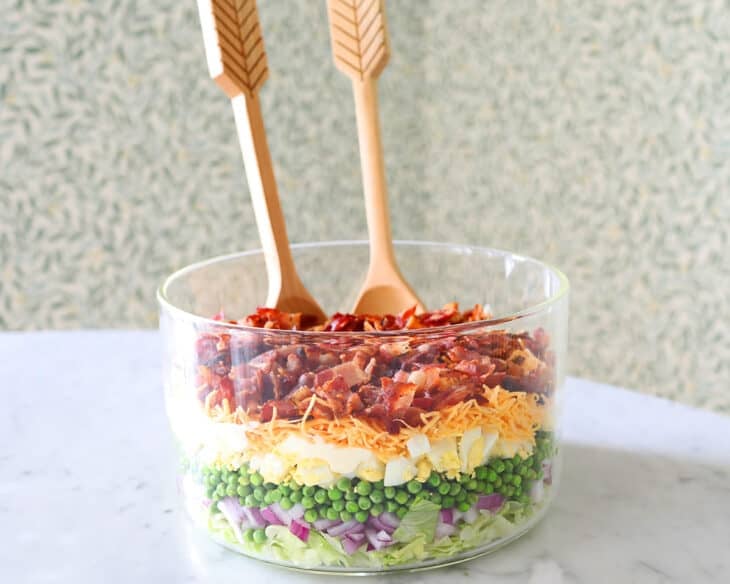
The core genius of the 7 Layer Salad lies in its construction. Imagine a clear glass bowl, showcasing distinct bands of color and texture. The base is typically a sturdy green, like iceberg or romaine, forming a protective barrier. Then come denser vegetables, followed by proteins, cheese, and finally, the rich, creamy dressing spread across the top like a blanket. This dressing layer serves a dual purpose: it seals in freshness and prevents air from reaching the more sensitive layers below. The result is a salad that doesn’t just hold up; it improves as flavors gently meld within their designated strata. This intentional separation means crisp lettuce stays crisp, crunchy vegetables retain their snap, and the overall integrity of the dish remains intact, even after hours in the refrigerator or during transport. It’s a low-maintenance, high-impact dish that consistently delivers on both taste and presentation, making it a reliable choice for any host or guest.
Why Seven Layers?
The “seven” in 7 Layer Salad isn’t a rigid rule carved in stone, but rather a guide for creating a balanced and visually appealing dish. It suggests a minimum number of distinct components to ensure variety in texture, color, and flavor. Each layer brings something unique to the party: the crunch of the lettuce, the sweetness of peas, the bite of onion, the richness of eggs, the savory pop of bacon, the tang of cheese, and the creamy finish of the dressing. Historically, this number emerged as a way to easily remember and replicate a robust, appealing salad that had enough heft to feel like a complete side dish. Going beyond seven layers can lead to an overly complex or too-tall salad, while fewer layers might feel less substantial. Sticking close to seven strikes that perfect balance, delivering a fulfilling experience with every scoop without becoming overwhelming. It’s about creating harmony through distinct elements, ensuring that each spoonful offers a delightful combination of tastes and textures, making the salad memorable.
Gathering Your Core Ingredients: A Shopping List
To make the classic 7 Layer Salad, you don’t need exotic items. Stick to fresh, readily available ingredients. Think about the quality here; crisp vegetables and flavorful additions make all the difference. This list outlines the essentials for a standard large bowl, typically serving 8-12 people.
- One large head of Iceberg Lettuce: Look for firm, dense heads with no brown spots. Romaine or a mix of sturdy greens can work too, but iceberg provides that classic crunch.
- One 10-ounce bag of Frozen Peas: Do not thaw them completely before layering. Their slight chill helps keep the salad cold and they’ll thaw perfectly in the fridge.
- One bunch of Celery: Choose crisp, bright green stalks. You’ll need about 1.5 cups finely chopped.
- One small Red Onion: Pick a firm onion. A small red onion, finely diced, adds a sharp, fresh bite without overpowering.
- 6 Hard-boiled Eggs: Ensure they are fully cooled and peeled. Slice or chop them for even distribution.
- One pound of Bacon: Cooked until crisp and then crumbled. This is non-negotiable for that savory punch.
- 8 ounces of Shredded Sharp Cheddar Cheese: Freshly shredded is always best for flavor and texture, but pre-shredded works in a pinch.
- For the Dressing: One cup of Mayonnaise, 1/2 cup of Sour Cream, 2 tablespoons of Granulated Sugar, 1 tablespoon of Apple Cider Vinegar, 1 teaspoon of Dijon Mustard, Salt and Black Pepper to taste.
The Crisp Foundation
Start with your greens. For a traditional 7 Layer Salad, iceberg lettuce is the gold standard. Its crisp texture and mild flavor provide the perfect backdrop for the more robust ingredients. You’ll need to wash it thoroughly, then pat it completely dry. Excess moisture is the enemy of a fresh salad, leading to sogginess. Tear or chop the lettuce into bite-sized pieces. Aim for uniform pieces to ensure easier eating. If you prefer a slightly different base, romaine lettuce can also work well, offering a bit more nutritional value and a slightly stronger flavor, but it still maintains good crispness. Avoid delicate greens like spring mix at the base, as they tend to wilt quickly under the weight of the other layers and the dressing.
Flavor Builders and Texture Boosters
After the lettuce, you’re building layers of flavor and texture. Frozen peas are next; their sweetness and pop are essential. You don’t need to cook them; they’ll defrost gently in the fridge. Finely diced celery adds another layer of crunch and a fresh, subtle bitterness. Red onion, also finely diced, brings a sharp, aromatic kick that cuts through the richness of other ingredients. Hard-boiled eggs, sliced or chopped, add a creamy, savory element and protein. Crispy, crumbled bacon introduces a smoky, salty umami that everyone loves. Finally, shredded sharp cheddar cheese provides a tangy, savory, and slightly salty layer. Each of these components is critical for building a salad that is both visually stunning and a joy to eat, with every bite offering a different combination of sensations.
The Creamy Topper and Garnish
The dressing is arguably the most crucial component after the layers themselves. A classic 7 Layer Salad dressing is creamy, slightly sweet, and tangy, acting as a protective seal and a flavor unifier. Whisk together good quality mayonnaise, sour cream for richness, a touch of granulated sugar to balance the acidity, apple cider vinegar for a bright tang, and Dijon mustard for a subtle depth. Season with salt and freshly ground black pepper to taste. This dressing should be thick enough to spread evenly over the top layer of cheese without seeping down too quickly. For a finishing touch, consider a light sprinkle of paprika or a few chopped chives over the dressing. These garnishes add a final pop of color and a hint of extra flavor, signaling that the salad is ready to be admired and, eventually, devoured. The key is to create a thick, spreadable dressing that forms a perfect lid, preserving the integrity of each distinct layer below.
Assembling Your Salad: A Step-by-Step Guide
Get your biggest, clearest glass bowl ready. A trifle bowl or a large, straight-sided glass serving bowl works best, allowing the beautiful layers to shine through. Here’s exactly how to build it for maximum impact and freshness.
Prep All Components First
Before you even think about layering, get everything ready. Wash and dry your lettuce completely. Chop your celery and red onion. Cook and crumble your bacon. Boil, cool, peel, and slice or chop your eggs. Shred your cheese. Whisk together all your dressing ingredients in a separate bowl and set it aside. Having everything prepped and measured out will make the assembly smooth and efficient. This front-loaded preparation is key to preventing a messy, rushed layering process.
Layering Order: The Critical Sequence
Building the salad correctly is crucial for its longevity and appeal. Follow this order precisely:
- Layer 1: Lettuce: Spread a thick, even layer of your chopped iceberg lettuce at the bottom of the bowl. This forms the protective base.
- Layer 2: Celery: Sprinkle the finely chopped celery evenly over the lettuce.
- Layer 3: Red Onion: Distribute the finely diced red onion over the celery. Use it sparingly if you’re not a huge fan of raw onion, but don’t skip it entirely; it adds vital flavor.
- Layer 4: Peas: Spread the frozen peas over the onion layer. Don’t thaw them; they’ll chill the salad as they slowly defrost.
- Layer 5: Hard-boiled Eggs: Arrange the sliced or chopped hard-boiled eggs over the peas.
- Layer 6: Bacon: Sprinkle the crumbled, crispy bacon over the eggs. Make sure it’s evenly distributed for flavor in every bite.
- Layer 7: Cheddar Cheese: Top with a generous, even layer of shredded cheddar cheese. This forms the final barrier before the dressing.
- The Dressing: Carefully spread the prepared dressing over the entire surface of the cheese, making sure to cover it completely from edge to edge. This creates a seal that keeps the underlying layers fresh.
Chill Time for Flavor Fusion
Once assembled, cover the bowl tightly with plastic wrap. Push the plastic wrap down gently so it touches the dressing layer if possible, creating an even better seal. Refrigerate the salad for at least 6-8 hours, or ideally, overnight. This chilling period isn’t just for cooling; it allows the flavors to subtly meld without the dressing seeping into the delicate bottom layers. The peas will thaw, and the dressing will firm up slightly, creating a beautiful, cohesive dish. Serve directly from the bowl, allowing guests to scoop from the bottom up to get all seven layers in one go.
Fixing Common 7 Layer Salad Woes
Even a straightforward dish like the 7 Layer Salad can present a few challenges. Here’s how to address common issues and ensure your salad is always a hit.
“How do I prevent soggy lettuce?”
Soggy lettuce is the most common complaint, and it’s easily avoided. The key is two-fold: First, ensure your lettuce is absolutely, 100% dry before you layer it. Use a salad spinner, then spread the lettuce on clean kitchen towels or paper towels for at least 30 minutes to air dry. Second, create a robust barrier. The dressing should be spread thickly and evenly over the top layer of cheese, acting as a protective seal. Do not mix any dressing into the lower layers. Also, chilling time is important; let the salad sit covered in the fridge for at least 6-8 hours so the dressing has time to firm up and create a better barrier, preventing it from seeping down too quickly.
“My dressing is too bland. What can I do?”
A bland dressing can make the whole salad fall flat. The classic dressing should be creamy, tangy, and slightly sweet. If yours lacks punch, taste it before spreading it on the salad. A common fix is to increase the acidity: add another splash of apple cider vinegar or a squeeze of fresh lemon juice. For more depth, a bit more Dijon mustard can work wonders. If it’s too sweet, a pinch more salt. If it’s still missing something, consider a very small amount of garlic powder or onion powder to enhance the savory notes. Always adjust seasonings gradually, tasting after each addition, until you hit that perfect balance of sweet, savory, and tangy.
“The salad looks messy after serving. Any tips?”
Maintaining those pristine layers during serving can be tricky, especially in a potluck setting where multiple hands might be scooping. The best strategy is to use a deep, wide serving spoon or, even better, a salad scoop that can reach the bottom of the bowl. Instruct guests, if you’re comfortable, to scoop straight down and then lift, aiming to get all layers from bottom to top. Another trick is to slightly chill the salad for an extra hour or two right before serving. A colder dressing tends to hold the top layers together a bit more firmly, making for a cleaner scoop. While some mixing is inevitable once people start serving themselves, these steps will help preserve the visual appeal for longer.
Beyond the Classic: Creative Twists and Ingredient Substitutions
While the classic 7 Layer Salad is a winner, don’t be afraid to experiment. Personalizing this dish allows you to cater to different tastes or use seasonal ingredients. The structure remains the same: a sturdy base, varied fillings, and a creamy top layer. Think of the “seven” as a guideline for distinct components, not a strict list.
Vegetable & Herb Mix-ins
Expand beyond the traditional peas and celery. Consider adding a layer of finely diced bell peppers (red, yellow, or orange for color and sweetness) or thin slices of cucumber for extra crispness. Blanched asparagus pieces can add an elegant touch, especially in spring. For a hint of spice, finely chopped jalapeño can be a surprising addition. Fresh herbs like chopped chives or dill can be mixed into the dressing or sprinkled as a garnish for a brighter flavor profile. Even roasted corn kernels (cooled, of course) can add a sweet, smoky element. The key here is to choose vegetables that won’t release too much moisture and remain relatively firm after chilling.
Protein Alternatives
Bacon is iconic, but you have options. For a vegetarian version, omit the bacon and add a layer of black beans (rinsed and drained thoroughly) for protein and earthiness. Chickpeas are another excellent vegetarian protein. If you want a different meat, finely diced cooked chicken or turkey breast, seasoned well, can replace some or all of the bacon. For a seafood twist, tiny cooked shrimp could be an interesting layer, though ensure they are very well-drained to avoid excess moisture. These changes can dramatically shift the salad’s character, making it suitable for a wider range of dietary preferences or simply offering a new flavor experience.
Dressing Personalizations
The creamy mayo-sour cream dressing is a hallmark, but it’s ripe for customization. For a lighter touch, use Greek yogurt in place of some or all of the sour cream. You could also swap out the apple cider vinegar for red wine vinegar for a different tang. Add a pinch of garlic powder or onion powder to the dressing for more savory depth. For a touch of heat, a dash of hot sauce or a tiny bit of smoked paprika can elevate the flavor. A ranch-style dressing can also work well, incorporating dried dill, parsley, and chives. If you’re going for a southwestern vibe with black beans and corn, a lime-cilantro dressing would be a fantastic departure from the norm. Just ensure your chosen dressing is still thick enough to form that protective top layer.
Is the 7 Layer Salad Still Worth Your Time? Yes.
Absolutely. Its ease, visual appeal, and make-ahead convenience solidify its status. It’s an unfussy classic that always delivers on taste and presentation, making it a reliable crowd-pleaser for any event.
7 Layer Salad Approaches: Classic vs. Customizable
| Feature | Classic 7 Layer Salad | Customizable 7 Layer Salad |
|---|---|---|
| Lettuce Base | Iceberg (for crispness) | Romaine, mixed greens, spinach |
| Key Vegetables | Peas, celery, red onion | Bell peppers, cucumber, corn, blanched asparagus |
| Protein | Crispy bacon, hard-boiled eggs | Grilled chicken, black beans, chickpeas, shrimp |
| Cheese | Shredded sharp cheddar | Feta, Monterey Jack, crumbled goat cheese |
| Dressing Style | Sweet, creamy mayonnaise-based | Yogurt-based, lime-cilantro, ranch-style |
| Preparation Time | Minimal, very consistent | Varies based on ingredient prep |
| Flavor Profile | Hearty, familiar, comforting | Adaptable, fresh, can be adventurous |