How to Make Fermented Hot Sauce with Fresh Chilies Step-by-Step

Understanding Fermentation for Hot Sauce
Lacto-fermentation is the natural process that transforms fresh chilies into a deliciously tangy, probiotic hot sauce. During fermentation, beneficial bacteria feed on the sugars in the peppers, producing lactic acid. This not only preserves the peppers but also develops complex flavors, softens the heat, and adds a rich umami depth that you won’t find in non-fermented sauces.
Fermented vs. Non-Fermented Hot Sauce:
Complexity: Fermentation creates layers of flavor, from tangy to slightly sour, enhancing freshness.
Mellowed Heat: The sharp bite of fresh chilies is softened, resulting in a smoother, more balanced spice.
Umami Boost: Fermentation unlocks savory notes, giving the sauce a fuller body and depth.
Safety Basics:
Successful fermentation relies on a few key factors:
- Salt Brine: Using a 2-3.5% salt solution keeps bad bacteria at bay while nurturing good bacteria.
- Submersion: Chilies must stay fully submerged in the brine to prevent mold and spoilage.
- Signs of Success: Look for bubbles, a pleasantly sour aroma, and absence of off-smells or fuzzy growth. These indicate your fresh pepper fermentation is on the right track.
With these essentials in place, you’re ready to craft your own flavorful, spicy lacto-fermented hot sauce.
Choosing and Preparing Your Fresh Chilies
Picking the right fresh chilies is key to a great fermented hot sauce. Popular varieties like jalapeños, serranos, fresnos, cayenne, and habaneros each bring unique heat and flavor. Mixing different types helps balance the heat and complexity, so you get a richer, well-rounded taste.
If you want a milder fermented hot sauce, try blending hot peppers with milder ones like bell peppers or adding some carrots. This technique creates a smoother heat level that’s easier on the palate.
For beginners, start with about 1 pound of fresh chilies to make a manageable small batch. Before you begin, wash your peppers thoroughly. Stem them and decide if you want to remove the seeds—taking seeds out can reduce heat, but some leave them in for extra kick. Always wear gloves when handling fresh chilies to avoid skin irritation or accidental eye contact, especially with hotter varieties like habaneros.
This preparation sets you up for successful fresh pepper fermentation and ensures your homemade chili pepper sauce turns out just right.
Essential Ingredients and Equipment
To make your fermented hot sauce with fresh chilies, start with core ingredients like fresh chilies, non-iodized salt (sea salt or kosher salt work best), and filtered water to create a clean, reliable brine for fermentation. Optional add-ins such as garlic, onion, or carrots can add depth and natural sweetness, enhancing the overall flavor of your spicy lacto-fermented recipe.
For flavor customization, consider adding herbs like cilantro or oregano, spices such as cumin or smoked paprika, or even fruits like mango or pineapple for a unique tropical twist. These extras help you tailor the heat and complexity to suit your palate.
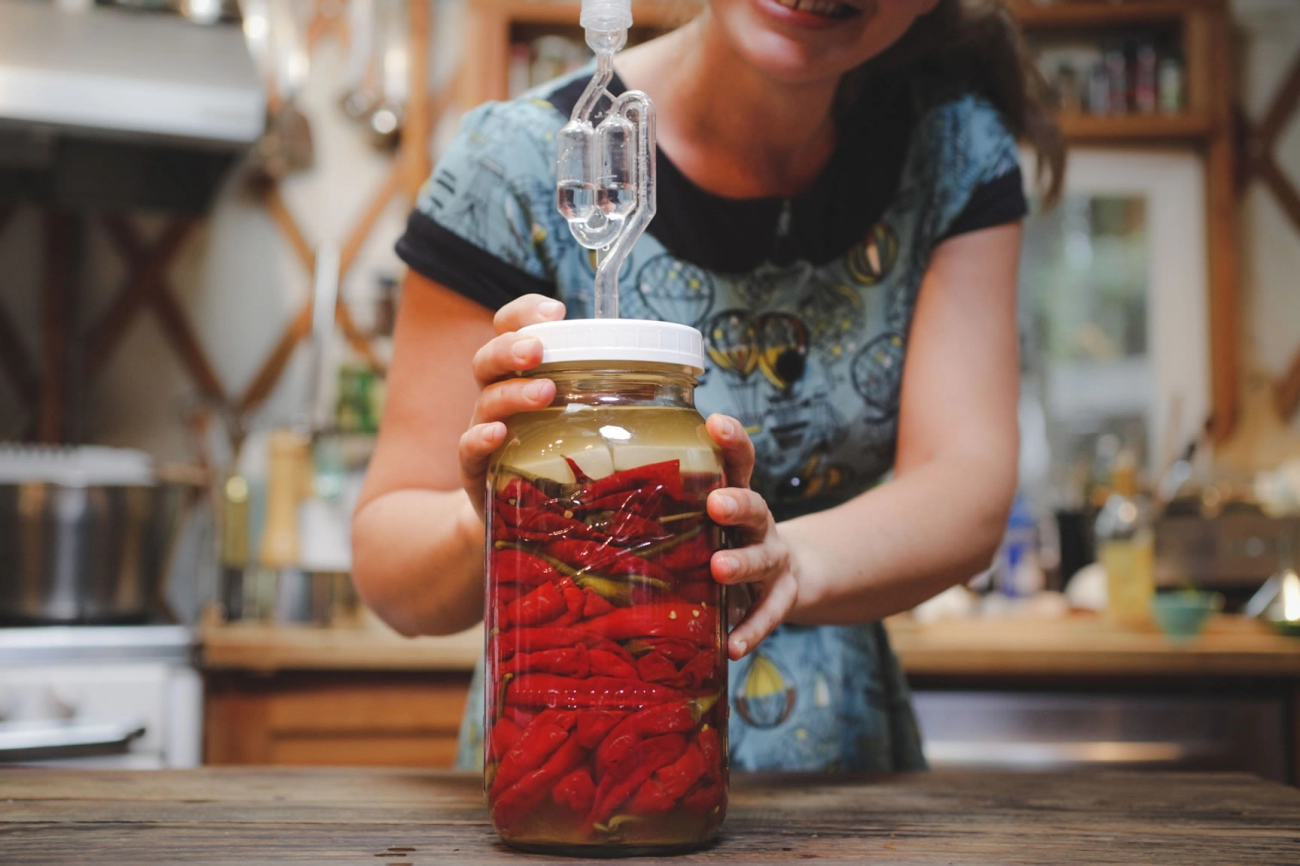
In terms of equipment, a sturdy glass jar is essential to hold your ferment. Use a fermentation weight or an airlock lid to keep your peppers fully submerged in the brine, preventing mold and ensuring a steady fermentation process. If you don’t have a fermentation weight, a clean small jar or ziplock bag filled with water can work as a simple alternative. Lastly, a blender is needed to puree the fermented peppers into a smooth or chunky homemade chili pepper sauce.
Having the right ingredients and gear ensures a successful fresh pepper fermentation and a delicious probiotic hot sauce recipe every time.
Step-by-Step Recipe: Basic Fermented Hot Sauce
Start by making a simple brine with filtered water and non-iodized salt — aim for a 2-3.5% salt solution (about 20-35 grams salt per liter of water). This brine is crucial for safe lacto-fermentation, helping good bacteria thrive while keeping harmful microbes at bay.
Next, pack your clean, prepared fresh chilies tightly into a glass jar. Layer in any optional add-ins like garlic or carrots for extra flavor. Make sure the chilies are fully submerged under the brine to avoid mold—use a fermentation weight or an alternative to keep everything underwater.
Set the jar in a cool, dark spot at room temperature (around 65-75°F or 18-24°C) for about 7-14 days. This time frame lets the natural fermentation develop tangy, complex flavors and mellower heat in your DIY lacto-fermented sauce. You can ferment longer if you want a deeper, more sour taste.
During fermentation, check daily to “burp” the jar—open the lid slightly to release built-up gases—and look for bubbles, which show active fermentation. Also, monitor the smell; it should be pleasantly sour, not rotten or foul. If you have a pH meter, the sauce is usually ready when acidity drops below 4.6.
This straightforward chili brine fermentation process creates a probiotic hot sauce base packed with umami and that signature fermented punch. For extra inspiration on using your hot sauce, try drizzling it over your favorite dishes or mixing it into recipes like coleslaw for a spicy twist!
Blending and Finishing the Sauce
Once your fermented hot sauce with fresh chilies has completed fermentation—usually after 7 to 14 days—you’ll notice a tangy aroma, bubbling activity slowing down, and a pleasant sour taste. These are clear signs your lacto-fermented hot sauce is ready to blend.
Start by transferring the fermented peppers and brine into a blender. Use some of the reserved chili brine to help the blending process, which keeps the sauce smooth and maintains the probiotic qualities. For a brighter, more balanced flavor, you can add a splash of vinegar during blending. This also helps to thin out the sauce if you prefer a pourable consistency.
Adjust the flavor, heat, and thickness by blending longer for smoothness or adding more brine or vinegar. If you like a chunkier texture, pulse the blender less or mash by hand. Straining is optional—using a fine sieve will give you a smooth, restaurant-style hot sauce, while skipping it keeps the sauce rustic and bold.
This step not only perfects your homemade chili pepper sauce but also lets you tailor the heat level and complexity to your taste. If you want ideas on pairing fermented hot sauce, try adding it to classic drinks for a spicy kick, similar to how a tequila sunrise twists citrus flavors.
Flavor Variations and Customizations for Fermented Hot Sauce with Fresh Chilies
One of the best things about making your own fermented hot sauce with fresh chilies is how easy it is to customize flavors to suit your palate. Whether you want something mild or bold, there are plenty of ways to tweak your homemade chili pepper sauce to make it unique.
Mild Versions
- Add sweet peppers like bell peppers or mild fresnos to tone down the heat without losing flavor.
- Incorporate carrots, which add natural sweetness and a vibrant orange color, balancing the tangy fermented notes.
Bold Twists
- Go heavy on garlic or onion for a punchy, savory kick.
- Add tropical fruits like mango or pineapple to create a sweet and spicy combo that works great as a dipping sauce or marinade.
- Incorporate smoky elements like smoked paprika or chipotle peppers for depth and complexity.
- Fresh herbs like cilantro, basil, or thyme add a fresh, aromatic layer to your pepper mash fermentation.
Color Considerations
When customizing, keep an eye on colors to get a vibrant, appealing sauce. Mixing bright red habaneros with orange carrots or green herbs can create a visually stunning blend that enhances presentation as much as taste.
Experimenting with these variations lets you craft a probiotic hot sauce recipe tailored exactly to your heat preference and flavor profile. For a smoother finish, blending the fermented peppers with the right amount of brine or a splash of vinegar helps balance flavor and consistency.
For more inspiration on adding a balance of sweet and sour elements to your sauces or marinades, you might find this guide to creating a sweet and sour mix handy to combine with your homemade chili pepper sauce.
Troubleshooting Common Issues in Fermented Hot Sauce
Fermenting fresh chilies to make a rich, probiotic hot sauce is rewarding, but sometimes problems pop up. Here’s how to handle common issues with your lacto-fermented hot sauce and keep your chili brine fermentation on track.
Mold or Off Smells: Prevention and Fixes
- Prevention: Always use a proper salt brine (2-3.5%) and keep your peppers fully submerged to block air exposure, which prevents mold. Use fermentation weights or a clean small jar to keep chilies underwater.
- Fixes: If you see surface mold (usually white or gray), skim it off immediately. If the smell is unpleasantly rotten or sulfurous, it’s best to discard and start fresh to avoid health risks. A healthy fermented sauce smells tangy and slightly yeasty, never putrid.
Too Salty or Sour: Adjustments and Remedies
- Too Salty: Excess salt can slow fermentation or make your sauce unpleasant. Next time, reduce salt slightly and use filtered water. For the current batch, dilute by blending with fresh roasted peppers or add a splash of vinegar while finishing your sauce.
- Too Sour: Over-fermentation can create harsh acidity. Balance this out by blending in some fresh or roasted peppers, a pinch of sugar, or a mild fruit like carrot or mango for sweetness.
Slow or Failed Fermentation: Causes and Solutions
- Causes: Low room temperature, insufficient salt, or using chlorinated water can hinder fermentation. Poor submersion or contaminated jars may also cause issues.
- Solutions: Keep your jar in a warm spot (65-75°F/18-24°C) and use non-iodized salt with filtered water. Double-check that peppers stay submerged to prevent unwanted bacteria growth. If fermentation seems stuck, add a little fresh brine or a spoonful of active ferment from a previous batch to jump-start the process.
If you want to explore further recipes with varied acidity and flavor brightness, try pairing your finished hot sauce with a homemade lime-based mix like a homemade margarita mix that complements fermented spice beautifully.
With these tips, your homemade chili pepper sauce will stay on track, bringing that perfect balance of tangy and spicy every time!
Storage, Shelf Life, and Usage
Once your fermented hot sauce with fresh chilies is ready, proper storage is key to maintaining its flavor and safety. Transfer the sauce into clean glass bottles or jars with airtight lids. Keep it refrigerated to slow down fermentation and preserve its bright taste. Stored this way, your lacto-fermented hot sauce can last anywhere from 6 months up to a year, with flavors deepening and mellowing over time.
As the sauce ages, you may notice that the heat softens and the umami tones become richer, making it an even more versatile condiment. Besides the classic use on tacos, try drizzling it over grilled veggies, mixing it into marinades for meat or tofu, or even gifting a homemade batch to friends who love bold flavors.
For a fresh twist, consider blending your sauce with a splash of vinegar or homemade syrup to tweak brightness and sweetness, similar to how you’d adjust drinks like the homemade old fashioned mix you might find in cocktail recipes. This approach keeps your fermented chili sauce dynamic and adaptable to many dishes.