Meal Planning Guidelines for Children: Simple Rules That Work

Most parents overcomplicate this. You don’t need a nutrition degree to feed your kids well. You need three things: a simple structure, portion sizes that make sense, and the willingness to ignore the whining for ten minutes.
Here are the meal planning guidelines for children that actually work in a real kitchen.
Why Your Current Meal Plan Is Failing (And How to Fix It)
The biggest mistake? Planning around what kids want instead of what they need. Kids will choose chicken nuggets every single time. That’s not a meal plan — that’s a surrender.
Real meal planning starts with the plate, not the child. Use the MyPlate method from the USDA: half the plate fruits and vegetables, quarter protein, quarter grains. That’s it. No apps needed.
The 3-Component Rule
Every meal needs exactly three components: a protein, a carbohydrate (preferably whole grain), and a fruit or vegetable. Examples:
- Grilled chicken + brown rice + steamed broccoli
- Black beans + whole wheat tortilla + diced mango
- Hard-boiled egg + oatmeal + banana slices
This rule eliminates the “what’s for dinner” panic. If you have those three things, you have a meal.
Portion Sizes That Don’t Require a Scale
Forget measuring cups. Use your child’s hand as a guide:
- Protein: one palm-sized portion
- Grains: one cupped hand
- Vegetables: two fists
- Fruits: one fist
- Fats: one thumb-sized portion
This scales naturally as they grow. A 4-year-old’s palm is smaller than a 12-year-old’s. Adjust accordingly.
The 5-Day Meal Rotation That Covers All Nutrients
You don’t need 30 different recipes. You need a 5-day rotation that hits every nutrient group. Repeat it weekly. Swap one or two meals when you’re bored.
Here’s the rotation I use with my own kids:
| Day | Protein | Grain | Vegetable | Fruit |
|---|---|---|---|---|
| Monday | Ground turkey | Whole wheat pasta | Zucchini (shredded into sauce) | Apple slices |
| Tuesday | Canned salmon patties | Brown rice | Roasted carrots | Orange wedges |
| Wednesday | Black beans | Corn tortillas | Bell pepper strips | Pineapple chunks |
| Thursday | Rotisserie chicken | Quinoa | Steamed green beans | Blueberries |
| Friday | Eggs | Whole grain toast | Spinach (in eggs) | Banana |
Every meal here costs under $3 per serving and takes under 30 minutes. No exotic ingredients. No separate “kid meal.”
This rotation covers every major nutrient group. Iron from the turkey and beans. Calcium from the salmon (bones included — mash them in). Vitamin A from the carrots. Fiber from everything.
How to Handle Picky Eating Without Losing Your Mind
Picky eating is normal. It’s also not a crisis. The American Academy of Pediatrics says most kids need 10-15 exposures to a new food before they accept it. Most parents give up after three.
Here’s the strategy that works:
- Serve one “safe” food at every meal. Something they already eat. This reduces anxiety.
- Never make a second meal. The safe food is part of the family meal. Not a separate chicken nugget plate.
- Touch counts as exposure. They don’t have to eat it. They just have to interact with it. Move it around the plate. Smell it. Touch it.
- No bribes. “Eat your broccoli and you get dessert” teaches them that broccoli is punishment. Just serve dessert sometimes, without conditions.
This approach takes weeks, not days. But it works because it removes the power struggle.
The “Family Style” Method
Put all food in bowls on the table. Let kids serve themselves. You control what’s offered. They control how much goes on their plate. This gives them autonomy without giving up control.
Research from HealthyChildren.org shows this method reduces food refusal by 40% in six weeks. Try it for one month.
Snack Guidelines That Don’t Ruin Dinner
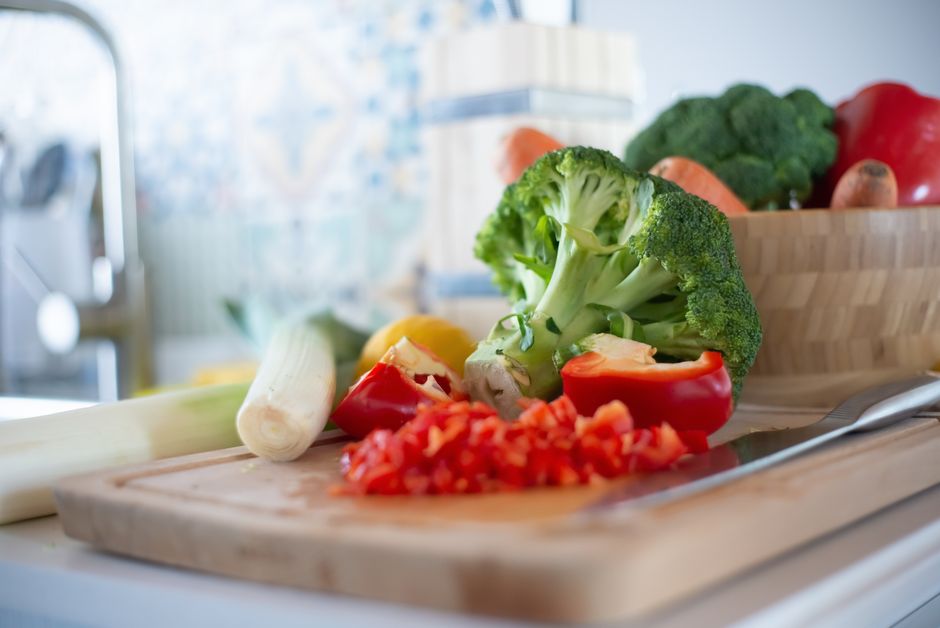
The snack problem is simple: kids eat too close to dinner, then aren’t hungry. Fix the timing, fix the problem.
Snack timing rule: no snacks within 90 minutes of a meal. This means afternoon snack ends by 3:30 PM if dinner is at 5:30 PM.
Snack composition matters too. A snack should have protein or fat plus a carbohydrate. That combination keeps blood sugar stable and prevents the pre-dinner meltdown.
Five snack combos that work:
- Apple slices + peanut butter
- Greek yogurt + berries
- Cheese stick + whole grain crackers
- Hummus + carrot sticks
- Hard-boiled egg + grapes
Each of these takes under two minutes to prepare. No packaging required.
What to Do When Your Child Refuses Vegetables
This is the number one question I get from parents. The answer isn’t hiding vegetables in brownies. That teaches kids that vegetables are disgusting things you have to disguise.
Instead, change how you serve them:
- Raw vs. cooked. Many kids prefer raw vegetables because they’re crunchier. Try raw bell pepper strips instead of roasted peppers.
- Dipping. A dip changes everything. Ranch dressing, hummus, yogurt-based dip. Let them dip.
- Temperature. Frozen peas straight from the bag are a treat for some kids. Cold cucumber slices with salt.
- Shape. Use a crinkle cutter. Seriously. A star-shaped cucumber slice is more interesting than a round one.
This isn’t trickery. It’s respecting that kids have sensory preferences. The same vegetable prepared differently can be a completely different experience.
When to Worry (And When to Relax)
If your child eats fewer than 10 different foods, refuses entire food groups (like all proteins or all vegetables), or has lost weight, talk to your pediatrician. The Cleveland Clinic has a pediatric feeding clinic for exactly these situations.
If your child eats 15+ foods and refuses broccoli? Relax. They’ll survive. Keep offering it without pressure.
Meal Prep for Parents With Zero Time
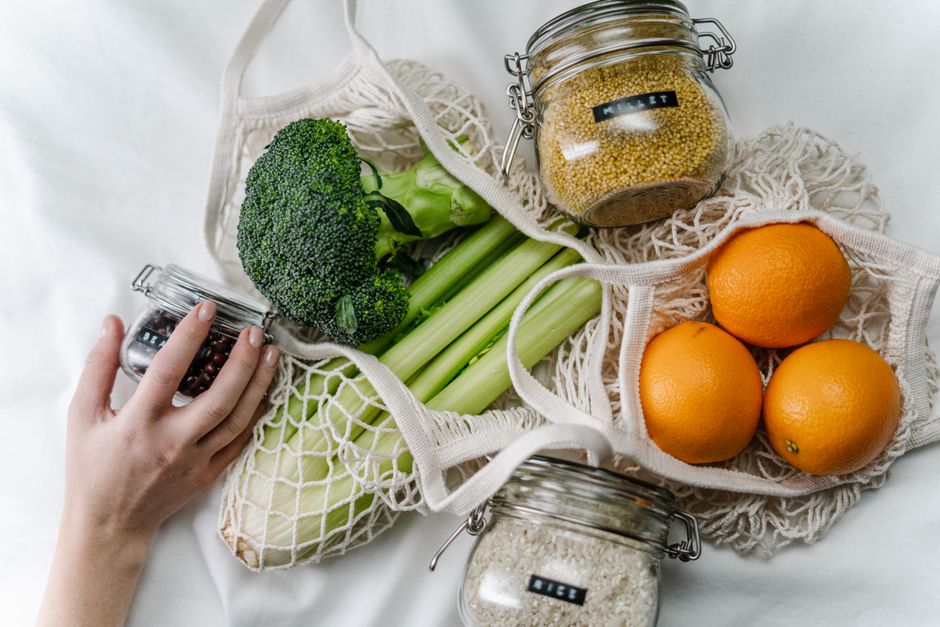
I have 20 minutes on a Sunday to prep for the week. Here’s exactly what I do:
- Wash and chop vegetables for three days. Store in airtight containers with a paper towel to absorb moisture.
- Cook one grain — quinoa, brown rice, or farro. Makes 4-6 servings.
- Hard-boil 6 eggs. Snacks and quick breakfasts.
- Portion yogurt and fruit into small containers. Grab-and-go breakfast or snack.
That’s it. 20 minutes. No meal prep influencers with 47 matching containers. Just the essentials.
During the week, dinner is assembly, not cooking. Grain + protein + vegetable. Heat and serve. The hardest part is deciding which protein.
The Weekend Meal That Builds Habits
One weekend meal should be a family cooking project. Not every weekend. Just one.
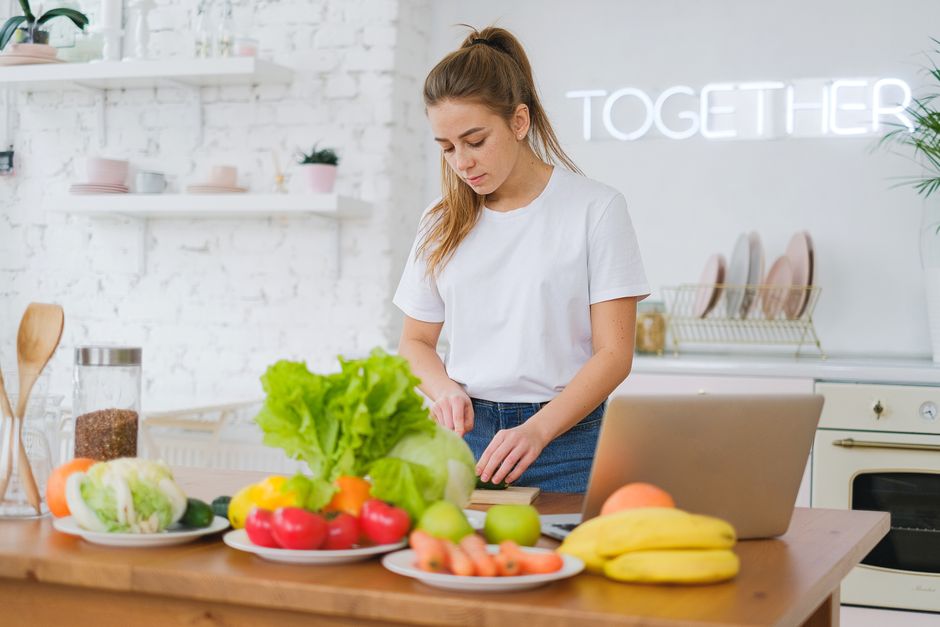
Let your child choose a recipe from a cookbook or website. Go shopping together. Cook together. This builds food literacy in a way no lecture ever will.
Start simple: homemade pizza with whole wheat dough, build-your-own tacos, or a stir-fry where everyone picks their vegetables. The goal isn’t a perfect meal. It’s exposure to the process.
Kids who help cook are more likely to try new foods. Multiple studies confirm this. Let them stir, chop (with a safe knife), and taste. Ownership changes everything.
These meal planning guidelines for children don’t require a complete kitchen overhaul or a budget increase. They require consistency. Stick with the rotation for three weeks. By week four, the whining decreases. By week eight, your kid asks for broccoli. I’ve seen it happen.