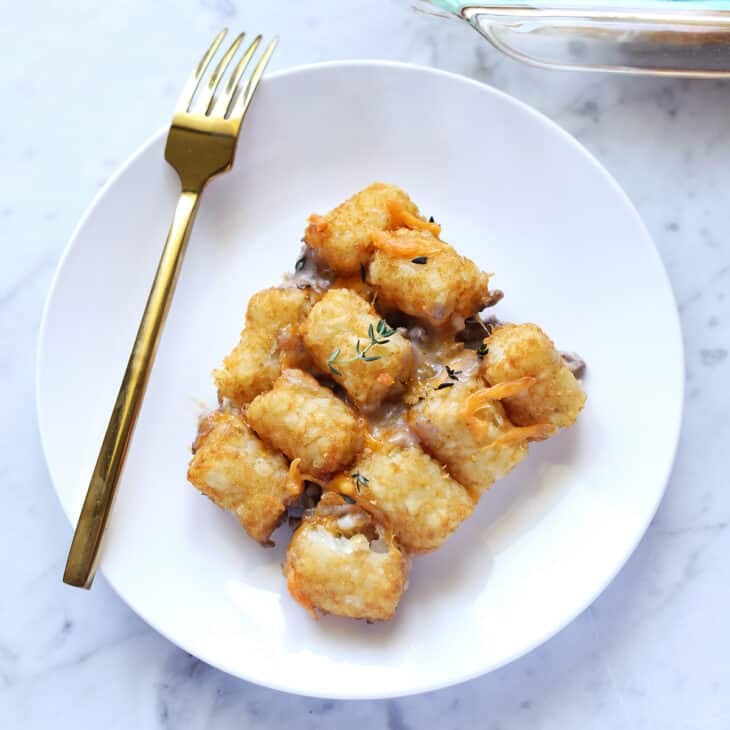
Tater Tot Casserole

Did you know that despite its humble, budget-friendly origins, Tater Tot Casserole remains a staple across millions of American dinner tables, especially in the Midwest, where it’s often referred to as ‘Hotdish’ and considered a culinary cornerstone? It’s not just a meal; it’s a cultural touchstone. I’ve been making this dish for decades, tweaking, experimenting, and often failing before finally hitting that sweet spot of creamy, savory, and perfectly crispy.
Listen, if you’re going to make a Tater Tot Casserole, do it right. This isn’t rocket science, but there are definitely wrong ways to approach it. After years of testing different meats, sauces, and, yes, even different brands of tater tots, I’ve got strong opinions. Here’s what I’ve learned about getting that classic dish just right, every single time.
The Foundation: My Preferred Protein Choices
When it comes to the meat base for your tater tot casserole, you’ve got options. But let’s be real: some options are just better than others. I’ve tried them all, from lean ground turkey to shredded chicken, and I always come back to one thing for the absolute best flavor and texture: good old ground beef. Specifically, I’m talking about an 80/20 mix. Anything leaner, and you’re sacrificing flavor and risking a dry, crumbly texture in the finished dish. That fat renders down, infusing the entire casserole with a richness that leaner meats just can’t provide without a lot of extra effort.
Why Ground Beef Wins Every Time
The 80/20 ground beef offers the perfect balance. It’s got enough fat to keep things juicy and flavorful, but not so much that you’re swimming in grease. When you brown it, that fat crisps up the meat, creating a textural element that is crucial. I’ve noticed that when I use a leaner blend, say 90/10, the meat tends to steam rather than truly brown, leading to a less satisfying base. A well-browned batch of Certified Angus Beef 80/20 is my go-to. It just delivers a consistently superior result. You want those deep, caramelized bits that stick to the bottom of the pan; those are flavor bombs waiting to happen. Deglaze that pan with a splash of broth or even a bit of red wine if you’re feeling fancy, and you capture all that goodness.
When Other Proteins Make Sense (Turkey, Chicken)
Now, I’m not saying you can’t use other proteins. If you’re genuinely trying to cut down on red meat or fat, ground turkey or chicken can work. But you need to adjust. Lean ground turkey, like Perdue Ground Turkey, can be a great option, but it needs help. It’s notorious for being bland and dry. My trick? Cook it with a tablespoon of olive oil or butter, and season it aggressively. Think smoked paprika, garlic powder, onion powder, and a good pinch of red pepper flakes to give it some life. For shredded chicken, it’s even trickier. It can get lost in the creamy sauce and become stringy. I typically avoid it for this specific casserole, but if you must, make sure it’s tender and well-seasoned, perhaps even tossed in a bit of pan drippings or a rich chicken stock before mixing.
Specifics on Browning and Seasoning
Regardless of your protein choice, the browning and seasoning step is non-negotiable. For ground beef, I start with a hot pan, no oil needed initially. Break up the meat, let it sit for a minute or two to get a good sear, then stir. Once it’s mostly browned, drain off excess fat, but don’t go crazy. Leave some for flavor. This is when the seasoning goes in. For a classic casserole, I stick to simple salt, black pepper, a good amount of onion powder, and garlic powder. About a teaspoon of each for a pound of meat is a good starting point, adjusting to taste. Sometimes, a dash of Worcestershire sauce, say a tablespoon, can add a deep umami note that elevates the whole dish. This is where you build your flavor base, so don’t rush it and don’t skimp on the spices.
The Creamy Binder: Canned vs. Homemade
Okay, let’s talk about the binding agent. This is where people get really opinionated, and honestly, I’m right there with them. My strong, unwavering opinion is this: while a homemade sauce *can* be incredible, there is absolutely nothing wrong with using a high-quality canned soup for a classic tater tot casserole. In fact, for the nostalgic flavor profile, it’s often preferred. But you can’t just dump it in and call it a day.
My Stance on Cream of Mushroom Soup
For me, it has to be Campbell’s Cream of Mushroom Soup. Don’t even think about using cream of chicken or celery; they fundamentally change the flavor profile in a way that just isn’t right for this dish. Cream of mushroom provides that earthy, umami depth that is so characteristic of a good tater tot casserole. But here’s the kicker: never use it straight from the can. It’s too thick and too concentrated. I always thin it out with half a can of milk, sometimes a bit more if I want a looser sauce, and a generous dollop of sour cream – about a quarter cup per can of soup. The sour cream adds a tang and richness that brightens the whole thing up and keeps it from being cloyingly heavy. This step is non-negotiable for me; it makes all the difference.
Crafting a Better Béchamel Base
If you’re dead set on avoiding canned soup, a homemade béchamel is your best bet, but it’s more work. You’ll need butter, flour, and milk, cooked down until thickened, then seasoned. To get that cream of mushroom flavor, you’ll need to sauté finely diced mushrooms (cremini or button) with onions and garlic before adding them to your béchamel. You’ll also want to incorporate some vegetable or chicken broth for depth. The key here is to build layers of flavor. Start with a roux, slowly whisk in warm milk, and then fold in your sautéed aromatics. This approach gives you full control over the salt and fat content, resulting in a fresher, lighter-tasting casserole, but it does take away from that specific nostalgic canned soup taste that many of us crave.
Avoiding the Gravy Trap
One common mistake I see is people making their sauce too thick, turning it into a dense gravy rather than a creamy binder. The sauce should be pourable, something that can easily coat the meat and vegetables without feeling like a brick. If your mixture feels too thick after mixing in the soup (or béchamel) and any milk or sour cream, add a splash more milk or even a bit of beef broth until it reaches a consistency where it can gently coat a spoon. A thin, but not watery, consistency is what you’re aiming for. It needs to be able to seep down and mingle with those crispy tots.
Achieving Peak Tater Tot Crispness
The tater tots are the star of the show. And let’s be honest, soggy tots are a crime. I’ve seen so many casseroles ruined by limp, mushy potatoes. Here’s my tried-and-true method for ensuring every tot on top is golden brown and delightfully crunchy, even the ones buried a little deeper.
-
The Essential Single Layer Rule
This is probably the most critical step. Do not, under any circumstances, pile your tater tots high. They need space. Lay them out in a single, even layer across the top of your casserole. If you stack them, the steam gets trapped, and you end up with soft, unappealing potato bits. A standard 9×13 inch baking dish usually accommodates one 32-ounce bag of Ore-Ida Tater Tots perfectly in a single layer. Overlapping them even slightly will lead to uneven cooking and crisping. If your dish isn’t wide enough, use two smaller dishes. It’s worth it.
-
Pre-Baking for Superior Texture
This is my secret weapon. Instead of just throwing the frozen tots directly onto the casserole, I often pre-bake them for about 10-15 minutes at 400°F (200°C) on a separate baking sheet before adding them to the casserole. This gets a head start on the crisping process and helps remove some of that excess moisture. When they go on top of the casserole, they’re already halfway to crispy, and they finish beautifully in the oven. It adds an extra step, yes, but the payoff in texture is enormous. You’ll get that satisfying crunch when you dig in.
-
Strategic Cheese Application
When to add the cheese is a big debate. If you add it too early, especially a milder cheese like Colby Jack, it can melt too much, creating a solid, crusty layer that prevents the tots from browning properly. My preference is to add the cheese about halfway through the casserole’s baking time, usually around 20-25 minutes in, once the tots have had a chance to start browning. I love using a sharp cheddar, like Tillamook Medium Cheddar, or a blend of cheddar and Monterey Jack for good melt. This allows the tots underneath to crisp up before the cheese forms a golden, bubbly top. Around 1.5 to 2 cups of shredded cheese for a 9×13 dish is generally enough.
Elevating Flavor: Beyond the Standard Recipe
The classic tater tot casserole is fantastic on its own, but after years of making it, you start looking for ways to punch up the flavor without losing that comforting essence. I’ve found a few simple additions that really make a difference, transforming a basic weeknight meal into something a bit more special. It’s about building layers of taste without overcomplicating things.
Essential Vegetable Add-ins
While some purists stick to just meat and sauce, a few vegetables not only add nutrition but also textural contrast and freshness. My absolute favorite is a bag of frozen mixed vegetables – corn, peas, and diced carrots. Green Giant Mixed Vegetables are perfectly fine here. I usually throw in about a cup or two with the meat and sauce mixture before topping with tots. They add a pop of color and a subtle sweetness that balances the savory richness. Sometimes, I’ll even sauté some diced onions and bell peppers with the ground beef for an extra layer of flavor and aroma. Just make sure to drain any excess liquid from defrosted frozen vegetables so you don’t water down your sauce.
Spice Blends That Actually Work
Beyond salt, pepper, garlic, and onion powder, a few other spices can really elevate the dish. I always add a teaspoon of smoked paprika; it gives a subtle, smoky depth that complements the beef and cheese beautifully. A pinch of dried thyme or oregano can also work wonders, bringing an herbaceous note that cuts through the richness. For those who like a little kick, a quarter teaspoon of cayenne pepper or a dash of your favorite hot sauce stirred into the meat mixture provides a pleasant warmth without overpowering the other flavors. Don’t be afraid to experiment, but start small; you can always add more, but you can’t take it away.
Unexpected Toppings I Swear By
The crispy tots are a given, but what about other toppings? About 10 minutes before the casserole finishes baking, I often sprinkle a handful of crispy fried onions (like French’s Crispy Fried Onions) over the cheese. They add an incredible savory crunch that’s different from the tots, and they brown up beautifully. Cooked, crumbled bacon bits are another fantastic addition, offering a salty, smoky element that enhances the beef. For a fresh finish, a sprinkle of chopped fresh chives or parsley right before serving adds brightness and a visual appeal that makes the dish feel a little more gourmet, even though it’s still simple comfort food.
The Ultimate Tater Tot Casserole Verdict
After all these years, my verdict is simple: Tater Tot Casserole isn’t just a convenient meal; it’s a testament to the power of simple ingredients, thoughtfully prepared. It’s comforting, satisfying, and deeply nostalgic for so many. Stick to the good stuff, don’t cut corners on browning, and definitely prioritize those crispy tots.
Here’s a quick comparison of what makes a good one versus a truly great one:
- Ease of Preparation: A good casserole is easy; a great one is still easy but respects key steps.
- Flavor Profile: Good means savory; great means rich, balanced, and layered with umami.
- Tater Tot Crispness: Good often means some crisp, some soggy; great is consistently golden and crunchy.
- Cost-Effectiveness: Both are budget-friendly, but a great one feels like a gourmet meal for less.
- Texture: Good is uniform; great offers contrast between creamy sauce, tender meat, and crispy potatoes.