Artisanal Honey Butter Spreads Variations Recipes and Ideas

What Is Artisanal Honey Butter?
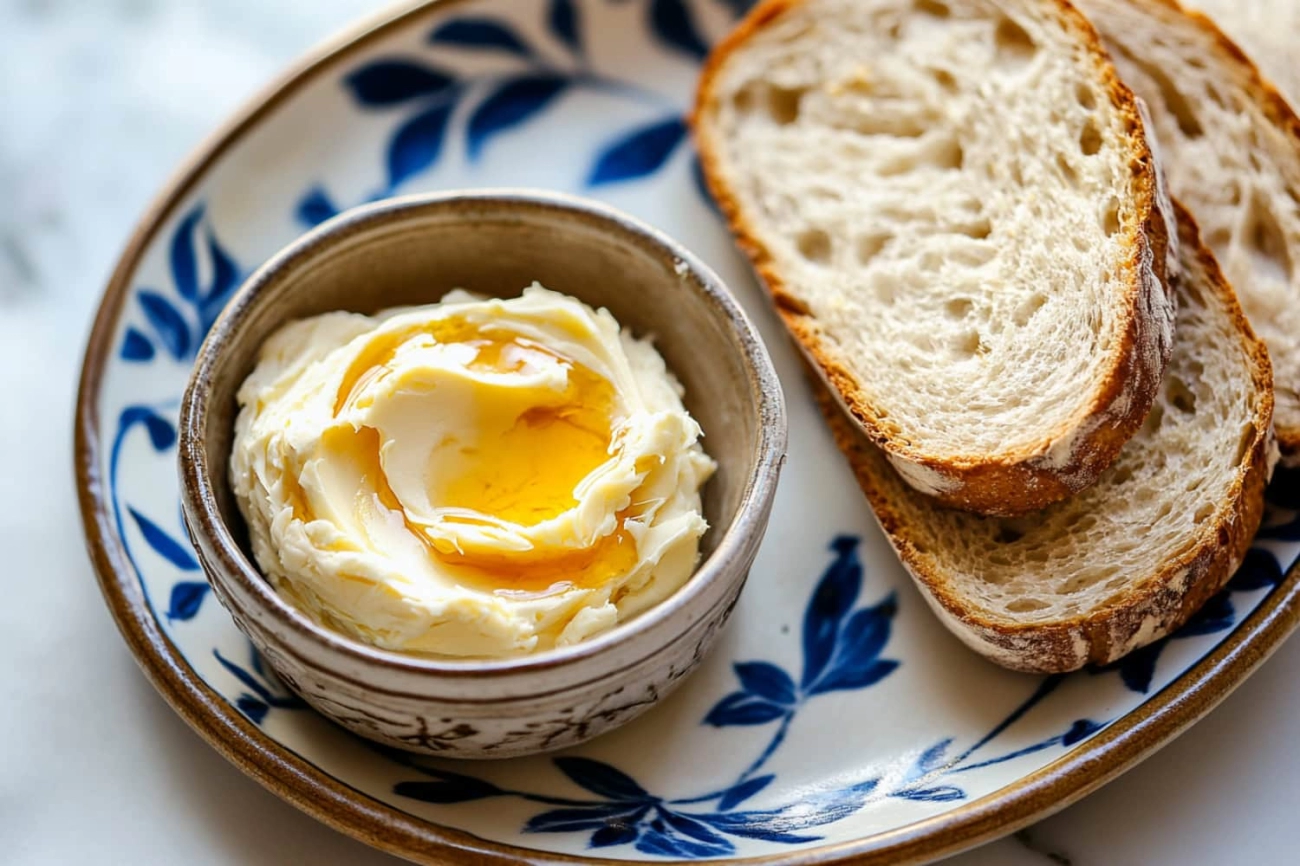
Artisanal honey butter is a handcrafted spread that blends creamy butter with high-quality honey to create a rich, flavorful treat. Unlike commercial spreads, which often contain additives, preservatives, and artificial sweeteners, artisanal honey butter focuses on pure, natural ingredients. This results in a smoother texture and a perfectly balanced sweetness that melts effortlessly on your favorite breads and baked goods.
Key qualities that set artisanal honey butter apart include its velvety creaminess, just-right sweetness, and the use of premium honey varieties such as raw, wildflower, or local honey. These unique honeys add depth and character, enhancing the spread’s flavor beyond the typical store-bought options.
The popularity of artisanal honey butter has soared in recent years, thanks in part to beloved restaurant favorites like the Texas Roadhouse honey butter, which inspired home cooks and chefs alike to recreate and customize their own versions. This homemade honey butter recipe quickly turned into a gourmet staple, celebrated for its irresistible sweetness and buttery richness.
Essential Ingredients for the Perfect Base
Starting with the right butter is key. Unsalted butter gives you full control over the saltiness, while salted butter adds a bit of seasoning at the start. For richer, creamier flavors, try European-style butter—it has a higher fat content that makes artisanal honey butter spread luxuriously smooth.
Choosing the right honey impacts the taste a lot. Raw honey offers bold, floral notes with natural complexity. Clover honey is milder and sweeter, great if you want a subtle, classic flavor. Manuka honey gives a unique, earthy depth, perfect for gourmet twists. Each type shapes the final flavor, so pick based on what you want to highlight.
To enhance your honey butter, small extras make a big difference:
- Sea salt for a slight contrast that lifts the sweetness
- Confectioners’ sugar adds light fluffiness and soft texture
- Vanilla extract for warmth and subtle richness— if you want, try homemade vanilla syrup to mix in for a deeper profile
For ratios, a good general guideline is about ½ cup softened butter to ¼ cup honey. Adjust a little depending on how sweet or soft you want it. Whip it well to achieve a spreadable consistency—too much honey can make it runny, so add gradually and test the texture as you go.
Crafting the perfect base is all about balancing sweetness, texture, and richness to match your taste. Once you get this right, you have a solid foundation for any flavored honey butter variations.
Step-by-Step Guide to Making Classic Artisanal Honey Butter
Making a smooth, creamy artisanal honey butter is easier than you think. Here’s a simple recipe to get you started:
Ingredients:
- 1 cup unsalted European-style butter, softened
- 1/4 cup raw honey (adjust to taste)
- Optional: a pinch of sea salt to enhance flavors
Instructions:
- Soften the butter to room temperature—this is key to an easy mix and smooth texture.
- Combine butter and honey in a bowl.
Mixing Methods:
- Hand mixing: Use a wooden spoon or spatula to vigorously stir the butter and honey until fully combined and smooth. This works well but takes a bit more effort.
- Whipping: For a fluffier, lighter texture, use a hand mixer or stand mixer on medium speed. Whip for 3-5 minutes until pale and airy. This method helps incorporate air, giving your honey butter that irresistible spreadable softness.
Troubleshooting Tips:
- If your honey butter separates or feels grainy, try whipping it longer at low speed to help bring it back together.
- Avoid overmixing, which can make the mixture too soft and runny.
- Use softened butter, never melted, to keep the perfect consistency.
- Adding a small pinch of sea salt can balance the sweetness and enhance the honey flavor.
Creative Variations: 10 Artisanal Honey Butter Flavors to Try
Artisanal honey butter is a blank canvas for flavor creativity. Here are 10 delicious flavored honey butter variations with ingredient tips, preparation tweaks, and ideal pairings.
1. Classic Cinnamon Honey Butter
- Ingredients: Ground cinnamon, a pinch of nutmeg, raw honey, unsalted butter
- Method: Mix spice directly into softened butter before adding honey
- Pairings: Perfect on warm biscuits or pumpkin muffins for cozy fall vibes
2. Vanilla-Infused Honey Butter
- Ingredients: Pure vanilla extract, mild wildflower honey, European-style butter
- Method: Blend vanilla smoothly into butter and honey; whip lightly for fluffiness
- Pairings: Ideal with desserts like scones, waffles, or drizzle on pancakes
3. Spicy Hot Honey Butter
- Ingredients: Chili flakes or hot honey (such as infused with cayenne), creamy butter
- Method: Stir in chili or hot honey gently; adjust heat to taste
- Pairings: Amazing on cornbread, grilled meats, or as a bold finish on roasted vegetables (roasted garlic toast is also a great side!)
4. Pumpkin Spice Honey Butter
- Ingredients: Pumpkin puree, pumpkin pie spice, clover honey, unsalted butter
- Method: Fold pumpkin and spice into softened butter before honey; keep it thick but spreadable
- Pairings: Fall favorite for English muffins, pancakes, or dolloped on oatmeal
5. Lavender or Floral Honey Butter
- Ingredients: Infused honey (lavender or other floral), mild butter
- Method: Use honey pre-infused with lavender or herbs; whip for airy texture
- Pairings: Lovely on tea biscuits or alongside fruit scones
6. Citrus Zest Honey Butter
- Ingredients: Freshly grated orange or lemon zest, raw honey, salted butter
- Method: Fold zest into butter, then honey; balance brightness with mild sweetness
- Pairings: Brightens up morning toast, blueberry muffins, or lemon pound cake
7. Maple-Honey Blend
- Ingredients: Equal parts pure maple syrup and mild honey, European butter
- Method: Blend maple and honey thoroughly before mixing with butter; whip for fluff
- Pairings: Great on pancakes, waffles, or stirred into hot buttered rum recipes for a boozy touch (hot buttered rum link)
8. Herb-Infused Honey Butter
- Ingredients: Finely chopped rosemary, thyme, or sage; mild honey; unsalted butter
- Method: Sauté herbs lightly in butter before mixing with honey for depth
- Pairings: Savory twist perfect on roasted vegetables, grilled meats, or fresh bread
9. Berry or Fruit Honey Butter
- Ingredients: Mashed blueberries, peaches, or strawberries; clover honey; butter
- Method: Gently fold fruit puree into honey and butter mixture; keep chilled for best texture
- Pairings: Delicious on biscuits, muffins, or spread onto toast with fresh fruit
10. Coconut or Nutty Variations
- Ingredients: Coconut extract, toasted chopped nuts (pecans, almonds), raw honey, butter
- Method: Mix extract and nuts into honey butter; adjust quantity for texture balance
- Pairings: Nutty richness complements breakfast breads and tropical-inspired desserts
Trying these variations lets you tailor homemade honey butter recipes to seasons, meals, and flavor preferences. Each version stays true to the artisanal honey butter’s creamy, sweet, and premium nature while offering fresh taste experiences.
Tips for Perfect Texture and Storage
Getting the right texture for your artisanal honey butter spreads is all about technique and storage. For a light, fluffy whipped honey butter, start by using softened unsalted or European-style butter. Whip it on medium speed for 3-5 minutes until airy, then gradually add your honey and any flavorings while continuing to whip. This hand mixing vs. whipping method makes a big difference—whipping incorporates air for that creamy, spreadable consistency loved in homemade honey butter recipes.
When it comes to storage, honey butter can stay at room temperature for a day or two if kept in a covered container, but refrigeration is best to maintain freshness and prevent separation over time. Store it in an airtight jar or container. For longer storage, freezing portions is a smart move—just scoop into small containers or silicone molds and thaw as needed. This keeps flavored honey butter variations fresh and easy to use.
Shelf life varies depending on added ingredients, but generally, your honey butter will last about 2 weeks refrigerated. Watch out for signs of spoilage like off smells, mold, or separation that won’t blend back after stirring. Following these simple texture and storage tips ensures your raw honey butter spread or any gourmet honey butter ideas remain delicious and ready to enjoy.
For more creative ways to enjoy spreads, check out recipes like our 7-layer salad that pair well with flavored butters.
Serving Ideas and Pairings for Artisanal Honey Butter
Artisanal honey butter spreads are incredibly versatile and add a touch of gourmet flavor to many dishes. Here’s how you can enjoy them:
Breakfast Favorites
Spread honey butter on warm toast, pancakes, waffles, or muffins for a naturally sweet and creamy start to your day. The smooth texture and balanced sweetness elevate simple breakfasts, making them feel special.
Breads and Baked Goods
Honey butter pairs beautifully with biscuits, cornbread, dinner rolls, and scones. For an easy honey butter for biscuits, try a cinnamon or vanilla variation to complement the bread’s warmth and crumb. Using artisanal variations adds a homemade touch that stands out.
Savory Applications
Don’t limit honey butter to sweet dishes—try it on roasted vegetables, glazed sweet potatoes, or grilled meats. A herb-infused or spicy hot honey butter adds intriguing layers of flavor that balance savory dishes perfectly.
Gifting Ideas
Homemade artisanal honey butter makes a charming gift. Package it in small glass jars with decorative lids and labels for a personal touch. Seasonal flavors like pumpkin spice or lavender honey butter work wonderfully for holidays and special occasions.
For those wanting to complement their honey butter with drinks, consider pairing homemade honey butter treats with refreshing cocktails made from a sweet and sour mix or a classic homemade old fashioned mix.
Using artisanal honey butter spreads takes everyday meals and gifts to the next level with minimal effort.
Frequently Asked Questions About Artisanal Honey Butter Spreads
Can I use vegan butter?
Yes, you can substitute vegan butter to make a dairy-free honey butter spread. Look for plant-based butters with a creamy texture to mimic the richness of traditional butter. Keep in mind, the flavor will be slightly different, but blending with raw or wildflower honey still creates a delicious artisanal honey butter variation.
How to make it dairy-free or lower sugar?
For a dairy-free option, use vegan butter as mentioned. To lower sugar, reduce the honey amount or choose a milder honey like clover, which is less sweet but still flavorful. You can also add natural sweeteners such as a touch of maple syrup or mashed fruit if you prefer, making it an easy honey butter for biscuits or toast with fewer added sugars.
Best honey types for different flavors?
Raw honey: Great for rich, natural sweetness and complex flavors.
Manuka honey: Offers unique medicinal notes, ideal for a gourmet honey butter idea.
Clover honey: Milder, perfect for subtle spreads like vanilla honey butter.
Wildflower honey: Floral, excellent for lavender or citrus zest honey butter variations.
Each type brings distinctive taste profiles, so try experimenting to find your favorite.
Scaling the recipe for batches
To make larger batches, multiply ingredient quantities proportionally. For best results, whip butter and honey in smaller portions first to ensure fluffiness, then combine everything gently. This keeps the spreadable consistency intact without separation. Scaling is great if you want to gift homemade jars or serve at gatherings.
For more delicious homemade additions, check out recipes like soft gingerbread cookies, which pair wonderfully with flavored honey butter variations.