How to Make Fresh Herb-Infused Olive Oil at Home Safely and Easily

Why Make Fresh Herb-Infused Olive Oil at Home?
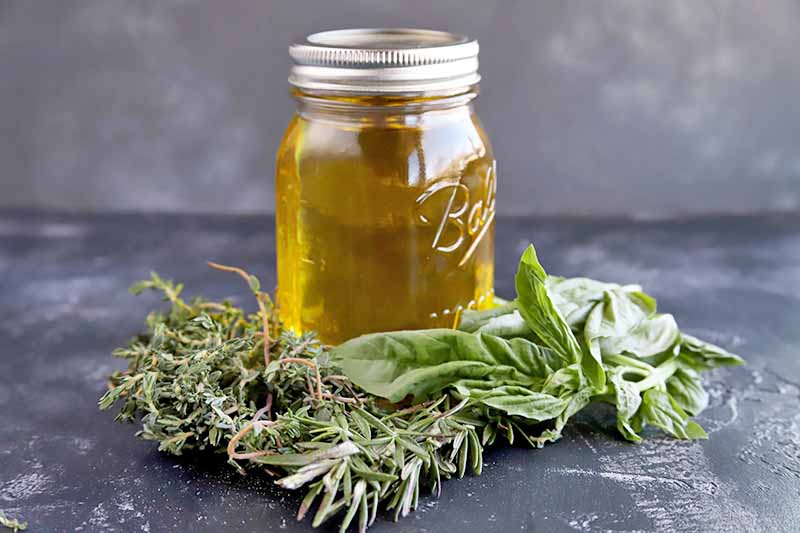
Making fresh herb-infused olive oil at home brings unbeatable freshness and flavor straight from your garden or local market. You’ll notice the bright, vibrant tastes of herbs like basil, rosemary, and thyme shine through much more intensely than store-bought versions. Plus, it’s a cost-effective way to enjoy gourmet flavored olive oil without paying premium prices at specialty shops.
This DIY flavored olive oil is also incredibly versatile—you can personalize each batch to suit your taste or create unique blends for every season. Best of all, homemade herb-infused olive oil makes a thoughtful, charming gift that friends and family will truly appreciate. You’ll love how this simple addition transforms everyday cooking and gifting into something special!
Safety First: Avoiding Botulism with Fresh Herbs
Fresh herbs can pose a risk when making homemade herb infused olive oil because their moisture creates an environment where harmful bacteria like botulism can grow. This is due to the lack of oxygen (anaerobic conditions) inside the sealed oil bottle, especially when combined with fresh herbs or garlic.
To keep your DIY flavored olive oil safe:
- Use dried herbs instead of fresh for longer-lasting oil with vibrant flavor and reduced risk.
- If you want to use fresh herbs, follow a safe acidification method to lower the pH and prevent bacterial growth.
- Always refrigerate fresh herb-infused olive oil and aim to use it within 1-4 weeks.
- Avoid storing fresh herb oils at room temperature unless properly acidified.
Following these steps ensures your herb oil stays delicious and safe, minimizing any botulism danger. For best results, combining safe methods with proper storage protects your olive oil infusion.
Ingredients & Tools You’ll Need
To make fresh herb-infused olive oil at home, start with a high-quality extra virgin olive oil—it offers the best flavor and health benefits. For your herbs, pick fresh options like basil, rosemary, thyme, oregano, and parsley; these bring vibrant, natural flavors to your infusion. You can also add optional extras such as garlic, lemon peel, or chili flakes to customize your oil further.
For equipment, make sure you have clean glass bottles—preferably dark or amber to protect the oil from light—along with a fine strainer or cheesecloth to remove herb bits later, and a funnel to pour your infused oil neatly without spills. Using the right ingredients and tools is key to a successful, flavorful homemade herb-infused olive oil.
Method 1: Simple Cold Infusion for Fresh Herbs (Short-Term Use)
Cold infusion is the easiest way to make fresh herb-infused olive oil at home, perfect for when you want vibrant, fresh flavors used within a short time. Here’s how to do it right:
- Wash and dry herbs thoroughly. Moisture is the main risk for spoilage, so pat your fresh basil, rosemary, thyme, or oregano completely dry.
- Place herbs into a clean glass bottle or jar, filling it about halfway.
- Pour high-quality extra virgin olive oil over the herbs, covering them entirely to avoid air pockets.
- Seal the bottle tightly and store it in a cool, dark place or refrigerator.
- Let it infuse for 1 to 2 weeks. This method preserves the delicate flavors but is best used fresh to avoid botulism risks common with longer storage of fresh herb oils.
Before use or storing longer, strain the oil with a fine mesh strainer or cheesecloth to remove herb bits that could spoil the oil faster. Keep your infused olive oil refrigerated and label the bottle with the date and herbs used for easy tracking.
Cold infusion works wonderfully with fresh garden herbs and is a fantastic, safe way to make DIY flavored olive oil with intense, natural flavors that brighten salads, bread dips, and dressings. For longer-lasting infused oils, consider the warm infusion or acidified methods discussed later.
Method 2: Warm/Heat Infusion (Faster Flavor Extraction)
Warm infusion is a great way to speed up the flavor extraction from fresh herbs into your olive oil without sacrificing quality. Keep the temperature below 180°F (82°C) to avoid damaging the delicate extra virgin olive oil and losing those fresh herb aromas.
How to do it:
- Place your washed, dried herbs (basil, rosemary, or thyme work well) in a clean pot or heat-safe container.
- Pour in the olive oil to cover the herbs completely.
- Gently heat the mixture on low for 20-30 minutes, stirring occasionally.
- After heating, let the oil cool to room temperature.
- Strain out the herbs using a fine mesh strainer or cheesecloth to remove any particles.
- Store your warm-infused olive oil in a clean glass bottle in a cool, dark place or refrigerate for longer freshness.
Why choose heat infusion?
- Faster flavor release compared to cold infusions allowing for stronger, more robust herb notes.
- Ideal when you want herb-infused olive oil ready in a day or less.
- Perfect for making small batches for immediate use or gifting.
For best results, use this method with firm, sturdy herbs like rosemary or thyme that stand up well to gentle heat. Avoid overheating as that can break down the olive oil’s quality and create off flavors.
This warm infusion balances safety and flavor, providing a quicker DIY flavored olive oil that’s great for cooking or drizzling fresh dishes. For more long-term storage safety with fresh herbs, consider acidification methods discussed later.
If you want inspiration on pairing your herb-infused oil with recipes, check out homemade treats like snowball cookies for a creative use of infused flavors.
Method 3: Safe Acidification for Fresh Herbs (Longer Shelf Life)
To make a fresh herb-infused olive oil that lasts longer and is safe for room-temperature storage, acidification is your best option. This method uses a citric acid soak to lower the pH on fresh herbs, reducing the risk of botulism caused by the moisture and anaerobic environment in plain fresh herb oil.
Citric Acid Soak Process:
- Mix 1 liter of water with 1 tablespoon of food-grade citric acid or 2 tablespoons of lemon juice.
- Submerge your fresh herbs (like basil, thyme, or rosemary) in the acidified solution.
- Let them soak for 10-15 minutes to properly acidify the herbs.
- Remove and dry the herbs thoroughly with paper towels or a salad spinner to avoid excess moisture.
Once dried, place the acidified herbs in a clean glass bottle and cover completely with high-quality extra virgin olive oil.
Why This Method Works:
- Acidifying the herbs drops the pH level, creating an environment where harmful bacteria, including Clostridium botulinum, can’t grow.
- This step lets you safely store and use your infused olive oil at room temperature for up to 1-3 months.
- It also preserves the vibrant fresh herb flavors better than dried herb infusions.
For best results, always label your bottles with the acidification date and type of herbs used. Remember, even with acidification, store your oil in a cool, dark place away from direct sunlight.
This acidified herb oil method is a great way to enjoy DIY flavored olive oil safely and extend the shelf life without losing the fresh herb kick. If you want quick flavor, try the heat infusion method, but for lasting flavor and safety, acidification is key.
Check out related safe infused oil recipes for more ideas and precise safety tips.
Best Fresh Herbs & Flavor Combinations
When making fresh herb-infused olive oil at home, choosing the right herbs shapes your oil’s character and use. Here are some top picks:
- Basil: Bright, fresh, and summery—perfect for salads and pasta.
- Rosemary: Earthy and robust, great for roasting or grilling.
- Thyme: Subtle, versatile, pairs well with almost anything.
For bold flavors, try blends like:
- Italian Blend: Basil + oregano for classic Mediterranean zest.
- Mediterranean Mix: Rosemary + thyme for an earthy, herbaceous combo.
- Citrus-Herb: Lemon peel + parsley for a fresh, zingy touch.
Keep in mind the difference between dried vs fresh herbs: dried herbs give a stronger, more concentrated flavor and a longer shelf life, making them safer for room temperature storage. Fresh herbs offer vibrant, lively notes but need quicker use and often refrigeration to maintain safety and quality.
For ideas on how to use your creations, check out some of my other recipes like this vanilla syrup guide that also highlight natural infusions for flavor.
Creative Uses for Herb-Infused Olive Oil
Herb-infused olive oil is incredibly versatile and adds a fresh burst of flavor to everyday cooking. Drizzle it over salads for a fragrant finish or toss it with pasta and roasted vegetables to elevate simple dishes. It also makes a fantastic dipping oil—perfect with crusty bread as an appetizer or snack.
For grilling lovers, use the oil as a marinade or a finishing touch on meats and veggies to bring out deeper, herbaceous notes. This DIY flavored olive oil works beautifully whether you’re aiming for a subtle hint from basil thyme olive oil infusion or a robust punch from rosemary infused olive oil.
Keep some on hand in the kitchen—it’s a simple way to brighten meals without any extra fuss. Plus, it pairs perfectly with recipes like one-pan roasted vegetables or baked dumplings, adding that homemade touch. For more cooking inspiration, check out this tasty one-pan baked dumplings recipe that benefits from infused oils.
Safety Guidelines & Avoiding Botulism Risks
When making fresh herb-infused olive oil at home, it’s important to understand the botulism risk. Fresh herbs and garlic can carry moisture, which creates an oxygen-free (anaerobic) environment inside the oil—perfect for harmful bacteria like Clostridium botulinum to grow. This bacteria produces a dangerous toxin, so safety is a must.
How to Stay Safe with Herb-Infused Olive Oil:
- Use dried herbs if you want to store your oil at room temperature safely. Dried herbs have less moisture, cutting down botulism risk.
- If you prefer fresh herb-infused oil, always refrigerate it and consume within 7 days to keep it safe.
- Another option is acidification—treat fresh herbs with citric acid before infusing, which helps prevent bacterial growth and allows longer storage.
- Never leave fresh herb or garlic-infused oil out on the counter for long periods.
Watch for Spoilage Signs:
- Cloudiness or unusual thickness in oil
- Off smells, sour or rancid odors
- Mold appearance or any strange discoloration
If you notice any of these, discard the oil immediately. Following these simple safety steps will let you enjoy your homemade herb infused olive oil with peace of mind.
Straining, Bottling & Storage Best Practices
Straining your fresh herb-infused olive oil properly is key to a clear, tasty result. Use a fine mesh strainer or cheesecloth to catch all herb bits. Cheesecloth works well for a super-clear oil, while a fine mesh strainer is easier and quicker for small batches.
When bottling, pick clean glass bottles with airtight lids. For homemade herb infused olive oil gifts, add dried herb sprigs inside the bottle for a pretty, natural touch. It makes your DIY flavored olive oil look inviting and thoughtful.
Storage matters for keeping flavors fresh and safe:
- Store infused oils in a cool, dark place away from heat and light.
- For fresh herb-infused oil, always refrigerate to reduce botulism risk and use within 1–2 weeks.
- Dried herb oils last longer and can stay at room temperature up to several months.
Don’t forget to label each bottle with:
- Date made
- Type of herbs used
- A “Refrigerate” note if fresh herbs are included
Clear labeling helps you track freshness and avoid spoilage, so your oil stays delicious and safe.
Troubleshooting Common Issues with Fresh Herb-Infused Olive Oil
If your homemade herb infused olive oil turns cloudy or develops a rancid smell, it usually means the oil is starting to go bad or wasn’t stored properly. Cloudiness can happen if tiny water droplets from fresh herbs remain, so always dry herbs thoroughly before infusing.
Weak flavor? Try these fixes:
- Use more fresh or dried herbs to boost the intensity
- Let the oil infuse longer (up to 1-2 weeks for cold infusion)
- Consider the warm infusion method for faster, stronger flavor extraction
Watch out for mold, off smells, or a sour taste. These are signs of spoilage and mean you should discard the oil to avoid any health risks.
Remember, freshness and proper storage are key to safe and tasty DIY flavored olive oil. Keep oils refrigerated when using fresh herbs, and always label your bottles with the date and ingredients.
Homemade Gift Ideas & Packaging
Fresh herb-infused olive oil makes a thoughtful homemade gift that’s both personal and practical. To create a beautiful presentation:
- Use clean, clear glass bottles that show off the golden oil and herbs.
- Add ribbons or twine around the neck for a rustic, elegant touch.
- Attach flavor labels with the herbs used (like rosemary, basil, or thyme) and the date made.
- Include small gift tags with simple usage ideas such as “Perfect for salads, bread dipping, and marinades.”
These DIY flavored olive oils are perfect for holidays, housewarmings, or as a unique hostess gift. Personalizing each bottle with your favorite fresh herb-infused olive oil blends makes your gift stand out and adds a homemade charm.
Frequently Asked Herb Questions
Can I use fresh garlic in herb-infused olive oil?
Fresh garlic can be risky because it increases the chance of botulism when stored in oil at room temperature. If you want garlic flavor, use dried garlic or prepare the oil fresh and keep it refrigerated, using it within a week.
How long does infused olive oil last?
Homemade herb-infused olive oil typically lasts 1 to 4 weeks if made with fresh herbs and kept refrigerated. Using dried herbs or acidifying fresh herbs can extend shelf life to several months, especially when stored in a cool, dark place.
Is it safe to leave fresh herb oil at room temperature?
No. Fresh herb-infused oils have moisture that creates a low-oxygen environment ideal for botulism bacteria growth. Always refrigerate oils with fresh herbs and use them quickly or follow the acidification method for safe room temperature storage.
What are the best herbs for beginners?
Start with easy-to-use, vibrant herbs like rosemary, thyme, and basil. These herbs infuse well and have familiar flavours that work great for most cooking and dipping needs.
Can I reuse herbs after straining?
It’s best not to reuse herbs after straining because most of the flavor has already been extracted, and reused herbs can introduce moisture or spoilage risks. For a strong, safe DIY flavored olive oil, always use fresh herbs for each batch.
Making fresh herb-infused olive oil at home is simple and rewarding, just keep safety and freshness in mind for the best results.