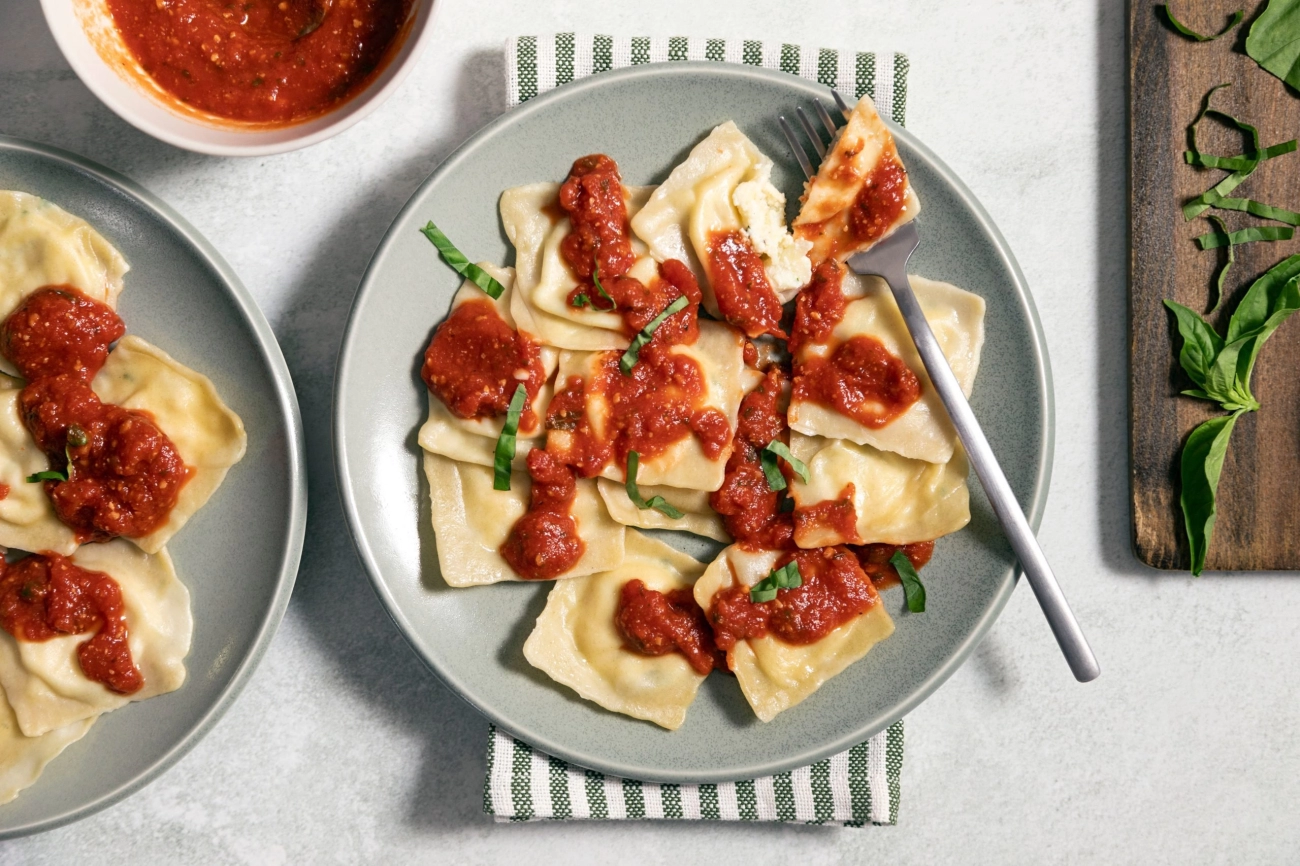
Mastering Homemade Ravioli from Scratch Step by Step Guide

Essential Ingredients and Tools for Homemade Ravioli
Starting with the best flours is key to mastering homemade ravioli from scratch. Use 00 flour or a blend of all-purpose and semolina flour for a perfect texture—soft yet sturdy enough to hold fillings. Adding a pinch of salt and a little olive oil to your dough mix boosts flavor and elasticity. For flavor additions, fresh herbs like basil or a touch of grated Parmesan mixed into the dough can elevate your ravioli. Experimenting with spinach powder or saffron also adds subtle color and taste.Recommended Tools and Beginner Alternatives
While a pasta machine makes rolling and shaping easier, you can get great results with simple tools at home:- Rolling pin for hand-rolling pasta sheets.
- Sharp knife or pizza cutter to cut dough.
- Ravioli mold or stamp (optional) for even shapes.
- A fork for sealing edges if you don’t have molds.
- Mixing bowls and plastic wrap are essentials for dough preparation and resting.
Pantry Staples for Fillings and Sauces
Your pantry will become your best friend when creating delicious ravioli filling ideas:- Ricotta cheese, spinach, and Parmesan for classic stuffing.
- Canned pumpkin or mushrooms for seasonal twists.
- Ground meats or seafood for hearty, savory options.
- Olive oil, garlic, fresh herbs, and butter for simple sauces like brown butter and sage.
Making the Perfect Pasta Dough
Mastering fresh pasta dough from scratch is key to great homemade ravioli. A classic egg-based dough usually calls for just three ingredients: all-purpose flour, eggs, and a pinch of salt. For best results, use 100g of flour per large egg. You can swap part of the all-purpose flour with “00” flour for a silkier texture or try semolina flour for a slightly firmer bite.Step-by-step dough preparation:
- Mix flour and salt on a clean surface or bowl.
- Create a well and crack in the eggs.
- Gradually combine flour and eggs with a fork or your fingers.
- Once mixed, knead the dough for 8-10 minutes until it feels smooth and elastic.
- Form into a ball, cover tightly with plastic wrap, and let it rest for at least 30 minutes at room temperature. This resting lets the gluten relax, making rolling easier.
Tips for silky, elastic dough:
- Use room temperature eggs to help the flour absorb moisture evenly.
- Knead until dough is smooth but not sticky; add flour sparingly.
- Resting is crucial—don’t skip this or the dough will snap back when rolling.
Common mistakes and fixes:
- Dough too dry or crumbly? Add a teaspoon of water and knead it in.
- Dough too sticky? Dust with a little extra flour but avoid adding too much.
- Dough snaps back when rolling? Let it rest longer or cover tightly during rolling.
Rolling Out Pasta Sheets
Rolling out fresh pasta dough is a key step in mastering homemade ravioli from scratch. If you have a pasta machine, start by dividing your dough into smaller portions. Flatten each piece slightly, then feed it through the machine on the widest setting. Gradually narrow the rollers after each pass to thin the sheet evenly. Typical settings range from 1 to 7, with 7 being the thinnest. The goal is a delicate, almost translucent sheet, but avoid tearing. No pasta machine? No problem. Hand-rolling works well too. Use a rolling pin and flat surface, applying firm, even pressure. Rotate and flip the dough frequently to maintain shape and thickness. It takes a bit more elbow grease, but you can still achieve great results. To get tender ravioli, aim for pasta sheets about 1 to 2 millimeters thick. Too thick, and the ravioli feels doughy; too thin, it can break or overcook easily. Before shaping, dust both the pasta sheets and your work surface generously with semolina flour. Semolina’s coarse texture prevents sticking without absorbing too much moisture, preserving that silky pasta feel. Proper dusting is especially important when layering sheets or folding over fillings. Mastering the rolling process sets the foundation for delightful homemade ravioli, whether using a pasta machine or hand-rolling techniques. This step ensures your ravioli’s texture is just right and ready to hold delicious fillings.Preparing Ravioli Fillings
A great homemade ravioli recipe starts with a tasty, balanced filling. The classic ricotta and spinach filling remains a favorite for many—blend fresh ricotta, sautéed spinach, a pinch of nutmeg, and grated Parmesan for a creamy, flavorful base. For cheese lovers, try variations like four cheese ravioli filling, mixing ricotta, mozzarella, Parmesan, and pecorino for extra richness. Meat fillings add hearty depth. Ground beef, pork, or a mix works well when cooked with garlic and herbs. For something lighter, chicken or turkey combined with ricotta and fresh herbs is excellent. Vegetable fillings suit seasonal produce—roasted pumpkin, mushrooms, or caramelized onions create delicious options. Seafood lovers can experiment with crab or shrimp blended gently into ricotta or mascarpone. To avoid watery fillings, which can make your ravioli soggy or burst during cooking:- Use well-drained greens and vegetables; squeeze out excess moisture.
- Choose thicker cheeses and avoid adding too much liquid.
- Incorporate breadcrumbs or an egg to help bind moist ingredients.
- Season fillings well—this enhances flavor and balances moisture.
Assembling and Shaping Ravioli
When mastering homemade ravioli from scratch, assembling and shaping are key steps that affect both appearance and cooking. You can start by hand-cutting shapes using a sharp knife or pizza cutter. Simple squares or rectangles work well for beginners and don’t require molds. For a more uniform look, try using molds and stamps designed for ravioli; they speed up the process and create consistent sizes that cook evenly. Sealing your ravioli properly is crucial to prevent bursting during cooking. Brush a little water or egg wash around the edges before pressing the pasta sheets together firmly. Avoid overfilling—portion the filling evenly with a small spoon or piping bag to keep each ravioli balanced and easy to seal. Press gently but firmly, ensuring no air pockets remain inside. Once comfortable, experiment with creative shapes like half-moons, rounds, or layered designs for an elevated presentation. These advanced shapes add flair and can impress guests or add variety to your homemade ravioli recipe. Remember, well-shaped ravioli cook better and look as good as they taste! For tips on keeping fresh homemade ravioli from sticking together after shaping, lightly dust them with semolina or flour—this extra step can make all the difference for neat handling.Cooking Fresh Ravioli
Cooking homemade ravioli from scratch is a straightforward step, but timing is key. Bring a large pot of salted water to a gentle boil—too rapid can damage the delicate pasta. Fresh pasta cooks quickly, usually in 2 to 4 minutes depending on thickness and filling. Keep the water at a gentle simmer for the best results. To test doneness, watch for the ravioli to float to the surface, which is a good indicator they’re nearly done. For extra assurance, cut one open to check that the filling is heated through and the dough is tender but still firm. Avoid overcooking to prevent the pasta from becoming mushy or the filling from leaking out. Once cooked, use a slotted spoon to carefully lift the ravioli from the water. Drain well but avoid rinsing, as this removes the pasta’s natural starch that helps sauce cling. Immediately toss the ravioli with your choice of sauce, like a simple brown butter and sage sauce or a light tomato sauce, to serve warm and fresh. For a beginner ravioli tutorial, focus on monitoring the cooking time closely and removing ravioli as soon as they float—this keeps your fresh pasta perfect and ready to enjoy.Sauces and Serving Suggestions for Homemade Ravioli
Sauces can make or break your homemade ravioli recipe. For a simple yet classic pairing, try brown butter and sage sauce—it’s rich, nutty, and lets the filling shine without overpowering it. Just melt butter until it’s golden brown, add fresh sage leaves, and toss with your cooked ravioli. This timeless sauce works beautifully with ricotta spinach ravioli or pumpkin ravioli from scratch. If you want to step up your game, explore advanced sauce options like creamy Alfredo, tangy tomato basil, or a light garlic and olive oil drizzle. Seafood ravioli pairs well with lemon-butter sauces or a touch of white wine reduction to enhance delicate flavors. For meat fillings, a hearty ragù or rich mushroom cream sauce can add depth. When plating, keep it simple but thoughtful:- Sprinkle fresh herbs (basil, parsley)
- Add a dusting of grated Parmesan or pecorino
- Drizzle a bit of extra virgin olive oil for shine
- Use edible flowers or crushed nuts for a creative touch
Make-Ahead, Storage, and Freezing Tips
Making homemade ravioli ahead of time is a great way to save effort on busy days. Once your ravioli are assembled, you can store them in the fridge for up to 24 hours, covered lightly with a cloth or plastic wrap to prevent drying out. For longer storage, freeze your ravioli flat on a baking sheet lined with parchment paper. Once frozen solid (about 1-2 hours), transfer them to an airtight container or freezer bag, separating layers with parchment to prevent sticking. This proper freezing method keeps the ravioli fresh and maintains their shape. When ready to cook, there’s no need to thaw frozen ravioli. Simply drop them straight into boiling water—just add a minute or two to the normal cooking time. This lets you enjoy fresh-tasting ravioli anytime without the fuss of making dough from scratch. Fresh ravioli typically last 1-2 days refrigerated, while frozen ravioli maintain quality for up to 2 months. To reheat cooked ravioli, gently warm them in a pan with sauce or steam quickly to avoid overcooking and losing texture. Mastering these make-ahead, storage, and freezing tips ensures you always have delicious homemade ravioli ready, perfect for quick meals without compromising on flavor or texture.Troubleshooting Common Issues with Homemade Ravioli
Making homemade ravioli from scratch is rewarding, but you might face some hiccups along the way. Here’s how to fix common problems like dough tearing, ravioli bursting, watery fillings, and sticking.Dough Tearing or Snapping Back
- Cause: Dough is too dry or not rested enough.
- Fix: Add a little water or egg yolk when kneading for extra elasticity. Let your dough rest at least 30 minutes, covered with plastic wrap to relax the gluten.
- Tip: Roll dough evenly and avoid over-thinning, as very thin dough tears easily.
Ravioli Bursting During Cooking
- Cause: Poor sealing or overstuffing.
- Fix: Press edges firmly, using a fork or your fingers to seal tight. Use beaten egg wash or water to help edges stick better. Avoid overfilling—use about a teaspoon of filling per ravioli for balance.
- Tip: Pinch any air pockets out before sealing, as trapped air can cause bursting.
Fillings Too Wet or Bland
- Cause: Moist ingredients releasing excess water or under-seasoned filling.
- Fix: Drain or squeeze out water from ingredients like spinach or ricotta before mixing. Add salt, pepper, and complementary herbs or spices for flavor boosts.
- Tip: Use binding agents like egg yolk or grated cheese to soak up moisture and improve texture.
Overcooking or Sticking
- Cause: Cooking too long or inadequate water and stirring.
- Fix: Fresh ravioli cooks fast—usually 2-4 minutes. Watch for them to float, then fish out quickly. Use plenty of boiling salted water and stir gently at the start to prevent dropping ravioli from sticking together.
- Tip: Drain ravioli carefully using a spider strainer or slotted spoon and toss gently with sauce immediately to avoid clumping.