Classic Manhattan Recipe Guide for Perfect Balance and Flavor

If you’ve ever wanted to master the art of the Classic Manhattan with Perfect Balance, you’re in the right place. This iconic cocktail isn’t just about mixing whiskey, vermouth, and bitters—it’s about nailing that flawless harmony where bold, sweet, and bitter dance together seamlessly. Whether you’re a home enthusiast or just starting to explore mixology, nailing the right ratios and technique can turn a simple drink into an unforgettable experience. Ready to learn how to craft a Manhattan that’s smooth, sophisticated, and perfectly balanced? Let’s get stirring.
History of the Manhattan Cocktail
The Manhattan cocktail has a storied past that’s as rich and smooth as the drink itself. Its origin story is often linked to the famous Manhattan Club in New York City during the early 1880s. Legend has it that the cocktail was first crafted at a social gathering held there, quickly gaining popularity among the city’s elite. While some say it was invented by a bartender’s creativity, others credit a noted bartender named Dr. Iain Marshall. Regardless of the exact tale, the Manhattan’s roots are deeply tied to this iconic urban hub.
From those early days, the Manhattan evolved alongside changing tastes. In the late 19th and early 20th centuries, it was a go-to cocktail in bars across America, embodying sophistication and simplicity. Over time, it became a benchmark classic whiskey cocktail, beloved for its perfect balance of whiskey, sweet vermouth, and bitters. Today, the Manhattan endures as a staple both in buzzing cocktail bars and in home bars worldwide, offering a timeless formula that appeals to those who appreciate a well-crafted, spirit-forward drink.
What keeps the Manhattan so relevant? It’s that captivating harmony between bold and sweet flavors, versatile whiskey choices, and the elegant ritual of stirring—a combination that never goes out of style. Whether you’re shaking up your first sweet vermouth cocktail or a seasoned pro experimenting with variations, the Manhattan remains a dependable classic that feels like a personal invitation to savor the art of cocktail making.
Understanding the Classic Ingredients
When it comes to a Classic Manhattan cocktail, choosing the right whiskey is key. Rye whiskey brings a spicy, bold character that many purists prefer for that traditional edge in a Rye whiskey Manhattan. On the other hand, bourbon offers a smoother, sweeter profile, making a softer, rounder Bourbon Manhattan that’s easier on the palate. Both work beautifully, but your choice sets the tone.
Sweet vermouth plays a crucial role by adding herbal sweetness and depth. It balances the whiskey’s strength with a subtle complexity that lifts the cocktail beyond just spirit and sugar. Fresh vermouth is important here to avoid any dull or overly sweet flavors.
Angostura bitters are the classic choice, tying all the flavors together with their aromatic spices. They help cut through the sweetness and enhance the whiskey and vermouth, making the drink layered and well-rounded.
For garnish, you can go with brandied or Luxardo cherries, which add a rich, fruity touch. Alternatively, a lemon twist offers a bright citrus aroma and a cleaner finish, perfect if you want a lighter feel. Each garnish changes the experience subtly but meaningfully.
Mastering these ingredients is the foundation for a great Manhattan cocktail recipe that you’ll want to keep coming back to.
The Classic Manhattan Recipe
The classic Manhattan cocktail follows a simple but precise formula: a 2:1 whiskey-to-vermouth ratio. This means two parts rye or bourbon whiskey to one part sweet vermouth, balanced perfectly with a dash or two of Angostura bitters. This ratio keeps the drink strong and smooth while letting the vermouth add its herbal sweetness.
Step-by-step instructions
Tools you’ll need:
- Mixing glass or a sturdy pint glass
- Bar spoon for stirring
- Jigger or measuring tool
- Strainer
- Chilled coupe glass or old-fashioned glass
How to make it:
- Fill your mixing glass with plenty of ice.
- Measure 2 ounces of your chosen whiskey and pour it in.
- Add 1 ounce of sweet vermouth.
- Add 2 dashes of Angostura bitters.
- Stir gently but thoroughly for about 30 seconds. This chills the drink and dilutes it just enough to smooth out the flavors while preserving clarity and silkiness.
- Strain the cocktail into a pre-chilled coupe glass if served “up” (no ice), or an old-fashioned glass over fresh ice if preferred “on the rocks.”
Serving suggestions
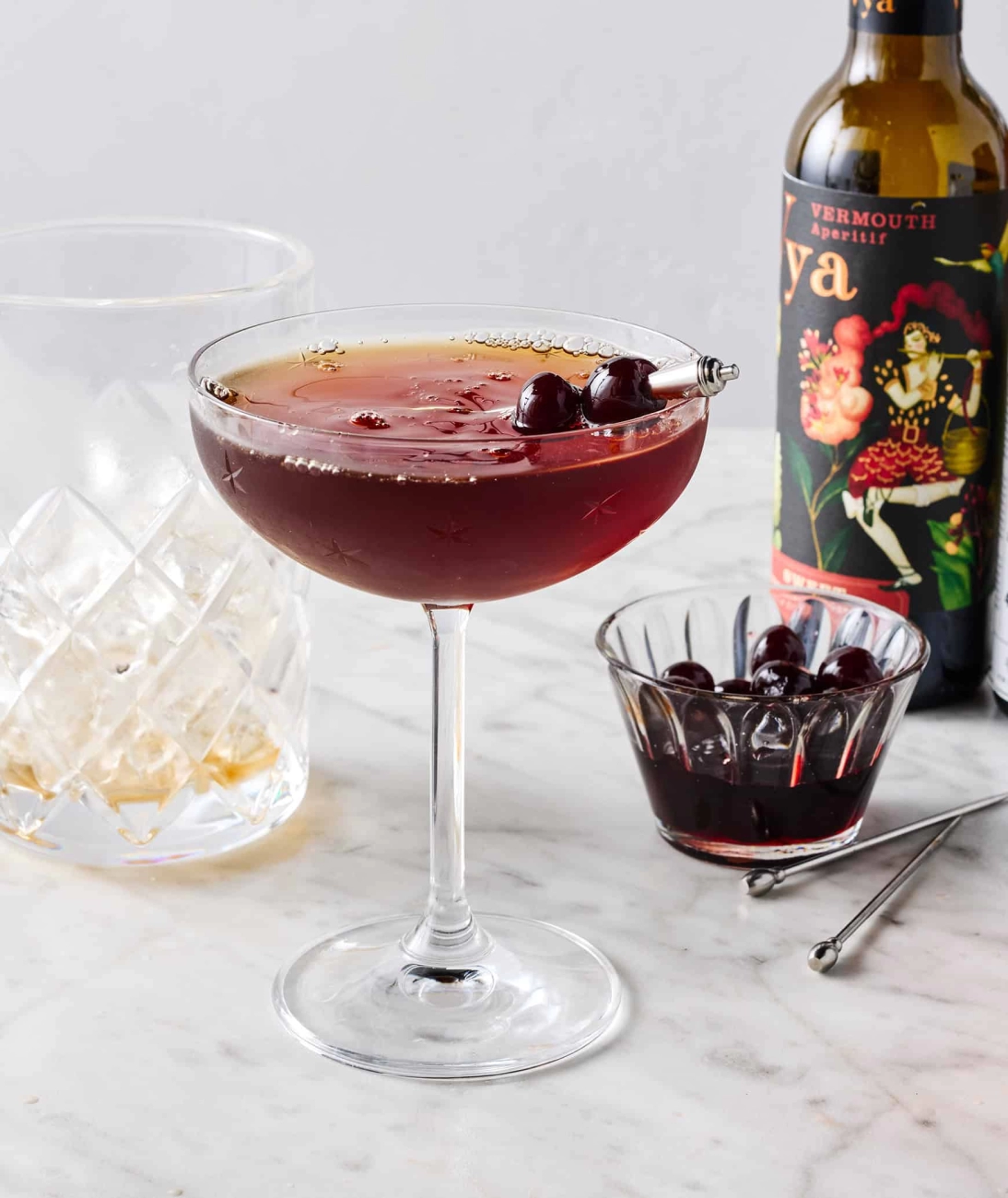
The Manhattan is traditionally served “up” in a coupe glass, giving it a classy presentation and a clean, crisp sip. However, some prefer it on the rocks for a slower sip and gradual dilution. Garnish with a Luxardo or brandied cherry to add a subtle sweetness, or a lemon twist for a zesty aroma.
Yield and prep time
- Yields one cocktail per batch
- Prep time: about 5 minutes
- Nutritional notes: Moderate calories from the alcohol and vermouth; no added sugars beyond the vermouth’s natural sweetness.
For a deeper dive into perfect stirring techniques and home bar tips, check out this detailed Manhattan cocktail guide.
Achieving Perfect Balance: Tips and Techniques
Getting the perfect Manhattan cocktail starts with using quality ingredients—fresh vermouth makes a huge difference in flavor, so avoid stale bottles. If vermouth tastes flat or sour, it throws off the entire drink’s harmony.
Adjusting the Manhattan ratio is key for personal preference. The classic 2:1 whiskey-to-vermouth ratio works well for most, but if you prefer a drier cocktail, reduce the vermouth slightly. For a sweeter sip, add a bit more sweet vermouth. Experiment until you find your ideal balance.
Stirring vs. shaking matters here—a stirred Manhattan keeps the drink clear and silky. Shaking can introduce unwanted air bubbles and make the cocktail cloudy, which isn’t what you want in a classic whiskey cocktail.
Temperature control is crucial. Always pre-chill your glass to maintain the perfect chill without over-dilution. Proper stirring also ensures the right amount of water is melted from ice, which helps smooth out the whiskey vermouth bitters mix without watering it down.
Watch out for common mistakes like over-dilution from stirring too long or using poor-quality bitters. Angostura bitters remain the gold standard, so be sure yours are fresh to tie the flavors together seamlessly. Balancing these elements leads to a smooth, perfectly balanced Manhattan that’s a staple for any home bar.
For a great refresher on stirring techniques and glassware prep, you might also find tips in classic cocktail recipes similar to the Tequila Sunrise.
The Perfect Manhattan Variation
What sets the Perfect Manhattan apart is its balanced use of vermouth—splitting the total vermouth portion equally between sweet and dry vermouth. This simple twist creates a drier, more refined profile compared to the traditional sweet vermouth-heavy Manhattan cocktail recipe.
Recipe and Proportions:
- 2 oz rye or bourbon whiskey
- ½ oz sweet vermouth
- ½ oz dry vermouth
- 2 dashes Angostura bitters
- Garnish with a lemon twist or a Luxardo cherry
This equal vermouth split brightens the flavor and adds complexity, making the drink less sweet and more sophisticated. The bitters unify these elements, while the lemon twist garnish often preferred here, lifts the aroma and freshness.
Flavor Differences:
Expect a drier, crisper cocktail that’s smoother on the palate but just as layered. The combination of both vermouth types offers herbal complexity and a slight edge without overwhelming sweetness.
When to Choose a Perfect Manhattan:
Opt for the Perfect Manhattan when you want a modern twist on the classic that feels lighter and less sugary—ideal for those who appreciate a more balanced, elegant whiskey cocktail. It’s perfect for impressing guests or just when you’re in the mood to enjoy something a little less traditional but still firmly rooted in the classic whiskey vermouth bitters combination.
This variation complements any home bar setup and is a smart choice if you already stock both vermouth types. For more stirring technique and chilling tips on classic cocktails, you might find this guide on the stirred cocktail recipe helpful—even though it’s about martinis, the principles apply equally here.
Popular Manhattan Variations
The classic Manhattan is versatile, giving way to several popular variations that highlight different flavors and spirits while keeping the cocktail’s signature balance.
-
Dry Manhattan: This version swaps out sweet vermouth for dry vermouth, creating a lighter, crisper cocktail. It’s perfect if you prefer a less sweet, more herbal take on your whiskey vermouth bitters mix.
-
Black Manhattan: Here, amaro replaces the sweet vermouth, adding a rich, bittersweet complexity. This bold variation is ideal for those looking to experiment beyond the classic herbal sweetness.
-
Rob Roy: Using Scotch whisky instead of rye or bourbon, the Rob Roy brings a smoky, peaty character to the Manhattan formula. It’s the go-to for Scotch lovers wanting a stirred cocktail recipe with a twist.
-
Bourbon Manhattan and Other Spirit Swaps: Substituting rye whiskey with bourbon softens the drink, delivering smooth sweetness instead of spice. You can also experiment with other whiskey types or even mezcal for a smoky edge, giving your home bar Manhattan options a creative boost.
-
Modern Twists: Bartenders and home mixers alike have embraced unique ingredients like flavored bitters, craft vermouth blends, or garnishes like Luxardo cherries with a splash of liqueur to elevate the classic. These innovations add depth while respecting the Manhattan’s perfect balance.
Each variation offers a fresh way to enjoy the Manhattan cocktail recipe, suited to different palates and occasions. Feel free to try them out and see which version fits your taste best!
Pairing and Serving Ideas
The Classic Manhattan with Perfect Balance pairs beautifully with rich, savory foods. Think charcuterie boards, aged cheeses, and well-seasoned steaks—the cocktail’s warmth and depth cut through the fat and enhance complex flavors. It also shines alongside holiday appetizers, making it a go-to for festive gatherings and cozy winter evenings.
For occasions like date nights or cocktail parties, serving a Rye whiskey Manhattan or Bourbon Manhattan offers a timeless vibe guests appreciate. If you’re entertaining a crowd, consider batch preparation to keep the drinks flowing smoothly without compromising the classic whiskey vermouth bitters profile. Just mix the cocktail in advance, keep it chilled, and stir gently before serving.
For more cocktail inspiration, check out other easy-to-make stirred recipes like the Amaretto Sour to add variety to your home bar Manhattan lineup.
Frequently Asked Questions
What is the best whiskey for beginners in a Manhattan?
For those new to the classic whiskey cocktail, a smooth bourbon Manhattan is often the easiest starting point. Bourbon’s sweeter, mellow profile is more approachable than the spicier rye whiskey Manhattan, which can be more intense. However, if you enjoy a bit of boldness and complexity, a well-balanced rye whiskey adds traditional character to the drink.
Can I make a Manhattan without bitters?
Bitters, especially Angostura bitters, are key to tying the whiskey and sweet vermouth together, adding depth and balance. Skipping bitters will leave the cocktail flat and less complex. If you’re out of bitters, you might try a dash of aromatic herbal tincture or a splash of citrus peel, but for an authentic, well-rounded Manhattan cocktail recipe, bitters are a must.
How should I store vermouth?
Sweet vermouth is a fortified wine and should be refrigerated after opening to keep it fresh longer. Its flavors can degrade quickly if left at room temperature, which affects the balance of your Manhattan. Using fresh vermouth every time ensures that herbal sweetness and depth shine through in your cocktail.
Are there non-alcoholic alternatives to a Manhattan?
Yes, you can enjoy a non-alcoholic version by substituting whiskey with aged non-alcoholic spirits made from botanicals or grain bases. For vermouth, non-alcoholic herbal aperitifs work well. Add aromatic bitters (non-alcoholic if available) for complexity, and garnish as usual. These alternatives aim to replicate the classic whiskey vermouth bitters profile without the alcohol content.
For more ways to master your home bar skills, check out our detailed tips on the Old Fashioned cocktail, another classic stirred cocktail.