Classic Martini Shaken or Stirred Guide Tips History and Recipe

History of the Classic Martini
The classic martini dates back to the late 19th and early 20th centuries, emerging as a sophisticated cocktail during America’s cocktail boom. Early versions were often sweeter and heavier on vermouth, reflecting the era’s taste for richer flavors. Over time, the recipe evolved into the modern dry martini we know today—favoring less vermouth and a crisper, more spirit-forward profile.
Originally, the martini was made exclusively with gin, a botanical-heavy spirit that pairs perfectly with dry vermouth. However, by the mid-20th century, vodka gained popularity, especially in the United States, leading to the rise of the vodka martini as an alternative. This shift not only changed the base spirit but subtly influenced martini culture and taste preferences worldwide.
Dry vermouth has played a crucial role throughout this evolution. Early recipes called for generous amounts, but bartenders gradually reduced the vermouth ratio for a drier finish. Today, the best martini ratio often falls between 5:1 and 3:1 spirit to vermouth, striking a delicate balance between flavor and dryness. This ratio shift highlights how small tweaks in vermouth quantity can dramatically alter the cocktail’s character.
The Shaken vs. Stirred Debate Explained
When it comes to the classic martini shaken vs stirred debate, the differences mainly boil down to temperature, dilution, aeration, texture, and how the drink looks. Stirring chills the cocktail gently and controls dilution, keeping the spirit clear and silky. It’s the traditional go-to for spirit-only cocktails like the dry martini recipe because it preserves that smooth texture and crystal-clear appearance bartenders and enthusiasts prefer.
Shaking, on the other hand, cools the drink faster and dilutes it more, introducing tiny air bubbles that give the martini a lighter texture but often make it cloudy, sometimes with little ice shards floating around. This can change the mouthfeel and aroma, which some people enjoy while others don’t.
There’s also the old “bruising the gin” myth to unpack — many think shaking damages the gin’s delicate flavors, but this isn’t exactly true. Shaking does aerate and chill the drink more thoroughly, which can soften the botanicals, but no actual harm comes to the spirit. So whether you shake or stir depends on personal taste or style rather than any strict rule about “ruining” the gin.
For a smooth, classic dry martini, stirring remains the expert-recommended method, while shaking suits variations like dirty martinis or when you want a colder, more vibrant drink. Understanding these factors helps you choose the best martini preparation for your palate.
James Bond’s Influence: Shaken, Not Stirred
The phrase “shaken, not stirred” became famous thanks to Ian Fleming’s novels, where James Bond orders his martini this way. The films amplified this line, making it iconic worldwide. Bond’s preference for a shaken martini fits his character—a bold, unconventional figure who opts for a colder, slightly more diluted drink, often using vodka instead of gin, which was becoming more popular by mid-20th century.
While classic martini preparation typically calls for stirring to preserve clarity and smooth texture, Bond’s order flipped that tradition, emphasizing a colder, more aerated cocktail. This popularized the idea of shaking martinis, even though it contradicts traditional cocktail mixing techniques. Bartenders today often see Bond’s choice as more about style and flair than the ideal taste.
Modern mixologists tend to favor stirred martinis for their balance and silkiness but acknowledge the influence of Bond’s shaken vodka martini in popular culture. Some bartenders even create shaken versions as a nod to Bond, especially with vodka martinis or when accommodating personal preferences. Still, the classic dry martini remains primarily a stirred affair among cocktail purists.
Expert Recommendations: The Best Way to Prepare a Classic Martini
Most mixologists agree that stirring is the best way to prepare a classic dry martini. Stirring chills the drink evenly while preserving its smooth texture and clear appearance. It also allows for just the right amount of dilution, which brings out a balanced flavor between the gin or vodka and dry vermouth. This method is especially preferred for classic dry martini recipes where the focus is on clarity and subtlety.
That said, shaking can be acceptable depending on the style or personal taste. For example, many bartenders shake dirty martinis—which include olive brine—because shaking better combines the brine and spirits, adding a bit of texture and chill. Some people also simply prefer the colder temperature and slightly aerated mouthfeel from shaking, regardless of tradition.
Regional preferences can also influence how a martini is made. In some places, shaking has become commonplace for both gin and vodka martinis, while other regions hold firmly to stirring as the classic technique. Ultimately, the best method depends on the drinker’s flavor preference and the specific martini style they want to enjoy.
Step-by-Step Recipe for the Perfect Classic Martini
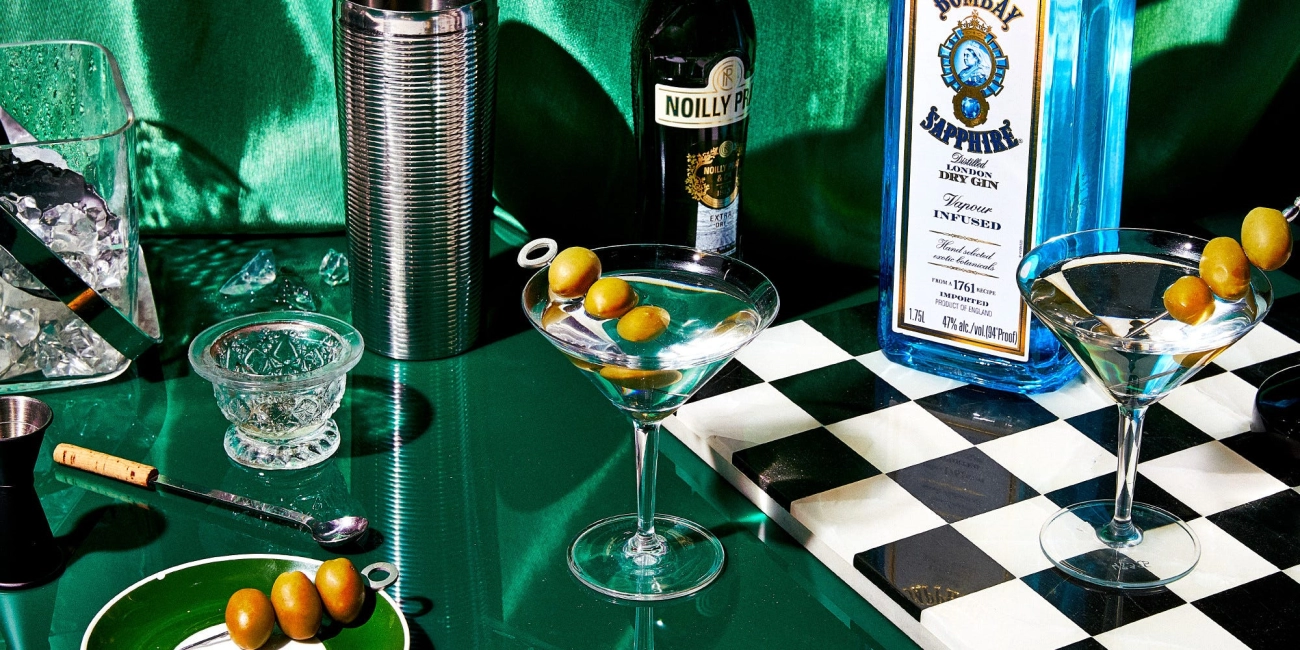
To craft the perfect classic dry martini, start by choosing your base spirit: gin or vodka. Gin is the traditional choice, offering herbal complexity, while vodka provides a smoother, cleaner profile. Pair either with a high-quality dry vermouth—its herbal and slightly floral notes balance the spirit perfectly. For garnishes, classic options include green olives or a lemon twist, depending on your preference.
Ideal Ratios for Your Martini
The best martini ratio depends on how dry or wet you like it:
- Dry martini: typically 5:1 or 6:1 spirit to vermouth ratio
- Standard martini: around 3:1 spirit to vermouth
- Adjust vermouth amounts for wetter (more vermouth) or drier (less vermouth) tastes.
Essential Tools
You’ll need a mixing glass for stirring, a bar spoon to mix smoothly, a strainer to keep ice shards out, and a chilled martini glass to serve. Chilling your glass ahead helps maintain the martini’s crisp chill.
How to Stir for the Best Martini
- Fill your mixing glass with ice.
- Pour in the gin or vodka plus the measured dry vermouth.
- Stir gently for about 30 seconds. The goal is to chill the drink evenly while adding the right amount of dilution—this softens the alcohol without watering down flavor.
- Strain into your pre-chilled martini glass.
This stirred method preserves clarity and the silky texture that defines a classic dry martini.
Optional Shaken Variation
If you prefer, you can shake your martini:
- Add ingredients and ice to a cocktail shaker.
- Shake vigorously for about 10-15 seconds.
- Strain into the glass; expect a colder, slightly cloudier drink with more dilution and aeration.
While shaking is less traditional, it’s popular with vodka martinis or “dirty” versions, making the texture lighter and the flavor punchier.
Home Prep Tips
- Freeze your martini glasses to keep the drink icy longer.
- Store vermouth in the fridge after opening, ideally using it within a month to maintain freshness and flavor.
- Use fresh olives or lemon twists for garnish, or for a homemade touch, check recipes for fresh herb-infused olive oil to elevate your olives.
This straightforward approach to martini preparation ensures a classic cocktail that respects tradition while letting personal taste shine.
Martini Variations to Explore
The classic martini offers plenty of room for variations, each with its own twist on the basic formula. Here are some popular types to try:
- Dry Martini: The classic version with a higher ratio of gin (or vodka) to dry vermouth, delivering a crisp, spirit-forward drink.
- Wet Martini: Uses more vermouth for a slightly softer, less dry taste.
- Perfect Martini: Made with equal parts dry and sweet vermouth, striking a balance between dry and rich flavors.
- Dirty Martini: Adds olive brine for a salty, savory kick, often garnished with olives.
- Gibson: Similar to a classic dry martini but garnished with a cocktail onion instead of an olive or lemon twist.
When choosing between gin vs. vodka martini, note how gin offers botanical complexity, while vodka gives a cleaner, smoother profile. Both can be shaken or stirred based on preference.
Modern twists often keep the spirit of the classic martini but introduce subtle flavors or garnishes—think citrus peels, flavored vermouths, or artisanal olives—while respecting the original’s simplicity.
For those exploring beyond tradition, these variations provide a great starting point to discover your ideal martini style.
If you want to see how to pair these variations with different cocktail recipes, checking out inventive cocktail ideas like the candy salad can also inspire your mixing adventures.
Common Mistakes and Pro Tips
When making a classic martini, one of the biggest pitfalls is over- or under-diluting. Too much water from melted ice can wash out the flavors, while too little leaves the drink harsh and warm. The key is stirring just enough to chill and slightly dilute, achieving that smooth balance.
Another common error is using poor-quality ingredients. Since a martini has so few components, every element counts. Opt for a good-quality gin or vodka and fresh, dry vermouth. Avoid cheap brands—they can spoil the whole experience.
Serving temperature and the right glassware are crucial. A properly chilled glass keeps your martini cold longer, so freeze your glass before pouring. Classic martini glasses or coupe glasses work best, helping maintain the ideal temperature and showcasing the drink’s clarity.
Finally, order confidently at the bar. Knowing your preference—whether gin or vodka martini, dry or dirty, shaken or stirred—helps bartenders deliver exactly what you want. If you’re experimenting, clarify the vermouth amount and garnish. Confidence never goes out of style in ordering a perfect martini.
For more on cocktail basics, check out how to make an Amaretto Sour to sharpen your mixology skills.