What Are Cocktail Bitters?
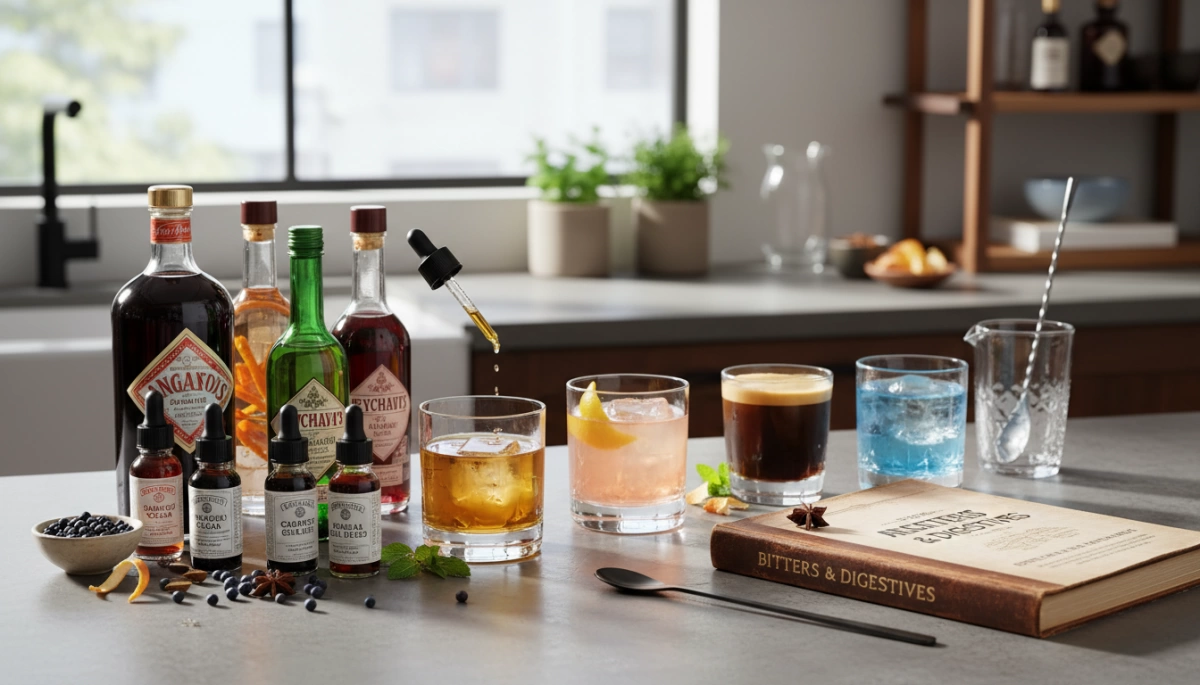
Cocktail bitters are a concentrated blend of botanicals, herbs, spices, and natural flavorings infused into a high-proof alcohol base. Think of bitters as the spice rack of the bar—just a few dashes can transform a drink from simple to unforgettable. They have a strong, bitter taste profile that might seem intense on their own but work wonders when balanced in cocktails.
Bitters are known for adding depth in drinks by enhancing flavor balance and bringing out hidden notes. They’re not just about bitterness; instead, they offer complex layers of aroma and flavor, acting like salt in cooking—subtle yet indispensable. Whether it’s a classic bottle of Angostura bitters or a citrus-forward orange bitters, these tiny drops become essential flavors that elevate any cocktail.
In essence, cocktail bitters are the unsung heroes in mixology essentials, quietly binding the ingredients together and adding a finishing touch that makes every sip more interesting and enjoyable.
A Brief History of Bitters in Cocktails
Cocktail bitters have been around for centuries, originally developed as medicinal tonics made from bark, roots, and herbs. In the early 1800s, bartenders started adding these bitter infusions to spirits to balance sweetness and add depth, marking bitters as an essential ingredient in classic cocktail recipes. Over time, bitters became a staple in drinks like the Old Fashioned and the Manhattan, where a few dashes transform simple mixes into complex, layered beverages.
Bitters saw a dip in popularity in the mid-20th century but have since enjoyed a huge resurgence thanks to the modern craft mixology revival. Bartenders and enthusiasts worldwide now experiment with a wider range of aromatic bitters, citrus bitters, and specialty botanical infusions. This renaissance has brought bitters back into the spotlight, highlighting how crucial they are for achieving flavor balance and enhancing the overall drink complexity.
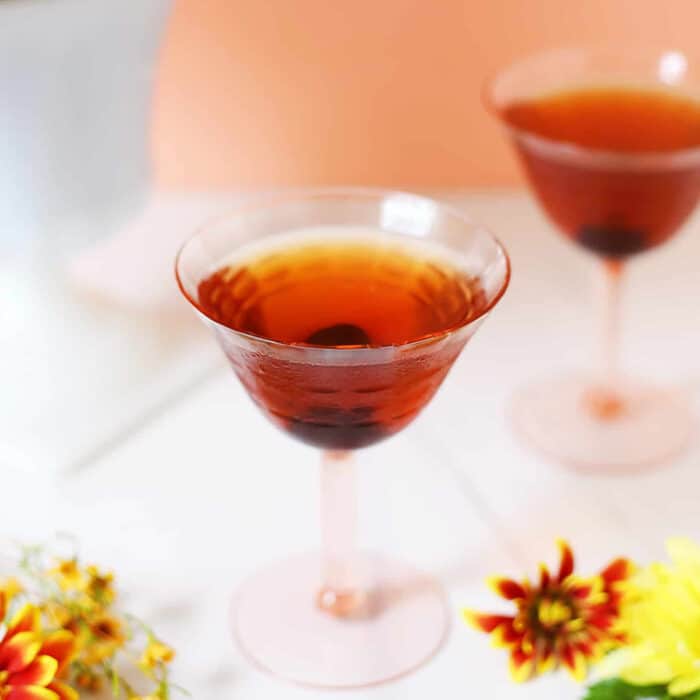
For those interested in classic cocktails that show bitters’ impact perfectly, the Manhattan cocktail is a prime example, where aromatic bitters play a key role in its rich, smooth profile.
How Bitters Enhance Drink Complexity
Bitters play a crucial role in elevating the complexity of cocktails. Their bitterness adds an important layer to the flavor balance, preventing drinks from tasting too sweet or flat. By introducing lightly bitter notes, bitters create contrast, which makes every sip more interesting and satisfying.
Key Ways Bitters Enhance Drinks
| Impact | Description |
|---|---|
| Bitterness and Balance | Offsets sweetness and rounds out flavors to create harmony. |
| Depth and Aroma | Adds subtle herbal, spicy, or citrus notes that deepen the overall aroma and taste. |
| Flavor Binding | Acts like glue by blending diverse elements together, making the drink more cohesive. |
With vs. Without Bitters
- Without bitters: Drinks can feel one-dimensional, overly sweet, or lacking in punch.
- With bitters: Cocktails gain complexity, nuance, and a smooth finish that keeps the palate engaged.
In fact, just a few dashes of bitters transform classic recipes by layering botanical infusions and aromatic spices that elevate simple spirits.
If you want to explore how depth works in layered drinks, check out the detailed flavors in the Tropical Mai Tai with Layered Flavors — it’s a great example of balanced complexity.
Bitters are truly a mixology essential, acting as the spice rack of the bar, ensuring each cocktail hits just the right note.
Key Types of Bitters and Their Effects
Bitters come in many varieties, each adding its own unique touch to drinks and shaping their flavor profiles. Here’s a quick look at the main types of cocktail bitters and what they bring to the glass:
-
Aromatic bitters
These are the most common and recognizable bitters, packed with warm spices like cinnamon, clove, and cardamom. Aromatic bitters add a rich, spiced depth that enhances warmth and complexity, making them a staple in classics like the Old Fashioned.
-
Citrus and orange bitters
Bright and zesty, these bitters deliver fresh citrus notes that cut through richness and add crispness to cocktails. Orange bitters especially work well to lighten heavier spirits, providing a subtle tangy lift and bright aroma.
-
Herbal and floral bitters
Infused with botanicals like lavender, chamomile, or gentian root, herbal and floral bitters add delicate nuances and layers of complexity. These bitters are perfect when you want subtle bitterness paired with fresh, fragrant aromas.
-
Specialty bitters and modern twists
The craft mixology movement has introduced bitters made with unique ingredients such as chili, chocolate, or coffee. These bitters allow bartenders to experiment with bold flavors, creating innovative drinks with unexpected pops.
-
Non-alcoholic bitters options
A growing number of non-alcoholic bitters are on the market today, making it easier to enjoy the depth and flavor balance bitters provide without the alcohol content — perfect for mocktails and those avoiding alcohol.
Using different types of bitters lets you tailor complexity, aroma, and bitterness to each drink, making them an essential part of your spice rack of the bar. For those experimenting with new flavors, trying citrus or specialty bitters can breathe exciting freshness into traditional recipes or new creations.
If you’re looking to explore bitters beyond cocktails, check out creative recipes like this Winter Spiced Hot Toddy, where bitters add warmth and depth to a comforting drink.
Classic Cocktails Showcasing Bitters’ Impact
Bitters play a crucial role in many classic cocktails, adding layers of flavor and balance. Take the Old Fashioned, for example—its signature taste comes from a few dashes of aromatic bitters, which soften the sweetness and highlight the oak notes of the whiskey. If you want to dive deeper into this iconic drink, the detailed Old Fashioned cocktail recipe breaks down how bitters tie everything together.
The Manhattan is another cocktail where bitters are key. Aromatic bitters bring warmth and spice, enhancing the rich, slightly sweet bourbon or rye foundation. This cocktail simply wouldn’t have its smooth, balanced profile without those essential dashes of bitters. For a comprehensive guide on crafting the perfect Manhattan, check out the classic Manhattan with perfect balance.
Then there’s the Sazerac, famous for using Peychaud’s bitters, which offer a unique floral and anise aroma that sets it apart from others. This bitters choice adds a bright complexity that interacts beautifully with rye whiskey and absinthe, delivering a bold yet harmonious drink.
Modern mixologists are also experimenting with bitters to reinvent cocktails, mixing specialty and citrus bitters for fresh twists or infusing herbal notes to create depth. Whether you’re sticking with classic recipes or trying new ones, bitters are an absolute game-changer for complexity and flavor balance in drinks.
Practical Tips for Using Bitters
When it comes to using cocktail bitters, a little goes a long way. Here are some practical tips to get the most out of your bitters and enhance your drinks effectively:
Dosage Guidelines
- Start with 1-2 dashes of bitters per cocktail—this is usually enough to add complexity without overpowering the drink.
- Adjust gradually if you want more bitterness or depth, but avoid adding too much as it can become overpowering.
Pairing Bitters with Spirits
- Aromatic bitters work well with whiskey, bourbon, and rum, complementing their warm, spicy notes.
- Citrus or orange bitters pair perfectly with gin and lighter spirits for a fresh, bright touch.
- Herbal or floral bitters create nuance with vodka or tequila, adding layers of botanical flavor.
- Specialty bitters can be matched with craft spirits or cocktails that need a unique twist.
Experimentation Ideas
- Try mixing different types of bitters in one cocktail to create your signature flavor profile.
- Use bitters with homemade infusions or syrups (like vanilla extract) to deepen aroma—consider homemade flavor boosters in your bar routine for unique results.
- Don’t hesitate to explore bitters in simple drinks like a sparkling water spritz or a mocktail to enhance complexity without alcohol.
Storage and Shelf Life
- Store bitters in a cool, dark place away from direct sunlight to preserve flavor and aroma.
- Most bitters have a long shelf life (up to several years) due to their high alcohol content, but always check for any changes in smell or taste before use.
By following these tips, you can confidently use cocktail bitters as mixology essentials to boost the flavor balance in your drinks, whether classic or modern.
For ideas on enhancing your cocktail ingredients, you may also find this step-by-step guide to homemade extracts very useful.
Beyond Cocktails: Bitters in Mocktails and Culinary Uses
Bitters aren’t just for cocktails—they add a lot to zero-proof drinks and even food. In mocktails, a few dashes of bitters can bring the same depth and flavor balance you’d expect in classic cocktails. They introduce bitterness and complexity, which keeps non-alcoholic drinks from tasting flat or overly sweet. For example, adding aromatic or citrus bitters to a soda or lemonade creates a more layered, interesting beverage that feels adult and sophisticated.
In the kitchen, bitters shine as subtle seasoning agents. Their botanical infusions—like herbs, spices, and citrus—can elevate sauces, marinades, and desserts. Dropping a few dashes of orange or herbal bitters into a salad dressing or chocolate recipe can enhance aroma and provide unexpected flavor twists. Bitters work especially well when you want to balance sweetness or richness without overpowering your dish.
Experimenting with bitters beyond just cocktails is an easy way to add nuance and flavor balance to both drinks and food. Don’t be afraid to try them in your favorite mocktail recipes or as a unique ingredient in cooking. For inspiration, you might even explore creative blends like those found in specialty bitters designed for non-alcoholic use.
For more creative drink ideas, check out this fun homemade Bloody Mary recipe that can be adapted with bitters to boost complexity without alcohol.
FAQ Section: Common Questions About Bitters Usage and Types
What are cocktail bitters?
Cocktail bitters are concentrated botanical infusions, typically made by soaking herbs, spices, and fruits in alcohol. They add depth, balance, and complexity to drinks by introducing a bitter taste profile that enhances overall flavor.
How much bitters should I use in a cocktail?
Bitters are potent, so usually just a few dashes (2-4) are enough per drink. Start small and adjust to taste to avoid overpowering your cocktail. This helps with flavor balance in cocktails.
Can bitters be used with any spirit?
Bitters pair well with a wide range of spirits — whiskey, gin, rum, and even tequila. The key is matching the bitters’ flavor notes with the spirit to create harmony, like aromatic bitters with bourbon in an Old Fashioned.
What are the main types of bitters?
Aromatic bitters: Warm spices and herbs (e.g., Angostura bitters)
Citrus/orange bitters: Bright, fresh zing
Herbal/floral bitters: Subtle botanical layers
Specialty bitters: Unique flavors like chocolate or cardamom
Non-alcoholic bitters: Great for zero-proof or mocktail options
Are there non-alcoholic bitters?
Yes, non-alcoholic bitters are available for those avoiding alcohol but still wanting that complexity and depth in their drinks.
How long do bitters last?
Bitters have a long shelf life due to their alcohol content but should be stored in a cool, dark place. Properly stored bitters can last several years without losing potency.
Can bitters be used in food recipes?
Absolutely. Bitters can enhance sauces, marinades, and even salads. For creative kitchen ideas, check out recipes like the easy chicharron recipe that benefit from botanical infusions.
Do bitters really improve classic cocktail recipes?
Definitely. Drinks like the Manhattan, Sazerac, and Old Fashioned wouldn’t be the same without bitters. They tie flavors together and add that essential layer of complexity every great cocktail needs.
If you want to explore how bitters transform flavors at home, experimenting with dashes in familiar cocktails is the best way to learn and develop your palate.