Layered Drinks Techniques and Tips for Stunning Cocktails and Mocktails

Understanding the Science Behind Layering
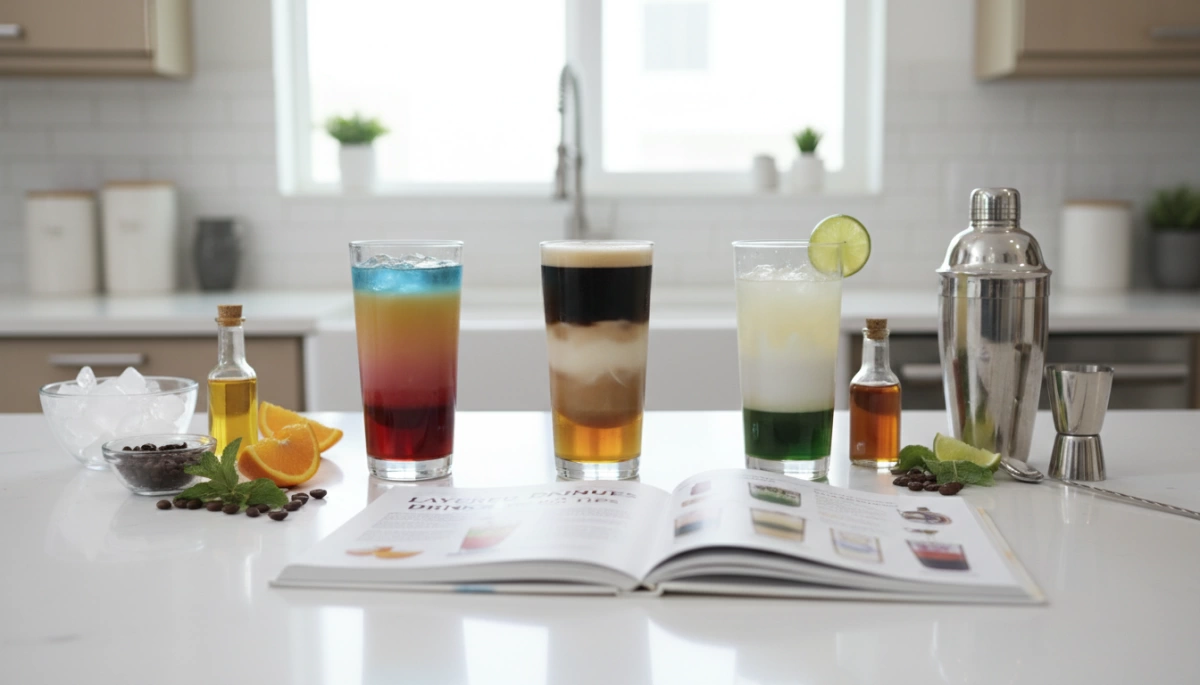
Layered drinks are all about density — a simple concept that makes your cocktails look like a mini rainbow in a glass. The trick? Heavier liquids sink to the bottom, while lighter ones float on top. So, the key to perfect layered cocktails is knowing which ingredient weighs more.
How density works:
Liquids with higher sugar content or lower alcohol usually have greater density and will settle at the bottom. Lighter liquids, often with less sugar or higher alcohol, will naturally float above. Think of it like oil and water but tastier!
Factors influencing density:
Sugar content: The sweeter, the heavier. Grenadine syrup is a classic example — it’s one of the heaviest and always goes at the bottom.
Alcohol percentage: The higher the alcohol, the lighter the liquid tends to be. Proof matters!
Temperature: Colder liquids are denser. Chilling your ingredients helps prevent layers from blending.
Brand variations: Different brands may have slight density differences, so don’t hesitate to experiment for best results.
Quick ingredient density guide:
Grenadine: Heaviest (great for that strong bottom layer)
Cream liqueurs (like Baileys): Light to medium density
Juices and syrups: Vary, but usually denser than pure spirits
Spirits (vodka, gin, tequila): Usually the lightest, perfect for top layers
Why chilling and ice matter:
Cold liquids are denser and flow less aggressively, reducing mixing when poured. Adding ice stabilizes the glass temperature and slows the sinking or rising, keeping your layered drinks sharp and impressive longer.
Once you get this down, you have the science side of layered drinks nailed—it’s like being a cocktail wizard with gravity on your team!
Essential Tools and Preparation
To nail layered drinks, having the right tools is key. A bar spoon is essential for the classic layering technique, helping you pour liquids slowly and gently. A jigger ensures accurate measurements, while pour spouts give you steady, controlled flows. For precision, especially with tricky layers, a syringe or pipette can be a game-changer.
When it comes to glassware, tall, narrow glasses work best—they show off more layers and keep them distinct. Always use clean, chilled glasses to help maintain crisp layers longer.
Prep matters too: chill all your liquids beforehand, fill glasses with ice to keep drinks cold, and work quickly to serve fresh. This setup helps prevent layers from blending and ensures your layered cocktails look their best every time. For some fresh refreshment ideas that pair well with your layered creations, check out this guide on refreshing watermelon mint cocktails.
Step-by-Step Layering Techniques
The core approach to creating layered drinks is simple: always pour from the heaviest liquid to the lightest. This helps maintain clear, distinct layers without mixing. A heavier liquid, usually one with higher sugar content like grenadine, sinks first, followed by lighter spirits or juices.
The classic bar spoon technique is a reliable way to keep layers intact. Hold the spoon upside down just above the previous layer and gently pour the next liquid over the back of the spoon. This slows the pour and spreads the liquid evenly, preventing it from plunging through the lower layer.
There are also alternative methods to try:
- Pouring down the spiral handle of the bar spoon for a controlled flow.
- Letting the liquid slide carefully along the inside wall of the glass.
- Using a syringe or a small pour spout for exact precision, especially useful for delicate layers.
If you want gradient effects like those seen in a Tequila Sunrise, pour more quickly and allow colors to blend slightly instead of sharp layers. For sharp, defined layers, keep your pours slow and steady.
Some ingredients need extra care:
- Carbonated drinks can quickly lose fizz if poured too forcefully, so add them last and pour gently.
- Creamy liqueurs are lighter but thicker. Layer them slowly to avoid sinking or breaking.
- For flaming floats, always make sure the top layer is flammable and pour with caution to keep the flame safe.
Mastering these techniques gives you clean, impressive layered cocktails, pousse cafés, and layered shots every time.
Common Mistakes and Troubleshooting
One of the biggest challenges with layered drinks is keeping the layers separate. If your layers mix, it’s usually because you poured too fast, the liquids don’t have enough difference in density, or the ingredients were too warm. Pouring quickly creates turbulence, causing layers to blend. Also, if the sugar content or alcohol percentage between layers is too close, they won’t stay put. Warm liquids are less dense and more likely to mix than chilled ones.
Here are some easy fixes to keep your layers sharp:
- Pour slowly: Taking your time to pour over the back of a spoon or down the glass wall helps reduce agitation.
- Reorder layers: If layers aren’t holding, switch the sequence based on ingredient density.
- Try different brands: Density can vary by brand, so experimenting can improve your results.
- Chill everything: Cold liquids keep separation better and slow mixing.
If a layer fails and everything mixes, don’t stress. You can either make a deliberate blend cocktail or try rescuing the look by carefully spooning in a heavier liquid again. Sometimes, blending layers can create interesting flavor combos too.
For more detailed layering techniques and troubleshooting tips, check this step-by-step guide to layering drinks that walks through methods to perfect your layered cocktails.
Layered Alcoholic Drinks: Techniques and Examples
Layered cocktails are a fun way to impress with both looks and taste. Classic layered shots like the B-52, which combines coffee liqueur, Irish cream, and triple sec, are a perfect example of how different densities create sharp, distinct layers. Pouring each ingredient slowly over the back of a bar spoon helps keep the layers separate and visually striking.
Popular cocktails such as the Tequila Sunrise showcase a beautiful gradient effect, achieved by carefully layering grenadine beneath orange juice and tequila. Meanwhile, the New York Sour float adds a red wine layer on top of whiskey sour, delivering both a bold look and a rich flavor contrast.
For more adventurous pours, pousse-cafés or multi-layer shooters stack several colored spirits and liqueurs in tall, narrow glasses, turning drinks into a vibrant, tasty display. Balancing flavor progression is key—start with heavier, sweeter layers that sit at the bottom, and finish with lighter, more subtle tastes on top.
If you want to explore specific recipes and techniques for layered shots, the detailed guide on the Lemon Drop shot offers useful tips for precision pouring and flavor harmony.
Non-Alcoholic Layered Drinks: Kid-Friendly and Mocktail Options
Creating layered drinks without alcohol is a fun way to wow the whole family. The key to successful mocktail layering is using differences in sugar content from juices, sodas, and syrups. Heavier, sweeter liquids sink, while lighter ones float on top.
Common Ingredients for Easy Layering
| Ingredient | Approximate Density (g/mL) | Notes |
|---|---|---|
| Grenadine | 1.18 | Heaviest, great base |
| Cranberry Juice | 1.05 | Dark red, vibrant |
| Lemonade | 1.03 | Light and tangy |
| Orange Juice | 1.04 | Bright color |
| Sports Drinks | 1.02 | Bright, sweet, light |
| Club Soda | 1.00 | Very light, floats on top |
Use this quick guide to layer visually striking drinks just by pouring slowly from the densest syrup or juice at the bottom to the lightest on top.
Thematic Ideas for Visual Appeal
- Patriotic Red-White-Blue: Start with grenadine, then lemonade, top with a blue sports drink or a splash of blue raspberry syrup.
- Rainbow Layers: Use a sequence of colorful juices and sodas (e.g., grenadine, orange juice, lemonade, soda).
- Tropical Gradients: Combine pineapple juice, coconut water, and a splash of grenadine or tropical-flavored syrups.
Simple, Everyday Recipes
- Red-White-Blue Mocktail: Grenadine + lemonade + blue sports drink.
- Cranberry Sunrise: Cranberry juice at the bottom, lemonade in the middle, topped with club soda.
- Citrus Layer: Orange juice, lemonade, and a splash of soda for fizz.
Tips for Vibrant, Kid-Friendly Drinks
- Chill all ingredients well to keep layers distinct.
- Pour slowly over the back of a spoon, or down the glass wall.
- Use brightly colored juices and syrups to enhance the visual contrast.
- For added fun, rim glasses with sugar or add fruit garnishes.
For flavour and color boosts, consider homemade syrups like vanilla syrup to layer with juices smoothly and sweetly.
Layered non-alcoholic drinks are easy to customize and look great, making them perfect for family gatherings or kids’ parties.
Advanced Tips and Creative Variations
Once you’ve mastered basic layering, it’s time to get creative with colors, flavors, and textures. Adding fresh fruit slices, edible flowers, or sugared rims can make your layered drinks stand out visually and add interesting taste contrasts. Play with vibrant syrups or match colors to themes—think rainbow layered drinks or tropical hues—to impress guests and create memorable presentations.
For bigger gatherings, scaling up is a smart move. Prepare layered drinks in pitchers or large containers by carefully pouring each layer with the same density principles. This lets you serve more people quickly without sacrificing the striking visual appeal of individual layered cocktails or mocktails.
Presentation is key to showing off your skills. Use garnishes like citrus twists, fresh herbs, or colorful straws. Good lighting enhances the eye-catching layers, so consider serving by a light source that highlights the colors. Always serve your layered drinks promptly to keep the layers distinct—waiting too long risks mixing and losing that sharp, floating effect.
Remember safety when working with special ingredients. Avoid shaking or stirring carbonated layers to prevent fizzing and overflows. Similarly, don’t use heat near creamy or alcohol-based layers to preserve consistency. These small precautions ensure your layered cocktails and mocktails stay impressive and enjoyable.
For more cocktail creativity, check out fun layering ideas like the spicy twist in a Spicy Jalapeño Margarita variation, which combines bold flavors with visual flair to elevate your drink-making game.