Simple Homemade Mayonnaise from Fresh Eggs Easy Recipe Guide

Why Make Mayonnaise at Home with Fresh Eggs
Making homemade mayonnaise with fresh eggs is truly rewarding. The taste and texture you get far surpass any commercial mayo—creamy, rich, and perfectly smooth. When you whip it up yourself, you have total control over the ingredients, which means no preservatives, artificial additives, or weird extras. You can customize the oil and flavors to suit your preferences, whether that’s a mild avocado oil mayo or a tangy lemon juice twist.
If you have fresh or farm eggs to use, homemade mayonnaise is a fantastic way to put them to good use. It’s not only delicious but also cost-effective compared to buying premium store-bought mayo. Plus, making your own mayo is a satisfying kitchen skill you can easily master. It’s quick, simple, and makes your meals feel that much more special.
Understanding the Basics of Mayonnaise
Mayonnaise is essentially a simple emulsion of oil and egg, where tiny oil droplets are suspended in egg yolk to create a creamy, thick sauce. The key ingredient that holds this mixture together is fresh eggs, which act as a natural emulsifier thanks to lecithin found in the yolk. Using fresh egg mayonnaise boosts the stability and flavor of your homemade mayo compared to commercial versions.
For the best results, it’s important that all ingredients—eggs, oil, and acid—are at room temperature. Cold ingredients can cause the emulsion to break or fail to form properly. This is why many easy immersion blender mayo recipes stress warming your ingredients slightly before starting. Once combined, the oil slowly blends into the egg, creating that classic smooth and fluffy texture that defines foolproof homemade mayo.
Ingredients Needed for Simple Homemade Mayonnaise from Fresh Eggs
To make a foolproof homemade mayonnaise recipe, having the right ingredients is key. Here’s what you’ll need, with some explanations to help you choose:
- Fresh Egg: Use one whole fresh egg or just the yolk for a richer texture. Whole egg mayo is lighter but yolk-only mayonnaise is classic and creamier. Fresh eggs, especially farm fresh egg mayo, give the best emulsifying power and flavor.
- Oil: Pick a neutral-flavored oil like avocado oil, light olive oil, or vegetable oil. These oils won’t overpower the mayo’s taste. Avoid strong extra-virgin olive oils, as they can create a bitter or heavy flavor in the mayonnaise.
- Acid: Lemon juice or vinegar adds the tangy bite needed to balance the richness. Lemon juice mayonnaise tastes fresh and bright, while vinegar offers a sharper edge. Pick based on your flavor preference.
- Mustard: Dijon mustard is perfect here. It adds subtle flavor and helps stabilize the emulsion so your mayo holds together perfectly.
- Salt: A pinch of salt enhances all the other flavors. You can adjust it to taste.
- Optional Seasonings: Customize your mayo with garlic, herbs, pepper, or a pinch of sugar if you like.
Using fresh ingredients like these ensures your simple homemade mayonnaise bursts with flavor and has that smooth, creamy texture you won’t get from store-bought versions. For a quick meal addition, this mayo pairs well with easy recipes like the classic 7-layer salad.
Tools You’ll Need for Homemade Mayonnaise
To make simple homemade mayonnaise from fresh eggs, having the right tools makes all the difference. The easiest and most foolproof tool is an immersion blender paired with a tall, narrow jar. This setup helps create a smooth, stable emulsion quickly without adding too much air, giving you that perfect creamy texture every time.
If you don’t have an immersion blender, a food processor is a solid alternative. It can emulsify well but requires more cleanup and attention to avoid over-blending. For those up for a bit more work (and arm exercise), the traditional hand whisk method works too—but it takes patience and some practice to get the consistency right.
For beginners, the immersion blender is hands down the easiest. You simply add the fresh eggs, mustard, acid, and seasonings, pour the oil on top, and blend from the bottom up. This controlled method reduces chances of breaking the emulsion, which is common when whisking by hand.
With the right tool, making fresh egg mayonnaise at home becomes a quick, stress-free kitchen skill anyone can master.
Step-by-Step Instructions for Simple Homemade Mayonnaise from Fresh Eggs
Making your own fresh egg mayonnaise is easier than you think, especially with an immersion blender—the foolproof method to get a perfect emulsion every time.
Immersion Blender Technique (The Easiest Way)
- Add ingredients except the oil: Combine your fresh egg (whole or yolk), lemon juice or vinegar, Dijon mustard, salt, and any seasonings in a tall jar or narrow container.
- Pour oil on top: Slowly drizzle your chosen neutral oil (like avocado or light olive oil) over the mixture, without mixing.
- Start blending from the bottom: Place the immersion blender blade at the bottom and turn it on. As the mixture thickens and emulsifies, slowly lift the blender up to incorporate all the oil.
- Watch for thickening: After about 20-30 seconds, the mixture should turn creamy and thick, indicating your mayonnaise is ready.
Alternative Methods
- Food processor: Blend eggs, acid, mustard, and seasonings first. Then, with the machine running, slowly stream the oil until thick.
- Hand whisking: Requires patience and slow oil addition while whisking vigorously. This is traditional but takes longer and more effort.
Visual Cues for Success
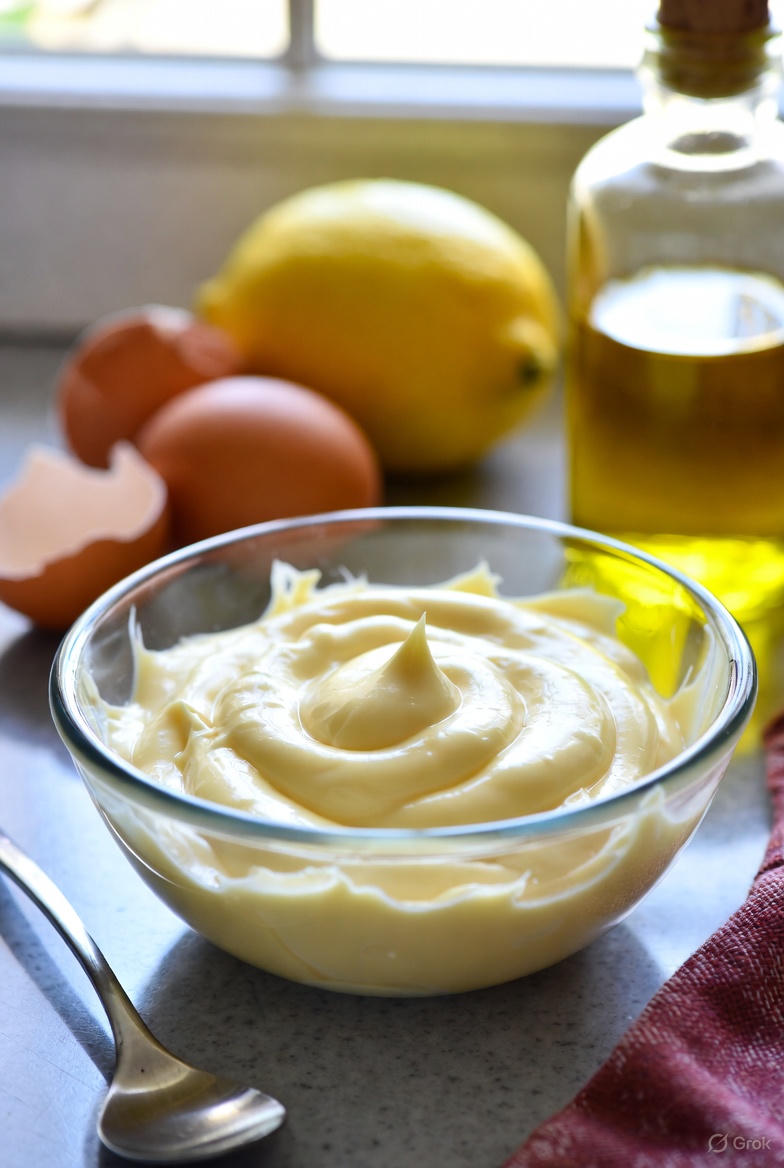
- The mayo will change from a thin liquid to a glossy, thick cream.
- It should hold its shape on a spoon and not separate.
- If it looks runny or breaks, see troubleshooting tips below.
Tips for Perfect Emulsion Every Time
- Use room-temperature ingredients; cold eggs or oil can cause breaking.
- Add oil slowly and steadily to allow proper emulsification.
- Don’t rush blending—allow the mixture to thicken gradually.
- If it breaks or separates, fix it by blending an extra egg yolk separately, then slowly adding the broken mayo back in.
This quick homemade mayonnaise recipe yields a smooth, rich mayo perfect for all your kitchen needs. For a quick snack, try pairing it with some homemade garlic toast for a flavorful boost.
Troubleshooting Common Issues with Homemade Mayonnaise
Even with a foolproof homemade mayo recipe, sometimes your mayonnaise might break, separate, or turn out the wrong consistency. Here’s how to fix common problems and keep your fresh egg mayonnaise perfect every time.
If Your Mayonnaise Breaks or Separates:
This usually happens when the oil is added too fast or the emulsification fails. To fix it, start with a fresh egg yolk in a clean bowl, then slowly whisk or blend in the broken mayo a little at a time. The new yolk will help rebind the emulsion and bring your mayo back together.
Mayonnaise Too Thin:
Mayonnaise that’s too thin can result from adding oil too quickly, not enough blending, or cold ingredients. Try these fixes:
- Blend for a longer time with gradual oil addition.
- Add more oil slowly to thicken the emulsion.
- Ensure eggs and oil are at room temperature before starting.
Mayonnaise Too Thick:
If your mayo is thicker than you want, thin it out by whisking in a teaspoon of water or a bit of lemon juice. This also brightens the flavor while loosening the texture.
Preventing Failure:
- Always add oil slowly, especially at the start.
- Use fresh eggs and oils at room temperature.
- Use an immersion blender or whisk consistently without rushing.
This way, your easy immersion blender mayo or traditional hand-whisked mayo will come out smooth, creamy, and stable. For more foolproof homemade mayo tips and troubleshooting advice, keep these simple rules in mind to avoid common pitfalls.
Food Safety Tips for Raw Eggs
When making simple homemade mayonnaise from fresh eggs, food safety is a key concern. Raw eggs can carry the risk of salmonella, which can cause food poisoning. Because of this, vulnerable groups like young children, pregnant women, older adults, and people with weakened immune systems should avoid consuming raw egg mayonnaise.
To minimize risks, always use fresh, high-quality eggs from trusted sources, such as farm fresh eggs or reputable suppliers. Another safer option is using pasteurized eggs, which have been heat-treated to kill bacteria but still work perfectly as an emulsifier in your homemade mayonnaise recipe.
If you want a completely safe alternative, try a cooked-egg mayonnaise variation, where the eggs are gently cooked first before being emulsified. This reduces the food safety risk while still delivering a rich, creamy texture.
Storage and Shelf Life of Fresh Egg Mayonnaise
Once you’ve made your simple homemade mayonnaise from fresh eggs, proper storage is key to keeping it fresh and safe. Always store your mayo in a clean, airtight jar or container to prevent contamination and fridge odors from altering the flavor. Keep it refrigerated at all times.
With fresh egg mayonnaise, the shelf life is typically up to 1 to 2 weeks when stored correctly. Because it contains raw eggs, it’s best to use it sooner rather than later to enjoy the best taste and reduce any food safety risks.
Watch for these signs your mayo has gone bad:
- Off or sour smell
- Change in texture (grainy or separated)
- Discoloration or mold spots
If you notice any of these, discard the mayonnaise immediately. For quick homemade mayonnaise recipes, following proper storage and handling ensures you get the most out of your batch.
For detailed tips on keeping your homemade condiments fresh, check out this guide on one-pan baked dumplings, which includes storage advice applicable to homemade sauces and dressings.
Flavor Variations and Customizations for Homemade Mayonnaise
Making simple homemade mayonnaise from fresh eggs gives you a blank canvas to play with flavors. Here are some easy ways to customize your mayo and keep things interesting:
- Garlic Aioli: Add a couple of crushed garlic cloves or garlic powder for a rich, savory aioli. Perfect for dipping or spreading on burgers.
- Herb-Infused Mayo: Stir in fresh herbs like basil, dill, or parsley. Herbs brighten the flavor and add a fresh twist for sandwiches or salads.
- Spicy Kick: Mix in Sriracha, chipotle, or hot sauce to bring heat and depth. Great for wraps and as a dip.
- Healthier Twists: Use avocado oil mayonnaise for a smooth, buttery texture with heart-healthy fats. You can also mix in a little Greek yogurt for lightness.
These flavor variations make your quick homemade mayonnaise more versatile and suited to your taste. Experiment with different oils, acids like lemon juice or vinegar, and seasonings to find your perfect blend.
Ways to Use Your Homemade Mayonnaise
Homemade mayonnaise from fresh eggs is a versatile kitchen staple that lifts everyday meals. Here’s how I like to use it:
- Sandwiches, Burgers, and Wraps: Spread a generous layer of fresh egg mayonnaise on your bread or buns for creamy richness that beats store-bought mayo any day.
- Dips and Sauces: Whip it into dips like garlic aioli or ranch by adding herbs and spices. It’s perfect for veggies, fries, or chicken.
- Salads: Mix your homemade mayo into potato salad, coleslaw, or tuna salad for a fresh, creamy texture without additives.
- Dressings and Deviled Eggs: Thin your mayonnaise with a bit of lemon juice or vinegar to create quick salad dressings. It also makes deviled eggs extra smooth and flavorful.
Using simple homemade mayonnaise adds that fresh, clean taste and a creamy texture that really enhances these dishes. Plus, it’s a cost-effective way to enjoy farm fresh egg mayo every day.
Frequently Asked Questions about Homemade Mayonnaise
Can I use only egg yolks?
Yes, you can make fresh egg mayonnaise using just egg yolks. It creates a richer, creamier texture compared to whole egg mayonnaise, but it may require a bit more attention to emulsify properly. Using yolks also means a thicker mayo, so it’s great if you want a luxurious consistency.
What’s the best oil for mild flavor?
For a smooth, mild taste, go with neutral oils like avocado oil, light olive oil, or vegetable oil. These oils won’t overpower your homemade mayonnaise recipe. Avoid strong extra-virgin olive oil as it can make the flavor bitter and heavy.
How do I make homemade mayonnaise vegan or egg-free?
To make a vegan or egg-free mayo, replace the fresh eggs with aquafaba (the liquid from canned chickpeas) or silken tofu as the emulsifier. These alternatives work well to create a creamy texture without using raw eggs and are perfect for those avoiding animal products.
Can I scale the recipe up or down?
Absolutely. This simple homemade mayonnaise recipe is flexible. Just keep the oil-to-egg ratio consistent—about 1 cup of oil per egg or yolk—and adjust your blender or whisking time accordingly. For larger batches, an immersion blender or food processor works best, while small batches can be done by hand.
With these tips, making fresh egg mayonnaise at home becomes even easier and tailored to your needs.