Author: Natalie Obeirnes

  • Hushpuppies

    Hushpuppies

    I love any kind of fried bread so this homemade hushpuppies recipe is high on my list. If you aren’t familiar, hushpuppies are small, fried savory bread ball. The batter usually contains cornmeal. Think of it like a savory donut hole or maybe a small fried biscuit. This recipe is classic and simple—anyone can make this hushpuppy recipe.

    I associate hushpuppies with Long John Silver’s. Lol. So I typically think of hushpuppies as a bread side dish served with seafood. It’s also typically more popular in the south and some believe they originate from nuns in New Orleans. They are delicious and best served with a little butter and lemon juice IMO.

    Ingredients

    • Cornmeal
    • All purpose flour
    • Salt
    • Baking powder
    • Baking soda
    • Granulated white sugar
    • Onion powder
    • Garlic powder
    • Egg
    • Buttermilk
    • Water

    You will also need oil to fry the hushpuppy batter in, I typically use canola or vegetable oil for deep frying.

    How to make Hushpuppies

    In a medium to large mixing bowl stir together the dry ingredients: cornmeal, flour, salt, baking powder, baking soda, onion powder, garlic powder and sugar. Next stir in the egg, buttermilk and water.

    In a large pot or dutch oven heat the oil to around 365°F. Use a cookie dough scoop to drop the batter into the hot oil. Fry for 2-3 minutes, taking care to make sure all side get fried in the hot oil.

    Remove to a plate lined with paper towels. I use kitchen tongs for this. Continue to cook the batter until you have fried all the hushpuppies.

    Tips and Notes

    • You can add other ingredients like spices or chopped fresh herbs to flavor these classic hushpuppies. Things like: green onion, cilantro, parsley, or spices like cumin, cayenne or ginger
    • If you don’t have a cookie dough scoop you can simply use a spoon.
    • Hushpuppies are best served warmed, just after they have been fried. You can rewarm them in the microwave or oven if needed. But, like a lot of fried foods it’s best the day it’s made.
    • You can make the batter ahead of time and store in an airtight container in the refrigerator until you are ready to use it.
  • Berry-Infused Vodka Smash Cocktail Recipe for Easy Refreshing Summer Drinks

    Berry-Infused Vodka Smash Cocktail Recipe for Easy Refreshing Summer Drinks

    What Is a Smash Cocktail?

    A smash cocktail is a timeless classic dating back to the 19th century, originally crafted as a refreshing way to enjoy a spirit mixed with fresh fruit, herbs, and plenty of ice. Think of it as a casual yet elegant drink where muddled ingredients come together to create a burst of flavor and cool refreshment. Traditionally, smashes feature crushed ice and a perfect balance of sweet, tart, and herbal notes, making them ideal for warm weather or anytime you want a lively, fresh cocktail.

    What makes the berry vodka smash stand out in this delicious category is its use of mixed fresh berries—raspberries, blackberries, strawberries, and blueberries—that add bold, natural fruitiness. Combined with smooth vodka, fragrant herbs like mint, and a touch of citrus, this berry vodka smash recipe delivers a vibrant muddled berry cocktail experience that’s both simple and stunning. It’s a fresh berry smash that elevates summer vodka drinks with its juicy, colorful appeal and perfectly balanced flavors.

    Ingredients for Berry-Infused Vodka Smash

    To make a refreshing berry vodka smash recipe for one serving, start with about 1/2 cup of fresh mixed berries—think raspberries, blackberries, strawberries, and blueberries—for a bold, natural flavor. Use 2 ounces of good-quality vodka; a clean, smooth vodka lets the fruit shine without overpowering the cocktail. Fresh citrus juice is key—choose either 3/4 ounce of lemon or lime juice for that perfect tart balance.

    For sweetness, 1/2 ounce of simple syrup works great, but you can swap in honey syrup or maple syrup if you want a richer twist. If you’re vegan or prefer plant-based options, agave syrup is an excellent substitute. Fresh herbs bring aroma and depth to your mixed berry vodka cocktail—classic mint leaves are popular, but rosemary adds a subtle, earthy note if you want to switch things up.

    Optional add-ins include a splash of club soda for fizz or a teaspoon of berry jam to amplify the fruit intensity. This ingredient mix gives you a well-rounded fresh berry smash that’s scalable and fits a variety of tastes.

    For more about making your own syrups at home, check out these easy recipes for vanilla syrup, which can add a unique touch alongside traditional sweeteners.

    Tools and Equipment Needed

    To make your berry-infused vodka smash cocktail just right, you’ll want a few essential tools. A muddler is key for gently crushing fresh berries and herbs to release their natural flavors without turning bitter. If you don’t have a muddler, a wooden spoon works well as a handy substitute. Next, a cocktail shaker helps mix and chill the ingredients evenly, while a strainer ensures your drink is smooth, free from berry seeds or herb bits.

    For home setups, a mason jar can double as a shaker if you don’t have specialized gear. When it comes to glassware, a rocks glass or a highball glass is perfect for this cocktail, as they fit plenty of crushed ice and look great when garnished.

    Speaking of ice, crushed ice isn’t just about chill—it adds refreshing texture that balances the muddled berry cocktail perfectly. It melts slower than cubes, keeping your mixed berry vodka cocktail cold without watering it down too fast. This little detail makes all the difference in the final sip.

    Step-by-Step Instructions for Berry-Infused Vodka Smash

    Start by washing your fresh mixed berries thoroughly to remove any dirt or residue. While the berries dry, prepare your simple syrup by dissolving equal parts sugar and water over low heat, then let it cool. This syrup adds just the right touch of sweetness without overpowering the natural berry flavors.

    Next, add the berries and fresh herbs—mint or rosemary—to your shaker or mixing glass. Use a muddler to gently press and crush the berries and herbs, releasing their juices and aromatic oils. Be careful not to over-muddle, as this can bring out unwanted bitterness, especially from the herbs.

    Once muddled, add your vodka, fresh lemon or lime juice, and simple syrup. Fill the shaker with ice and give it a firm shake for about 15 seconds. This chills the drink and helps blend the sweet, tart, and herbal notes perfectly.

    Strain the mix over a glass filled with crushed ice—this keeps your berry vodka smash refreshingly cold and adds texture. For an extra fizz, you can top it off with a splash of club soda.

    Pro Tips:

    • Use crushed ice instead of cubes for faster chilling and better dilution control.
    • Shake just enough to mix without bruising the delicate berries.
    • Adjust sweetness and citrus based on your taste to keep the balance bright and refreshing.

    This technique delivers a smooth, vibrant frappé-style drink that’s perfect for enjoying a fresh berry smash with every sip. For more creative cocktail ideas, check out our guide on creating a memorable Amaretto Sour.

    Garnishes and Presentation

    A great garnish elevates your berry-infused vodka smash cocktail, making it as pleasing to the eye as it is to the palate. Here are some creative ideas to brighten up your drink:

    • Fresh berry skewers: Thread raspberries, blackberries, and blueberries onto a small cocktail pick for a colorful, edible garnish that echoes the muddled berry flavors inside.
    • Mint sprigs: Classic and refreshing, a vibrant mint sprig adds aroma and a pop of green that contrasts beautifully with the rich berry tones.
    • Citrus wheels or twists: Thin lemon or lime wheels perched on the glass rim highlight the cocktail’s citrus notes and add visual appeal.

    To make your berry vodka smash Instagram-worthy at parties, focus on layering colors and textures. Use crushed ice generously for a frosty look, and consider using a clear rocks glass or highball to showcase the drink’s deep, natural berry hues. A few extra whole berries dropped on top add a rustic charm that guests will love.

    For added flair, you can drizzle a little berry jam or a light spritz of club soda right before serving to enhance both appearance and aromatics. These little details turn an already refreshing berry cocktail into a standout crowd-pleaser.

    Variations and Customizations

    The berry-infused vodka smash is incredibly versatile, making it easy to customize to your taste or occasion. You can create single-berry focused versions—like a blackberry smash or a blueberry smash—to highlight specific flavors. Each berry offers a unique profile that changes the drink’s character in a refreshing way.

    If you want to switch up the spirit, bourbon adds warmth and depth, rum brings a tropical twist, gin gives herbal complexity, and tequila offers a bright, earthy vibe. These smash cocktail variations keep the basic muddled fruit and crushed ice method but give you endless options to explore flavor.

    For a lighter, alcohol-free choice, swap the vodka for sparkling water or berry juice for a non-alcoholic mixed berry smash packed with vibrant taste but zero booze. Adding seasonal herbs like fresh basil or swapping berries for peaches during summer introduces exciting new layers of aroma and flavor.

    If prepping for a party, batch your berry vodka smash recipe in advance by muddling berries and herbs in a large pitcher, adding spirit and citrus, then chilling. Serve over crushed ice with fresh garnishes for effortless crowd-pleasing.

    For more tips on simple syrup preparation and flavor infusion, check out this homemade vanilla extract guide using whole beans to add a subtle sweet twist to your syrups for the perfect balance.

    With these tweaks and customizations, your fresh berry smash can suit any palate or event without losing its signature refreshing berry flavor.

    Serving Suggestions and Pairings

    The Berry-Infused Vodka Smash is perfect for summer barbecues, relaxed brunches, or poolside gatherings when you want something bright and refreshing. Its fresh berry smash flavor complements warm-weather vibes and keeps things light and lively.

    For food pairings, try serving this muddled berry cocktail alongside light appetizers like goat cheese crostini, grilled seafood such as shrimp skewers or salmon, fresh green salads with vinaigrette, or fruity desserts like berry tarts or sorbets. The sweet and tart notes of the mixed berry vodka cocktail balance beautifully with these dishes, enhancing the overall flavor experience.

    If you want to prep ahead, you can make a batch of simple syrup or berry-infused vodka in advance. Store your ingredients separately in the fridge and combine just before serving to keep the crushed ice fresh and the drink perfectly chilled. Don’t forget: crushing the ice right before pouring is key to maintaining the ideal texture and chill.

    For more easy summer cocktails and make-ahead ideas, check out this step-by-step guide to homemade drinks.

    Common Mistakes to Avoid and Troubleshooting

    When making your berry-infused vodka smash, steering clear of a few pitfalls can make all the difference. First, avoid over-muddling herbs like mint or rosemary. Crushing them too much releases bitter oils that overpower the fresh berry flavors and spoil the balance of your muddled berry cocktail.

    Next, getting the right balance between sweetness and tartness is key. Use fresh citrus juice—lemon or lime—and adjust your sweetener (simple syrup, honey syrup, or alternatives) carefully. Start with less, taste, and add more if needed to keep the refreshing berry cocktail perfectly bright and not overly sugary.

    Finally, crushed ice consistency matters a lot. Too big chunks won’t chill and dilute properly, while too fine ice melts too fast, watering down the fresh berry smash. Aim for soft, crunchy crushed ice to keep your cocktail cold and maintain that ideal texture throughout your drink.

    By mastering these small details, your berry vodka smash recipe will deliver the bold, balanced flavors you want every time.

    Nutritional Information and Responsible Enjoyment

    A Berry-Infused Vodka Smash cocktail offers a refreshing blend of natural ingredients that bring both flavor and some nutritional perks. Fresh mixed berries like raspberries, blackberries, strawberries, and blueberries are rich in antioxidants, vitamins, and fiber, adding a subtle health boost to your drink. One serving typically contains around 150-200 calories, depending on the amount of sweetener and vodka used. Opting for natural sweeteners like honey or agave syrup can slightly improve the nutritional profile compared to refined sugars.

    Remember, while the berry vodka smash recipe highlights fresh, wholesome ingredients, it’s still an alcoholic cocktail, so drinking responsibly is key. Enjoy this refreshing berry cocktail in moderation, and balance your intake with plenty of water. Mindful consumption ensures you get to savor the vibrant flavors without overdoing it.

    For a lighter twist, consider making a non-alcoholic berry muddled vodka version or cut back on sweeteners to keep the calorie count low. This way, you can enjoy the best of fruity vodka recipes without sacrificing your health goals.

  • Pairing Cocktails with Global Cuisines Expert Tips and Recipes

    Pairing Cocktails with Global Cuisines Expert Tips and Recipes

    Essential Principles of Cocktail and Food Pairing

    Ever wondered why some drinks just click perfectly with certain dishes? When pairing cocktails with global cuisines, it’s all about balancing flavors and textures to elevate both the food and the drink. The key is finding harmony between acidity, sweetness, bitterness, and umami — the core taste pillars that shape how we experience flavors together.

    • Balance acidity and sweetness: A cocktail with bright acidity can cut through rich, fatty foods, while a touch of sweetness can soften spicy or bitter notes on your plate.
    • Consider bitterness and umami: Bitterness in a drink, like in a Negroni, can complement earthy or savory dishes. Meanwhile, umami-rich foods benefit from cocktails that enhance their depth without overpowering.
    • Match textures and weights: Pair light, refreshing cocktails such as a gin & tonic with delicate dishes like sushi or salads. For hearty meals like barbecue or stew, bold cocktails with smoky or robust spirits work best.
    • Mind the base spirits and ingredients: The backbone of your drink—whether it’s rum, gin, tequila, or whiskey—plays a crucial role in makeup synergy. For instance, mezcal’s smokiness pairs brilliantly with spicy Latin flavors, while citrusy vodka cocktails brighten Asian stir-fries.

    Quick Tips for Beginners

    • Avoid overly sweet cocktails with already rich foods to prevent flavor overload.
    • Don’t pair heavy, spiced dishes with light, subtle drinks—your food might overpower the cocktail.
    • Experiment within boundaries: try to either match flavor profiles (herbs with herbs) or contrast intelligently (spicy heat with cooling citrus).
    • Remember, a successful cocktail food pairing enhances the dining experience—it’s not just about matching tastes but creating a memorable balance.

    By mastering these principles, anyone can confidently choose the best cocktails for spicy dishes, or find perfect spirit pairings for world foods—making your next meal a journey of delightful, balanced flavors.

    Pairing Cocktails with European Cuisines

    When it comes to cocktail food pairings with European cuisines, classic and versatile drinks often shine by complementing rich regional flavors.

    Italian: The bittersweet Negroni is a perfect match for hearty Italian dishes like pasta, pizza, antipasti, and cured meats. Its balanced bitterness cuts through the richness, refreshing your palate. Alternatively, a bright and fizzy Aperol Spritz pairs well with light appetizers and seafood, making it a go-to for casual Italian dining. If you want a refreshing twist, check out this fizzy Aperol Spritz alternative for a new spin on pairing with Italian cuisine.

    French: French cuisine, known for its creamy sauces and elegant poultry or seafood dishes, pairs beautifully with classic cocktails like the Sidecar or French 75. The citrus and sparkling elements in French 75 lift the flavors without overwhelming delicate dishes. An elegant French 75 with sparkling top works wonders here.

    Spanish/Portuguese: Sangria, with its fruity and aromatic profile, complements the vibrant and varied tapas, paella, and grilled seafood found in Spain and Portugal. For a lighter option, Porto Tonico – a mix of port and tonic – brings a refreshing touch that balances smoky and spicy grilled flavors. Explore a fruity white sangria with sea notes for a perfect drink pairing international dishes from this region.

    Mediterranean (Greek/Middle Eastern): Herbal gin cocktails are ideal for pairing with fresh and fragrant Mediterranean dishes. Think mezze platters, grilled lamb, and dishes rich with fresh herbs like mint, parsley, and oregano. The botanicals in gin enhance these herbal and savory flavors beautifully, highlighting the cuisine’s vibrant character.

    By matching or contrasting these classic cocktails with European dishes, you can highlight the best of both the drink and the food. This approach makes cocktail and food matching an exciting way to explore European flavors globally.

    Pairing Cocktails with Latin American and Mexican Cuisines

    Latin American and Mexican cuisines are bold, vibrant, and packed with flavors that demand equally dynamic cocktail pairings. For Mexican dishes like tacos, mole, ceviche, and spicy grilled meats, classic cocktails such as the Margarita, Paloma, or mezcal-based drinks work beautifully. The Margarita’s citrusy zing cuts through rich sauces and spicy heat, while a smoky mezcal cocktail adds depth and complements grilled flavors. For a smoky mezcal twist, you might explore a smoky mezcal Paloma variation, which balances bitterness and acidity perfectly with Mexican spices.

    In Brazil, the Caipirinha is the go-to cocktail, pairing effortlessly with hearty dishes like feijoada—a rich black bean stew—and smoky churrasco barbecue. The tart lime and sugar in the Caipirinha brighten up the fatty meats, refreshing the palate between bites.

    Beyond these, general Latin flavors call for rum-based cocktails featuring tropical fruits and bold spices. These drinks echo the warm, sunny climates and vibrant ingredients of the region. Think rum punches or spiced rum concoctions that pair perfectly with dishes bursting with colorful, zesty components.

    These cocktails not only complement but enhance Latin American and Mexican food pairings, making every bite more exciting and every sip more memorable.

    Pairing Cocktails with Asian Cuisines

    Asian cuisines bring bold, complex flavors that can shine alongside the right cocktails. When matching drinks with Asian dishes, it’s important to consider the balance of spices, sweetness, and acidity.

    Japanese: Classic options like a Sake Martini or a Highball work beautifully with sushi, yakitori, and delicate seafood. These cocktails highlight subtle flavors without overpowering the dish, making them top picks for pairing cocktails with Japanese food.

    Thai/Southeast Asian: Refreshing mojito variations featuring Thai basil or lemongrass provide a great contrast to spicy curries, pad Thai, and fresh salads. The herbal notes lift the dish’s vibrancy while cooling the palate.

    Indian: Gin & Tonic or mango-infused cocktails complement the rich spices of curries, tandoori dishes, and street food favorites. The bitterness and fruitiness cut through intense flavors for a well-rounded pairing experience.

    Chinese: Light, citrusy vodka cocktails match well with dim sum and stir-fries. Their clean, crisp profile balances savory and umami elements common in Chinese cuisine.

    For a creative touch, explore infusions like citrus or herbal-smash variations to enhance your global cuisine drink suggestions. Readers may also enjoy trying a citrus basil cocktail for Southeast Asian-inspired pairings, described in this detailed citrus basil smash for evenings.

    With these spirit pairings for Asian dishes, you can elevate your dining experience and discover new flavor combinations that work across multiple traditions.

    Pairing Cocktails with Other Global Cuisines

    When exploring cocktail food pairings beyond the usual regions, some global cuisines offer bold and exciting options to match with drinks.

    Moroccan and North African flavors, rich in spices and slow-cooked tagines, pair beautifully with a pomegranate martini. The fruity tartness of the cocktail cuts through the spices and complements the savory notes of lamb or spiced meats, balancing umami and acidity perfectly.

    For American barbecue, the smoky, caramelized flavors of grilled steaks, ribs, and brisket call for a cocktail with depth and warmth. An Old Fashioned or other smoky whiskey cocktails are ideal because they echo the char and smoky sweetness, enhancing the overall dining experience. For a great guide on mastering a classic whiskey cocktail, you can check out how to make an Old Fashioned cocktail with expert tips.

    In the Caribbean, cocktails like the Mai Tai or a rum punch work wonderfully with jerk chicken and other tropical dishes. The bright, citrusy rum-based drinks complement spicy, bold flavors and bring out the tropical fruit tones often found in Caribbean cooking. Rum drinks here are a natural fit, reinforcing the regional vibe and accentuating the fresh and spicy ingredients.

    By understanding these spirit pairings with world foods, you can elevate both your cocktails and meals for a well-rounded global dining experience.

    Advanced Tips and Creative Twists in Cocktail Food Pairings

    Taking your cocktail food pairings to the next level means embracing creativity and flexibility. Here are some advanced tips to sharpen your skills:

    • Incorporate Non-Alcoholic Options and Mocktails

      Including mocktails or zero-proof drinks ensures everyone can enjoy a perfectly matched beverage. Think herbal or citrus-forward mocktails that mimic the flavors of traditional cocktails, maintaining balance with your dishes.

    • Seasonal and Ingredient-Driven Pairings

      Let the seasons guide your choices. Use fresh, local ingredients in both your cocktails and meals to highlight complementary flavors. For example, a summer cucumber gin tonic pairs beautifully with light seafood dishes, while spiced autumn cocktails work wonders with heartier, cozy fare.

    • Host a Global-Themed Cocktail Dinner Party

      Bring world cuisines and their perfect drink pairings together for an immersive experience. Arrange drinks and dishes from different regions—like a Negroni with Italian antipasti followed by a mango-infused gin & tonic paired with Indian street food—to showcase diverse global cuisine drink suggestions.

    • Experiment with Infusions and Modern Trends

      Infuse spirits with herbs, spices, or fruits to add unique layers that enhance your pairings. Modern twists like smoked cocktails or using unusual bases (think mezcal or sake) can create unexpected matches that surprise and delight. For an excellent example of mezcal in Latin flavors, check out classic recipes like the Tequila Sunrise to inspire your infusions.

    Using these creative approaches opens up endless possibilities, making your cocktail food pairings fresh, exciting, and perfectly matched to global palates.

  • Sustainable Practices in Beverage Making Guide for Eco-Friendly Production

    Sustainable Practices in Beverage Making Guide for Eco-Friendly Production

    Why Sustainability Matters in Beverage Making

    Sustainability in beverage making is no longer optional—it’s essential. The industry faces significant environmental challenges, including excessive water use, high energy consumption, waste generation, and reliance on non-renewable resources. These issues contribute to pollution, resource depletion, and climate change, making sustainable practices critical for a healthier planet.

    From a business perspective, adopting eco-friendly beverage production offers clear benefits. Companies that prioritize sustainability often see reduced operating costs through energy efficiency and waste reduction. They also enhance brand reputation and loyalty, attracting consumers who demand transparency and responsibility in the products they choose.

    Consumer trends strongly favor sustainable choices. Today’s buyers actively seek out beverages made with sustainable sourcing ingredients, such as organic, local, or ethically sourced components. They prefer products packaged in low-impact packaging beverages and support brands committed to carbon footprint reduction. This shift drives innovation, encouraging more businesses in the beverage sector to integrate green practices into every stage of production.

    By addressing these environmental challenges, leveraging business advantages, and responding to consumer demand, sustainability becomes a win-win—protecting natural resources while fostering growth in the global beverage market.

    Sustainable Ingredient Sourcing

    Choosing sustainable sourcing ingredients is a big step toward eco-friendly beverage production. Using local, seasonal, and organic ingredients not only reduces transportation emissions but also supports local farmers and boosts freshness. Ethical and fair-trade partnerships ensure fair wages and safe working conditions, which helps build a more responsible supply chain. Regenerative agriculture practices go a step further by improving soil health and biodiversity, making farming more sustainable in the long run. Plus, by using by-products creatively—like repurposing fruit peels or spent grains—you can cut waste and add unique flavors. These approaches not only minimize environmental impact but also appeal to consumers who care about where their drinks come from. For those crafting unique drinks, sources like the sweet-and-sour mix often celebrate seasonal ingredients, underscoring how important sustainable sourcing can be.

    Water Stewardship and Conservation Strategies

    Water is essential in beverage making, but it’s also a limited resource. Prioritizing water conservation in the beverage industry helps reduce environmental impact and ensures long-term business sustainability. Many producers are adopting recycling systems to treat and reuse water within their facilities, significantly cutting down freshwater usage.

    Rainwater harvesting is another smart approach, capturing natural rainfall to supplement water needs. This method reduces dependence on municipal supplies and lowers costs. Closed-loop processes take water efficiency further by recycling water repeatedly during production, minimizing waste and contamination.

    For example, some breweries and juice makers have integrated these strategies to create almost zero waste water footprints. They recycle process water for cleaning or ingredient preparation, demonstrating practical benefits of strong water stewardship. This focus not only supports eco-friendly beverage production but also appeals to consumers who expect responsible resource management.

    For refreshment ideas that align with sustainable water use, try recipes like the refreshing watermelon mint cooler, which use hydrating, seasonal ingredients in simple, low-impact ways.

    Energy Efficiency and Renewable Sources

    Switching to renewable energy sources like solar, wind, and biomass is a smart move for any beverage maker committed to sustainable practices. These clean energy options significantly cut down reliance on fossil fuels, reducing the overall carbon footprint of beverage manufacturing. Beyond just switching energy sources, upgrading equipment to more energy-efficient models and implementing smart monitoring systems help optimize energy use and spot waste quickly.

    Many businesses conduct regular carbon footprint audits to understand their energy impact better and invest in carbon offsets when needed. These efforts not only reduce emissions but can also lead to cost savings in the long run, making production both greener and leaner.

    Embracing renewable energy and energy-efficient production isn’t just good for the planet—it’s fast becoming a must-have for consumers searching for eco-friendly beverage production. This shift positions brands ahead in a marketplace that values transparency and responsibility.

    Eco-Friendly Production Processes

    Adopting eco-friendly beverage production processes is key to reducing environmental impact and promoting sustainability. Focusing on waste minimization and repurposing helps cut down the amount of material sent to landfills while turning by-products into valuable resources like animal feed or natural fertilizers. Clean technologies, such as advanced filtration and energy-saving equipment, reduce energy use and emissions during production. Additionally, cutting back on harmful chemicals and emissions promotes a safer workplace and lowers pollution risks. Embracing these practices not only benefits the planet but also builds trust with consumers who prioritize sustainable sourcing ingredients and low-impact packaging beverages. This approach complements broader goals like water conservation in beverage industry operations and renewable energy beverage manufacturing, creating a truly green beverage technology cycle.

    Sustainable Packaging Innovations

    Sustainable packaging is a big step toward eco-friendly beverage production. Using biodegradable and recycled materials helps reduce waste and lowers the impact on landfills. Many brands now opt for lightweight packaging designs that require fewer materials, making transport more efficient and cutting carbon emissions. Returnable packaging systems also encourage customers to reuse containers, closing the loop on waste.

    Transparency in labeling is just as important. Clear information about materials, recyclability, and certifications builds trust with consumers who value sustainability. Certifications like FSC, compostable claims, and fair-trade labels reassure buyers that your product meets eco-friendly standards.

    By embracing sustainable packaging solutions, beverage makers can meet growing consumer demand for greener products without sacrificing quality or convenience. This shift supports the larger circular economy drinks movement, reducing environmental impact at every turn. For inspiration on innovative beverage ideas aligned with sustainability, you might want to explore unique recipes like this homemade bloody mary, which can incorporate eco-friendly packaging concepts.

    End-of-Life and Circular Economy Approaches

    Designing products and packaging with recyclability in mind is key to creating a truly sustainable beverage industry. Using materials that are easy to recycle helps reduce landfill waste and keeps valuable resources in use longer. Deposit-return schemes encourage consumers to return empty bottles and cans, boosting recycling rates and closing the loop on packaging waste.

    Upcycling waste from beverage production—like using fruit peels for flavor extracts or brewing by-products as animal feed—turns what would be trash into valuable resources. This not only cuts waste but also supports a zero-waste beverage process.

    Collaboration across the industry is crucial. When producers, suppliers, and waste management companies work together, they create stronger circular economy systems that benefit everyone. These partnerships help scale sustainable sourcing ingredients and low-impact packaging beverage solutions effectively.

    Adopting these circular economy drinks strategies drives continuous improvement in eco-friendly beverage production, making it easier for businesses to meet consumer demand for transparency and responsibility.

    Real-World Examples and Case Studies

    Many leading brands and small producers are proving that sustainable practices in beverage making are both achievable and profitable. For example, some craft breweries have embraced waste reduction brewing by repurposing spent grain as animal feed or baking ingredients, cutting down landfill waste significantly. Large beverage companies have invested heavily in renewable energy beverage manufacturing, switching to solar and wind power to reduce their carbon footprint. These steps not only improve environmental impact but also boost brand reputation and customer loyalty.

    Success stories often highlight how combining eco-friendly beverage production with transparent marketing resonates with consumers demanding accountability. A few producers have implemented closed-loop water systems, showcasing water conservation in beverage industry as a core strength. The use of sustainable sourcing ingredients, including local and organic products, has enhanced flavor profiles while supporting ethical supply chains.

    From these case studies, the key lessons are clear:

    • Start with small, manageable changes like switching to low-impact packaging beverages or improving water use.
    • Leverage certifications and clear labels that communicate your sustainable values.
    • Collaborate across the industry to share innovations and scale circular economy drinks practices.

    These examples inspire anyone looking to get involved with sustainable beverage making to take actionable steps and see real benefits. You can explore how innovative cocktail recipes, like the sustainable twist on a classic espresso martini, also reflect these responsible trends in drink crafting.

    For inspiration, check out our take on an espresso martini that emphasizes quality ingredients and mindful preparation.

    Getting Started: Practical Steps for Implementation

    Starting with sustainable practices in beverage making doesn’t have to be overwhelming. Here’s how you can begin:

    • Conduct an impact assessment: Identify key areas where your production affects the environment, such as water use, energy consumption, and waste. This snapshot helps prioritize the most urgent changes.
    • Prioritize changes strategically: Focus first on actions that offer the biggest environmental benefits with manageable costs—like switching to sustainable sourcing ingredients or improving water conservation in beverage industry operations.
    • Use certifications and tracking tools: Eco-labels and certifications boost your credibility, while carbon footprint reduction beverages calculators and sustainability software help monitor progress. These tools guide your journey towards energy efficient production and waste reduction brewing.

    By breaking down the process, you make eco-friendly beverage production achievable. For example, many successful producers start small, gradually incorporating sustainable packaging solutions and ethical sourcing drinks before scaling up.

    If you want inspiration on creative recipes using sustainable methods, check out our salted caramel syrup or white hot chocolate — both showcasing simple, sustainable ingredient sourcing.

  • Master Classic Cocktails at Home with Essential Tools and Recipes

    Master Classic Cocktails at Home with Essential Tools and Recipes

    Setting Up Your Home Bar

    Creating your perfect home bar starts with the right essentials. Whether you’re a beginner or looking to sharpen your home bartending essentials, having the right tools is the foundation for crafting classic cocktail recipes with ease and style.

    Essential Tools You Need

    • Shaker: A Boston shaker or a cobbler shaker is your best bet for mixing and chilling drinks.
    • Jigger: Accurate measurements make or break a cocktail. Get a double-sided jigger for easy pouring.
    • Strainer: Hawthorne strainers work well for shaken cocktails; a fine mesh strainer is great for extra smooth pours.
    • Bar Spoon: Perfect for stirring and layering drinks; a twisted handle helps with control.
    • Muddler: Essential for releasing fresh flavors from herbs and fruits. If you’re starting out, a clean wooden spoon can suffice as an alternative.

    Must-Have Glassware

    • Rocks Glasses: Ideal for Old Fashioneds and any spirit-forward stirred classics.
    • Coupes: Elegantly serve Martinis and other shaken-up cocktails.
    • Highballs: Great for refreshing, tall drinks like Gin & Tonics or Whiskey Sours.
    • Nick & Nora Glasses: Compact and stylish, perfect for Manhattans and neater serves.

    Building Your Starter Spirit Collection

    Once your bar tools and glassware are sorted, stock the spirit shelf with essentials that unlock a world of classic cocktail recipes:

    • Gin: The backbone for Martinis and Negronis.
    • Vodka: Clean and versatile for Martinis and Moscow Mules.
    • Whiskey: Choose bourbon for sweeter notes and rye for a spicier kick; both shine in Old Fashioneds and Manhattans.
    • Rum: White rum for light cocktails like Daiquiris, darker varieties for richer drinks.
    • Tequila: Blanco or reposado make Margaritas stand out.
    • Brandy: A must for elegant sippers like Sidecars.

    Key Modifiers and Basics

    Don’t overlook the magic that happens with these modifiers and mixers:

    • Vermouth: Sweet and dry varieties are essential for Manhattans and Martinis.
    • Bitters: Aromatic bitters like Angostura add complexity and depth.
    • Simple Syrup: Homemade or store-bought, it balances sour and bitter notes effortlessly.
    • Liqueurs: Cointreau and Campari are indispensable for Margaritas and Negronis.
    • Fresh Citrus: Lemons and limes deliver that bright, zesty lift critical to nearly every classic cocktail.

    With these essentials, you’re well on your way to mastering mixology techniques at home and enjoying perfectly crafted drinks every time. Ready to shake things up?

    Fundamentals of Mixology

    Mastering mixology starts with understanding balance. Every classic cocktail relies on the harmony between spirit, sweet, sour, bitter, and dilution. The spirit forms the foundation, while sweetness (like simple syrup or liqueurs) and sour elements (fresh citrus) brighten and soften the drink. Bitters add depth and complexity, and dilution—mostly from ice—rounds everything out, preventing overpowering tastes.

    Knowing core techniques is key to crafting great cocktails at home. Stirring is perfect for spirit-forward drinks like the Manhattan or Martini, gently chilling and mixing without cloudiness. Shaking, on the other hand, aerates and chills drinks with citrus or egg white, such as a Whiskey Sour or Margarita. Other handy methods include muddling fresh herbs or fruits to release flavors, building cocktails directly in the glass, and layering ingredients for visual appeal.

    Ice plays a crucial role beyond just cooling. Use large, clear cubes for slow dilution in stirred cocktails, and crushed ice for faster chilling in shaken or blended drinks. The quality of ice affects not only temperature but also clarity and taste, so fresh, odor-free ice is best.

    Finally, precise measuring ensures consistent results every time. Use a jigger or measuring tools for accuracy. And always choose fresh ingredients—especially citrus—for superior flavor that transforms your classic cocktail recipes into exceptional drinks. Accurate measures, quality ice, and fresh produce are what truly set home bartending essentials apart.

    Essential Ingredients and Homemade Elements

    Stocking fresh produce like lemons, limes, mint, and seasonal fruits is key for vibrant, fresh flavors in your classic cocktails. These basics brighten drinks and make a noticeable difference in taste. Beyond fresh fruit, mastering homemade simple syrups, infusions, and bitters elevates your mixology game without needing expensive store-bought items. For example, a well-made simple syrup can transform a Whiskey Sour or Daiquiri into something special.

    When choosing quality spirits, aim for good value without overspending. Focus on versatility—gin, vodka, whiskey, rum, tequila, and brandy all have affordable options that deliver great flavor. This way, your home bar stays stocked for any recipe without breaking the bank.

    For inclusive entertaining, consider non-alcoholic substitutes and options that keep everyone in the party included. Fresh herbs and citrus, along with crafted syrups and infusions, create flavorful mocktails that appeal to all tastes. If you’re interested in adding your own fresh touches, a handy guide to making simple homemade syrups and infusions can be a great starting point. For example, a refreshing watermelon mint syrup pairs especially well with mojitos or gin-based drinks, and you can learn how to craft that from this detailed recipe for refreshing watermelon mint cocktail syrup.

    Key takeaways for essential ingredients:

    • Always stock fresh lemons, limes, mint, and whatever seasonal fruit fits your recipes.
    • Learn simple syrup making and experiment with herbal or fruit infusions.
    • Select versatile, quality spirits that won’t drain your budget.
    • Offer non-alcoholic options with house-made syrups and fresh produce for inclusive, flavorful drinks.

    Focusing on these essentials will ensure your cocktails taste fresh, balanced, and professional every time.

    Mastering Classic Cocktail Recipes

    Crafting classic cocktails at home starts with understanding each drink’s unique character and technique. Let’s break down some essentials across spirit-forward, sour, highball, and tropical favorites.

    Spirit-Forward Stirred Classics

    • Old Fashioned: This iconic cocktail shines with either bourbon or rye, depending on your taste preference. Bourbon offers a smoother, sweeter feel, while rye adds spice and bite. The classic garnish? A fresh orange peel twist and a cherry if you like a touch of sweetness.
    • Manhattan: A versatile cocktail with sweet, dry, and perfect variations, all based on the vermouth used. Bourbon or rye whiskey works well here — rye lends a bit more peppery punch. For a deeper dive into achieving the perfect balance in your Manhattan, consider checking out this detailed classic Manhattan guide.
    • Martini: Gin or vodka? Dry or wet? Choosing between olive or lemon twist garnish comes down to personal taste. Gin martinis highlight botanicals while vodka versions are smoother. A dry martini uses less vermouth, wet uses more—simple choices that change the whole experience.
    • Negroni: Made with equal parts gin, Campari, and sweet vermouth, this cocktail is all about balance. Variations like the Boulevardier swap gin for bourbon, adding a warming depth to the bitter-sweet profile.

    Sour and Shaken Classics

    • Daiquiri: The pure rum-lime-simple syrup combo is a must-master. Fresh lime juice is key to that bright, refreshing taste.
    • Margarita: Fresh lime and quality tequila form the base. Don’t skip the salted rim—it enhances the drink’s flavor. Whether blanco, reposado, or añejo, the tequila choice shifts the flavor profile subtly.
    • Whiskey Sour: Classic with or without egg white, this cocktail balances sweet, sour, and spirit beautifully. Egg white adds a silky foam and roundness.
    • Sidecar: An elegant cognac cocktail usually balanced with lemon juice and orange liqueur. Keep the proportions right to avoid overpowering acidity.

    Refreshing Highball and Fizz Classics

    • Mojito: Proper muddling of fresh mint releases essential oils without bitterness. Use a good white rum to keep it light and fresh.
    • Gin & Tonic: Choosing the right tonic water and adding botanical garnishes, like cucumber or rosemary, elevates this simple favorite.
    • Moscow Mule: The quality of ginger beer makes all the difference here, plus some myths around copper mugs—you don’t have to have one for a great mule. For different ginger beer ideas and variations, see this Moscow Mule guide.
    • French 75: A sparkling wine topper brings celebration to this gin, lemon juice, and simple syrup mix. It’s lighter and bubbly—a perfect party starter. Explore more about this elegant fizz in the French 75 recipe.

    Tropical and Timeless Favorites

    • Mai Tai: Stick close to the authentic Trader Vic recipe to avoid overly sweet versions. It’s all about complex rum layers and a fresh lime punch.
    • Piña Colada: Balance is crucial—fresh pineapple and creamy coconut need to blend without becoming cloying.

    Mastering these classic cocktail recipes will transform your home bartending, offering a wide array of flavors and styles to suit any occasion. Focus on fresh ingredients, precise balance, and proper technique to nail the art of crafting classic cocktails at home.

    Presentation and Garnishing

    Presentation is where your classic cocktail truly comes to life. Professional garnishes like citrus twists, colorful peels, fresh herbs, and even edible flowers add that finishing touch to elevate both the look and aroma of your drinks. Simple additions like a lemon twist on a Martini or a sprig of mint on a Mojito make a big difference.

    Don’t overlook glass chilling, rimming, and layering techniques to boost visual appeal. Chilling glasses keeps cocktails crisp longer, while rimming with salt, sugar, or spices complements the flavors—think of a perfectly salted rim on a Margarita. Layering ingredients by density can create striking color gradients, especially in stirred or built cocktails.

    When plating and garnishing, consider the occasion or the food pairing. Light, refreshing garnishes work well for summer parties, while richer, spiced touches suit cozy evenings. Matching your classic cocktail recipes with the right garnish and presentation style will impress your guests and make home bartending feel truly professional.

    Troubleshooting and Advanced Tips

    Even seasoned home bartenders run into issues like over-dilution, imbalance, or using poor ice. Too much melting ice can water down your cocktail quickly, so use fresh, large ice cubes whenever possible for better temperature control and slower dilution. Make sure to taste as you go—balances between spirit, sweet, sour, and bitter are key to classic cocktail recipes.

    When hosting, scaling recipes for parties is a smart move. Batch your cocktails in advance to save time but prepare simple syrups, citrus, and bitters fresh to keep flavors bright. Keep your mixes chilled and avoid adding ice to the batch itself; instead, stir or shake drinks individually.

    Don’t be afraid to add your personal spin—experiment with twists on classics like the Old Fashioned or Negroni—but respect the core ingredients and proportions so you don’t lose the spirit of the drink. For example, swapping out a bourbon for rye or adding a unique bitters infusion can elevate your cocktail without straying too far.

    Always practice responsible drinking and store your spirits properly—in a cool, dark place to maintain quality. Leftover mixes or infusions can be refrigerated for a few days, but fresh ingredients like citrus should be added last minute for the best flavor.

    For those interested in homemade elements, check out this Citrus Basil Smash recipe for inspiration on fresh and vibrant cocktail ideas to fine-tune your home bartending essentials.

  • The Art of Rimmed Glasses and Flavored Salts Guide for Perfect Cocktails

    The Art of Rimmed Glasses and Flavored Salts Guide for Perfect Cocktails

    Why Rim Your Cocktail Glasses?

    Rimming your cocktail glasses isn’t just about looks—it’s a game-changer for flavor and presentation. When you add a salt, sugar, or spice rim, you’re not just decorating the glass; you’re setting the stage for a balanced, multi-sensory drinking experience.

    The Science Behind Rimming

    Salt, sugar, and spices each play a crucial role in balancing the cocktail’s flavor profile. Salt, for instance, enhances sweetness and tames bitterness by awakening your taste receptors. It rounds out acidity and brightens citrus notes, creating a more harmonious sip. Sugar rims amplify sweetness, perfect for fruity or dessert-style cocktails, while spices add layers of complexity, stimulating your senses and elevating every sip.

    Aesthetic Benefits of Rimmed Glasses

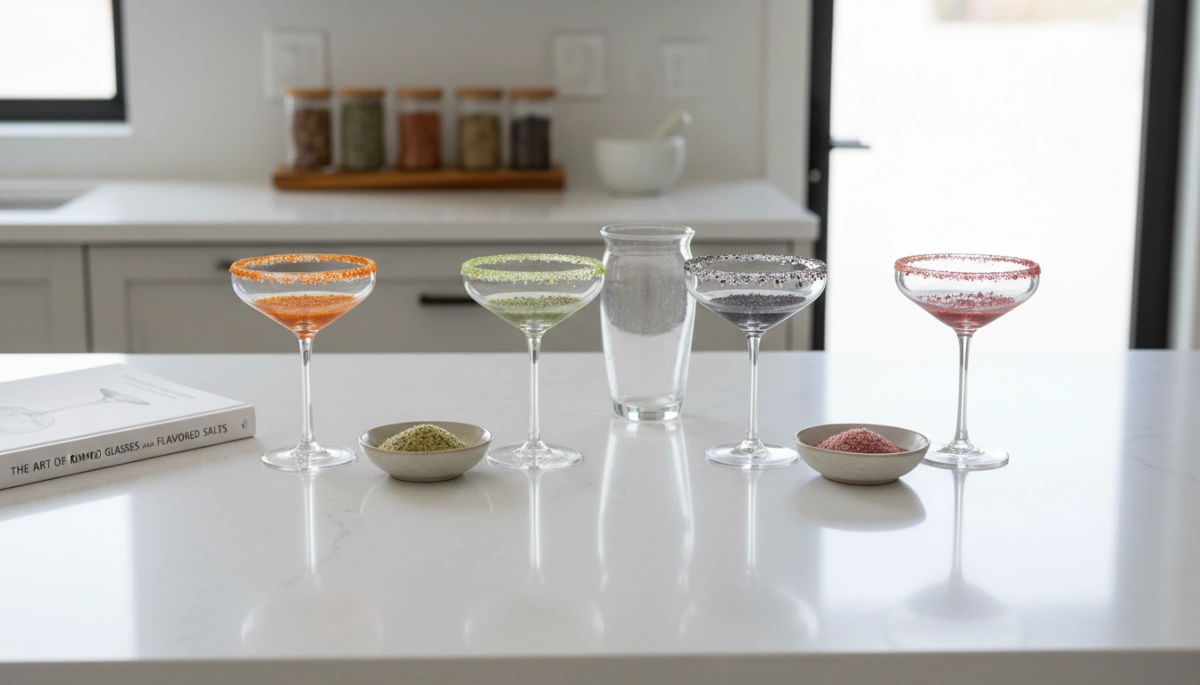
    Beyond the taste, a well-rimmed glass adds visual texture and pops of color that make your cocktail instantly inviting. It signals professionalism and care, instantly upgrading the drinking experience. Whether it’s a snowy kosher salt rim on a margarita or a colorful chili-lime blend, these details impress guests and ignite anticipation before the first sip.

    When to Rim: Full, Half, or Skip?

    Not every cocktail or guest calls for a full rim. Consider these tips:

    • Full rim: Best for drinks that benefit from consistent flavor, like a classic margarita or Bloody Mary.
    • Half or partial rim: Offers flexibility for those who want just a hint of flavor or prefer to control saltiness in each bite.
    • Skip the rim: For cocktails where the rim might clash with delicate flavors or with guests who prefer a cleaner taste.

    Always keep your guest’s palate preferences in mind—sometimes, the simplest glass lets the drink shine on its own.

    Rimming your cocktail glass is a subtle art that enhances flavor, adds charm, and tailors the drinking experience. Ready to master it? Let’s dive into the tools and ingredients you’ll need!

    Essential Tools and Ingredients for Perfect Rims

    When it comes to cocktail glass rimming, choosing the right glass is your first step. Classic options like rocks glasses, coupes, and margarita glasses work best because their rims are wide enough to hold the salt or flavored rim salts evenly. The shape makes it easier to apply and enjoy every sip without the salt falling off.

    Next, you’ll need an adhesive to help the salts or sugars stick to the rim. Lime or lemon wedges are the go-to for margarita salt rims, offering both stickiness and a flavor boost. Simple syrup, honey, or even fruit juices can also be used, especially if you want a sweeter or more complex flavored rim.

    Choosing the right base salt sets the foundation for your flavored salts. Kosher salt is popular for its coarse texture and clean taste, but sea salt can add mineral complexity, and flaky salts like Maldon offer a delicate crunch and aesthetic appeal. Each type has its pros and cons: kosher salt is easy to find and use, sea salt can be more expensive but offers unique flavors, and flaky salts work great for a subtle crunch without overpowering the drink.

    For tools, keep it simple but effective. Wide, shallow plates or rimmer trays hold your salts or sugars in place for easy dipping. Spice grinders come in handy for creating your own homemade rimming salt recipes by finely grinding spices or citrus zest. These basics are essential for hitting that professional glass rimming technique every time.

    For creative salted rim syrups, you might find inspiration in variations like this spicy jalapeño margarita variation that uses a spice-forward rim salt to elevate the drink.

    By having these essentials ready, you ensure your cocktail presentation is both delicious and visually striking.

    Step-by-Step Guide: How to Rim a Glass Like a Pro

    Rimming your cocktail glass perfectly takes a little practice, but these simple steps will get you there quickly.

    Preparation Tips

    • Chill your glasses before rimming—they hold the rim mixture better and help keep your cocktail cool.
    • Prep your salts, sugars, or spice blends in shallow plates or specialized rimmer trays to make dipping smooth and even.

    Classic Full Rim Technique

    1. Choose your adhesive—lime or lemon wedges work great for salt rims, while simple syrup or honey are perfect for sugar rims.
    2. Run the wedge evenly around the glass edge—don’t soak it, just enough to make the rim tacky.
    3. Gently dip the glass rim into your prepared salt or sugar, twisting slightly to cover all sides evenly.
    4. Shake off any excess to avoid clumping or salty spills inside the glass.

    Half-Rim Variation

    For those who want a lighter touch:

    • Apply adhesive only to half the rim or along the outer edge.
    • Dip just the moistened part into your flavorful salt or sugar.
    • This keeps options open for guests who prefer less intensity but still want that tasty rim contrast.

    Advanced Methods: Layered and Patterned Rims

    • Try layering different salts or spices for complexity—salt first, then a sprinkle of chili or citrus zest on top.
    • Create patterned designs by using a stencil or masking part of the rim before dipping.
    • Multi-ingredient blends combine salts, herbs, and dried zest for a custom flair that makes a statement.

    Common Mistakes to Avoid

    • Excess mixture inside the glass can ruin the balance of your cocktail’s flavors—be sure to shake off extra.
    • Avoid clumping by using coarse salts and prepping your rim salts with dry ingredients separated well.
    • Don’t over-salt or over-sugar; too much can overshadow the drink itself.

    Mastering these professional glass rimming techniques turns ordinary cocktails into something special every time. For more creative layering ideas, check out our detailed guide on layered drinks techniques.

    Exploring Flavored Salts: Recipes and Custom Blends

    Creating homemade flavored rim salts is a simple way to elevate your cocktail experience. Start with about 1/4 cup of a coarse salt base—kosher salt or flaky sea salt works best because they hold flavors well and stick nicely to glasses. From there, you can mix in herbs, spices, citrus zest, or even dried fruit to craft unique blends that complement your drinks perfectly.

    Here are 8 easy flavored rim salt recipes to try:

    • Chili-Lime Salt: A classic margarita salt mix—combine coarse salt with fresh lime zest and chili powder for that perfect spicy-citrusy kick.
    • Smoked Paprika and Citrus Zest: Add smoky depth to your salt with smoked paprika and a touch of lemon or orange zest.
    • Hibiscus and Tajín-Inspired Spicy Blend: Ground hibiscus petals combined with Tajín-style chili powder bring bright, floral spice that’s great for tropical drinks.
    • Bacon or Smoked Sea Salt: Perfect for savory cocktails like Bloody Marys, which you can find tips for in a detailed homemade Bloody Mary guide.
    • Herbal (Rosemary-Black Pepper): This fragrant blend works well with botanical-heavy gin cocktails or herbal infusions.
    • Sweet-Spicy (Cinnamon-Cayenne): A smooth combination that shifts from warm sweetness to a gentle heat, ideal for autumnal or spiced drinks.
    • Tropical (Coconut-Mango): Bright and fruity, combining toasted coconut flakes with dried mango powder is perfect for light, beachy cocktails.
    • Black Lime and Strawberry: A surprising twist mixing smoky black lime with finely ground dried strawberries for unique flavor and color.

    Storage tips: Keep flavored salts in airtight containers away from moisture and direct sunlight. Most will maintain their best flavor for up to 2 months but always give them a quick sniff and taste before use.

    Experimenting with these homemade rimming salt recipes can really set your cocktails apart, offering a tailored burst of flavor with every sip.

    Pairing Flavored Rims with Cocktails

    Flavored rim salts can elevate your cocktails by adding complexity and enhancing key flavors. For margarita variations, try pairing classic chili lime salt with tequila or smoky mezcal to highlight the agave’s earthiness. The spice and citrus zest in the rim bring out the best in these spirits.

    A savory Bloody Mary rim salt—think smoked sea salt with a touch of celery or horseradish—boosts the classic drink’s boldness. Similarly, a tangy, spicy rim is perfect for a Michelada, balancing the beer’s bitterness and making every sip refreshingly vibrant.

    For citrus-forward drinks like the Paloma or Daiquiri, bright rims with citrus zest salts or lightly sweetened salts complement the fresh, tart flavors beautifully. These rims add texture and a flavor boost while keeping the cocktail crisp.

    Don’t stop at traditional cocktails—flavored rims have unexpected applications too. Try a delicate floral or lightly sweetened rim on wine glasses or use citrus and spice blends on mocktails for flair. Even beer lovers can enjoy rimming with salt or spice blends like Tajín for a zesty twist.

    Non-alcoholic options benefit greatly from creative rimming, too. Sweet-spicy or tropical flavored salts can turn simple sparkling water or fruit juice into an elevated sip, making your gatherings memorable.

    For expert-level cocktail pairing ideas, check out our detailed guide on pairing cocktails with globetrotting flavors to inspire your next drink creation.

    Advanced Tips and Creative Ideas for Cocktail Glass Rimming

    Rimming your cocktail glasses isn’t limited to just salt or sugar—you can get creative with a variety of ingredients to elevate your drinks. Consider using sugars, spices, or edible flowers for non-salt rims that add unique flavors and visual appeal. For example, cinnamon sugar is excellent for dessert cocktails, while crushed edible rose petals or lavender can bring a delicate floral touch.

    Colorful rims are another fun way to impress guests. Natural powders like matcha, beet powder, or even freeze-dried fruit powders provide vibrant colors without artificial dyes. These work well on sweeter or herbal cocktails, instantly boosting the presentation.

    If you’re hosting a party, setting up a rimming station can be a hit. Provide multiple rim salts, sugars, spices, and some adhesive options like honey or citrus juice. This lets guests customize their own rims and engages them in the cocktail-making process—a memorable touch to any gathering.

    Troubleshooting Common Rimming Issues

    • Uneven rims: Press the glass gently but firmly into the adhesive and rim mixture. Too much pressure can cause fallout, while too little won’t give full coverage.
    • Excess fallout in the glass: Tap off extra salt or sugar before pouring your drink to avoid unwanted clumps and bitterness.
    • Over-salting: Use coarse base salts like kosher or flaky sea salt for better control and less intense saltiness.

    For more sophisticated flavor twists and professional glass rimming techniques, explore creative recipes for spicy cocktail rims and classic margarita salt rim ideas, such as those found in specialty cocktail guides like Spicy Twists on Classic Drinks. This can help you master the art of flavored rim salts and customize your cocktails perfectly.

  • Elegant French 75 Cocktail Recipe with Sparkling Champagne Top

    Elegant French 75 Cocktail Recipe with Sparkling Champagne Top

    If you’re looking to elevate your cocktail game, the Elegant French 75 with Sparkling Top is a timeless classic you can’t miss. Crisp, refreshing, and crowned with the perfect effervescent flourish, this drink effortlessly captures sophistication in a glass. Whether you’re celebrating brunch, holidays, or a special occasion, you’ll love how this bubbly gin and lemon concoction brings both style and sparkle to any gathering. Ready to discover the recipe and master the art of the perfect sparkling finish? Let’s get started!

    History of the French 75

    The French 75 cocktail has a fascinating history that stretches back to World War I Paris. It was first crafted around 1915 at Harry’s New York Bar, a legendary spot where American bartenders mixed drinks for soldiers and expats alike. The cocktail’s name pays homage to the powerful French 75mm field gun, a piece of artillery known for its kick—much like this drink’s punchy combination of booze and bubbles.

    Originally, the French 75 was made with cognac, lending it a rich and warming character perfect for wartime Europe. Over time, gin took its place as the base spirit, offering a fresher, crisper profile that suits modern tastes. This evolution helped the cocktail gain momentum, featuring prominently in classic cocktail books and enjoying a resurgence in today’s vibrant bar culture. Now, the French 75 is cherished worldwide as a chic gin sparkling drink ideal for everything from elegant brunches to festive New Year’s Eve celebrations.

    Ingredients: What You’ll Need for an Elegant French 75 with Sparkling Top

    To make a classic French 75 recipe, you’ll need just a few simple ingredients, perfectly balanced to deliver that crisp, refreshing lemon gin cocktail with a bubbly champagne top.

    Classic Ingredients (per serving)

    • 2 oz gin (London dry or botanical styles both work well; London dry gives a classic punch, while botanicals add subtle flavor)
    • 3/4 oz fresh lemon juice (freshly squeezed is a must—no substitutes for the bright citrus kick)
    • 1/2 oz simple syrup (adjust sweetness to taste; easy to make at home with equal parts sugar and water—see our step-by-step guide to homemade simple syrup for tips)
    • 3 oz sparkling wine (Champagne is ideal for authenticity, but Prosecco or Cava—brut styles—offer great balance and affordability)

    Tools You’ll Need

    • Cocktail shaker (to mix and chill the ingredients properly)
    • Jigger (for precise measuring)
    • Strainer (to keep the cocktail smooth and clear)
    • Champagne flute or coupe glass (flutes maintain the elegant sparkling top beautifully)

    Batch options: Multiply these ingredients by the number of servings for parties, but mix lemon juice and simple syrup separately with the gin and shake in smaller batches to keep it fresh before topping with sparkling wine.

    Using high-quality fresh lemon juice and your choice of gin makes a big difference, ensuring your classic French 75 stays bright and refreshing. For a smooth sweetness, a reliable simple syrup is key, and you can find a detailed method in the guide linked above. Finally, picking a brut sparkling wine like Champagne, Prosecco, or Cava will give that bubbly finish without overwhelming sweetness.

    This combination makes for an elegant brunch drink or a festive New Year’s Eve cocktail that’s easy to shake up and impress your guests.

    Step-by-Step French 75 Recipe

    Making an elegant French 75 with sparkling top is easier than you think. Here’s how to get that perfect balance of citrus, spirit, and bubbly fizz.

    Ingredients for One Serving:

    • 1 oz gin (London dry or botanical style)
    • ½ oz fresh lemon juice (never bottled)
    • ½ oz simple syrup (equal parts sugar and water, heated until dissolved)
    • 3 oz chilled sparkling wine (Champagne, Prosecco, or Cava, choose brut for dryness)

    Instructions:

    1. Chill your glass: Place a Champagne flute or coupe in the freezer for 10 minutes before mixing.

    2. Shake the base: Add gin, fresh lemon juice, and simple syrup into a shaker with ice. Shake well for about 10 seconds—just enough to chill and dilute without watering down the drink.

    3. Strain: Double strain into your chilled glass to keep the cocktail crisp and smooth.

    4. Top with sparkling wine: Slowly pour sparkling wine over the back of a spoon or gently down the side of the glass. This technique preserves the bubbles and creates that iconic sparkling champagne top.

    Common Mistakes to Avoid:

    • Over-shaking: Too much shaking can flatten the bubbles once you add sparkling wine.
    • Warm ingredients: Always use fresh lemon juice and keep everything cold before mixing to maintain crispness.
    • Pouring too fast: Rushing sparkling wine into the glass leads to foam spilling, losing effervescence.

    Batch Preparation Tips:

    • Multiply ingredients by the number of servings but hold off on adding sparkling wine until serving.
    • Keep your base cocktail chilled in the fridge.
    • Pour sparkling wine directly into each glass to ensure maximum fizz and freshness at parties.

    Follow these steps for the perfect classic French 75 recipe, balancing a lemon gin cocktail with a bubbly champagne top every time. For ideas on clever batch drinks and light bites to match, don’t miss our tips on easy 7-layer salad pairings.

    Perfect Presentation and Garnishes

    Presentation is key when serving an elegant French 75 with sparkling top. The classic choice is a Champagne flute cocktail glass—its tall, narrow shape preserves the bubbles and highlights that beautiful bubbly champagne top. However, for a slightly vintage or sophisticated twist, a coupe glass works well too, offering a wider rim that enhances aromas and adds a touch of old-school charm.

    To create that iconic sparkling top, use a slow pour technique when adding your sparkling wine. After shaking and straining the gin, lemon juice, and simple syrup mix into your glass, gently pour the Champagne, Prosecco, or Cava down the side of the glass. This keeps the bubbles lively and prevents too much froth from spilling over.

    For garnishes, lean into simple yet elegant options that complement the lemon gin cocktail’s bright flavors:

    • A long lemon twist adds zest and visual flair.
    • Expressed lemon oils over the drink enhance aroma and depth.
    • Edible flowers or fresh berries can boost color and make the presentation pop for parties or photos.

    If you want your French 75 to stand out for social media or special occasions, use natural light and a neutral background to capture those sparkling bubbles and vibrant garnishes perfectly. This extra touch will highlight the cocktail’s elegance and make it irresistible.

    For more ideas on elegantly styled drinks and hosting tips, you might also enjoy our guide to the Manhattan drink, another classic cocktail perfect for sophisticated gatherings.

    Variations and Twists on the French 75

    The French 75 is a versatile classic, so don’t be afraid to mix it up to suit your taste or occasion.

    • Cognac French 75: This is the original style, swapping gin for cognac for a richer, warmer base that hints at its World War I Paris roots. It’s a smooth alternative if you prefer something less botanical.

    • Vodka or Bourbon Versions: For a modern spin, try vodka for a cleaner, softer flavor or bourbon for a bolder, spicier kick. Each changes the cocktail’s character but keeps that refreshing sparkling wine top intact.

    • Fruity Twists: Use rosé sparkling wine instead of classic brut for a pink hue and subtle berry notes. Adding elderflower liqueur can also brighten the drink with floral sweetness, making your Lemon gin cocktail even more elegant.

    • Non-Alcoholic Mocktail: For a festive, alcohol-free option, replace the gin with fresh lemon soda or a herb-infused sparkling water, topped with non-alcoholic sparkling wine or just soda. Garnish with a lemon twist to keep the classic look.

    • Seasonal Adaptations: Add holiday herbs like rosemary or thyme for a festive sparkle, or garnish with edible flowers in spring and berries in summer to match the season’s vibe.

    These variations keep the French 75 fresh and adaptable, perfect for everything from New Year’s Eve cocktails to elegant brunch drinks. For homemade syrups that complement your cocktail twists, check out this simple way to make fresh herb-infused syrup at home.

    Serving Suggestions and Pairings

    The Elegant French 75 with Sparkling Top shines at celebrations like New Year’s Eve, brunches, weddings, or any festive gathering. Its bubbly champagne flute cocktail presentation adds an instant touch of class. For glassware, choose a flute to keep the bubbles alive longer, or a coupe for a vintage, elegant feel—just avoid wide glasses that lose fizz fast.

    Food-wise, this lemon gin cocktail pairs wonderfully with light appetizers such as smoked salmon, shrimp cocktail, or soft cheeses. It’s also a perfect match for seafood dishes and fresh brunch plates like avocado toast or eggs Benedict, enhancing the festive mood without overpowering flavors.

    Hosting a party? When scaling up your French 75 recipe, mix the gin, lemon juice, and simple syrup ahead but add sparkling wine just before serving to keep that iconic bubbly champagne top fresh and lively. Store the mixed base chilled and pour into flute glasses before topping, ensuring each drink stays crisp and sparkling throughout the event.

    For quick reference on homemade ingredients that can complement your hosting setup, check out this simple homemade mayonnaise recipe for light bites, which pairs nicely with your cocktail spread.

    FAQs About the Elegant French 75 with Sparkling Top

    Why is it called French 75?

    The French 75 gets its name from the powerful French 75mm field gun used during World War I. The cocktail was said to have such a kick that it felt like being shelled by the artillery, giving the drink a sharp and explosive reputation. Its roots go back to Paris in 1915, blending history with the bubbly spirit of the era.

    Gin or cognac—which is better for a French 75?

    Both work well, but the classic modern twist usually features gin, especially London dry or botanical styles, for a lighter, brighter profile. Cognac gives a richer, deeper character, closer to the original recipe. For most, gin sparkling drinks offer a fresher vibe, but the cognac French 75 variation still has its loyal fans.

    What’s the best affordable sparkling wine for a French 75?

    Champagne is ideal but can get pricey. Prosecco or Cava (choose brut for a good balance) are excellent and budget-friendly alternatives that still deliver that signature bubbly champagne top. These options keep your cocktail elegant without breaking the bank.

    How do you make simple syrup for a French 75?

    Simple syrup is easy: dissolve equal parts sugar and water over low heat until clear. Cool it down before using. You can find handy guides on making simple syrup and other cocktail basics like classic margarita mix for inspiration on balanced sweetness and perfect texture.

    Can the French 75 be made ahead of time?

    You can batch the gin, lemon juice, and simple syrup mixture ahead but always pour sparkling wine fresh to keep the bubbles lively. Keep the base chilled and give it a quick stir before serving. This keeps the cocktail fresh and fizzy for parties or brunches.

    For more cocktail ideas with crisp, fresh ingredients, check out our guide on crafting fluffy homemade mixers designed to elevate your drinks effortlessly.