Author: Natalie Obeirnes

  • Stir Fry Sauce

    Stir Fry Sauce

    We make a lot of stir fry at our house and today I’m here to share the best recipe for homemade stir fry sauce. This five minute recipe is so easy to make!

    I think being able to make a great stir fry is one of those meals everyone should know—it should be taught in schools as a basic life skill. I love rice, I love noodles and I love using up whatever leftover meats and vegetables are sitting in my fridge.

    While yes, you could certainly use a store-bought stir fry sauce I think there’s a lot of value in being able to throw one together from things you likely already have on hand. This easy stir fry sauce recipe is flavorful, slightly sweet and a little bit spicy. It goes great with almost anything you are throwing into your stir fry.

    Stir Fry Sauce Ingredients

    • Soy sauce – You can use tradition soy sauce or low sodium or gluten-free.
    • Chicken stock – Or chicken broth.
    • Sesame oil – Adds depth of flavor.
    • Rice vinegar
    • Worcestershire sauce
    • Garlic – Fresh garlic, minced.
    • Ginger – Fresh ginger, minced.
    • Brown sugar
    • Red pepper flakes – For a little kick.

    While this may seem like a lot of ingredients, keep in mind that many of them are either shelf stable or can be stored in the refrigerator for long periods (so you can use them up over time).

    How to Make Stir Fry Sauce

    In a small- to medium-size mixing bowl, combine all ingredients. Whisk together until the sugar is fully dissolved.

    Another option is to add all the ingredients to a jar, like a mason jar, with a lid. Then shake well until the sugar has dissolved.

    Now you can pour the stir fry sauce over your stir fry mixture while cooking in a large skillet or pan. Store any unused sauce in an airtight container in the refrigerator for up to a week. This makes about a cup of sauce (the perfect amount), so I can typically use this recipe twice. But it depends how much stir fry you are making/how big your family is.

    Tips & Substitutions

    • Instead of soy sauce, you could use low-sodium soy sauce, liquid aminos or gluten-free soy sauce.
    • You can substitute vegetable or beef stock for chicken if you prefer. You may also use vegetable broth if you want to make a vegan stir fry sauce.
    • If you don’t have sesame oil and don’t want to buy it, you can use another cooking oil like olive oil. But, I do think the flavor of the sesame oil adds to this recipe.
    • If you don’t have rice vinegar and don’t want to buy it, you can use apple cider vinegar. I like the sweetness of rice vinegar, but ACV will work well too.
    • Instead of brown sugar, you could use granulated white, honey, or maple syrup. You can also reduce the amount of sugar if you prefer.
    • I don’t feel this sauce needs a thickening agent. However, if you do prefer one, add a teaspoon or two of cornstarch when whisking together.
    • Secret ingredient—many people claim ketchup is the secret ingredient in stir fry sauce. It gives a boost of flavor. I use it in my easy Pad Thai recipe, it’s good! If you try it, start small and let us know what you think. You may also want to reduce the sugar if you add ketchup as the ketchup will add more sweetness.

    Stir Fry Recipe Ideas

    Learn how to build the perfect stir fry. We love to use veggies, broccoli, snow peas, bell peppers, onion, mushrooms and carrots in our stir fry. You can also add protein such as shrimp, beef, pork or chicken.

  • Lemon Drop Shot

    Lemon Drop Shot

    The Lemon Drop Shot was the first shot recipe I ever learned to make. This recipe is a close cousin to the classic Lemon Drop Martini. It’s a lot of fun and great to serve at a party. There’s something undeniably perfect about the combination of sweet and sour. This recipe is so fresh and delicious. It tastes just like lemon drop candies.

    Ingredients in a Lemon Drop Shot

    • Vodka – The base spirit for this shot is vodka. We recommend a quality, mid-priced vodka like Tito’s, Grey Goose or Smirnoff.
    • Lemon Juice – Fresh squeezed!
    • Simple Syrup – For sweetness. You can easily make your own bath using our Simple Syrup recipe.
    • Sugar – You will also need granulated sugar for rimming your glass and sugaring your lemons.
    • Lemons – Cut into wedges to use as a garnish.

    How to Make a Lemon Drop Shot

    1. Chill Your Ingredients: Begin by chilling your vodka, fresh lemon juice, and simple syrup. Chilling these ingredients in advance ensures your shot will be refreshingly cold.
    2. Prepare the Glass: Take a chilled shot glass and rim it with sugar. To do this, dip the rim of the glass in water or lemon juice and then into a small plate of sugar. Gently twist the glass to ensure an even sugar coating.
    3. Mix the Cocktail: In a cocktail shaker filled with ice, combine vodka, lemon juice and simple syrup.
    4. Shake Vigorously: Seal the shaker and shake vigorously for about 10 seconds. This chilling process also helps to dilute the mixture slightly, balancing the flavors.
    5. Strain and Serve: Carefully strain the mixture from the shaker into your prepared sugar-rimmed shot glass.
    6. Serve with a sugared lemon wedge. Part of the experience of this shot is chasing the shot with a bite into the sugared lemon wedge. It’s delicious and the best part of the experience, so don’t skip it!

    Tips for Making

    • Try flavored vodkas (such as raspberry vodka) if you want to change up your flavor profile a bit. Try swapping in various flavored vodkas or even try a citrus vodka (such as Absolut Citron) for a more intense experience.
    • Infuse your sugar with grated lemon zest for a greater sensory experience (our sense of smell is very connected to our sense of taste). You can prep the shot glass with a sugared rim or dip your lemon slice in sugar to use as a chaser.
    • We recommend sticking with fresh lemon juice and skipping bottled lemon juice for the best flavor. The lemony goodness from fresh lemon juice really comes through with such a short ingredient list.
    • Try half lemon, half lime juice for a fun variation.

    History of the Lemon Drop Shot

    The Lemon Drop Shot’s history is closely tied to the Lemon Drop Martini, a classic cocktail that emerged during the 1970s. The Lemon Drop Martini, known for its vibrant blend of vodka, lemon juice, and sugar, served as the inspiration for the shot recipe.

  • How to Make Creamy Homemade Ricotta Cheese Step by Step

    How to Make Creamy Homemade Ricotta Cheese Step by Step

    Why Make Ricotta Cheese at Home?

    Making creamy homemade ricotta cheese is a game-changer in the kitchen. Compared to store-bought ricotta, homemade ricotta offers a fresher taste, smoother texture, and a richer, more natural flavor. Store versions often contain preservatives and stabilizers that affect both taste and consistency, while your homemade fresh ricotta from milk can be customized to your liking.

    Homemade vs Store-Bought Ricotta

    Feature Homemade Ricotta Store-bought Ricotta
    Texture Creamy, soft, easily adjustable Usually grainy or dense
    Taste Fresh, milky, delicate Often bland or slightly sour
    Freshness Made and used within hours Longer shelf life but less fresh
    Additives None, just milk, cream, acid Often contains stabilizers

    Benefits of Making Ricotta at Home

    • Cost-effective: Using simple ingredients, it costs much less than premium store ricotta.
    • Customizable creaminess: Add heavy cream for extra richness or adjust draining for desired thickness.
    • No additives or preservatives: Pure, wholesome, and natural.
    • Fun and rewarding: Experience the joy of turning everyday ingredients into fresh cheese.

    Common Uses for Homemade Ricotta

    Homemade ricotta shines in many dishes — from creamy spreads and savory appetizers to classic Italian lasagna, pasta fillings, and luscious desserts.

    Try it for:

    • Whipped ricotta spreads on toast or crackers
    • Filling for stuffed pasta like ravioli or manicotti
    • Rich layers in lasagna
    • Sweet treats like cheesecake or cannoli filling

    Making fresh ricotta from milk at home unlocks endless delicious possibilities!

    Ingredients Needed for Creamy Homemade Ricotta

    To make creamy homemade ricotta cheese, you’ll need just a few simple ingredients: whole milk, heavy cream, an acid like lemon juice or vinegar, and salt. Whole milk is the base, providing richness and body, while adding heavy cream is key for that extra creamy texture that sets your ricotta apart from store-bought versions.

    Recommended Ratios

    • Whole milk: 4 cups
    • Heavy cream: 1 cup (optional but highly recommended for creaminess)
    • Acid (lemon juice or vinegar): 3 tablespoons
    • Salt: ½ teaspoon

    The heavy cream plays a crucial role—it increases fat content, resulting in a buttery, smooth ricotta. If you skip heavy cream, your ricotta will still form but be less rich and slightly grainier.

    Substitutions and Tips

    • Use fresh, non-ultra-pasteurized whole milk if possible. Ultra-pasteurized milk often fails to curdle properly, leading to disappointing results.
    • If you want a lower-fat option, you can reduce or omit heavy cream, but expect a firmer ricotta with less creaminess.
    • Lemon juice and vinegar both work well as acids, though lemon juice gives a slightly brighter, fresher flavor.

    Using these core ingredients and correct ratios ensures your fresh ricotta from milk turns out perfectly creamy every time.

    Equipment You’ll Need for Creamy Homemade Ricotta

    To make creamy homemade ricotta cheese, you’ll need just a few basic tools. Start with a large pot to gently heat your whole milk and heavy cream mixture without crowding. A thermometer is key for accuracy—ricotta turns out best when the milk reaches about 190°F (88°C), so you avoid overheating or underheating.

    For straining, use cheesecloth or a very fine mesh strainer to separate the delicate ricotta curds from the whey. If you don’t have cheesecloth, a clean, thin kitchen towel or multiple layers of paper towels can work as alternatives, though they might slow down draining slightly. A slotted spoon will help you scoop out the curds gently without breaking them too much.

    Having these simple tools on hand makes the process smooth and ensures your fresh ricotta from milk develops the perfect creamy texture.

    Step-by-Step Instructions for Making Creamy Homemade Ricotta Cheese

    Making creamy homemade ricotta cheese is straightforward if you follow each step carefully. Here’s how to get fresh ricotta from whole milk and cream with great texture and flavor:

    Step 1: Heating the Milk and Cream Mixture

    Pour your whole milk and heavy cream into a large pot. Slowly heat the mixture over medium heat until it reaches about 185°F (85°C). Stir occasionally to prevent scorching. Heating gently helps the proteins prepare for curd formation without breaking down.

    Step 2: Adding the Acid and Forming Curds

    Once the milk and cream are hot, remove the pot from heat and stir in your acid—either lemon juice or vinegar. This will cause the milk to curdle, separating into curds and whey. You should see the liquid turn cloudy and the solid white curds beginning to form within a few minutes.

    Step 3: Resting and Initial Separation

    Let the mixture sit undisturbed for 10 to 15 minutes. This resting time allows the curds to fully develop and start settling away from the clear whey. The longer it rests, the firmer the curds will become, but don’t wait too long or the curds might toughen.

    Step 4: Straining the Curds for Desired Consistency

    Line a fine strainer or colander with cheesecloth (or a clean kitchen towel if you don’t have cheesecloth). Slowly ladle the curds and whey into it. Let the ricotta drain—about 15 to 30 minutes for a creamy, spreadable texture, or longer for firmer ricotta. You can adjust draining time to get the exact thickness you want.

    Step 5: Seasoning and Final Adjustments

    After draining, transfer the ricotta to a bowl. Stir in a pinch of salt to enhance flavor. If you want it richer, gently fold in a bit more heavy cream. Taste and adjust as needed. Your creamy homemade ricotta is now ready to use!

    Visual Cues and Timing Tips

    • The curds should look soft and slightly lumpy, not grainy or rubbery.
    • If curds haven’t formed after acid addition, your milk might have been overheated or the acid is insufficient.
    • Proper draining time depends on your planned use—less for spreads, more for pasta fillings.

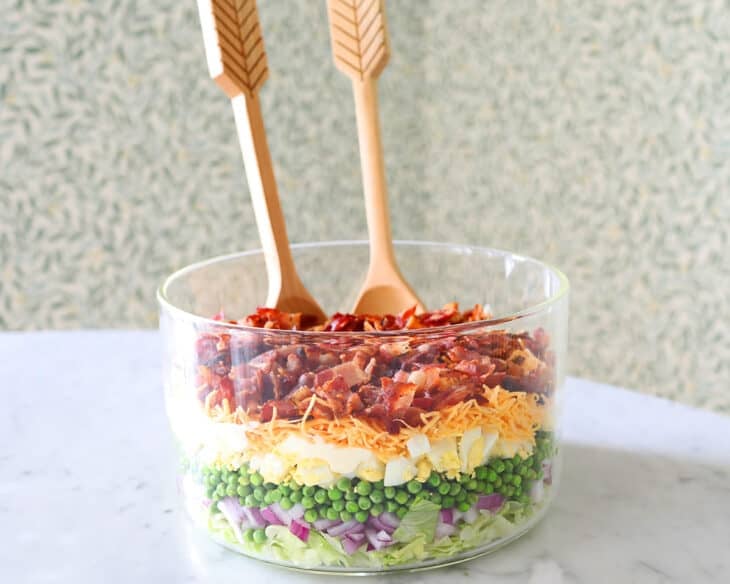
    For more creamy homemade ricotta tips and ideas, check out our easy recipe for layered dishes like this 7-layer salad that can creatively use fresh ricotta.

    Tips for the Creamiest Ricotta

    To get the creamiest homemade ricotta, adjusting the draining time is key. For a spreadable, soft texture, strain the curds for about 15-20 minutes. If you prefer a firmer ricotta, let it drain longer—up to an hour or more—until it reaches your desired consistency. Keep in mind, the longer it drains, the drier and thicker it becomes.

    Avoid common mistakes like overheating the milk mixture, which can cause grainy curds, or stirring too vigorously, which breaks the curds and ruins the texture. Gently ladle the curds when transferring and resist poking them too much during straining.

    Flavor variations are simple: lemon juice adds a fresh, bright note, while vinegar gives a subtler tang. For extra richness, boost the heavy cream amount—this really enhances the creamy mouthfeel you want in a good homemade ricotta recipe.

    With these tips, your ricotta cheese will have a silky texture and clean flavor, perfect for any dish calling for fresh ricotta.

    Troubleshooting Common Issues with Homemade Ricotta

    Making creamy homemade ricotta cheese is usually simple, but sometimes things don’t go as planned. Here’s how to fix common problems:

    No Curds Forming

    • Cause: Milk not hot enough or acid added too late.
    • Fix: Heat the milk and cream mixture gently to about 185°F (85°C) before adding lemon juice or vinegar. Add the acid slowly and give it a gentle stir. If curds don’t form in 5–10 minutes, try adding a bit more acid. Avoid ultra-pasteurized milk—it often won’t curdle well.

    Grainy or Rubbery Texture

    • Cause: Overheating the milk or stirring too vigorously after adding acid.
    • Fix: Keep the milk temperature steady and avoid boiling. Stir gently and as little as possible after adding the acid to allow curds to form properly. Using fresh whole milk and adding heavy cream helps keep ricotta smooth and creamy.

    Too Watery or Too Dry

    • Cause: Draining time not adjusted for desired texture.
    • Fix:
      • For creamier ricotta, drain for a shorter time or use less cheesecloth layers.
      • For firmer ricotta, drain longer, up to a few hours in the fridge.
      • If too watery after draining, gently press the ricotta with a spoon to remove excess whey.
      • If too dry, stir in a splash of cream or milk until smooth.

    With these tips, your fresh ricotta from milk will turn out perfectly every time. For more ideas on using fresh ricotta, check out easy recipes like garlic toast here to enjoy your creamy cheese in simple ways.

    How to Store Homemade Ricotta

    Proper storage is key to keeping your creamy homemade ricotta fresh and tasty. Once made, refrigerate it in an airtight container to maintain the best texture and flavor. Homemade ricotta generally lasts about 4 to 5 days in the fridge—much shorter than store-bought versions because it has no preservatives.

    If you want to freeze your homemade ricotta cheese, keep in mind that it may change texture slightly after thawing, becoming grainier and less creamy. Freezing is best avoided if you want to use ricotta as a spread or fresh topping. However, frozen ricotta works fine in cooked dishes like lasagna or baked pasta, where texture changes won’t be as noticeable.

    Don’t toss the leftover whey! This nutrient-rich liquid can be used in baking bread, pancakes, or muffins for extra moisture and flavor. You can also add it to smoothies or soups for a subtle protein boost. Using whey reduces waste and adds value to your homemade ricotta process.

    Storing homemade ricotta properly ensures you enjoy fresh ricotta from milk whenever you want without the additives found in store-bought options.

    Delicious Ways to Use Your Creamy Ricotta

    Once you have your creamy homemade ricotta cheese ready, the possibilities are endless!

    Savory uses include layering it in lasagna or stuffing pasta shells for a rich, creamy filling. Spread it on pizza as a milky, soft topping or whip it into a smooth dip flavored with herbs and garlic—perfect for crackers or fresh veggies. Ricotta’s mild flavor works beautifully in savory dishes, adding creaminess without overpowering other ingredients.

    For sweet treats, try it as a fluffy cheesecake base or use it as a filling for classic Italian cannoli. You can also spread it on toast and drizzle with honey or fresh fruit for a quick and satisfying breakfast or snack.

    If you’re looking for quick ideas, mix ricotta with fresh herbs for a simple spread, layer it with roasted vegetables for a light appetizer, or fold it into pancake batter for extra moisture and richness.

    For plenty of delicious inspiration, explore related recipes like creamy cocktails to pair with your dishes, such as an Old Fashioned cocktail, making your homemade ricotta experience even more enjoyable.

    Frequently Asked Questions about Homemade Ricotta Cheese

    Can I use low-fat milk for ricotta?

    Low-fat milk isn’t ideal for making creamy ricotta cheese because it lacks the fat needed for that rich texture. Whole milk combined with heavy cream gives you the best creamy ricotta cheese with a smooth, luscious feel.

    What’s the difference between homemade and traditional whey-based ricotta?

    Traditional ricotta is made from whey, the leftover liquid from other cheeses, while homemade ricotta uses whole milk (and usually cream). Homemade ricotta made from milk tends to be creamier, fresher, and has a more delicate texture than whey-based ricotta you find in stores.

    How much ricotta does this recipe yield?

    Typically, using about a gallon of whole milk with added cream, you can expect around 1 to 1¼ pounds of fresh ricotta. The exact amount depends on how much you drain it—less draining means creamier, softer ricotta with a bit more yield.

    Is homemade ricotta safe for lactose-intolerant diets?

    Homemade ricotta still contains lactose because it’s made from milk. However, ricotta generally has less lactose than other fresh cheeses, and some people with mild lactose intolerance can enjoy it in small amounts. If you’re highly sensitive, it’s best to avoid or try lactose-free milk alternatives designed for cheese-making.

    For more on creamy ricotta cheese techniques and ingredient choices, you might find helpful tips in our easy ricotta cheese recipe section!

  • How to Make a Smooth Cosmopolitan with Citrus Notes Recipe

    How to Make a Smooth Cosmopolitan with Citrus Notes Recipe

    If you love a cocktail that’s as smooth as it is vibrant, you’re in the right place. The Smooth Cosmopolitan with Citrus Notes elevates the classic Cosmo with a silky texture and a bright, zesty pop of citrus that truly wakes up your palate. Whether you’re shaking up a girls’ night favorite or impressing at your next party, mastering this refined, citrus-forward take gives you a cocktail that’s both timeless and irresistibly fresh. Ready to learn how to craft the perfect balance of tangy lime, luscious orange liqueur, and cranberry sweetness—all delivered in a flawlessly smooth sip? Let’s get started!

    History of the Cosmopolitan Cocktail

    The Cosmopolitan cocktail, often celebrated as a smooth vodka cocktail with a vibrant twist, first gained popularity in the 1980s and surged to fame during the 1990s. Its origins are somewhat debated, but most agree the drink was crafted to bring a fresh, citrusy spin to the classic vodka martini. The key to this modern classic’s bright profile? Citrus vodka. Brands like Absolut Citron helped transform the Cosmopolitan into a smooth citrus vodka Cosmo, making the drink both accessible and irresistibly refreshing.

    This pink martini drink became a cultural icon, thanks in no small part to its starring role in the hit TV show Sex and the City, where the Cosmopolitan was forever linked with sophistication and a fun-loving lifestyle. Its timeless appeal lies in the balance of tart citrus cocktail flavors with smooth vodka, offering a perfect blend that’s both elegant and approachable for cocktail lovers around the world. Whether enjoyed at a chic bar or crafted at home, the Cosmopolitan remains a must-try—proof that a simple, well-made cocktail can truly stand the test of time.

    Key Ingredients for a Smooth Cosmopolitan with Pronounced Citrus Notes

    To craft a smooth Cosmopolitan with vibrant citrus flavor, choosing the right ingredients is key.

    Vodka: Citrus-flavored vodka, like citron varieties, really lifts the cocktail’s brightness and adds a fresh twist to the classic profile. The subtle lemon or lime notes from citrus vodka blend perfectly with the other ingredients. If you prefer plain vodka, opt for a clean, neutral one to avoid overpowering the drink.

    Orange Liqueur: When it comes to orange liqueur, Cointreau tends to offer a smoother, more refined citrus depth compared to typical Triple Sec. This rich orange flavor balances the tartness and sweetness beautifully, making your Cosmopolitan silky and flavorful.

    Fresh Lime Juice: Freshly squeezed lime juice is non-negotiable for the sharp acidity a Cosmopolitan demands. Bottled lime juice lacks the brightness and natural zing, dulling the cocktail’s crisp edge.

    Cranberry Juice: The choice between sweetened and unsweetened cranberry juice affects both color and taste. Sweetened juice softens the tartness and adds smoothness, while unsweetened gives a more vibrant, acidic punch and deeper pink hue. Adjust based on your balance preference.

    Ice and Tools: Quality ice cubes ensure proper dilution and keep your cocktail chilled without watering down the flavors. Use a good shaker and strain carefully to achieve the perfect smoothness and clarity.

    For more cocktail inspiration, check out how the Paper Plane cocktail uses fresh ingredients for bright, balanced drinks.

    The Perfect Recipe: Step-by-Step Instructions

    To craft a smooth Cosmopolitan with citrus notes, here’s the exact recipe for one serving:

    • 1.5 oz citrus-flavored vodka (such as Absolut Citron)
    • 1 oz Cointreau (for a richer, smoother orange liqueur flavor)
    • 0.5 oz fresh lime juice (never bottled for that bright acidity)
    • 1 oz cranberry juice (preferably unsweetened or lightly sweetened to balance tartness)

    How to Make It

    1. Add ingredients and ice: Fill a cocktail shaker with all liquids and pack it with fresh, quality ice to ensure proper chill and dilution.
    2. Shake thoroughly: Shake vigorously for about 15 seconds. This chills the drink well and helps dilute it just enough to smooth out the flavors without watering it down.
    3. Double strain: Pour the mixture through a fine mesh strainer into a chilled martini glass. This removes any ice shards, leaving your Cosmo silky smooth.

    Garnishing Tips

    • Lime wheel: A classic, simple garnish that complements the citrus profile.
    • Orange twist: Adds extra aromatic oils, enhancing the drink’s citrus notes.
    • Flamed orange peel: For an aromatic, visually impressive touch—just flame the peel over the glass to release natural oils.

    If you want to prepare for a group, multiply the recipe by the number of servings and mix in a pitcher with plenty of ice. Be sure to stir gently before serving to maintain clarity and smoothness, keeping your classic Cosmo cocktail perfectly balanced every time.

    Tips for Ultimate Smoothness and Citrus Brightness

    To nail a smooth Cosmopolitan with citrus notes, start with fresh, high-quality ingredients. Fresh lime juice is non-negotiable—it delivers that sharp, bright acidity you just can’t get from bottled juice. Opt for a citrus vodka like Absolut Citron for a natural burst of flavor instead of plain vodka, which can mute the brightness.

    Shaking technique matters: shake your Cosmopolitan vigorously with plenty of ice for about 15 seconds. This chills the drink thoroughly and achieves the right dilution to soften the edges without watering it down. Over-shaking or under-shaking can disrupt the smooth texture and balance.

    Don’t forget to chill your glass before serving. A frosty glass keeps the cocktail colder longer and helps maintain the crisp citrus kick from the first sip to the last.

    Common mistakes to avoid:

    • Over-sweetening with too much cranberry juice or sugary mixers, which can mask the citrus brightness.
    • Using poor-quality vodka, which affects the smoothness and can introduce harsh notes.
    • Skipping the double strain—tiny ice shards can ruin the silky texture.
    • Relying on bottled lime juice or cheap orange liqueurs that dull the fresh citrus character.

    Following these tips ensures a consistent, smooth vodka cocktail with that iconic tart citrus cocktail flavor everyone loves in a Cosmopolitan. For a bit of extra inspiration on citrus cocktails, check out this refreshing lemon drop shot recipe that also celebrates bright citrus notes.

    Variations to Amplify Citrus Notes

    If you want to boost the citrus punch in your smooth Cosmopolitan with citrus notes, there are several tasty twists to try.

    • Blood Orange Cosmopolitan: Swap regular orange liqueur for blood orange liqueur or add fresh blood orange juice. This gives your Cosmo a vibrant color and a sweeter, more complex citrus flavor that stands out beautifully.
    • Extra Lime or Lemon Twist: Adding an extra squeeze of fresh lime or a lemon twist brightens the drink with sharper citrus acidity. Garnishing with a flamed lemon peel can also add aromatic oils that elevate the aroma.
    • Premium Upgrades: For richer citrus depth, consider substituting Cointreau or triple sec with a higher-end orange liqueur like Grand Marnier. The added layers of orange and vanilla notes bring smooth complexity and warmth to your cocktail.
    • Non-Alcoholic Mocktail: To make a refreshing citrus-filled mocktail version, replace vodka and orange liqueur with citrus-flavored sparkling water or a mix of fresh citrus juices. This keeps the tartness and brightness while making it accessible for all guests.

    These variations enhance your classic Cosmo cocktail with fresh citrus excitement, perfect for shaking up your regular recipe or impressing guests with a fresh twist. For more ideas on cocktail preparation, checking out different approaches like a Manhattan drink might inspire layered flavors in your next mix.

    Serving Suggestions and Pairings

    For a smooth Cosmopolitan with citrus notes, presentation is key. Serve your cocktail in a classic chilled martini glass to highlight its elegant pink hue and crisp aroma. Garnish with a lime wheel, an orange twist, or even a flamed peel to add that extra sensory pop.

    This citrus vodka Cosmo is perfect for many occasions — think brunches, girls’ nights, or lively parties. Its bright, refreshing profile complements social settings where a light, stylish drink is ideal.

    When it comes to food pairings, choose light appetizers like shrimp cocktail or citrus-glazed chicken. Fresh seafood works beautifully, enhancing the tart citrus cocktail flavors without overpowering them. Fruity desserts — like berry tarts or citrus sorbets — also make excellent companions, balancing sweetness with the drink’s zing.

    For more party-ready cocktail ideas, you might enjoy exploring other smooth vodka cocktails like the Espresso Martini, which also offers a refined, crowd-pleasing twist.

    Frequently Asked Questions about Smooth Cosmopolitan with Citrus Notes

    Can I use plain vodka?

    Yes, you can use plain vodka if citrus-flavored options like Absolut Citron aren’t available. However, citrus vodka naturally enhances the bright citrus notes that define a smooth Cosmopolitan, making the cocktail pop with extra zest and freshness. If you go with plain vodka, consider adding a bit more fresh lime juice or an orange twist for extra citrus brightness.

    How do I make it less tart or smoother?

    To soften tartness, try these tweaks:

    • Use a touch more orange liqueur like Cointreau or Grand Marnier for added sweetness and depth.
    • Balance fresh lime juice with a light splash of simple syrup or choose sweeter cranberry juice, but avoid over-sweetening.
    • Shake well with quality ice to achieve perfect dilution and smooth texture, then double strain to remove any sharp ice shards.

    Can I prepare a batch for crowds?

    Absolutely! Scale up the classic Cosmopolitan recipe maintaining these ratios per serving:

    • 1.5 oz citrus vodka
    • 1 oz orange liqueur
    • 0.5 oz fresh lime juice
    • 1 oz cranberry juice
      Mix in a large pitcher or cocktail shaker with plenty of ice, then stir or shake briefly before serving. Keep the batch chilled and strain into glasses individually for best results.

    What about calorie and nutrition info?

    A smooth Cosmopolitan typically ranges between 150-200 calories per serving, depending on cranberry juice sweetness and alcohol choice. Citrus vodka and orange liqueur contribute most of the calories. Fresh lime juice adds minimal calories but plenty of tart flavor. For a lighter version, opt for unsweetened cranberry juice and moderate the liqueur quantity.

    For more smooth vodka cocktail tips and cocktail variations, you can also explore how to perfect your drink without over-sweetening or diluting the classic pink martini drink balance.

  • Refreshing Watermelon Mint Cooler Recipe Easy Hydrating Summer Drink

    Refreshing Watermelon Mint Cooler Recipe Easy Hydrating Summer Drink

    Why This Watermelon Mint Cooler is the Ultimate Summer Drink

    Nothing beats the refreshing burst of a Watermelon Mint Cooler on a hot summer day. The sweet, juicy watermelon pairs perfectly with the crisp, cool flavor of fresh mint, creating a taste balance that’s both vibrant and soothing. Add a splash of citrus—like lime—and you’ve got a lively zing that wakes up your taste buds instantly.

    Flavor Highlights:

    Flavor Element Description
    Sweet Watermelon Naturally hydrating and juicy
    Fresh Mint Adds a cooling, herbal twist
    Optional Citrus Provides a bright, tangy lift

    This drink is more than just delicious—it’s a hydration hero. Watermelon is packed with water (over 90%!), making it a natural thirst-quencher. Plus, it’s rich in antioxidants like lycopene, which support skin health and fight free radicals. Mint doesn’t just freshen your breath; it also aids digestion, helping you feel cool inside and out.

    Compared to store-bought drinks, this fresh mint cooler is unbeatable. No added sugars, no preservatives—just pure, natural ingredients. It’s a healthier, tastier alternative to sugary sodas or artificial juices.

    And don’t forget—this cooler shines brightest when watermelon is at its peak in summer. A ripe, heavy melon with a creamy yellow spot means maximum sweetness and flavor. So, grab the season’s best and whip up a batch that’s the ultimate summer mocktail recipe for any occasion.

    Enjoy the pure, hydrating taste of this watermelon lime mint refresher—your new go-to for cooling summer hydration drinks!

    Ingredients for Watermelon Mint Cooler

    Here’s what you’ll need for 4 refreshing servings of this hydrating watermelon mint drink:

    • 6 cups of ripe watermelon, cubed and seeded
    • 1/4 cup fresh mint leaves, loosely packed
    • Juice of 1 lime (optional for a citrus twist)
    • 1-2 tablespoons honey or agave syrup (optional, to taste)
    • 1 cup sparkling water or plain water (optional, for fizz or dilution)
    • A small piece of fresh ginger, peeled and grated (optional for spice)

    Choosing the Best Watermelon:

    Pick a watermelon that feels heavy for its size with a creamy yellow spot on the rind—this indicates ripeness and sweetness. The cubes should be juicy and bright red.

    Fresh Mint Tips:

    Choose vibrant green leaves, free of brown spots. Mint adds a cooling freshness that balances perfectly with the sweet watermelon.

    For a lighter, fizzy twist, add sparkling water right before serving. These simple ingredients make a fresh mint cooler that beats any store-bought drinks thanks to no added sugars or preservatives.

    If you want to explore natural sweetness options, check out this artisanal honey butter spread recipe for inspiration on unique sweeteners to pair with fruit drinks like this.

    Step-by-Step Instructions for Watermelon Mint Cooler

    Prep the watermelon: Start by cutting the watermelon into manageable slices. Remove the rind, then cube the flesh into bite-sized pieces. To avoid bitterness, pick out the seeds as you go, or use a seedless watermelon for hassle-free prep.

    Blending process: Place the watermelon cubes into a blender along with fresh mint leaves. For a classic watermelon mint drink, add a splash of lime juice and a touch of honey or agave if you like it sweeter. Blend until smooth, creating a fresh mint cooler with vibrant color and flavor.

    Optional straining: If you prefer a pulp-free texture, pour the blended mixture through a fine mesh strainer or cheesecloth, pressing gently to extract all the juice. Otherwise, leave the pulp in for extra fiber and a natural thicker texture.

    Chilling and serving: Pour the cooler into glasses filled with ice cubes for instant refreshment. You can garnish with a mint sprig or a small watermelon wedge for extra appeal.

    Pro tips:

    • Use frozen watermelon cubes instead of fresh ones if you want a slushy watermelon mint slushie.
    • Prepare this hydrating watermelon juice ahead of time and keep it chilled in the fridge for parties or family gatherings.
    • Add sparkling water right before serving for a fizzy summer mocktail twist.

    This easy blender drink is your go-to for a cooling summer hydration drink that’s quick to make and packed with fresh flavors. For a detailed guide on homemade cooler recipes and step-by-step prep, check out this step-by-step guide to homemade beverages.

    Customizations and Variations for Watermelon Mint Cooler

    This refreshing watermelon mint cooler is super easy to tweak to match your taste or occasion. For a non-alcoholic twist, try adding sparkling water for a fizzy summer mocktail or swap plain water with coconut water to bring in a tropical vibe. If you’re after an adult version, a splash of vodka, gin, rum, or tequila pairs perfectly with the sweet melon and fresh mint—think of it as a party pitcher drink that everyone will love.

    Want to upgrade the flavor? Add a little lime or lemon zest for extra zing, substitute mint with basil for a different herbal note, or grate some fresh ginger to add a mild spicy kick. For those mindful of diet, this cooler is naturally vegan and can be keto-friendly if you skip any added sweeteners. Best of all, it’s kid-approved when served plain—fresh, hydrating, and low in calories.

    If you want to explore more summer cocktail inspiration, check out fun recipes like the Tequila Sunrise to pair with your watermelon mint cooler at your next gathering.

    Serving Suggestions and Presentation

    To make your refreshing watermelon mint cooler even more inviting, garnish with fresh mint sprigs, juicy watermelon wedges, and zesty lime slices. These simple additions not only enhance the look but also elevate the fresh mint cooler’s flavor with added citrus and herbal notes.

    For glassware, tall glasses or mason jars are perfect for individual servings, while large pitchers work great for party pitchers or batch prep. These options keep your hydrating watermelon juice cool and easy to serve, especially at BBQs, picnics, poolside snacks, or alongside light salads and grilled foods.

    If you’re prepping for a crowd, scale up the recipe and store it in airtight containers in the fridge. It stays fresh for up to 2 days, making it a convenient healthy fruit cooler that’s ready whenever guests arrive. For a fun twist, consider adding sparkling water just before serving for a lively fizz that complements outdoor entertaining.

    For more easy summer recipe ideas that pair well with this watermelon lime mint refresher, check out our light and crisp 7-layer salad or refreshing coleslaw recipes. These make perfect sides for your summer gatherings.

    Nutritional Information and FAQs

    This refreshing watermelon mint cooler is not just tasty but also packed with nutrients. Each serving is low in calories—around 70 to 90 calories depending on added sweeteners—making it a perfect low-calorie watermelon drink for summer. It’s rich in hydration thanks to watermelon’s high water content and loaded with vitamins A and C plus lycopene, a powerful antioxidant that supports skin and heart health.

    Common Questions

    • How do I store leftovers?

      Keep your watermelon mint drink in an airtight container in the fridge. It stays fresh for up to 2 days but is best enjoyed cold and fresh for maximum flavor.

    • Can it be frozen?

      Yes! Freeze the watermelon cubes before blending for a watermelon mint slushie, or freeze the blended drink in popsicle molds for a cool treat.

    • What’s the best watermelon variety?

      Look for ripe, seedless watermelon with a hefty feel and a strong yellow field spot on the rind. These are juicier and sweeter, ideal for making a fresh mint cooler.

    • Pulp or no-pulp?

      It’s up to you! Straining removes pulp if you prefer a smoother texture, but leaving the pulp adds fiber and a fuller mouthfeel, turning this into a refreshing summer mocktail that’s also slightly smoothie-like.

    This homemade agua fresca watermelon drink is a healthy fruit cooler that beats most store-bought versions—no added sugars, preservatives, or artificial flavors, just pure summer hydration. For more easy blender drink ideas and party pitcher drinks, you might also enjoy experimenting with recipes like this easy chicharron recipe for perfect summer snacks to pair with your cooler.

  • Coleslaw

    Coleslaw

    This easy, classic coleslaw recipe is a staple. Like, this is one of those basic recipes that everyone should have in their back pocket. Another way to think of coleslaw is simply as a creamy cabbage salad; it’s crunchy while also velvety at the same time. Plus, it’s easy and inexpensive to make.

    To me coleslaw feels very much like a side you choose along with BBQ. It feels like the kind of salad you bring to a summer picnic, although truthfully it’s great any time of year. I personally love coleslaw along side BBQ chicken or pulled pork sandwiches. I’ve even been known to add the coleslaw to the sandwich—trust me on this!

    Ingredients

    • Cabbage
    • Carrots
    • Parsley
    • Mayo
    • Apple Cider Vinegar
    • Dijon Mustard
    • Granulated white sugar
    • Salt and pepper

    How to Make Coleslaw

    Finely shred the cabbage. Finely chop or shred the carrots (a box grater is great). Chop the parsley. Add all these to a large mixing bowl.

    In a small bowl make the dressing by stirring together the mayo, ACV, dijon, sugar and a little salt and pepper.

    Pour the dressing over the vegetables and toss until everything is well combined and all pieces are coated in the dressing. Taste and add more salt and pepper as needed.

    Tips and Notes

    • I think coleslaw is best when it’s made a few hours (2-4) before you serve it. I like when the dressing has a little time mingle with the raw vegetables. If you do this just cover and refrigerate until you are ready to serve.
    • You can substitute sugar for honey
    • Other additions you could try: more fresh herbs like dill or cilantro, or more spices like cayenne, turmeric or cumin.
    • While I like coleslaw made a few hours ahead, I’ll also say I prefer to eat it within 24 hours of being made. While it can last longer if stored in an airtight container in the refrigerator it also tends to get mushy overtime.
  • 20 Best Frozen Cocktail Recipes to Beat Hot Summer Days

    20 Best Frozen Cocktail Recipes to Beat Hot Summer Days

    Why Frozen Cocktails Are the Ultimate Hot-Day Drink

    When the heat is on, nothing hits the spot quite like a frozen cocktail. These icy delights aren’t just tasty—they’re a science-backed way to chill down fast and keep you refreshed. The magic lies in rapid chilling: blending ice with your favorite spirits, fruits, and juices creates that perfect slushy texture that cools you instantly. Think of it as a beach day in a glass, where frozen margarita recipes or fruity frozen daiquiris bring seasonal produce front and center, highlighting ripe, sun-kissed flavors.

    What’s even better? Frozen cocktails are endlessly versatile. Whether you want a boozy slushie or a mocktail that cheats the heat without the alcohol, frozen drinks adapt easily. Swap out spirits like rum, tequila, or gin for soda or fruit juices, and you’re still set for a refreshing sip.

    To nail that unbeatable frozen cocktail blender consistency every time, keep these quick tips in mind:

    • Use plenty of ice or frozen fruit to get that thick, scoopable texture
    • Freeze fruit ahead to avoid watery drinks
    • Adjust sweetness and acidity to balance bold flavors

    So next time the sun’s blazing, whip up a summer frozen drink and enjoy a perfectly chilled escape in every sip. Just watch out for brain freeze—that fleeting price of paradise!

    Essential Tools and Ingredients for Frozen Cocktails

    To make refreshing frozen cocktails for hot days, having the right tools is key. A powerful blender with multiple speed settings is a must for achieving that perfect slushy texture. Look for models designed for crushing ice quickly without overheating. Along with a blender, keep these must-have bar tools on hand: a sturdy muddler, a citrus squeezer, a long spoon, and a jigger for precise measuring.

    When it comes to ingredients, focus on fresh, quality produce and basics. Core items include:

    • Spirits: Tequila, rum, vodka, gin, and rosé are popular choices.
    • Fruits and juices: Fresh berries, mangoes, pineapples, limes, and watermelon add vibrant flavors.
    • Sweeteners: Simple syrup, agave nectar, or honey balance acidity well.
    • Ice: Always use plenty of ice cubes or crushed ice for that ideal chill.

    A couple of pro tips: freeze fruits ahead of time to keep your blender cool and boost smoothie thickness. Also, premixing cocktail batches before freezing allows easy, crowd-ready drinks without the wait during parties.

    For tropical frozen cocktails, well-prepared ingredients and the right tools make all the difference in serving chilly, tasty summer frozen drinks every time. If you enjoy fruity frozen cocktails or want inspiration for your blender cocktails for heatwaves, check out variations like these fruity white sangria with sea salt for a fresh twist.

    Classic Frozen Cocktails (Timeless Crowd-Pleasers)

    Frozen margaritas are the ultimate go-to for hot days, loved for their tangy lime kick and icy slushiness. The classic frozen margarita recipe combines tequila, fresh lime juice, triple sec, and crushed ice, blended to smooth perfection. For a fun twist, try adding fruity variations like strawberry, mango, or jalapeño to spice things up—check out some spicy twists on classic drinks for inspiration.

    The frozen piña colada is another timeless favorite. Made with rum, coconut cream, pineapple juice, and ice, it delivers that creamy tropical vibe everyone craves. You can tailor it easily by switching up the rum type or blending in fresh pineapple chunks for extra zest.

    Frozen daiquiris bring that perfect balance of sweetness and tartness. The classic version uses white rum, lime juice, and sugar, blended until frosty. To mix it up, try fruit twists like strawberry daiquiri frozen or mango daiquiri—both bring vibrant flavor and a brilliant splash of color. These classics always shine as refreshing, chilled alcoholic slushies perfect for any summer occasion.

    Fruity and Tropical Frozen Cocktails

    When the heat hits, fruity and tropical frozen cocktails are a go-to for cooling down in style. The Frozen Paloma, made with tequila and often finished with a spicy rim, is a refreshing twist on a classic—perfect for those who like a little kick in their summer frozen drinks. For berry lovers, the Frozen Strawberry Daiquiri blends fresh strawberries with rum into a perfectly chilled slush, balancing sweetness and tang.

    If you want to try something more exotic, the Frozen Mango Daiquiri or Margarita delivers tropical vibes with juicy mango’s natural sweetness paired with lime and your choice of rum or tequila. For a softer, fruity sip, the Frozen Peach Bellini or Bourbon Slush offers a delightful combination of ripe peaches and bubbly or whiskey, ideal for late afternoon sipping.

    Lastly, don’t miss out on the Frozen Watermelon Margarita or Slushie—light, hydrating, and bursting with fresh watermelon flavor, it’s a top pick for staying refreshed during long, hot days. These fruit-frozen cocktails are easy to blend, packed with seasonal produce, and perfect for any occasion.

    For a smoky twist on tropical frozen cocktails, check out this flavorful smoky mezcal paloma with a grilled grapefruit rim to elevate your summer drink menu.

    (See also: smoky mezcal paloma with grilled grapefruit)

    Creative and Modern Twists

    If you’re craving something beyond the classics, creative and modern frozen cocktails bring fresh flavors and visual appeal to your hot-day lineup. Take Frosé, for example—this frozen rosé mixed with berries turns summer sipping into a vibrant, fruity experience. Then there’s the Frozen Mojito, which blends fresh mint, lime, rum, and ice into a refreshingly icy treat that’s just as cooling as its traditional cousin.

    For a chic, slightly bitter option, try a Frozen Aperol Spritz Slush. It keeps all the bright citrus and bubbly essence of the original drink but frozen into a slushy that’s perfect for beating the heat. If you want something a bit stronger, a Frozen Negroni or a Frozen Gin & Tonic is a smart pick—both pack classic cocktail flavors into icy, chilled slushies that refresh and excite the palate.

    Don’t overlook sweet and tangy favorites like Boozy Frozen Lemonade or Strawberry Lemonade. These combine tart citrus and ripe strawberries with a splash of spirit to create crowd-pleasing drinks that cool you down fast while keeping things fun and flavorful.

    For those curious about mixing up a frosty Aperol-inspired drink, you might find this fizzy Aperol Spritz alternative useful to try alongside your frozen slushie experiments.

    These inventive frozen cocktails are perfect for anyone looking to beat the heat with something both refreshing and a little unexpected.

    Batch Recipes for Parties and Gatherings

    When hosting a crowd, batch frozen cocktail recipes are your best friend. Scaling up classic favorites like frozen margaritas, piña coladas, or sangria slushies lets you serve guests quickly without standing over the blender all night.

    Tips for making large batches:

    • Pre-freeze fruit and ice: It helps maintain that perfect slushy texture without watering down the drinks.
    • Mix spirits and juices ahead: Combine the alcohol, juices, and sweeteners in a large container and refrigerate. This cuts down your prep time when guests arrive.
    • Use big blenders or drink dispensers: A high-powered blender can handle large volumes, or pour your batch into a frozen drink dispenser fitted with a spout for easy serving.
    • Freeze partial batches: Pour your mix into shallow trays or ice cube trays and freeze. Blend these frozen portions with fresh ice for a quick refresh.
    • Keep flavors balanced: Aim for consistent sweetness and acidity across the batch to avoid dull or overly sweet slushies.

    Popular large-batch options include frozen piña coladas and margaritas, which travel well for BBQs or pool days. For something more vibrant, try sangria-style frozen cocktails packed with chopped fruit—these are easy to whip up in advance and keep chilled.

    Batching cocktails frees up your time to enjoy the party instead of fussing over individual drinks. For easy frozen cocktails this summer, prepping in advance is the way to go.

    For more easy recipes that pair well with your drinks, check out this step-by-step guide to homemade sides and snacks.

    Mocktail Variations and Non-Alcoholic Options

    Frozen cocktails for hot days don’t have to include alcohol. You can easily swap spirits for flavorful, kid- and sober-friendly options without losing that refreshing slushy vibe. The secret? Using vibrant fruits, fresh juices, and clever ingredients to keep the texture and taste exciting.

    Alcohol Removal Swaps Without Flavor Loss

    Alcoholic Spirit Non-Alcoholic Swap Flavor Notes
    Tequila (Frozen Margarita) Sparkling lime soda or kombucha Maintains tangy, citrus kick
    Rum (Frozen Piña Colada) Coconut water + pineapple juice Tropical, light, and hydrating
    Vodka (Frozen Daiquiri) White grape juice or green tea Subtle sweetness with body
    Gin (Frozen Mojito) Seedlip Garden or cucumber water Herbal, fresh, and cooling

    Fruity Bases for Kid-Friendly Slushies

    • Strawberries, mango, watermelon, and peaches make perfect purees.
    • Freeze fruit chunks ahead to create that icy texture.
    • Add splash of sparkling water or lemonade for fizz.
    • Sweeten lightly with honey or agave if needed.

    Tips for Non-Alcoholic Frozen Cocktails

    • Balance sweetness and acidity to prevent dull flavors.
    • Use crushed ice or frozen fruit for thick slush, avoiding watery drinks.
    • Garnish with fresh mint, citrus slices, or edible flowers for that cocktail vibe.
    • Try making large batches and freeze in popsicle molds — perfect summer treats for all ages.

    For more fun mocktail ideas and alcohol-free slush recipes, check out our guide to mocktails for every occasion.

    Frozen mocktails keep the party going without compromising on flavor or fun, making them the ultimate summer refreshers for everyone.

    Pro Tips for Perfect Frozen Cocktails Every Time

    Nailing the balance of sweetness, acidity, and alcohol strength is key to any great frozen cocktail recipe for hot days. Too much sweetness can overwhelm the fruit flavors, while lacking acidity makes the drink flat. Here’s how to get it right every time:

    • Sweetness: Use natural sweeteners like agave, honey, or simple syrup. Adjust to taste depending on your fruit’s ripeness.
    • Acidity: Fresh lime, lemon, or even a splash of vinegar can brighten the mix and cut through sweetness.
    • Strength: Don’t overpower your frozen cocktail blender blend with too much alcohol—start light and bump it up gradually.

    Watch out for common frozen cocktail mistakes:

    • Using too much ice can water down the flavor or make your drink overly slushy.
    • Over-blending heats up the mixture and melts the ice too much, losing that perfect slushy texture.
    • Not freezing fruit in advance can result in watery drinks instead of vibrant frozen cocktails.

    For garnish and presentation, fresh herbs like mint or basil, colorful fruit slices, and fun rims—think salt, sugar, or spicy chili—upgrade the look and taste.

    When it comes to storage, frozen cocktails are best served fresh, but you can pre-freeze batches for easy entertaining. Just blend slightly thicker than desired—after freezing, give it a quick stir or pulse in your blender to revive the slush.

    Ready to take it up a notch? For more cocktail inspiration with expertly balanced flavors, check out our guide on the classic Manhattan with perfect balance or try a bold twist with the Dark ’n’ Stormy cocktail for a refreshing change when the heatwave hits.

    With these tips, you’ll master refreshing frozen cocktail blender drinks that keep you cool and impress every time.

  • Winter Spiced Hot Toddy Recipe Easy Cozy Warming Cocktail Guide

    Winter Spiced Hot Toddy Recipe Easy Cozy Warming Cocktail Guide

    What Is a Hot Toddy?

    A hot toddy is a simple, soothing drink made from a combination of spirit, hot water, a sweetener, and fresh lemon. Traditionally, whiskey or bourbon forms the base, mixed with piping hot water to create a warm, comforting beverage. Honey or maple syrup adds just the right touch of sweetness, while a squeeze of lemon brightens the flavours and adds a hint of tang. This classic hot toddy recipe is often enhanced with winter spices like cinnamon, cloves, and nutmeg, turning it into a festive spiced winter cocktail.

    The origins of the hot toddy trace back to the 18th century, with roots in Britain and colonial India, where warm alcoholic drinks were valued for their restorative qualities. Over time, the hot toddy evolved into a beloved cold-weather favourite, especially in chilly climates and during winter months. Its appeal lies not just in its gentle warming power but also in the aromatic spices that fill the air with comforting scents — making it the perfect winter companion for chilly evenings or quiet nights by the fire.

    Whether enjoyed as a cold remedy drink or a festive holiday hot toddy, this warming winter drink offers both tradition and simple pleasure in every sip.

    Benefits of a Winter Spiced Hot Toddy

    A winter spiced hot toddy isn’t just delicious—it offers real perks, especially during cold months. Here’s why it’s a go-to warming winter drink:

    Benefit Explanation Key Ingredients & Effects
    Soothes sore throats & congestion Honey coats the throat, lemon provides vitamin C, and steam helps clear nasal passages. Honey, lemon, hot water, steam
    Relaxes and promotes better sleep The warm liquid and gentle alcohol act as a calming nightcap to ease tension and help you sleep. Whiskey, bourbon, or brandy
    Creates a festive, cozy vibe Spices like cinnamon, cloves, and star anise bring holiday cheer, perfect for seasonal gatherings. Cinnamon sticks, cloves, star anise

    This classic cold remedy drink combines natural soothing agents with aromatic spices that lift the spirit and calm the body. Whether you’re nursing a sore throat or simply want a comforting nightcap, the winter spiced hot toddy fits the bill perfectly.

    For a richer experience, try pairing your hot toddy with cozy treats or explore other seasonal warm drinks like a hot buttered rum to keep the chill at bay.

    Ingredients for the Perfect Winter Spiced Hot Toddy

    To make a cozy winter spiced hot toddy, you’ll want to start with the basics: a good quality whiskey (or substitutes like bourbon, rum, or brandy), fresh lemon juice, honey, and hot water. These core ingredients create the classic honey lemon toddy flavor that’s both soothing and warming.

    The winter spices are what really set this cocktail apart. Think cinnamon sticks, whole cloves, star anise, a pinch of nutmeg, and a few slices of fresh ginger for a bit of zing. These add a rich aroma and depth that’s perfect for cold weather and holiday vibes.

    For an extra festive touch, you can swap hot water for apple cider or add a splash of maple syrup instead of honey. Using a herbal tea base like chamomile or rooibos also makes a nice twist, especially if you want a caffeine-free version.

    Tips for choosing your ingredients:

    • Go for bourbon if you want those smooth caramel and vanilla notes.
    • Use raw or unfiltered honey for a more intense flavor and added health benefits.
    • Freshly squeezed lemon juice always beats bottled for vibrant acidity.
    • When using spices, gently crush them to release more flavor.

    For a sweeter, autumn-inspired variation, check out how to make your own salted caramel syrup to drizzle into your toddy. It’s a delightful way to amp up the cozy factor.

    Step-by-Step Instructions for Winter Spiced Hot Toddy

    Prep tips: Start by warming your mug with hot water—this helps keep your hot toddy nice and warm longer. Always use freshly boiling water to get the best infusion from your spices and ingredients.

    Single serving method:

    1. Add 1.5 oz of your chosen spirit (whiskey, bourbon, rum).
    2. Pour 1 tablespoon honey and juice of half a fresh lemon into your warmed mug.
    3. Fill with 6 to 8 oz of boiling water.
    4. Stir to combine and dissolve the honey completely.
    5. Add your spices like a cinnamon stick, 3-4 whole cloves, a star anise, or a few slices of fresh ginger.
    6. Let it steep for 5 minutes, covered if possible, to extract maximum spice flavor.

    Batch preparation:

    • For gatherings, multiply ingredients by the number of servings.
    • Use a heatproof pitcher or slow cooker on low heat.
    • Infuse spices directly in the batch for 15-20 minutes, stirring occasionally.
    • Keep covered to preserve warmth and aroma.

    Infusion tips:

    • Crush whole spices lightly to release oils before adding.
    • Fresh ginger slices add a zesty warmth.
    • For deeper flavor, simmer spices briefly in water before mixing with spirit and sweeteners.

    Garnishing ideas:

    • Add a cinnamon stick or star anise for that festive look.
    • Thin lemon slices or twists brighten the presentation.
    • A light dusting of grated nutmeg or freshly cracked black pepper adds aroma and a beautiful finish.

    These simple steps make the perfect winter spiced hot toddy every time—warming, flavorful, and visually inviting.

    For those interested in more warming drink recipes to pair with your toddy, check out our detailed step-by-step guide to home cooking for cozy seasonal ideas.

    Variations to Customize Your Hot Toddy

    One of the great things about a winter spiced hot toddy recipe is how easy it is to tailor it to your taste. The classic whiskey hot toddy is beloved for good reason, but swapping in bourbon, rum, or brandy can add interesting layers of flavor. Bourbon, for example, brings caramel and vanilla notes that pair beautifully with warming spices.

    If you prefer a fruitier feel, try an apple cider toddy base instead of plain hot water. It adds natural sweetness and complements cinnamon and cloves perfectly, making it a festive spiced winter cocktail.

    For those who like a bit of a zing, a ginger-focused toddy enhances the spice and adds a fresh bite. Fresh ginger slices or ginger tea as a base bring both heat and soothing qualities.

    Non-alcoholic hot toddy versions work just as well by leaving out the spirit and boosting the honey and lemon for sweetness and tartness. You can also get creative with tea-infused or herbal hot toddies, using chamomile or peppermint for extra relaxation.

    These variations keep the core elements but let you customize the balance of spice, sweetness, and strength to your liking. Whether you’re after a classic nightcap hot beverage or a gentle cold remedy drink, there’s a perfect hot toddy style for everyone.

    Tips for the Best Results

    Getting the perfect winter spiced hot toddy is all about balance. Here’s how to nail it every time:

    • Balance sweetness, acidity, and spice: Start with a good squeeze of fresh lemon to add brightness. Use honey or maple syrup sparingly—too much sweetener can overpower the spices. The cinnamon, cloves, and ginger should complement, not dominate, the flavor.

    • Choose the right spirit: Whiskey is classic, but bourbon adds caramel notes, while rum gives a warmer, sweeter base. Pick what matches your taste. For a lighter touch, try brandy or even a tea-infused spirit.

    • Avoid common mistakes:

      • Don’t over-sweeten; it masks the spices and lemon.
      • Use boiling water to properly infuse spices. Lukewarm water won’t bring out the full aroma.
      • Don’t steep spices too long if you want a milder flavor—about 5 minutes is usually ideal.
    • Storage and reheating: If you make a batch, store leftovers in a sealed container in the fridge for up to 2 days. Reheat gently on the stove or microwave—avoid boiling again to keep flavors fresh.

    With these tips, your spiced winter cocktail will be just right—a warming winter drink you’ll want to make all season. For a bit more fun with spirits, check out the Manhattan drink recipe for a different twist on whiskey cocktails.

    Serving Suggestions and Pairings

    A winter spiced hot toddy is perfect for cozy moments like après-ski relaxation, festive holiday parties, or quiet evenings by the fire. Its warming winter drink vibe adds a special touch to any cold-weather gathering.

    Pair your hot toddy with rich, comforting foods to enhance the experience. Cheese boards with sharp and creamy varieties work well, as do classic holiday treats like gingerbread cookies—try them alongside this soft gingerbread recipe for a delightful combo. Hearty soups and stews also complement the spicy warmth of a cinnamon clove hot toddy, making the whole meal feel more comforting.

    For presentation, use clear glass mugs or rustic ceramic cups to show off the golden glow of the whiskey hot toddy and its floating spices. Garnish with a cinnamon stick, lemon wheel, or star anise for a festive look that guests will appreciate. Adding a sprig of fresh rosemary or a twist of orange peel can elevate the drink’s aroma and make it look even more inviting.

    Frequently Asked Questions

    Can a Winter Spiced Hot Toddy help with colds?

    Yes, hot toddies have been a popular cold remedy drink for centuries. The combination of honey, lemon, and warm water soothes sore throats and helps clear congestion. The steam also eases breathing, while the spices like cinnamon and cloves add a comforting, aromatic boost. Remember, it’s a supportive drink—not a cure.

    What are the best spirits to use?

    Whiskey is the classic choice, especially bourbon for its smooth, caramel notes that blend well with spices. But you can swap in rum, brandy, or even a mild Scotch depending on your taste. Each spirit brings its own character to a spiced winter cocktail, so try what suits your preference best.

    How do I make it stronger or milder?

    Adjust the alcohol level simply by increasing or decreasing the amount of whiskey or spirit. For a milder drink, add more hot water or apple cider to dilute, while keeping the honey and lemon balanced. For a stronger kick, use less dilution and a generous pour of your chosen spirit.

    Are there alcohol-free adaptations?

    Absolutely. You can skip the spirit entirely and boost the honey, lemon, and spices for a soothing non-alcoholic hot toddy version. Use herbal tea or apple cider as the base instead of water to keep it flavorful and cozy, perfect for those avoiding alcohol but wanting the classic warming winter drink experience.

    For more great cozy drink ideas, you might enjoy this creamy homemade Irish coffee recipe or check out other winter cocktail options like this espresso martini.

  • How to Craft Delicate Meringue Cookies Perfectly Every Time

    How to Craft Delicate Meringue Cookies Perfectly Every Time

    What Are Meringue Cookies?

    Meringue cookies are light, airy treats made primarily from whipped egg whites and sugar. They come in three main types based on how the egg whites and sugar are combined: French, Swiss, and Italian methods. For simplicity, the French meringue method is the easiest and most popular for beginners. It involves gently whipping raw egg whites with sugar until stiff peaks form, creating a delicate, crisp texture once baked.

    These melt-in-your-mouth cookies are wonderfully versatile. Their crisp shell and slightly chewy center make them perfect for holidays, tea parties, or thoughtful homemade gifts. You can pipe them into classic shapes like kisses or rosettes, and they pair beautifully with coffee, tea, or desserts, adding an elegant, light touch to any occasion. You’ll love how effortlessly charming and versatile these meringue cookies can be!

    Ingredients You’ll Need for Meringue Cookies

    To make delicate meringue cookies, you’ll need just a few simple ingredients with exact measurements for the best results:

    • 4 large egg whites (preferably at room temperature for maximum volume)
    • 1 cup superfine sugar (also called caster sugar, dissolves better than regular granulated sugar)
    • 1/4 teaspoon cream of tartar (helps stabilize the egg whites and achieve stiff peaks)

    Optional ingredients include vanilla extract or other flavorings you want to add gently later on.

    Substitutions and Quality Tips

    • If superfine sugar isn’t available, you can pulse granulated sugar in a blender for a few seconds to make it finer. This helps the sugar dissolve faster, resulting in a smoother, crisper meringue.
    • Cream of tartar can be swapped with 1/2 teaspoon of lemon juice or white vinegar, though it may slightly affect the texture.
    • Always use fresh, room-temperature eggs because cold whites don’t whip as well and can leave you with flat meringues.
    • Avoid any trace of yolk, as the fat will prevent the egg whites from whipping up properly.

    Using the right quality ingredients ensures your meringue cookies come out crisp, airy, and perfect for any occasion. For pairing ideas, try these meringue cookies with a homemade creamy hot chocolate recipe to enhance your treat experience.

    Essential Tools and Equipment for Meringue Cookies

    To make perfect delicate meringue cookies, having the right tools is key. You’ll want a stand mixer or hand mixer—a powerful mixer helps you whip egg whites to those stiff peaks meringue needs. Use a clean, grease-free bowl because even a tiny bit of oil or egg yolk can stop your egg whites from whipping properly.

    For shaping your meringues, piping bags with tips like star tips are ideal if you want classic shapes like kisses or rosettes. Don’t forget to line your baking sheets with parchment paper to prevent sticking and make clean-up easier.

    When baking, keep your oven at a low temperature (about 190°F to 225°F / 88°C to 107°C) for a long, slow drying process. This helps create those crisp meringue cookies without browning or burning. Using an oven thermometer is handy to keep the temperature steady, ensuring even baking every time.

    For a fun twist, try different piping tips to create nests or other beautiful shapes. For more baking tips on achieving crisp textures, you might also enjoy reading about baking crispy artisan crackers, which share some baking principles with meringue cookies.

    Step-by-Step Instructions for Crafting Delicate Meringue Cookies

    Preparing the Egg Whites

    Start by carefully separating 4 large egg whites from the yolks—any yolk traces can prevent the whites from whipping properly. Use room-temperature eggs to ensure maximum volume and stability in your meringue. Make sure your mixing bowl and beaters are completely clean and grease-free to get the best results.

    Whipping to Stiff Peaks

    Begin whipping the egg whites on medium speed until they turn foamy and opaque. As you continue, the mixture passes through soft peaks stage—where peaks curl softly when you lift the whisk—and then stiff peaks, which hold their shape firmly and look glossy. This “stiff peaks meringue” stage is crucial for crisp meringue cookies.

    Adding Sugar Gradually and Stabilizers

    Once you reach soft peaks, slowly add 1 cup of superfine sugar, a tablespoon at a time, allowing it to dissolve fully for a smooth, shiny finish. Adding ¼ tsp cream of tartar helps stabilize the meringue, but you can substitute with a few drops of lemon juice if needed. Continue whipping until stiff, glossy peaks form, indicating your meringue is ready to shape.

    Folding in Flavors or Colors Gently

    If you want to customize your meringue cookies, now is the time to gently fold in flavors—like vanilla extract or almond essence—and food coloring. Be careful to fold delicately to keep the meringue’s airiness intact without deflating the mixture.

    Piping Shapes

    Transfer your mixture into piping bags fitted with star or round tips to create classic piped meringue kisses, elegant rosettes, or even little nests perfect for filling. For inspiration, photo guides of piping techniques can be very helpful to master consistent shapes and sizes.

    Baking and Drying Process

    Place your piped meringues on parchment-lined baking sheets and bake at a low temperature, usually between 200°F to 225°F (90°C to 110°C), for about 1.5 to 2 hours. This slow, low-temperature baking dries the meringue without browning it. After baking, keep the oven door slightly open or turn off the heat and allow the cookies to cool inside, helping to dry them out completely for that crisp, delicate texture.

    For more detailed baking tips or related recipes, check out our guide on soft gingerbread cookies, which shares techniques for low-temperature baking perfect for delicate treats.

    Pro Tips for Perfect Delicate Meringues

    Getting those crisp meringue cookies just right means mastering a few key tricks. First up, achieving stiff peaks is crucial—your egg whites should be glossy and hold a firm peak when you lift the whisk. To test readiness, lift the whisk or beaters out of the bowl: if the peak stands straight without drooping, you’re on track. Avoid under or over beating, as both can cause issues.

    Humidity is the enemy of delicate meringues. Try to bake on a dry day and keep your kitchen well-ventilated. Moisture in the air can make cookies sticky or soft after baking. Also, ensure your bowl and beaters are completely grease-free, and separate egg whites carefully to prevent even a tiny bit of yolk from contaminating your meringue—fat ruins the structure and stops whipping properly.

    For the best crisp results, bake your meringue cookies low and slow—usually around 200°F (90-100°C) for an hour or more, then let them cool inside the oven with the door slightly open. Resist the urge to peek, as sudden temperature changes can cause cracking.

    Here are some common mistakes and simple fixes:

    • Weeping (liquid forming on the surface): usually due to adding sugar too quickly; add sugar gradually and fully dissolve it.
    • Cracking: from too high oven heat or rapid cooling; bake low and let meringues cool gradually.
    • Chewy centers: bake time was too short or humidity too high; extend drying time and bake when moisture levels are low.

    Following these tips will give you light, airy, and crisp meringue cookies every time. For more on perfect baking techniques, check out this easy caramel apples recipe that also uses low-temperature methods for ideal texture!

    Flavor Variations and Customizations

    Meringue cookies are a perfect base for endless flavor twists. The classic vanilla remains a favorite and pairs well with nearly any event or gift idea. To mix it up, try peppermint or almond extracts for a festive or nutty touch. Lemon zest or a few drops of lemon juice can brighten your meringues for a fresh, tangy bite.

    For chocolate lovers, swirl in cocoa powder or dip your meringue kisses halfway in melted chocolate for a rich finish. Adding a few drops of food coloring lets you customize your cookies for holidays or parties—think pastels for Easter or bright reds and greens for Christmas. Sprinkles, edible glitter, or even jam swirled gently into the batter create fun patterns and extra flavor.

    If you want to add a bit of texture, fold mini chocolate chips or finely chopped nuts right before piping. These mix-ins add a surprising crunch without compromising the delicate crispness of your crisp meringue cookies.

    Want to make your classic vanilla even better? Try using homemade vanilla extract to enhance that natural flavor—check out this guide on making homemade vanilla extract using whole beans for a richer, cleaner taste in your meringues.

    Creative Shaping and Presentation Ideas

    One of the best parts about crafting delicate meringue cookies is getting creative with shapes and presentation. Using piping bags with different tips lets you easily make classic meringue kisses, elegant hearts, or even whimsical nests perfect for filling with jams or mini chocolates. A star tip works great for creating those pretty rosettes, while round tips give smooth, simple kisses.

    For holiday meringue cookies, think colorful! Bright reds and greens make festive Christmas treats, while soft pastels fit perfectly with Easter celebrations. You can add food coloring or sprinkles before baking to match your theme. These delicate, crisp meringue cookies also double as charming cake toppers or pretty accents for dessert trays.

    Serving suggestions include pairing your meringues with a cup of coffee or tea to balance their light sweetness. They also make lovely homemade gifts—pack them neatly in decorative boxes to share at parties or special occasions.

    For more inspiration on holiday treats, check out this delightful snowball cookies recipe, which complements your festive meringue creations beautifully.

    Troubleshooting Guide for Meringue Cookies

    Sometimes your crisp meringue cookies might not turn out perfect. Here’s why they might weep, crack, or stay soft, and how to fix these common problems.

    Why Meringues Weep

    • Cause: Too much moisture trapped inside the cookie or humidity in the air.
    • Fix: Bake at a low temperature for longer to dry them out fully. Store in airtight containers away from humidity. Avoid opening the oven door during baking, which lets in moisture.

    Why Meringues Crack

    • Cause: Oven temperature too high or sudden temperature changes.
    • Fix: Bake your meringues at a low temperature (around 200°F/90°C) and let them cool inside the turned-off oven. This slow cooling prevents cracking caused by heat shock.

    Why Meringues Stay Soft or Sticky

    • Cause: Underbaked or too much sugar moisture.
    • Fix: Make sure to whip egg whites to stiff glossy peaks before adding sugar slowly. Baking longer at a lower temperature helps dry them out perfectly. Also, use superfine or caster sugar—it dissolves better and prevents stickiness.

    Additional Tips for Sticky or Browning Meringues

    • Sticky: Could be from excess humidity or not enough baking time. Use a dry day for baking when possible.
    • Browning: Oven temperature may be too high or baking time too long in the wrong part of the oven—try rotating the tray or reducing heat slightly.

    Storage and Make-Ahead Tips for Meringue Cookies

    To keep your delicate meringue cookies crisp and fresh, store them in airtight containers at room temperature. This prevents moisture from softening their texture and allows them to stay perfectly crisp for up to 2 weeks. Avoid storing meringues in the refrigerator, as humidity there can cause them to become sticky or chewy.

    If you want to make your meringue cookies ahead of time, freezing is a great option. Place fully cooled meringues in a single layer on a baking sheet, freeze until firm, then transfer to an airtight container or freezer bag. Frozen meringues keep well for up to 1 month. When ready to enjoy, thaw at room temperature in the sealed container to avoid condensation.

    Following these storage tips ensures your stiff peaks meringue stay light and crisp every time, making them perfect for holidays, gifts, or tea parties.

    FAQ Section

    Can I make meringue cookies without cream of tartar?

    Yes, you can skip cream of tartar, but it helps stabilize the egg whites and achieve stiffer peaks faster. If you don’t have it, a few drops of lemon juice or white vinegar work as natural substitutes. Just remember that without a stabilizer, your meringues might take longer to whip and could be a bit less stable.

    How do I know when meringue cookies are done?

    Meringue cookies should be dry to the touch, easily peel off the parchment, and look crisp all over. They bake low and slow, usually between 200°F and 225°F (90°C to 110°C), for about 1.5 to 2 hours or more depending on size. After baking, let them cool inside the oven with the door slightly open to finish drying. If they feel sticky or soft, bake a bit longer.

    Are meringue cookies gluten-free?

    Yes, meringue cookies are naturally gluten-free since they’re made primarily from egg whites and sugar without flour. This makes them a great treat for those avoiding gluten.

    What’s the best oven temperature and time for meringue cookies?

    The key is low-temperature baking for slow drying. Set your oven between 200°F and 225°F (90°C to 110°C). Bake small meringues (like kisses) for 1.5 hours, larger shapes can take up to 2 hours or more. Always finish by cooling them in the oven to lock in crispness and avoid cracks.

    For more baking tips and related recipes, check out our detailed guides like the Artisanal Honey Butter Spread that pairs wonderfully with meringue cookies.

  • Smoky Mezcal Paloma with Grapefruit Fresh Recipe and Tips

    Smoky Mezcal Paloma with Grapefruit Fresh Recipe and Tips

    If you’re craving a cocktail that perfectly balances a smoky twist with the bright, refreshing zing of fresh grapefruit, the Smoky Mezcal Paloma with Grapefruit is about to become your new go-to. This isn’t just your classic Paloma—swapping tequila for mezcal brings a deep, earthy smoke that transforms each sip into an unforgettable experience. Whether you’re hosting a summer get-together or just unwinding with something vibrant and bold, this recipe nails the crave-worthy combo of tart, sweet, and smoky in one simple glass. Ready to elevate your cocktail game? Let’s dive in!

    What Makes the Smoky Mezcal Paloma Special

    The Smoky Mezcal Paloma is a refreshing twist on the classic Paloma cocktail, known for its bright, tangy burst of grapefruit softened by a salty rim. Traditionally, the Paloma is a simple mix of tequila, fresh grapefruit soda, and lime, beloved across Mexico as the ultimate summer refresher. But swap tequila for mezcal, and you unlock an exciting new dimension—a perfect smoky grapefruit cocktail experience.

    Mezcal differs from tequila mainly in its production. While tequila comes from blue agave and tends to have a crisp, clean profile, mezcal is made from various types of agave roasted in earthen pits lined with hot stones. This pit-roasting process infuses the spirit with a rich, smoky aroma and flavor—a signature “smoky kiss” that’s irresistible.

    This smoky quality pairs beautifully with grapefruit’s natural tart-bitterness. The bright citrus juice cuts through mezcal’s earthiness, creating a balanced, layered flavor that’s both refreshing and complex. In other words, a Smoky Mezcal Paloma is more than just a cocktail—it’s a vibrant celebration of bold Mexican flavors in every sip.

    Ingredients You’ll Need for the Smoky Mezcal Paloma

    Here’s what you’ll need for one serving of a smoky grapefruit Paloma with mezcal:

    • 2 oz mezcal (Espadín mezcal is recommended for the best smoky flavor)
    • 2 oz fresh grapefruit juice (freshly squeezed for that bright tartness)
    • 0.5 oz fresh lime juice (to balance the grapefruit’s bitterness)
    • 0.5 oz simple syrup or agave nectar (adjust to taste; adds just the right touch of sweetness)
    • Soda water or grapefruit soda (about 2-3 oz to top off)
    • Salt (for rimming the glass—kosher salt or smoked sea salt works great)
    • Ice (plenty, for chill and dilution)

    Batching Notes

    To make a pitcher for parties, simply multiply the spirit and juice quantities by 6 or 8. Keep soda separate and add just before serving to keep it fizzy.

    Substitutions and Non-Alcoholic Tips

    • Swap mezcal for tequila to reduce smokiness if preferred, though it’ll change the cocktail profile.
    • For a non-alcoholic version, try using a smoky tea like lapsang souchong or a mezcal-flavored syrup (here’s a great guide to making your own salted caramel syrup you could adapt for flavor). Use fresh grapefruit and lime juices with soda as the base.
    • You can replace simple syrup with honey or agave syrup for natural sweetness.
    • If fresh grapefruit isn’t available, good-quality grapefruit soda can be used, but fresh juice is best for that classic smoky grapefruit cocktail feel.

    This simple but flavorful lineup makes the easy mezcal Paloma both refreshing and perfectly balanced—ready to shake, stir, and enjoy.

    Step-by-Step Instructions for the Smoky Mezcal Paloma

    1. Prepare the glass with a salt rim

      Start by rubbing a lime wedge around the rim of your glass, then dip it into a plate of coarse salt. This classic salt rim enhances the smoky grapefruit cocktail’s flavor and adds a nice texture with every sip.

    2. Juice fresh grapefruit and lime

      Use fresh, ripe grapefruit for the best tartness and brightness. Squeeze about 2 ounces of grapefruit juice and 0.5 ounces of lime juice per serving. Fresh juice makes all the difference in a smoky Paloma variation compared to pre-bottled versions.

    3. Mix the base ingredients

      In a shaker or mixing glass, combine 2 ounces of mezcal, the fresh grapefruit and lime juices, and your preferred sweetener (simple syrup, agave, or cane sugar). Shake briskly for about 15 seconds to balance the flavors. If you prefer a less intense mix, stirring also works fine.

    4. Top with soda and add ice

      Pour the mixed base into your prepared glass filled with ice. Top it off with about 2 to 3 ounces of sparkling soda — traditional grapefruit soda or plain sparkling water both work well here. Gently stir to combine without losing fizz.

    5. Garnish and chill

      Add a wedge of grapefruit, a lime wheel, or even a sprig of fresh rosemary or mint to complement the smoky mezcal. For extra flair, try a thin slice of jalapeño if you like a spicy mezcal Paloma. Serve immediately while cold for the most refreshing experience.

    Tips for the Best Smoky Mezcal Paloma

    To make the perfect Smoky Mezcal Paloma, start by choosing the right mezcal. Espadín is the most common and versatile agave used, offering a balanced smokiness that pairs seamlessly with grapefruit’s tartness. Avoid overly intense artisanal mezcals for a smoother, more refreshing drink.

    Adjust the sweetness and smokiness to your taste by tweaking the amount of sweetener or opting for a slightly sweeter grapefruit soda. Adding too much sweetener can mask mezcal’s smoky notes, so start light and add more if needed.

    For healthier tweaks, use fresh grapefruit and lime juice rather than bottled alternatives. Swap regular soda for sparkling water or homemade grapefruit soda to cut down on sugar without losing fizz.

    Watch out for these common mistakes:

    • Overdiluting with ice or soda, which dulls the smoky flavor
    • Using bottled juice with preservatives instead of fresh fruit
    • Skipping the salt rim, which enhances both sweetness and smoke balance
    • Neglecting to chill your glass and ingredients for that crisp finish

    Following these tips ensures your smoky grapefruit cocktail stands out every time. For a perfectly balanced base, you might also want to try a sweet and sour mix if fresh juice isn’t an option.

    Variations to Try

    The Smoky Mezcal Paloma is already a standout, but mixing it up can make it even more exciting. For a spicy mezcal Paloma, add fresh jalapeño slices or a jalapeño-infused syrup to the mix for a lively kick that complements the smoky mezcal. If you prefer more smoke, try using charred grapefruit—simply grill or torch the grapefruit halves before juicing to deepen the smoky, citrus notes in your cocktail.

    For those who love a fun, refreshing spin, blend your Paloma ingredients with ice to create a frozen, slushy texture that’s perfect for hot days. Another twist is the hybrid mezcal-tequila mix, which balances mezcal’s smoky depth with tequila’s bright, clean taste—great if you want something more familiar but still unique.

    Seasonal variations also work well with this drink. For autumn and winter, swap fresh grapefruit for cranberry juice to add tartness and color, making a festive and refreshing cocktail. These tweaks keep the classic Paloma with mezcal fresh and adaptable for any mood or occasion.

    For a homemade touch, you might also want to explore making your own vanilla syrup, which pairs beautifully with mezcal’s smokiness—check out this simple vanilla syrup recipe for inspiration.

    Perfect Pairings and Serving Suggestions

    The smoky mezcal Paloma with grapefruit shines alongside vibrant, flavorful dishes. It pairs beautifully with tacos, especially those filled with grilled meats or fresh fish, as the smoky notes complement charred flavors perfectly. Grilled seafood like shrimp or scallops and spicy dishes, such as chipotle chicken or jalapeño-stuffed peppers, also highlight the cocktail’s bright tartness and smoky depth.

    This refreshing summer cocktail is ideal for casual gatherings like summer barbecues, Cinco de Mayo celebrations, or a laid-back brunch where its zesty grapefruit bite adds a lively touch. To serve larger groups, prepare the cocktail in a pitcher by combining mezcal, fresh grapefruit juice, lime juice, and your preferred sweetener. Chill it well before topping with soda just before serving, and rim glasses with salt for that classic Paloma flair.

    For a fuss-free party, keep ice and garnishes—like grapefruit wedges or sprigs of fresh herbs—on hand so guests can customize their smoky Paloma variation. This makes entertaining simple, tasty, and memorable.

    If you want to explore more fun cocktail ideas, check out this engaging Espresso Martini recipe to expand your party menu.

    FAQs: Smoky Mezcal Paloma with Grapefruit

    Can I use tequila instead of mezcal?

    Yes, you can swap mezcal for tequila in a Paloma for a milder, less smoky flavor. However, the smoky mezcal Paloma variation is what gives this cocktail its unique edge. Tequila will keep it classic but won’t deliver the same depth of flavor.

    What’s the best grapefruit soda to use?

    For a fresh grapefruit Paloma, I recommend using natural or lightly sweetened grapefruit soda options that don’t overpower the drink. You can also make homemade grapefruit soda with sparkling water and fresh grapefruit juice for a fresher taste.

    How do I make the Paloma less smoky?

    If the smokiness from mezcal is too strong, try using a lighter mezcal like an espadín or blend mezcal and tequila. Adjust the mezcal amount down and add more fresh grapefruit or soda to balance the intensity.

    What about cocktail strength?

    A typical Smoky Mezcal Paloma is balanced between 1.5 to 2 oz of mezcal per serving. Adjust the mezcal quantity to your liking—cutting back for a lighter, more sessionable drink or increasing it for a bolder cocktail.

    Are there non-alcoholic versions?

    Absolutely! Replace mezcal with smoked tea or a smoky-flavored syrup to mimic that rich character. Mix with fresh grapefruit juice, lime, soda, and a salted rim to keep the spirit of the cocktail without the alcohol.