Author: Natalie Obeirnes

  • Passion Fruit Hurricane Punch Recipe Easy Tropical Party Drink

    Passion Fruit Hurricane Punch Recipe Easy Tropical Party Drink

    History of the Hurricane Cocktail

    The Hurricane cocktail has its roots in 1940s New Orleans, famously born at Pat O’Brien’s bar during World War II. Faced with an oversupply of rum, Pat O’Brien’s bartenders mixed this tropical rum punch, originally using passion fruit syrup to add that vibrant, tangy twist. Over time, the Hurricane evolved from relying on thick syrup to using fresh passion fruit juice and other fruit juices, creating a lighter, more refreshing drink packed with complex tropical flavors.

    Passion fruit remains the signature flavor in this iconic New Orleans Hurricane because it perfectly balances the cocktail’s sweetness and tartness. Its bright, juicy notes cut through the rich dark and light rums, giving the drink its unforgettable sweet-tart punch. This passion fruit rum punch has since become a staple at Mardi Gras celebrations and tropical parties worldwide, celebrated for its irresistible flavor and colorful appeal.

    Ingredients for Passion Fruit Hurricane Punch

    Here’s the full ingredient list for a batch of Passion Fruit Hurricane Punch serving 10-12 people:

    • 2 cups light rum
    • 1 cup dark rum
    • 2 cups passion fruit juice or puree (fresh or store-bought)
    • 1 cup fresh orange juice
    • 1/2 cup fresh lime juice
    • 1 cup pineapple juice (optional, for an extra tropical twist)
    • 1/2 cup grenadine syrup

    Key Ingredient Notes:

    • Light and dark rums: The mix of light rum’s smoothness and dark rum’s rich molasses flavor creates the classic layered depth in your Hurricane punch. Using quality rums makes a big difference.
    • Passion fruit juice/puree: This is the star flavor, bringing that sweet-tart punch that defines the Hurricane cocktail. You can find passion fruit juice in well-stocked grocery stores, Latin markets, or online. If you can’t get fresh, frozen puree works well too.
    • Orange and lime juice: These fresh juices balance out the sweetness and add brightness. Freshly squeezed is best for the best flavor.
    • Pineapple juice (optional): While not traditional, pineapple juice adds a lush tropical note that blends nicely with passion fruit, if you want a bit more fruit complexity.
    • Grenadine: This brings sweetness and that beautiful red hue. You can buy grenadine or make a simple homemade version with pomegranate juice and sugar—check out this easy guide for making a homemade margarita mix that includes syrup tips.

    Substitutions and Tips:

    • If passion fruit juice is hard to find, use guava or mango juice as a fallback, though it won’t quite replicate the signature tartness.
    • For rum alternatives, spiced rum adds a warm, festive flavor if you want to switch things up, but stick with light and dark rum for the classic taste.
    • Homemade grenadine lasts several weeks in the fridge and improves any batch rum cocktail by cutting artificial sweetness.

    With these ingredients ready, you’re all set for a perfect tropical party drink that nails the New Orleans Hurricane vibe.

    Step-by-Step Instructions for Passion Fruit Hurricane Punch

    Mixing your Passion Fruit Hurricane Punch is straightforward and perfect for parties. Start by combining the rums—both light and dark—for that rich, balanced base. Pour them into a large pitcher or punch bowl, then add passion fruit juice or puree, orange juice, fresh lime juice, and pineapple juice if you want an extra tropical twist. Finish with grenadine to add color and a touch of sweetness.

    Tips for Mixing and Serving:

    • Mix well: Stir everything thoroughly to blend the flavors evenly.
    • Chill ahead: Refrigerate the punch base for at least an hour before serving to let the flavors meld.
    • Serve over ice: Fill glasses with plenty of ice to keep it refreshingly cold.
    • Grenadine drizzle: Add a slow pour of grenadine over the top of each glass for the iconic hurricane’s sunset effect.
    • Scaling: Easily adjust the recipe up or down depending on your crowd size—just keep the ingredient ratios consistent.

    This easy batch rum cocktail approach means you can enjoy prepping once and serving many. For a fun Mardi Gras punch vibe, use a large punch bowl with colorful straws and tropical garnishes. If you’re interested in complementing your drink with homemade extras, check out how to make soft homemade tortillas or hand-rolled sushi basics for a party spread that pairs well with tropical flavors.

    Garnishes and Presentation for Passion Fruit Hurricane Punch

    To capture that vibrant tropical feel, classic garnishes are a must with your Passion Fruit Hurricane Punch. Use fresh orange slices, maraschino cherries, and lime wheels to add color and aroma. If you can find fresh passion fruit seeds, sprinkle a few on top for an authentic, exotic touch and a burst of texture.

    When it comes to glassware, hurricane glasses are the traditional choice, perfectly complementing this Mardi Gras punch with their curvy shape. If you prefer something simpler, highball glasses work well for a casual party setting.

    For serving, consider using a large punch bowl to make your batch rum cocktail more festive and easy to share. Add colorful straws and tiny paper umbrellas to boost the tropical party vibe, making your presentation eye-catching and inviting.

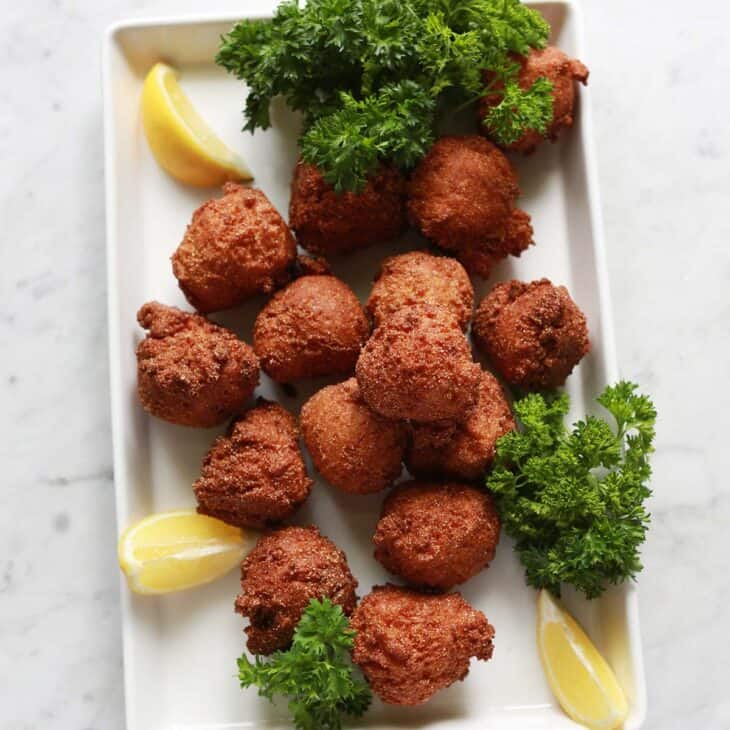
    If you’re interested in adding a homemade touch, you can pair this punch with Cajun appetizers like hush puppies—check out this step-by-step recipe for perfect bite-sized treats that go great alongside your punch.

    Non-Alcoholic Version (Virgin Hurricane Punch)

    If you want a family-friendly Virgin Hurricane Punch, it’s easy to swap out the rum for a tasty, alcohol-free alternative without losing that tropical vibe. Replace the light and dark rums with extra passion fruit juice or a combination of pineapple and orange juice to keep things vibrant.

    To keep the punch refreshing and lively, add a splash of club soda or ginger ale for some fizz. This also helps balance the sweet and tart flavors naturally. You might also want to adjust the sweetness by reducing grenadine or adding a touch of simple syrup, depending on your taste.

    This version is perfect for all ages and still captures the spirit of the classic New Orleans Mardi Gras punch with that iconic passion fruit flavor. It’s a great option for summer parties or gatherings where a non-alcoholic tropical party drink is needed.

    Tips for the Best Passion Fruit Hurricane Punch

    To get the perfect Passion Fruit Hurricane Punch, balancing sweetness and tartness is key. Passion fruit naturally brings a tangy zip, so adjust grenadine and juices carefully to avoid overpowering sweetness. Taste as you go to hit that classic sweet-tart mix that makes this Mardi Gras punch stand out.

    Make your batch rum cocktail ahead of time and chill it in the fridge for a few hours—this helps flavors meld beautifully. Just add ice right before serving to keep it from watering down too fast.

    Watch out for common mistakes:

    • Don’t overpour rum; it’s tempting but can kill the balance and overwhelm the punch.
    • Don’t skimp on ice—this cocktail is best served cold and refreshing.
    • Using fresh lime juice instead of bottled makes a noticeable difference.

    For food, Passion Fruit Hurricane Punch pairs fantastically with bold Cajun appetizers, seafood dishes, or grilled items. Think spicy jambalaya, crispy fried shrimp, or grilled chicken—these flavors complement the tropical fruit punch alcoholic vibe perfectly.

    For a fun twist on apps, try these with a zesty coleslaw side—similar to something like this coleslaw recipe to cut through the sweetness and add freshness.

    Variations and Twists for Passion Fruit Hurricane Punch

    You can easily switch up the classic Passion Fruit Hurricane Punch with a few fun variations to keep your tropical party drink exciting.

    • Single-Serve Hurricane Cocktail: Instead of batch rum cocktails, mix up a single glass with the same proportions for a fresh, perfectly balanced drink every time. This is great for parties where guests want personalized pours.

    • Add Pineapple or Other Tropical Fruits: Boost the tropical vibe by blending in pineapple juice or muddled mango and guava. These fruits complement the passion fruit rum punch beautifully, adding natural sweetness and extra layers of flavor.

    • Frozen or Slushy Hurricane: Blend the punch with ice to create a frozen slushy version—perfect for hot summer days or a Mardi Gras-themed party. This twist makes the drink refreshing and fun while preserving the iconic sweet-tart balance.

    • Modern Twists with Almond Extract: Give a nod to the original Hurricane cocktail by adding just a drop of almond extract. It enhances the complexity and aroma without overpowering the passion fruit juice cocktail’s tropical notes.

    These simple swaps and twists make the Passion Fruit Hurricane Punch adaptable for every taste and occasion, whether you want a traditional New Orleans Hurricane or a unique seasonal take. For other great rum-based drinks, check out this Paper Plane cocktail recipe.

    Frequently Asked Questions about Passion Fruit Hurricane Punch

    What can I use if I can’t find passion fruit juice?

    If passion fruit juice is hard to find, you can substitute with a mix of mango and pineapple juice to mimic the tropical sweetness and tartness. Another option is passion fruit puree or concentrate, which often works well when diluted. For a quick fix, passion fruit syrup can also do the trick, especially in a grenadine rum punch style.

    How strong is this punch?

    The Passion Fruit Hurricane Punch typically balances light and dark rums, making it moderately strong—perfect for a batch rum cocktail. It usually clocks around 15-20% ABV, but you can adjust the rum amounts to suit your crowd. Remember, it’s easy to overpour rum in punches, so measure carefully to keep that tropical party drink enjoyable.

    Can I make it ahead for a party?

    Yes, this punch is ideal for prepping in advance. Mix all the juices and rums together, chill in the fridge, and add ice plus the grenadine drizzle just before serving to keep the signature sunset look. Prep-ahead helps the flavors meld well—just store it in an airtight container up to 24 hours before your Mardi Gras punch celebration.

    What’s the difference between Hurricane punch and regular fruit punch?

    Unlike regular fruit punch which is often sweeter and non-alcoholic, the Hurricane punch stands out due to its blend of light and dark rum with passion fruit juice, creating a distinct balance of sweet and tart flavors. The use of grenadine for color and tropical juices like orange and lime adds complexity, making it a classic New Orleans Hurricane cocktail rather than just a simple fruit punch. For a similar bright and fruity vibe with tequila, you might want to check out a Tequila Sunrise cocktail recipe as another tropical party drink option.

  • The Role of Ice in Cocktail Preparation for Perfect Chill and Dilution

    The Role of Ice in Cocktail Preparation for Perfect Chill and Dilution

    The Science Behind Ice in Cocktails

    Ever wonder why your perfectly mixed cocktail sometimes tastes off when the ice melts too fast—or not enough? Here’s the truth: ice chills drinks by melting, and there’s no real chilling without a bit of dilution. That’s the first key to mastering your cocktail game.

    Why Dilution Matters

    Controlled dilution isn’t just about watering down your booze. It’s essential for:

    • Softening harsh alcohol notes, making your drink smoother and easier to sip.
    • Integrating flavors so every ingredient blends beautifully.
    • Opening aromas that transform the cocktail’s character as you drink it.

    Aim for around 15-25% water content in the finished cocktail—yes, that’s normal and needed to elevate your drink, not ruin it.

    What Controls Ice Melt Rate?

    Not all ice melts equally. The melt rate depends on:

    • Surface area: More surface means faster melt. Crushed ice chills quicker but dilutes faster.
    • Size and shape: Large cubes or spheres melt slowly, ideal for spirit-forward sips.
    • Temperature: Ice straight from a freezer freezes harder and lasts longer.
    • Quality: Clear, pure ice melts slower and tastes cleaner compared to cloudy or impure ice.

    Busting Ice Myths

    • Myth: Dilution ruins cocktails. Nope! A good cocktail always needs the right water content.
    • Myth: More ice means less dilution. Actually, more ice surface speeds up melting—so pick the right type for your drink.

    Understanding these basics lets you control your cocktail’s temperature and flavor balance, making every sip just right. Next, we’ll talk about the best types of ice to use depending on your drink style.

    Types of Ice and Their Characteristics

    Ice plays a huge role in cocktail preparation, and different types of cocktail ice serve specific purposes. Here’s a quick guide to the most common ice types and what makes them stand out:

    Ice Type Size/Shape Key Traits Best Use
    Standard Cubes 1–1.5 inches Versatile, easy to make, moderate melt rate Shaking, stirring, general use
    Large Cubes/Blocks 2+ inches Slow melting, minimal dilution Spirit-forward cocktails
    Ice Spheres Round, ~2 inches Lowest surface-to-volume ratio, slow dilution Elegant serve, preserves strength
    Crushed/Pebble Ice Small fragments Fast chilling, high dilution, textured Refreshing drinks, swizzles, mojitos
    Collins Spears/Shards Long, thin pieces Fits tall glasses, cools without quick melt Highballs, tall mixed drinks
    Clear vs. Cloudy Ice Clear or opaque cubes Clear ice = pure, slow-melting, visually appealing Enhances flavor neutrality, presentation

    What’s the difference between clear and cloudy ice?

    Clear ice is prized in mixology because it’s made from pure, filtered water with fewer air bubbles and impurities. It melts slower, ensuring your drink stays colder longer without watering down. It also looks cleaner and more professional. On the other hand, cloudy ice is the result of trapped air and minerals but still works fine for speedy chilling where ice quality isn’t the main priority.

    Why pick one over the other?

    • Spirit-forward drinks like an Old Fashioned benefit most from large cubes or spheres made of clear ice to keep the dilution in check.
    • Fruity, refreshing cocktails often call for crushed or pebble ice, which chills quickly and gives a lively mouthfeel.
    • Tall cocktails and highballs do well with collins spears or shards to maintain chill without watering down too fast.

    Choosing the right ice is about balancing chill, dilution, and presentation—all essential parts of cocktail dilution control.

    For a refreshing twist with crushed ice, check out our recipe for a watermelon mint cooler that uses pebble ice for an extra chill!

    Using the proper type of ice not only affects how your drink tastes but also how it looks and feels in the glass.

    How Different Ice Types Affect Specific Cocktails

    Using the right ice type can make or break a cocktail. Different styles call for ice that controls dilution, chill speed, and texture to suit their unique profiles.

    Cocktail Type Ice Type Why It Works Examples
    Shaken Cocktails Standard or cracked cubes Aeration and balanced dilution for freshness Daiquiri, Margarita
    Stirred Cocktails Large clear cubes Slow melt for silky texture and controlled chill Martini, Manhattan (classic Manhattan)
    On the Rocks Single large cube or sphere Preserves strength by minimizing dilution Old Fashioned (Old Fashioned cocktail), Negroni
    Crushed Ice Classics Crushed or pebble ice Rapid chilling and frosty mouthfeel Mint Julep, Mojito, Swizzle
    Built Drinks Full glass of cubes or spears Maintains temperature without watering down quickly Gin & Tonic, Highballs

    Key Points

    • Shaken drinks benefit from ice that breaks down evenly, blending flavors without watering them out.
    • Stirred cocktails demand slow dilution, so large, clear cubes are preferred to maintain smoothness and aroma.
    • Spirit-forward drinks on the rocks need minimal melt; a single large cube or sphere is perfect to keep the drink cold and strong.
    • Crushed ice cools quickly and adds texture, great for refreshing cocktails.
    • Built drinks require enough ice to keep temperature steady over time without early dilution.

    Selecting the right ice is essential to controlling cocktail dilution and preserving the intended balance of your drink.

    Making and Handling Quality Ice at Home

    Clear ice matters because it melts slower and doesn’t affect your cocktail’s flavor. To get crystal-clear ice at home, try directional freezing—this means freezing water slowly from one direction using insulated molds or even double-boiling your water before freezing to reduce impurities and trapped air. These simple techniques improve the clarity and purity of your ice, which is key for maintaining the balance in your drinks.

    Essential tools for great cocktail ice include silicone molds for shaping cubes and spheres, Lewis bags for easy crushing, and ice picks if you want to chip away at large blocks. Always store ice in a clean, sealed container to keep it fresh and avoid picking up any freezer odors that can ruin your drink’s aroma.

    For best results:

    • Use fresh, dry ice whenever possible—wet or old ice waters down cocktails faster.
    • Fill shakers and glasses generously with ice to chill efficiently.
    • Pre-chill your glassware and tools to keep drinks colder longer without extra dilution.

    These simple practices help control cocktail dilution and improve overall chilling, making your homemade ice just as effective as the ice you get at bars. For more insight on cocktail chilling techniques and recipes, check out this detailed step-by-step guide to homemade cocktail making.

    Advanced Considerations and Trends in Cocktail Ice

    When it comes to cocktail ice, presentation is becoming just as important as function. Branded, flavored, or sculpted ice cubes add a visual wow factor that elevates the drinking experience. These custom ice options not only impress guests but can subtly enhance the drink’s profile by infusing delicate flavors or aromas.

    Sustainability and quality are trending now more than ever. Using pure water sourced thoughtfully ensures clear ice free of impurities, which means a cleaner taste and better overall cocktail dilution control. Avoiding tap water with minerals or chemicals can help preserve the drink’s integrity and highlight the spirit’s true character.

    Beware of common mistakes like under-icing, which leads to uneven chilling and quick warming; using wet or old ice, which alters flavors and speeds up dilution; or mixing ice types that melt at different rates, causing an unpredictable cocktail balance. Paying attention to these details ensures every drink tastes just right without being watered down.

    For recipes emphasizing balanced dilution and layering flavors, like the well-crafted Amaretto Sour, mastering such advanced ice techniques can make all the difference.

    In short, staying mindful of ice quality, presentation, and appropriate use keeps you ahead of cocktail trends while delivering a consistently great drink.

  • Salted Caramel Syrup

    Salted Caramel Syrup

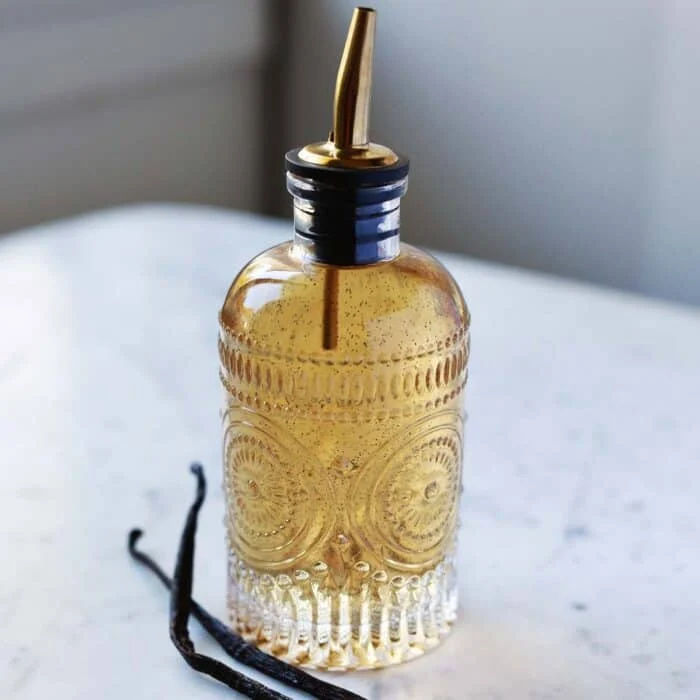
    This is a Starbucks copycat recipe for their salted caramel syrup. This is a thinner simple syrup, perfect for mixing into coffee or other beverages; not a thick caramel syrup for topping ice cream or other desserts. If you are in need of a homemade salted caramel syrup for your morning coffee, a latte, a mocha or even to mix into a cocktail this is it!

    This is the easiest homemade salted caramel syrup recipe you will find! I’ll show you how to use store-bought caramel sauce or caramel topping to make this simple syrup. If you prefer to make your own caramel sauce before beginning the recipe below feel free, but it’s not necessary for success.

    Ingredients

    • Granulated white sugar
    • Water
    • Caramel sauce / topping
    • Sea salt

    How to make Salted Caramel Syrup

    In a small pan, combine the sugar and water. On medium heat, simmer together and stir until sugar is fully dissolved and there are no grains. Then stir in the caramel sauce, whisking until full dissolved.

    Remove from heat and immediately stir in the salt.

    Let cool and pour into an airtight container in the fridge.

    Notes for Success

    • Do not boil simple syrup for more than the time it takes to dissolve. It you overcook your syrup it will eventually become caramel. We are aiming for caramel simple syrup, not caramel.
    • I recommend using sea salt for this recipe. It elevates it. Plus flaky sea salt is great for topping baked goods and many other uses. It’s worth it!
  • Low-Calorie Drink Options for Health-Conscious Sippers and Recipes

    Low-Calorie Drink Options for Health-Conscious Sippers and Recipes

    Understanding Calorie Impact in Beverages

    Beverages often play a surprisingly large role in our daily calorie intake. Many of us focus on food choices but overlook how drinks can add hundreds of extra calories without much nutrition. For health-conscious sippers, understanding this impact is the first step toward making better, low-calorie choices.

    Common High-Calorie Drink Categories

    • Sugary sodas: Packed with added sugars, these drinks can contain 150-200 calories or more per serving, contributing to weight gain and increased health risks.
    • High-alcohol cocktails: Cocktails like margaritas or creamy concoctions often combine high-calorie spirits with sugary mixers, easily leading to 200+ calories per glass.
    • Creamy drinks: Beverages like frappes, lattes with heavy cream, or milkshakes typically include extra fats and sugars, significantly boosting calorie counts.

    Why Low-Calorie Alternatives Matter

    Choosing low-calorie drinks helps manage weight and supports overall wellness by reducing empty calorie consumption. These healthier options improve hydration without the spike in sugar or fat intake, aiding metabolism and energy levels. For anyone aiming for diet-friendly drink alternatives, prioritizing low-calorie beverages is a smart, sustainable approach to better health.

    Key Components to Look for in Low-Calorie Beverages

    When choosing low-calorie drink options, it’s important to pay attention to what’s inside. Avoid ingredients like added sugars, syrups, heavy cream, and high-alcohol content, as these can quickly boost the calorie count and reduce the health benefits. Many popular drinks sneak in hidden sugars, which add empty calories and stall weight loss efforts.

    Instead, look for natural low-calorie sweeteners and flavor enhancers that keep drinks tasty without guilt. Options like stevia, fresh herbs (mint, basil), and citrus slices add a refreshing kick with minimal calories. These ingredients not only improve flavor but also offer some added nutrients and antioxidants.

    Hydration should always be a top priority when selecting beverages. Drinking plenty of fluids supports metabolism and overall wellness. Opt for drinks that contribute to your daily fluid intake while providing extra nutrients when possible. Herbal teas, infused waters, and seltzers with natural flavoring are great choices that combine hydration with health benefits.

    For inspiration on using fresh ingredients in your drinks, check out this guide on fresh herb-infused olive oil at home — it shows how natural herbs can enhance flavor simply and effectively.

    Popular Low-Calorie Beverage Categories for Health-Conscious Sippers

    If you’re aiming for healthy drinks for weight loss or just want sugar-free beverage options, here are some popular low-calorie drink categories to keep on your radar.

    Beverage Type Highlights Tips & Info
    Infused Waters Fruit + herb combos like cucumber-mint or lemon-rosemary add flavor without calories. Try making your own with fresh ingredients for a refreshing, hydrating drink. Check out this refreshing watermelon mint cooler for inspiration.
    Herbal Teas & Green Tea Almost calorie-free, packed with antioxidants and metabolism boosters. Brew loose leaves or tea bags; avoid sugar or cream to keep calories low. Green tea iced drinks are popular low-calorie iced tea recipes.
    Sparkling Waters & Seltzers Flavored or plain, these bubbly drinks offer hydration with zero to very few calories. Watch out for added sugars in some commercial flavored versions. Choose brands known for natural flavoring and no sweeteners.
    Light & Low-Calorie Cocktails Use spirits with low calories like vodka, gin, or tequila, mixed with soda water and fresh citrus. DIY recipes can cut hidden sugars—try a skinny mojito or citrus spritz to keep it light.
    Mocktails Alcohol-free, low-calorie drinks using fresh juices, herbs, and soda water for flavor. Great as a refreshing alternative for mindful sipping and social occasions.
    Coffee & Tea Variations Keep it simple with black coffee or tea, add spices like cinnamon or a splash of almond milk instead of cream and sugar. Avoid syrups and heavy cream to maintain a diet-friendly drink alternative.

    These categories let health-conscious sippers enjoy flavorful, hydrating drinks without the calorie overload. For creamy, indulgent drink lovers, it’s easy to swap heavy ingredients for natural flavorings—learn more about making creamy homemade drinks with fewer calories here.

    Choosing from these options helps balance hydration and flavor while staying aligned with your health goals.

    How to Make Low-Calorie Drinks More Enjoyable

    Low-calorie drink recipes don’t have to be boring or bland. Here are some simple ways to boost flavor without adding extra calories:

    • Use spices and citrus zest: Adding cinnamon, nutmeg, or a pinch of cayenne can bring warmth and complexity. Fresh lemon, lime, or orange zest adds bright, natural flavors that lift any drink.
    • Fresh over packaged mixes: Avoid premade syrups or powdered drink mixes—they often hide sugars and artificial ingredients. Instead, opt for fresh herbs like mint, basil, or rosemary, which add taste and aroma without calories.
    • Get creative with herbs and fruits: Infused waters and teas are easier to enjoy when you experiment with combinations like cucumber-mint or strawberry-basil. These natural enhancers keep your drinks refreshing and flavorful.
    • Pair with healthy snacks: Balanced sipping pairs well with light snacks such as almonds, sliced veggies, or air-popped popcorn. This combo supports your weight loss goals while keeping you satisfied.

    If you want a delicious twist on classic cocktails, try out inspired recipes like the Citrus Basil Smash for a fresh, low-calorie option that’s easy to make at home. This approach ensures your low-calorie beverages stay exciting, helping you stick with healthy drink habits over time.

    Popular Low-Calorie Alcohol Options

    Choosing the right alcoholic drinks can help keep your calorie intake low while still enjoying a tasty beverage. Here’s a quick guide on popular low-calorie options for health-conscious sippers:

    Spirit Approx. Calories per 1.5 oz Notes
    Vodka 96 Neutral flavor, mixes well
    Gin 97 Herbal notes, good for cocktails
    Tequila 96 Best sipped neat or with lime
    Light Rum 97 Lighter than dark rums

    Avoid Sugary Liqueurs or Mixers

    Many liqueurs and cocktail mixers contain added sugars that significantly increase calories. Skip ingredients like triple sec, sweetened syrups, or sugary sodas. Instead, choose:

    • Soda water or sparkling water
    • Fresh citrus juice (limestone or lime)
    • Natural low-calorie sweeteners like stevia

    Low-Calorie Alcoholic Drink Ideas

    Here are a few easy recipes to enjoy without the extra calories:

    • Skinny Mojito: Mix white rum, fresh lime juice, mint leaves, soda water, and a touch of stevia.
    • Tequila with Fresh Lime: Simple, refreshing, and low in calories.
    • Vodka Soda: Vodka with plain soda water and a lemon wedge.

    For more creative low-calorie cocktails, you might find helpful tips in this homemade Bloody Mary recipe, which uses fresh ingredients to keep calories down.

    Hydration is Key

    Remember, alcohol can dehydrate you, so balance your drinks with plenty of water. Alternate alcoholic beverages with hydrating low-calorie drinks like infused waters or herbal teas to maintain overall wellness while sipping sensibly.

    Benefits Beyond Calories

    Choosing low-calorie drink options isn’t just about cutting calories—it’s about boosting overall health. Here’s how hydration and natural ingredients in these beverages can support your wellness journey:

    Hydration’s Role in Health, Metabolism, and Energy

    • Improves digestion by aiding nutrient absorption
    • Boosts metabolism for better calorie burn
    • Enhances energy levels and focus throughout the day
    • Supports skin health and detoxification

    Staying hydrated with low-calorie drinks like infused waters or herbal teas helps maintain these benefits without added sugars or empty calories.

    Antioxidants and Nutrients in Healthy Drinks

    Many herbal teas, green teas, and infused waters provide antioxidants and essential nutrients that protect cells and support immune health.

    Beverage Type Key Nutrients & Benefits
    Green Tea Catechins, boosts metabolism, anti-inflammatory
    Herbal Tea Vitamins, antioxidants, calming effects
    Infused Water Vitamins C & A (from fruits/herbs), hydration
    Natural Mixers Fresh herbs (mint, basil) add antioxidants

    These healthy beverage substitutions contribute more than just hydration—they deliver natural wellness support.

    Mental Wellness Through Mindful Sipping

    Taking time to enjoy a low-calorie, flavorful drink can improve focus and reduce stress. Mindful sipping slows you down, encourages relaxation, and promotes healthier drinking habits. Whether you’re savoring a low-calorie iced tea recipe or a refreshing mocktail, this practice supports mental well-being while managing calorie intake.

    For creative ideas on flavorful and healthy options, check out this step-by-step guide to homemade infused waters.

    Common Myths and Misconceptions About Low-Calorie Drinks

    There are plenty of myths around low-calorie drinks that can mislead health-conscious sippers. One common misconception is that all diet sodas are healthy choices. While they often have fewer calories, many contain artificial sweeteners and additives that may not support overall wellness if consumed in excess. So, low-calorie doesn’t always mean healthy—quality matters just as much as calorie count.

    It’s also important to remember that moderation is key. Drinking low-calorie options mindfully helps avoid overconsumption and keeps your beverage choices balanced alongside a nutritious diet. Whether opting for sugar-free beverage options or light and refreshing mocktails, focusing on natural ingredients and minimal processing makes a big difference in health benefits.

    For those interested in learning more about carefully crafted light cocktails, exploring recipes like a classic Manhattan drink can offer insight into keeping calories low without sacrificing flavor. Mindful drinking, paired with smart beverage substitutions, helps ensure your drinks support your wellness goals without falling for common low-calorie myths.

    Shopping Guide: Choosing the Best Low-Calorie Beverages at Local Stores

    When you’re on the hunt for low-calorie drink recipes or ready-made options, the first thing to do is read labels carefully. Check for calorie counts per serving and watch out for hidden sugars, syrups, or artificial sweeteners that can sneak in extra calories. Understanding the nutrition facts is key to making smart, healthy beverage substitutions.

    Next, opt for fresh, organic, and natural options whenever possible. Drinks made from whole fruits, natural herbs, or unprocessed ingredients usually contain fewer additives and more nutrients. Fresh ingredients also deliver authentic flavors without excess calories.

    When it comes to brands and product types, focus on neutral and brand-agnostic choices like sparkling waters without added sugars, unsweetened herbal teas, and naturally flavored infusions. Look for popular healthy seltzer water brands that maintain quality and minimal calories. This way, you can avoid gimmicky products marketed as “low-calorie” but packed with artificial additives.

    To locate quality low-calorie beverages in local markets and online, explore sections dedicated to organic or natural products. Specialty health food stores often stock a wider variety of sugar-free beverage options and hydrating drinks with low calories. Online shops can also be great resources when you’re after unique or DIY-friendly ingredients for homemade infused water ideas and light and refreshing mocktails.

    For those interested in making light cocktails at home, you might enjoy recipes similar to a bold Dark ‘n Stormy with fresh ingredients, which combines simple, fresh components to keep calories low while delivering great taste.

    By sticking to these tips, you can confidently shop for diet-friendly drink alternatives that satisfy both your taste buds and wellness goals.

    Quick and Easy Low-Calorie Beverage Recipes

    Here are five simple, refreshing low-calorie drink recipes perfect for health-conscious sippers. These drinks are easy to make, use natural ingredients, and keep the calorie count low while boosting hydration and flavor.

    1. Citrus-Herb Infused Water

    • Ingredients: Slices of lemon, lime, orange, a few sprigs of fresh mint and rosemary, cold water
    • Instructions: Combine all ingredients in a pitcher, refrigerate for 2-4 hours, then serve chilled.
    • Benefits: This naturally flavored water is perfect for hydration without added sugars, offering a fresh twist to your regular water routine.

    2. Skinny Mojito

    • Ingredients: Fresh lime juice, mint leaves, soda water, a splash of light rum (optional), ice
    • Instructions: Muddle mint leaves with lime juice, add ice and rum, top with soda water. Stir gently.
    • Calories: Around 100 calories per serving when made without sugar or syrup.
    • Tip: Use natural sweeteners like stevia if extra sweetness is needed.

    3. Low-Calorie Iced Green Tea

    • Ingredients: Brewed green tea (cooled), a squeeze of lemon, fresh mint, ice
    • Instructions: Brew green tea, chill, then add lemon and mint before serving over ice. No sugar needed!
    • Why: Rich in antioxidants, this drink aids hydration and supports metabolism with virtually no calories.

    4. Ginger-Lemon Sparkling Refresher

    • Ingredients: Fresh grated ginger, lemon juice, sparkling water, ice
    • Instructions: Mix lemon juice and grated ginger with sparkling water, add ice, and stir well.
    • Flavor boost: Add a few slices of cucumber or fresh herbs like basil for extra zest without added sugars.

    5. Alcohol-Free Berry Mocktail

    • Ingredients: Mixed berry puree (strawberries, raspberries, blueberries), lime juice, sparkling water, ice
    • Instructions: Blend berries into a puree, mix with lime juice and sparkling water, serve with ice.
    • Perfect for: Those wanting a light, alcohol-free option that’s full of flavor but low on calories.

    For more inspiration on healthy drink ideas that align low-calorie goals, checking out recipes like this flavorful 7-layer salad can pair wonderfully with your drinks. Try combining these drinks with healthy snacks to create balanced, diet-friendly drink alternatives that support your wellness journey.

  • Cultural Influences Shaping Global Cocktail Trends in 2026

    Cultural Influences Shaping Global Cocktail Trends in 2026

    Historical Foundations of Cocktail Culture

    Ever wondered how global cocktail trends took shape? It all starts centuries ago with colonial trade routes and the birth of punch—a British legacy blending spirits, spices, and citrus in big, shareable bowls. These early mixed drinks were more than just refreshments; they were social glue, drawing people together across continents.

    Fast forward to the Prohibition era in the U.S. When alcohol went underground, creativity soared. Speakeasies pushed American classics like the Whiskey Sour and the Gin Fizz into the limelight, setting a foundation for global mixology trends. These drinks didn’t just survive Prohibition—they thrived and spread internationally.

    After World War II, the post-war Tiki culture exploded, fueled by a fascination with Polynesian escapism. Exotic rum-based cocktails, adorned with tropical fruits and flamboyant garnishes, offered a flavorful escape from the everyday. This era elevated rum’s status and introduced the world to a whole new tropical legacy.

    Then came the craft cocktail revival in the 2000s—a game changer in global cocktail culture. Bartenders started to embrace rare and global ingredients, focusing on quality, authenticity, and storytelling. This movement moved beyond just shaking and stirring; it celebrated heritage spirits and cross-cultural flavors, setting the stage for the diverse, inclusive cocktail scene we enjoy today.

    The roots of global mixology trends run deep, from British punches and Prohibition classics to Tiki’s tropical flair and the modern craft revival. Each wave added layers, blending history with innovation and culture with creativity—fueling today’s rich, worldwide cocktail landscape.

    Key Cultural Influences Shaping Modern Trends

    When it comes to global cocktail trends, cultural roots play a huge role in shaping what’s popular today. Latin America, for instance, leads with agave spirits. Mexico’s tequila and mezcal are staples in classics like Margaritas and Palomas—with many bartenders now exploring smoky mezcal variations to add depth and complexity. For a taste of Brazil, cachaça shines in Caipirinhas, which blend tropical flavors seamlessly. Further south, Peru and Chile’s pisco stars in the iconic Pisco Sour, prized for its bright citrus and frothy charm.

    Asia brings both subtle and bold aromatics to global mixology. Japan’s precise highballs showcase yuzu and sake, creating cocktails with clean, refreshing layers. Thailand’s herbal drinks often feature lemongrass and pandan, adding unique, fragrant notes. India’s spices like cardamom and chai inspire modern twists, layering complexity and warmth.

    Europe keeps the tradition alive with its refined aperitivo culture and herbal influences. Italy’s Aperol Spritz remains a worldwide favorite for its balance of bitterness and brightness, while France contributes with its aromatic cognac and chartreuse infusions plus fresh Riviera-style cocktails. Spain and Portugal offer simple, refreshing options like sangria and the port-tonic, highlighting regional wines and spirits.

    From the Caribbean and Polynesia, rum-based classics still command attention. Cuba’s Mojito and Daiquiri offer crisp and lively profiles, while Puerto Rico’s Piña Colada is a tropical staple. The modern Tiki revival brings exotic fruits and spices back to bar menus, celebrating these lush island flavors.

    Emerging influences are gaining momentum too. Africa introduces rooibos for earthy, herbal tones. Korea’s soju is rising in international bars, prized for its smoothness and mixability. Meanwhile, Nordic bartenders embrace hyper-local foraging, incorporating native herbs and berries, pushing sustainability and regional storytelling.

    For those curious about Mexican agave cocktails, try exploring creative ideas like a spicy twist on the classic Margarita or the smoky mezcal Paloma, both great examples of how regional spirits influence modern mixology trends. For example, you might enjoy discovering a smoky mezcal variation to elevate your Paloma experience.

    Explore smoky mezcal Paloma recipes or a spicy jalapeño Margarita variation to see these traditions in action.

    These rich, diverse cultural influences continue to drive creative, cross-cultural cocktails worldwide, blending heritage with innovation.

    Contemporary Global Trends Driven by Culture

    Today’s global cocktail trends are all about cultural fusion and creativity. Cross-cultural cocktails—like yuzu Margaritas blending Japanese citrus with a Latin American classic, or Thai basil Gimlets that add herbal depth—showcase how mixologists are mixing international flavors in exciting ways. These fusion cocktail recipes highlight global flavor infusions by combining distinctive regional spirits and exotic ingredients, sparking fresh interest in global mixology trends.

    Culinary crossover has become another key influence, with bartenders drawing on savory, herbaceous, and even functional ingredients inspired by world cuisines. From spices to botanicals, cocktails today often feel like mini cultural experiences on the palate. This culinary influence pushes innovation beyond sweet and sour, embracing more complex, layered drinks.

    Sustainability and authenticity also drive modern mixology. There’s a growing respect for provenance—using regional spirits and ingredients sourced responsibly—so drinks reflect true cultural heritage. This approach appeals to customers who value heritage spirits trends and want genuine flavors in every glass.

    Finally, bars are transforming into immersive cultural storytelling venues. The best cocktail spots now offer more than just drinks; they create atmospheres that celebrate traditions and regional identities, turning every sip into a journey. This elevates the role of bartenders as cultural ambassadors who connect people through international cocktail flavors.

    For those exploring refreshing cultural blends, you might enjoy the bright zest of a homemade Margarita or the herbal lift of a citrus basil smash, ideal for bringing global mixology into your own home bar. Check out recipes for a homemade Margarita mix or a Citrus Basil Smash for evenings to start experimenting.

    The Future of Culturally Influenced Cocktails

    Looking ahead to 2026-2026, the world of cocktails will strongly lean into hyper-local vs. global blends. Bartenders and mixologists are increasingly sourcing ingredients from nearby farms, forests, and artisan producers, bringing a deep sense of place to each drink. At the same time, global flavor infusions will keep expanding, creating fusion cocktails that merge far-flung traditions—think local herbs paired with exotic spirits for fresh, unexpected profiles.

    Wellness trends will continue shaping cocktails, with more drinks incorporating functional ingredients like adaptogens, herbs, and low- or no-alcohol bases to appeal to health-conscious consumers. Sensory innovations will also grow, focusing on aroma, texture, and visual appeal—turning cocktails into fuller, immersive experiences that engage all the senses.

    Bartenders will play a crucial role as cultural ambassadors, sharing the stories behind regional spirits and ingredients while respecting their origins. Their expertise will bridge traditional practices with modern creativity, helping preserve heritage spirits trends and celebrating international cocktail flavors authentically.

    The main challenge remains balancing innovation with cultural respect. It’s vital for bartenders and brands to avoid cultural appropriation by honoring the traditions behind ingredients and drinks rather than simply capitalizing on trends. This respect not only preserves authenticity but enriches global mixology trends with genuine cultural depth.

    For a taste of classic balance alongside innovation, exploring recipes like the Classic Manhattan with Perfect Balance offers insight into how tradition and creativity can coexist beautifully.

    Bonus: Signature Cocktails from Around the World

    Here’s a curated list of iconic cocktails that showcase cultural influences and global mixology trends. Each drink tells a story through its regional spirits and flavors, making these recipes perfect for anyone interested in cross-cultural cocktails and world cocktail origins.

    1. Margarita (Mexico)

      Made with tequila, lime juice, and triple sec, this agave-based classic highlights Mexico’s vibrant spirit traditions. Try swapping lime for yuzu for a modern twist.

    2. Caipirinha (Brazil)

      Featuring cachaça, sugar, and lime, this tropical gem is Brazil’s national cocktail—refreshing and simple with a pure sugar-cane spirit base.

    3. Pisco Sour (Peru/Chile)

      A frothy cocktail using pisco, lime, egg white, and bitters, it’s famous for its balance of sour and sweet, representing Andean heritage.

    4. Japanese Highball

      Precision and purity shine with Japanese whisky and soda water, enhanced by subtle citrus like yuzu. A perfect example of Asian ingredients in mixology.

    5. Mojito (Cuba)

      Rum, fresh mint, lime, sugar, and soda combine for a refreshing Cuban classic that highlights Caribbean and Polynesian rum legacies.

    6. Aperol Spritz (Italy)

      Known for its vibrant orange hue and bitter-sweet profile, this aperitivo is all about Italian herbal traditions that have shaped modern global cocktail flavors.

    7. Piña Colada (Puerto Rico)

      With rum, coconut cream, and pineapple juice, it embodies the tropical and fruity tiki culture revival, a favorite for island escapism.

    8. Sangria (Spain)

      A simple blend of wine, fruit, and brandy, it perfectly captures Iberian roots and laid-back cultural fusion drinks.

    9. Chartreuse Swizzle (France)

      Featuring the iconic herbal liqueur Chartreuse, this drink offers complexity and depth, reflecting France’s refined cocktail heritage.

    10. Soju Sour (Korea)

      A modern twist on the classic sour, incorporating soju and citrus, this drink represents rising influences from Asia in global cocktail scenes.

    11. Rooibos Old Fashioned (South Africa)

      Infusing local rooibos tea with bourbon or whiskey, this cocktail highlights emerging African ingredients cocktails with a sustainable focus.

    12. Thai Basil Gimlet (Thailand)

      Using fresh Thai basil and lemongrass, this herbaceous cocktail is an excellent example of culinary crossover and cross-cultural fusion cocktails.

    For those interested in seasonal twists and cocktail variations, try the refreshing and zesty Citrus Basil Smash recipe, which taps into herbaceous global flavor infusions.

    This lineup reflects the immense diversity and rich heritage in international cocktail flavors, perfect for anyone looking to explore heritage spirits trends and bartenders’ cultural inspirations through their glass.

  • How Bitters Enhance Drink Complexity and Flavor Balance

    How Bitters Enhance Drink Complexity and Flavor Balance

    What Are Cocktail Bitters?

    Cocktail bitters are a concentrated blend of botanicals, herbs, spices, and natural flavorings infused into a high-proof alcohol base. Think of bitters as the spice rack of the bar—just a few dashes can transform a drink from simple to unforgettable. They have a strong, bitter taste profile that might seem intense on their own but work wonders when balanced in cocktails.

    Bitters are known for adding depth in drinks by enhancing flavor balance and bringing out hidden notes. They’re not just about bitterness; instead, they offer complex layers of aroma and flavor, acting like salt in cooking—subtle yet indispensable. Whether it’s a classic bottle of Angostura bitters or a citrus-forward orange bitters, these tiny drops become essential flavors that elevate any cocktail.

    In essence, cocktail bitters are the unsung heroes in mixology essentials, quietly binding the ingredients together and adding a finishing touch that makes every sip more interesting and enjoyable.

    A Brief History of Bitters in Cocktails

    Cocktail bitters have been around for centuries, originally developed as medicinal tonics made from bark, roots, and herbs. In the early 1800s, bartenders started adding these bitter infusions to spirits to balance sweetness and add depth, marking bitters as an essential ingredient in classic cocktail recipes. Over time, bitters became a staple in drinks like the Old Fashioned and the Manhattan, where a few dashes transform simple mixes into complex, layered beverages.

    Bitters saw a dip in popularity in the mid-20th century but have since enjoyed a huge resurgence thanks to the modern craft mixology revival. Bartenders and enthusiasts worldwide now experiment with a wider range of aromatic bitters, citrus bitters, and specialty botanical infusions. This renaissance has brought bitters back into the spotlight, highlighting how crucial they are for achieving flavor balance and enhancing the overall drink complexity.

    For those interested in classic cocktails that show bitters’ impact perfectly, the Manhattan cocktail is a prime example, where aromatic bitters play a key role in its rich, smooth profile.

    How Bitters Enhance Drink Complexity

    Bitters play a crucial role in elevating the complexity of cocktails. Their bitterness adds an important layer to the flavor balance, preventing drinks from tasting too sweet or flat. By introducing lightly bitter notes, bitters create contrast, which makes every sip more interesting and satisfying.

    Key Ways Bitters Enhance Drinks

    Impact Description
    Bitterness and Balance Offsets sweetness and rounds out flavors to create harmony.
    Depth and Aroma Adds subtle herbal, spicy, or citrus notes that deepen the overall aroma and taste.
    Flavor Binding Acts like glue by blending diverse elements together, making the drink more cohesive.

    With vs. Without Bitters

    • Without bitters: Drinks can feel one-dimensional, overly sweet, or lacking in punch.
    • With bitters: Cocktails gain complexity, nuance, and a smooth finish that keeps the palate engaged.

    In fact, just a few dashes of bitters transform classic recipes by layering botanical infusions and aromatic spices that elevate simple spirits.

    If you want to explore how depth works in layered drinks, check out the detailed flavors in the Tropical Mai Tai with Layered Flavors — it’s a great example of balanced complexity.

    Bitters are truly a mixology essential, acting as the spice rack of the bar, ensuring each cocktail hits just the right note.

    Key Types of Bitters and Their Effects

    Bitters come in many varieties, each adding its own unique touch to drinks and shaping their flavor profiles. Here’s a quick look at the main types of cocktail bitters and what they bring to the glass:

    • Aromatic bitters

      These are the most common and recognizable bitters, packed with warm spices like cinnamon, clove, and cardamom. Aromatic bitters add a rich, spiced depth that enhances warmth and complexity, making them a staple in classics like the Old Fashioned.

    • Citrus and orange bitters

      Bright and zesty, these bitters deliver fresh citrus notes that cut through richness and add crispness to cocktails. Orange bitters especially work well to lighten heavier spirits, providing a subtle tangy lift and bright aroma.

    • Herbal and floral bitters

      Infused with botanicals like lavender, chamomile, or gentian root, herbal and floral bitters add delicate nuances and layers of complexity. These bitters are perfect when you want subtle bitterness paired with fresh, fragrant aromas.

    • Specialty bitters and modern twists

      The craft mixology movement has introduced bitters made with unique ingredients such as chili, chocolate, or coffee. These bitters allow bartenders to experiment with bold flavors, creating innovative drinks with unexpected pops.

    • Non-alcoholic bitters options

      A growing number of non-alcoholic bitters are on the market today, making it easier to enjoy the depth and flavor balance bitters provide without the alcohol content — perfect for mocktails and those avoiding alcohol.

    Using different types of bitters lets you tailor complexity, aroma, and bitterness to each drink, making them an essential part of your spice rack of the bar. For those experimenting with new flavors, trying citrus or specialty bitters can breathe exciting freshness into traditional recipes or new creations.

    If you’re looking to explore bitters beyond cocktails, check out creative recipes like this Winter Spiced Hot Toddy, where bitters add warmth and depth to a comforting drink.

    Classic Cocktails Showcasing Bitters’ Impact

    Bitters play a crucial role in many classic cocktails, adding layers of flavor and balance. Take the Old Fashioned, for example—its signature taste comes from a few dashes of aromatic bitters, which soften the sweetness and highlight the oak notes of the whiskey. If you want to dive deeper into this iconic drink, the detailed Old Fashioned cocktail recipe breaks down how bitters tie everything together.

    The Manhattan is another cocktail where bitters are key. Aromatic bitters bring warmth and spice, enhancing the rich, slightly sweet bourbon or rye foundation. This cocktail simply wouldn’t have its smooth, balanced profile without those essential dashes of bitters. For a comprehensive guide on crafting the perfect Manhattan, check out the classic Manhattan with perfect balance.

    Then there’s the Sazerac, famous for using Peychaud’s bitters, which offer a unique floral and anise aroma that sets it apart from others. This bitters choice adds a bright complexity that interacts beautifully with rye whiskey and absinthe, delivering a bold yet harmonious drink.

    Modern mixologists are also experimenting with bitters to reinvent cocktails, mixing specialty and citrus bitters for fresh twists or infusing herbal notes to create depth. Whether you’re sticking with classic recipes or trying new ones, bitters are an absolute game-changer for complexity and flavor balance in drinks.

    Practical Tips for Using Bitters

    When it comes to using cocktail bitters, a little goes a long way. Here are some practical tips to get the most out of your bitters and enhance your drinks effectively:

    Dosage Guidelines

    • Start with 1-2 dashes of bitters per cocktail—this is usually enough to add complexity without overpowering the drink.
    • Adjust gradually if you want more bitterness or depth, but avoid adding too much as it can become overpowering.

    Pairing Bitters with Spirits

    • Aromatic bitters work well with whiskey, bourbon, and rum, complementing their warm, spicy notes.
    • Citrus or orange bitters pair perfectly with gin and lighter spirits for a fresh, bright touch.
    • Herbal or floral bitters create nuance with vodka or tequila, adding layers of botanical flavor.
    • Specialty bitters can be matched with craft spirits or cocktails that need a unique twist.

    Experimentation Ideas

    • Try mixing different types of bitters in one cocktail to create your signature flavor profile.
    • Use bitters with homemade infusions or syrups (like vanilla extract) to deepen aroma—consider homemade flavor boosters in your bar routine for unique results.
    • Don’t hesitate to explore bitters in simple drinks like a sparkling water spritz or a mocktail to enhance complexity without alcohol.

    Storage and Shelf Life

    • Store bitters in a cool, dark place away from direct sunlight to preserve flavor and aroma.
    • Most bitters have a long shelf life (up to several years) due to their high alcohol content, but always check for any changes in smell or taste before use.

    By following these tips, you can confidently use cocktail bitters as mixology essentials to boost the flavor balance in your drinks, whether classic or modern.

    For ideas on enhancing your cocktail ingredients, you may also find this step-by-step guide to homemade extracts very useful.

    Beyond Cocktails: Bitters in Mocktails and Culinary Uses

    Bitters aren’t just for cocktails—they add a lot to zero-proof drinks and even food. In mocktails, a few dashes of bitters can bring the same depth and flavor balance you’d expect in classic cocktails. They introduce bitterness and complexity, which keeps non-alcoholic drinks from tasting flat or overly sweet. For example, adding aromatic or citrus bitters to a soda or lemonade creates a more layered, interesting beverage that feels adult and sophisticated.

    In the kitchen, bitters shine as subtle seasoning agents. Their botanical infusions—like herbs, spices, and citrus—can elevate sauces, marinades, and desserts. Dropping a few dashes of orange or herbal bitters into a salad dressing or chocolate recipe can enhance aroma and provide unexpected flavor twists. Bitters work especially well when you want to balance sweetness or richness without overpowering your dish.

    Experimenting with bitters beyond just cocktails is an easy way to add nuance and flavor balance to both drinks and food. Don’t be afraid to try them in your favorite mocktail recipes or as a unique ingredient in cooking. For inspiration, you might even explore creative blends like those found in specialty bitters designed for non-alcoholic use.

    For more creative drink ideas, check out this fun homemade Bloody Mary recipe that can be adapted with bitters to boost complexity without alcohol.

    FAQ Section: Common Questions About Bitters Usage and Types

    What are cocktail bitters?

    Cocktail bitters are concentrated botanical infusions, typically made by soaking herbs, spices, and fruits in alcohol. They add depth, balance, and complexity to drinks by introducing a bitter taste profile that enhances overall flavor.

    How much bitters should I use in a cocktail?

    Bitters are potent, so usually just a few dashes (2-4) are enough per drink. Start small and adjust to taste to avoid overpowering your cocktail. This helps with flavor balance in cocktails.

    Can bitters be used with any spirit?

    Bitters pair well with a wide range of spirits — whiskey, gin, rum, and even tequila. The key is matching the bitters’ flavor notes with the spirit to create harmony, like aromatic bitters with bourbon in an Old Fashioned.

    What are the main types of bitters?

    Aromatic bitters: Warm spices and herbs (e.g., Angostura bitters)
    Citrus/orange bitters: Bright, fresh zing
    Herbal/floral bitters: Subtle botanical layers
    Specialty bitters: Unique flavors like chocolate or cardamom
    Non-alcoholic bitters: Great for zero-proof or mocktail options

    Are there non-alcoholic bitters?

    Yes, non-alcoholic bitters are available for those avoiding alcohol but still wanting that complexity and depth in their drinks.

    How long do bitters last?

    Bitters have a long shelf life due to their alcohol content but should be stored in a cool, dark place. Properly stored bitters can last several years without losing potency.

    Can bitters be used in food recipes?

    Absolutely. Bitters can enhance sauces, marinades, and even salads. For creative kitchen ideas, check out recipes like the easy chicharron recipe that benefit from botanical infusions.

    Do bitters really improve classic cocktail recipes?

    Definitely. Drinks like the Manhattan, Sazerac, and Old Fashioned wouldn’t be the same without bitters. They tie flavors together and add that essential layer of complexity every great cocktail needs.

    If you want to explore how bitters transform flavors at home, experimenting with dashes in familiar cocktails is the best way to learn and develop your palate.

  • Lavender Honey Bees Knees Cocktail Recipe Easy Floral Gin Mix

    Lavender Honey Bees Knees Cocktail Recipe Easy Floral Gin Mix

    What Is a Bee’s Knees Cocktail?

    The Bee’s Knees cocktail is a charming gin sour that dates back to the 1920s, right in the heart of Prohibition. During that era, bartenders crafted this delightful drink to mask the harshness of low-quality gin, blending it with honey and fresh lemon juice to create a smooth, balanced sip. The classic Bee’s Knees cocktail recipe highlights the beautiful harmony between the botanicals in gin, the natural sweetness of honey, and the bright tartness of lemon.

    Honey is the perfect partner here—it adds rich sweetness without overpowering, while enhancing the citrus notes and softening the edges of the gin. This simple trio results in a refreshingly floral and citrusy cocktail that’s easy to love.

    Today, the Bee’s Knees has evolved with exciting twists, like the lavender honey bee’s knees cocktail. Adding lavender introduces subtle herbal and floral tones, elevating the classic gin lemon honey combination to a modern, sophisticated level. This variation adds depth and aroma, bringing a fresh burst of springtime elegance to a timeless Prohibition-era drink.

    Why Add Lavender to a Bee’s Knees?

    Lavender brings a fresh, floral twist to the classic Bee’s Knees cocktail. Its subtle herbal notes perfectly complement the natural sweetness of honey and the botanical complexity of gin. This creates a well-rounded flavor profile that feels both light and sophisticated.

    Using lavender honey syrup is key — it blends the tartness of lemon with floral sweetness and a fragrant aroma. This balance makes the cocktail smoother and more nuanced than just honey and lemon alone.

    Flavor Harmony at a Glance:

    Component Flavor Role
    Lavender Herbal, floral, slightly sweet
    Honey Natural sweetness, smooth texture
    Gin Botanical, slightly spicy
    Lemon juice Bright tartness, refreshing

    Choosing Culinary-Grade Lavender:

    • Fresh lavender: Use sparingly for a subtle, natural aroma.
    • Dried lavender: More concentrated, ideal for infusions and syrups.
    • Always select organic, food-safe lavender to avoid chemicals or pesticides.

    Lavender’s delicate taste and aroma help elevate this gin lemon honey cocktail, making it a standout floral gin sour perfect for spring and summer.

    Ingredients You’ll Need for a Lavender Honey Bee’s Knees Cocktail

    To craft one perfect Lavender Honey Bee’s Knees cocktail, here’s what you’ll need:

    • 2 oz Gin: Choose a London Dry gin for that classic juniper-forward profile or a botanical gin like Hendrick’s for extra floral and herbal notes that pair beautifully with lavender.
    • 3/4 oz Fresh lemon juice: Always fresh for that bright, natural tartness essential in a gin lemon honey cocktail.
    • 3/4 oz Lavender honey syrup: This brings the perfect balance of sweetness, floral aroma, and subtle herbal flavor. You can use store-bought lavender honey syrup, but homemade versions often pack more authentic flavor and freshness.
    • Optional garnishes: A lemon twist adds a zesty aroma and a fresh lavender sprig gives an elegant, Instagram-worthy touch.

    If you’re making a batch, simply multiply the quantities by the number of cocktails you want to serve. Using botanical gins enhances the herbal cocktail variations, making this a delightful summer gin drink perfect for garden parties or spring brunch cocktails.

    For a detailed guide on shaking and presentation, and some great tips on chilling glasses or double straining, check out similar classic gin cocktails like the Bramble cocktail recipe that use fresh citrus and balanced sweeteners.

    How to Make Lavender Honey Syrup

    Making your own lavender honey syrup is easier than you might think and adds a wonderful floral twist to your Bee’s Knees cocktail. Here’s a simple step-by-step guide to infusing honey with lavender:

    1. Gather ingredients: Use about 1 cup of honey and 1 tablespoon of dried culinary-grade lavender buds (fresh lavender can work too but use slightly more).
    2. Heat gently: Warm the honey in a small saucepan over low heat. Avoid boiling to preserve the honey’s natural flavors.
    3. Add lavender: Stir in the lavender buds, then remove the pan from heat.
    4. Infuse: Let the mixture steep for 20–30 minutes, depending on how strong you want the lavender flavor.
    5. Strain: Pour the syrup through a fine mesh sieve or cheesecloth to remove the lavender bits.
    6. Cool: Let it come to room temperature before using in drinks.

    Variations and Ratios

    • For a richer syrup, keep it pure honey infused with lavender (2:1 honey to water ratio).
    • If you prefer a thinner consistency closer to simple syrup, mix equal parts honey and water before heating along with lavender. This version is easier to pour and blends more smoothly in cocktails.

    Storage Tips

    • Store your lavender honey syrup in a clean, airtight jar or bottle.
    • It should keep well in the fridge for up to 2 weeks.
    • Always check for cloudiness or off smells to ensure freshness.

    Quick Alternatives

    If you’re short on time, use a lavender simple syrup with plain honey added separately for sweetness and body. This shortcut still delivers the signature floral notes without the longer infusion process.

    Making your own honey lavender syrup gives your lavender gin cocktail that fresh homemade quality and balanced aroma, perfect for a refined floral gin sour like the Bee’s Knees.

    Step-by-Step Recipe: Lavender Honey Bee’s Knees Cocktail

    Here’s how to whip up the perfect Lavender Honey Bee’s Knees cocktail, balancing floral notes with the classic gin sour base.

    Ingredients for one cocktail:

    • 2 oz London Dry or botanical gin (Hendrick’s works great)
    • 3/4 oz fresh lemon juice
    • 3/4 oz lavender honey syrup

    Instructions:

    1. Chill your glass: Place a coupe glass in the freezer or fill it with ice water to cool while you mix.
    2. Mix the cocktail: In a shaker, add the gin, lemon juice, and lavender honey syrup with plenty of ice.
    3. Shake well: Shake vigorously for about 15 seconds until well chilled.
    4. Double strain: Using both a cocktail strainer and a fine mesh sieve, pour the drink into your chilled coupe glass. This ensures a silky-smooth, pulp-free drink.
    5. Garnish: Add a lemon twist or a fresh lavender sprig for an elegant touch and aroma.

    Pro tips:

    • Adjust sweetness by tweaking the lavender honey syrup amount to your taste. Start with 3/4 oz, then add more if you prefer it sweeter.
    • Serve up, without ice, to keep the cocktail crisp and balanced, which is true to classic Bee’s Knees presentation.
    • For a longer batch, simply multiply the ingredients and mix in a pitcher with ice, then strain into individual glasses.

    Nutrition info (approximate):

    About 180 calories per cocktail, mostly from the honey syrup. Light, refreshing, and perfect for summer sipping.

    If you want to try similar refreshing floral cocktails, check out this easy Tequila Sunrise recipe for another bright, classic drink with a twist.

    Variations and Twists

    The Lavender Honey Bee’s Knees cocktail is super flexible, making it easy to tailor to your taste or occasion. For a non-alcoholic version, try using a gin alternative combined with a few dashes of bitters to keep that herbal complexity without the booze. It’s perfect for spring brunches or garden parties when you want something light and refreshing.

    If you want to add a fun twist, toss in fresh blueberries or a sprig of thyme for an extra layer of flavor. A splash of sparkling water can give it a lively fizz, turning this classic into a bubbly floral gin cocktail that’s ideal for warm afternoons.

    Looking to swap out the gin? Vodka works well if you’re after a cleaner, more neutral profile, while rum adds warmth and a hint of sweetness, creating a different but equally delightful drink. Seasonal riffs are also a great way to experiment—try infusing your honey syrup with chamomile or rose for subtle aromas that play nicely with the lemon and lavender.

    These tweaks keep the honey lavender syrup’s floral notes front and center while offering a fresh take on this timeless gin lemon honey cocktail. Whether you want to keep it simple or get creative, there’s plenty of room to explore your favorite flavors.

    Serving and Pairing Ideas

    The Lavender Honey Bee’s Knees cocktail is perfect for a variety of occasions. Whether you’re hosting a spring brunch, a garden party, or a cozy date night, this floral gin sour adds a refreshing, elegant touch. Its light, herbal notes make it ideal for warm weather and relaxed settings.

    For food pairings, stick to light and fresh flavors that complement the cocktail’s lemony sweetness and botanical complexity. Think:

    • Light appetizers like goat cheese crostini or smoked salmon bites
    • Soft cheeses such as brie or havarti
    • Fresh fruit salads with berries and citrus
    • Grilled seafood like shrimp or white fish

    Presentation matters if you want those Instagram-worthy drinks. Serve the Lavender Honey Bee’s Knees up in a chilled coupe glass, garnished with a lemon twist or a fresh sprig of lavender for that extra pop of color and aroma. A clean, classy look enhances both flavor and visual appeal.

    If you’re interested in pairing cocktails with snacks or other drink ideas for your next gathering, check out this natural fruit leather recipe for easy, light snacks that go beautifully with floral gin cocktails like this one.

    Frequently Asked Questions about Lavender Honey Bee’s Knees Cocktail

    Can I use dried lavender?

    Yes, dried lavender works well for making lavender honey syrup. Just make sure it’s culinary-grade to avoid bitterness or a soapy taste. Use it sparingly—about 1 tablespoon per cup of honey infusion is enough to bring out those subtle floral and herbal notes.

    What’s the best gin for this cocktail?

    A London Dry gin or a botanical gin like Hendrick’s is ideal. These gins have a clean, juniper-forward profile that balances nicely with the honey lavender syrup and fresh lemon juice. Avoid overly sweet or heavily spiced gins to keep the cocktail bright and refreshing.

    How can I make it less sweet?

    Simply adjust the amount of lavender honey syrup or add a little extra lemon juice to boost the tartness. You can also dilute with a splash of sparkling water if you want a lighter, fizzier drink. Using a leaner honey syrup (with a higher water ratio) will also reduce sweetness.

    Is this cocktail strong?

    The Bee’s Knees is moderate in strength, typically around 20-25% ABV depending on the gin used and cocktail proportions. It’s balanced and smooth rather than punchy, making it perfect for brunch or casual sipping.

    Are there substitutions for honey syrup?

    If you’re out of honey syrup, try a lavender simple syrup combined with a spoonful of plain honey. This keeps that floral aroma but gives you flexibility in sweetness and consistency. Maple syrup or agave nectar can work too but will change the flavor profile slightly.

    For classic cocktail inspiration beyond the Lavender Bee’s Knees, you might enjoy recipes like the Paper Plane cocktail or Old Fashioned cocktail, both solid choices for a home bar.

  • White Hot Chocolate

    White Hot Chocolate

    If you love a classic hot chocolate then might I recommend you try this recipe for homemade white hot chocolate. One of my sons does not like chocolate. So I decided to work on the perfect white hot chocolate recipe for him and I’ve been surprised by how much I (as a dark chocolate lover) still love this! With flavor from both white chocolate and vanilla this cozy winter drink is a treat.

    This white hot chocolate is made from milk, sugar, white chocolate chips or a bar and vanilla. That’s all you need and less than 10 minutes to make this! I recommend topping with whipped cream or marshmallows. I like a sprinkle of pumpkin pie spice on top but another fun addition would be a candy cane.

    Ingredients

    • Milk
    • Granulated white sugar
    • Vanilla extract
    • White chocolate – chips or a chopped up bar

    How to make White Hot Chocolate

    In a small saucepan add the milk and sugar. Heat over medium/high heat. Whisk to dissolve the sugar. The milk should get hot but does not need to reach a boil. Stir in the vanilla extract.

    Remove from heat and add the chopped chocolate or chocolate chips, stirring continuously so they melt into the drink.

    Pour into mugs and top with whipped cream, marshmallows or anything else you want. Enjoy warm.

    Tips and Notes

    • You can swap the milk for a milk alternative like soy or oat milk.
    • You could use vanilla syrup instead of vanilla extract. It will add a little more sweetness.
    • Swap the granulated white sugar for brown sugar to change the flavor slightly.
  • Simple Homemade Mayonnaise from Fresh Eggs Easy Recipe Guide

    Simple Homemade Mayonnaise from Fresh Eggs Easy Recipe Guide

    Why Make Mayonnaise at Home with Fresh Eggs

    Making homemade mayonnaise with fresh eggs is truly rewarding. The taste and texture you get far surpass any commercial mayo—creamy, rich, and perfectly smooth. When you whip it up yourself, you have total control over the ingredients, which means no preservatives, artificial additives, or weird extras. You can customize the oil and flavors to suit your preferences, whether that’s a mild avocado oil mayo or a tangy lemon juice twist.

    If you have fresh or farm eggs to use, homemade mayonnaise is a fantastic way to put them to good use. It’s not only delicious but also cost-effective compared to buying premium store-bought mayo. Plus, making your own mayo is a satisfying kitchen skill you can easily master. It’s quick, simple, and makes your meals feel that much more special.

    Understanding the Basics of Mayonnaise

    Mayonnaise is essentially a simple emulsion of oil and egg, where tiny oil droplets are suspended in egg yolk to create a creamy, thick sauce. The key ingredient that holds this mixture together is fresh eggs, which act as a natural emulsifier thanks to lecithin found in the yolk. Using fresh egg mayonnaise boosts the stability and flavor of your homemade mayo compared to commercial versions.

    For the best results, it’s important that all ingredients—eggs, oil, and acid—are at room temperature. Cold ingredients can cause the emulsion to break or fail to form properly. This is why many easy immersion blender mayo recipes stress warming your ingredients slightly before starting. Once combined, the oil slowly blends into the egg, creating that classic smooth and fluffy texture that defines foolproof homemade mayo.

    Ingredients Needed for Simple Homemade Mayonnaise from Fresh Eggs

    To make a foolproof homemade mayonnaise recipe, having the right ingredients is key. Here’s what you’ll need, with some explanations to help you choose:

    • Fresh Egg: Use one whole fresh egg or just the yolk for a richer texture. Whole egg mayo is lighter but yolk-only mayonnaise is classic and creamier. Fresh eggs, especially farm fresh egg mayo, give the best emulsifying power and flavor.
    • Oil: Pick a neutral-flavored oil like avocado oil, light olive oil, or vegetable oil. These oils won’t overpower the mayo’s taste. Avoid strong extra-virgin olive oils, as they can create a bitter or heavy flavor in the mayonnaise.
    • Acid: Lemon juice or vinegar adds the tangy bite needed to balance the richness. Lemon juice mayonnaise tastes fresh and bright, while vinegar offers a sharper edge. Pick based on your flavor preference.
    • Mustard: Dijon mustard is perfect here. It adds subtle flavor and helps stabilize the emulsion so your mayo holds together perfectly.
    • Salt: A pinch of salt enhances all the other flavors. You can adjust it to taste.
    • Optional Seasonings: Customize your mayo with garlic, herbs, pepper, or a pinch of sugar if you like.

    Using fresh ingredients like these ensures your simple homemade mayonnaise bursts with flavor and has that smooth, creamy texture you won’t get from store-bought versions. For a quick meal addition, this mayo pairs well with easy recipes like the classic 7-layer salad.

    Tools You’ll Need for Homemade Mayonnaise

    To make simple homemade mayonnaise from fresh eggs, having the right tools makes all the difference. The easiest and most foolproof tool is an immersion blender paired with a tall, narrow jar. This setup helps create a smooth, stable emulsion quickly without adding too much air, giving you that perfect creamy texture every time.

    If you don’t have an immersion blender, a food processor is a solid alternative. It can emulsify well but requires more cleanup and attention to avoid over-blending. For those up for a bit more work (and arm exercise), the traditional hand whisk method works too—but it takes patience and some practice to get the consistency right.

    For beginners, the immersion blender is hands down the easiest. You simply add the fresh eggs, mustard, acid, and seasonings, pour the oil on top, and blend from the bottom up. This controlled method reduces chances of breaking the emulsion, which is common when whisking by hand.

    With the right tool, making fresh egg mayonnaise at home becomes a quick, stress-free kitchen skill anyone can master.

    Step-by-Step Instructions for Simple Homemade Mayonnaise from Fresh Eggs

    Making your own fresh egg mayonnaise is easier than you think, especially with an immersion blender—the foolproof method to get a perfect emulsion every time.

    Immersion Blender Technique (The Easiest Way)

    1. Add ingredients except the oil: Combine your fresh egg (whole or yolk), lemon juice or vinegar, Dijon mustard, salt, and any seasonings in a tall jar or narrow container.
    2. Pour oil on top: Slowly drizzle your chosen neutral oil (like avocado or light olive oil) over the mixture, without mixing.
    3. Start blending from the bottom: Place the immersion blender blade at the bottom and turn it on. As the mixture thickens and emulsifies, slowly lift the blender up to incorporate all the oil.
    4. Watch for thickening: After about 20-30 seconds, the mixture should turn creamy and thick, indicating your mayonnaise is ready.

    Alternative Methods

    • Food processor: Blend eggs, acid, mustard, and seasonings first. Then, with the machine running, slowly stream the oil until thick.
    • Hand whisking: Requires patience and slow oil addition while whisking vigorously. This is traditional but takes longer and more effort.

    Visual Cues for Success

    • The mayo will change from a thin liquid to a glossy, thick cream.
    • It should hold its shape on a spoon and not separate.
    • If it looks runny or breaks, see troubleshooting tips below.

    Tips for Perfect Emulsion Every Time

    • Use room-temperature ingredients; cold eggs or oil can cause breaking.
    • Add oil slowly and steadily to allow proper emulsification.
    • Don’t rush blending—allow the mixture to thicken gradually.
    • If it breaks or separates, fix it by blending an extra egg yolk separately, then slowly adding the broken mayo back in.

    This quick homemade mayonnaise recipe yields a smooth, rich mayo perfect for all your kitchen needs. For a quick snack, try pairing it with some homemade garlic toast for a flavorful boost.

    Troubleshooting Common Issues with Homemade Mayonnaise

    Even with a foolproof homemade mayo recipe, sometimes your mayonnaise might break, separate, or turn out the wrong consistency. Here’s how to fix common problems and keep your fresh egg mayonnaise perfect every time.

    If Your Mayonnaise Breaks or Separates:

    This usually happens when the oil is added too fast or the emulsification fails. To fix it, start with a fresh egg yolk in a clean bowl, then slowly whisk or blend in the broken mayo a little at a time. The new yolk will help rebind the emulsion and bring your mayo back together.

    Mayonnaise Too Thin:

    Mayonnaise that’s too thin can result from adding oil too quickly, not enough blending, or cold ingredients. Try these fixes:

    • Blend for a longer time with gradual oil addition.
    • Add more oil slowly to thicken the emulsion.
    • Ensure eggs and oil are at room temperature before starting.

    Mayonnaise Too Thick:

    If your mayo is thicker than you want, thin it out by whisking in a teaspoon of water or a bit of lemon juice. This also brightens the flavor while loosening the texture.

    Preventing Failure:

    • Always add oil slowly, especially at the start.
    • Use fresh eggs and oils at room temperature.
    • Use an immersion blender or whisk consistently without rushing.

    This way, your easy immersion blender mayo or traditional hand-whisked mayo will come out smooth, creamy, and stable. For more foolproof homemade mayo tips and troubleshooting advice, keep these simple rules in mind to avoid common pitfalls.

    Food Safety Tips for Raw Eggs

    When making simple homemade mayonnaise from fresh eggs, food safety is a key concern. Raw eggs can carry the risk of salmonella, which can cause food poisoning. Because of this, vulnerable groups like young children, pregnant women, older adults, and people with weakened immune systems should avoid consuming raw egg mayonnaise.

    To minimize risks, always use fresh, high-quality eggs from trusted sources, such as farm fresh eggs or reputable suppliers. Another safer option is using pasteurized eggs, which have been heat-treated to kill bacteria but still work perfectly as an emulsifier in your homemade mayonnaise recipe.

    If you want a completely safe alternative, try a cooked-egg mayonnaise variation, where the eggs are gently cooked first before being emulsified. This reduces the food safety risk while still delivering a rich, creamy texture.

    Storage and Shelf Life of Fresh Egg Mayonnaise

    Once you’ve made your simple homemade mayonnaise from fresh eggs, proper storage is key to keeping it fresh and safe. Always store your mayo in a clean, airtight jar or container to prevent contamination and fridge odors from altering the flavor. Keep it refrigerated at all times.

    With fresh egg mayonnaise, the shelf life is typically up to 1 to 2 weeks when stored correctly. Because it contains raw eggs, it’s best to use it sooner rather than later to enjoy the best taste and reduce any food safety risks.

    Watch for these signs your mayo has gone bad:

    • Off or sour smell
    • Change in texture (grainy or separated)
    • Discoloration or mold spots

    If you notice any of these, discard the mayonnaise immediately. For quick homemade mayonnaise recipes, following proper storage and handling ensures you get the most out of your batch.

    For detailed tips on keeping your homemade condiments fresh, check out this guide on one-pan baked dumplings, which includes storage advice applicable to homemade sauces and dressings.

    Flavor Variations and Customizations for Homemade Mayonnaise

    Making simple homemade mayonnaise from fresh eggs gives you a blank canvas to play with flavors. Here are some easy ways to customize your mayo and keep things interesting:

    • Garlic Aioli: Add a couple of crushed garlic cloves or garlic powder for a rich, savory aioli. Perfect for dipping or spreading on burgers.
    • Herb-Infused Mayo: Stir in fresh herbs like basil, dill, or parsley. Herbs brighten the flavor and add a fresh twist for sandwiches or salads.
    • Spicy Kick: Mix in Sriracha, chipotle, or hot sauce to bring heat and depth. Great for wraps and as a dip.
    • Healthier Twists: Use avocado oil mayonnaise for a smooth, buttery texture with heart-healthy fats. You can also mix in a little Greek yogurt for lightness.

    These flavor variations make your quick homemade mayonnaise more versatile and suited to your taste. Experiment with different oils, acids like lemon juice or vinegar, and seasonings to find your perfect blend.

    Ways to Use Your Homemade Mayonnaise

    Homemade mayonnaise from fresh eggs is a versatile kitchen staple that lifts everyday meals. Here’s how I like to use it:

    • Sandwiches, Burgers, and Wraps: Spread a generous layer of fresh egg mayonnaise on your bread or buns for creamy richness that beats store-bought mayo any day.
    • Dips and Sauces: Whip it into dips like garlic aioli or ranch by adding herbs and spices. It’s perfect for veggies, fries, or chicken.
    • Salads: Mix your homemade mayo into potato salad, coleslaw, or tuna salad for a fresh, creamy texture without additives.
    • Dressings and Deviled Eggs: Thin your mayonnaise with a bit of lemon juice or vinegar to create quick salad dressings. It also makes deviled eggs extra smooth and flavorful.

    Using simple homemade mayonnaise adds that fresh, clean taste and a creamy texture that really enhances these dishes. Plus, it’s a cost-effective way to enjoy farm fresh egg mayo every day.

    Frequently Asked Questions about Homemade Mayonnaise

    Can I use only egg yolks?

    Yes, you can make fresh egg mayonnaise using just egg yolks. It creates a richer, creamier texture compared to whole egg mayonnaise, but it may require a bit more attention to emulsify properly. Using yolks also means a thicker mayo, so it’s great if you want a luxurious consistency.

    What’s the best oil for mild flavor?

    For a smooth, mild taste, go with neutral oils like avocado oil, light olive oil, or vegetable oil. These oils won’t overpower your homemade mayonnaise recipe. Avoid strong extra-virgin olive oil as it can make the flavor bitter and heavy.

    How do I make homemade mayonnaise vegan or egg-free?

    To make a vegan or egg-free mayo, replace the fresh eggs with aquafaba (the liquid from canned chickpeas) or silken tofu as the emulsifier. These alternatives work well to create a creamy texture without using raw eggs and are perfect for those avoiding animal products.

    Can I scale the recipe up or down?

    Absolutely. This simple homemade mayonnaise recipe is flexible. Just keep the oil-to-egg ratio consistent—about 1 cup of oil per egg or yolk—and adjust your blender or whisking time accordingly. For larger batches, an immersion blender or food processor works best, while small batches can be done by hand.

    With these tips, making fresh egg mayonnaise at home becomes even easier and tailored to your needs.

  • Bold Dark n Stormy Recipe with Fresh Ginger for Spicy Flavor

    Bold Dark n Stormy Recipe with Fresh Ginger for Spicy Flavor

    Ready to turn up the heat on a classic? The Bold Dark ‘n’ Stormy with Fresh Ginger is your go-to for a cocktail that kicks harder than the usual rum and ginger beer combo. If you’re tired of overly sweet, lackluster ginger beers and crave that sharp, fiery punch, this twist brings real ginger root to the forefront—whether through syrup, juice, or muddling. It’s all about dialing up the spice, amplifying freshness, and delivering a cocktail that’s as vibrant as it is bold. Stick around, and I’ll show you how to make this ultimate spicy upgrade that redefines the Bermuda classic.

    What Is a Dark ‘n’ Stormy?.. Quick History & Classic Basics

    The Dark ‘n’ Stormy is a bold ginger cocktail with deep roots in Bermuda, where it’s the national drink. Traditionally, it’s a simple yet fiery rum and ginger highball: dark rum, typically Gosling’s Black Seal, floats atop spicy ginger beer, with a fresh lime wedge garnish. This combination layers the molasses-rich depth of the rum with the sharp, zesty fizz of ginger beer—creating that iconic “stormy” look and taste.

    Originating in the early 20th century, the Dark ‘n’ Stormy first gained fame as a refreshing escape from the tropical heat. The drink is famous for its balance—sweet, spicy, and citrusy, with a distinctive dark rum float technique that visually evokes storm clouds on a bright horizon. The classic mix remains straightforward but packs a flavorful punch, perfect for easy summer rum drinks or any moment calling for a bold ginger cocktail.

    This Dark and Stormy recipe sets the foundation every bartender knows—simple ingredients delivering crisp, spicy satisfaction in every sip.

    Why Fresh Ginger Makes It Bolder

    Fresh ginger brings a sharp, fiery kick that instantly boosts the classic Dark ‘n’ Stormy recipe. Unlike regular ginger beer, which can sometimes feel one-dimensional, using fresh ginger or a fresh ginger syrup cocktail adds complex layers of spice and brightness. This bold ginger cocktail approach highlights the warming, zesty notes of the ginger root infusion, making every sip more vibrant.

    The natural oils and enzymes in fresh ginger create a more intense and aromatic experience compared to store-bought spicy ginger beer drinks. This freshness cuts through the sweetness and blends perfectly with the rich, molasses-heavy Gosling’s Black Seal rum, enhancing the traditional rum and ginger highball without overwhelming it.

    Whether you add fresh ginger syrup or muddle the root directly, you get more control over the drink’s boldness, letting you adjust the heat and flavor to your liking. This technique takes the Bermuda national cocktail up a notch, giving it a lively, fiery rum cocktail twist that’s refreshing and memorable.

    For those who enjoy fresh, robust flavors in their classic highball variations, fresh ginger is the game-changer that transforms the Dark ‘n’ Stormy into a standout rum and ginger drink.

    Ingredients for the Bold Dark ‘n’ Stormy with Fresh Ginger (Serves 1)

    To make a bold Dark ‘n’ Stormy that really stands out with fresh ginger, you’ll need these key ingredients:

    • 2 oz Gosling’s Black Seal rum (the classic choice for an authentic Bermuda national cocktail)
    • 4 oz spicy ginger beer (choose a good-quality ginger beer or try a homemade ginger beer alternative for extra kick)
    • 1 oz fresh ginger syrup or about 1 tablespoon of finely muddled fresh ginger root (depending on your boldness preference)
    • 1/2 oz fresh lime juice (adds a bright citrus balance)
    • Ice cubes
    • Lime wedge garnish (for a fresh finishing touch)

    This combination gives you a fiery rum cocktail with a bold ginger root infusion that’s richer and more intense than your usual rum and ginger highball. Whether you use fresh ginger syrup or muddled ginger, this bold ginger cocktail is a great twist on the classic highball variations.

    If you’re curious about other bold cocktail ideas with fresh citrus twists, check out this Manhattan drink recipe for some inspiration.

    Step-by-Step Recipe: Variation 1 – Fresh Ginger Syrup Method (Most Intense & Customizable)

    For the boldest Dark ‘n’ Stormy, using fresh ginger syrup amps up the spicy ginger beer drink with deep, rich ginger root infusion. This method lets you control the heat and sweetness perfectly, making it the ultimate fiery rum cocktail.

    Ingredients (Serves 1):

    • 2 oz Gosling’s Black Seal rum (classic choice for the Bermuda national cocktail)
    • 4 oz ginger beer (choose a spicy ginger brand or homemade ginger beer alternative)
    • 0.75 oz fresh ginger syrup* (see below to make your own)
    • 0.5 oz fresh lime juice
    • Lime wedge garnish
    • Ice cubes

    Fresh Ginger Syrup Recipe:

    • 1 cup water
    • 1 cup sugar
    • 1/2 cup peeled, finely chopped fresh ginger root

    How to make it:

    1. Combine water, sugar, and ginger in a saucepan.
    2. Bring to a simmer and stir until sugar dissolves.
    3. Let it simmer gently for 10-15 minutes.
    4. Cool and strain out ginger bits. Store syrup in the fridge up to two weeks.

    Mixing the Bold Dark ‘n’ Stormy:

    1. Fill a highball glass with ice cubes.
    2. Pour the fresh ginger syrup over the ice.
    3. Add the fresh lime juice.
    4. Pour in the ginger beer, leaving space for the rum float.
    5. Slowly float the Gosling’s Black Seal rum on top by pouring over the back of a spoon—this classic dark rum float technique keeps the layers distinct.
    6. Garnish with a lime wedge for that citrus zing.

    The fresh ginger syrup brings intense, lingering heat that standard ginger beer can’t match. This version is the go-to when you want a customized, bold ginger cocktail perfect for summer or any time you crave that spicy kick.

    Step-by-Step Recipe: Two Bold Variations

    Variation 2 – Quick Muddled Fresh Ginger (No Prep Time)

    If you’re short on time but still want a bold ginger cocktail, muddling fresh ginger directly in the glass is the way to go. This method instantly releases the fiery ginger root infusion for a spicy ginger beer drink with no waiting around.

    Ingredients (serves 1):

    • 2 oz dark rum
    • 1 tsp fresh ginger, peeled and chopped
    • 4-6 oz ginger beer (or homemade ginger beer alternative)
    • Juice of half a lime
    • Ice cubes
    • Lime wedge garnish

    Instructions:

    1. In a sturdy glass, add the fresh chopped ginger.
    2. Use a muddler or the back of a spoon to gently press and twist the ginger for about 15-20 seconds. This releases the bold flavors without overdoing the bitterness.
    3. Fill the glass with ice cubes.
    4. Pour in the dark rum, followed by the ginger beer to top it off.
    5. Squeeze in fresh lime juice and stir gently to combine everything.
    6. Garnish with a lime wedge to brighten the look and taste.

    This quick muddled fresh ginger method creates a vibrant, bold Dark and Stormy recipe perfect for when you want an easy summer rum drink that still packs a punch. Try this next time you want a fiery rum cocktail but don’t have time to prepare a fresh ginger syrup ahead of time.

    For other cocktail ideas with fresh, straightforward ingredients, check out this easy summer rum drinks page.

    Pro Tips for Maximum Boldness

    To make your Bold Dark ‘n’ Stormy with Fresh Ginger truly stand out, here are some top tips to boost that spicy ginger cocktail vibe:

    • Use fresh, high-quality ginger root: The bolder the ginger, the spicier the kick. Look for firm, fragrant roots without wrinkles or spots.
    • Make ginger syrup ahead: Fresh ginger syrup cocktail versions allow you to adjust intensity and sweetness, giving you a controlled fiery rum cocktail experience.
    • Muddle ginger gently for quick fixes: If you’re short on time, muddling fresh ginger releases its oils and heat, perfect for a quicker ginger root infusion.
    • Choose a good dark rum: Gosling’s Black Seal rum is the classic go-to for an authentic Bermuda national cocktail taste, but any quality dark rum works well.
    • Use ginger beer with a spicy profile: Opt for a spicy ginger beer or try a homemade ginger beer alternative to elevate that rum and ginger highball flavor.
    • Serve with plenty of ice and a lime wedge garnish: This balances the bold flavors and keeps your drink refreshing.
    • Use the dark rum float technique: Pouring dark rum over the back of a spoon onto the ginger beer enhances the layered taste and presentation.

    Follow these straightforward steps, and your bold ginger cocktail will hit all the right notes every time. For more on mixing flavorful cocktails, check out this detailed Bramble cocktail recipe.

    Common Mistakes to Avoid

    When making a Bold Dark ‘n’ Stormy with Fresh Ginger, a few common mistakes can cheapen this fiery rum cocktail’s impact. Here’s what to watch out for:

    • Using regular ginger beer instead of spicy ginger beer: The classic Dark and Stormy recipe relies on ginger beer’s kick. For a bold ginger cocktail, skip mild versions that lack bite.
    • Skipping fresh ginger or using pre-ground powder: Fresh ginger root infusion is key. Ground ginger won’t deliver that vibrant, zesty flavor or heat.
    • Over-diluting with too much ice or soda: A Dark rum float technique keeps the rum layered and bold. Too much mixer washes out the complex flavors.
    • Using light rum instead of Gosling’s Black Seal rum or another quality dark rum: Dark rum’s molasses notes give this highball its depth. Substituting can lead to a flat drink.
    • Neglecting the lime wedge garnish: Bitterness and brightness from the lime wedge really lift the cocktail.
    • Rushing fresh ginger syrup preparation or muddling improperly: Whether you make a fresh ginger syrup cocktail or muddle fresh ginger, inadequate extraction leaves it bland.

    Avoid these pitfalls to enjoy the full impact of this rum and ginger highball. For extra flavor ideas, check out variations like the Moscow Mule rum version, which also focuses on bold ginger notes.

    Variations & Riffs

    The Bold Dark ‘n’ Stormy with Fresh Ginger is just the start—there are plenty of fun twists to explore if you want to mix things up. Try swapping Gosling’s Black Seal rum for a spiced or aged dark rum to deepen the fiery rum cocktail’s profile. For a lighter take, replace the traditional ginger beer with a homemade ginger beer alternative infused with extra ginger root for that bold ginger cocktail kick without added sweetness.

    If you enjoy the classic rum and ginger highball vibe, experiment by turning it into a Moscow Mule rum version—adding a splash of lime juice and fresh mint can give you a refreshing summer rum drinks option. Another riff is layering the dark rum float technique over your ginger syrup mix for a richer, more complex finish.

    For an easy switch, try muddling fresh ginger with a squeeze of lime and a dash of bitters instead of syrup to keep prep minimal but flavor intense. These variations keep the core spicy ginger beer drink alive while pushing new bold flavors.

    If you’re looking for more cocktail ideas with bold profiles, check out this Old Fashioned cocktail guide for inspiration on balancing strong spirits with bright, complementary flavors.

    When & How to Serve

    The Bold Dark ‘n’ Stormy with Fresh Ginger is perfect for warm afternoons and lively evenings alike, especially when you want a spicy twist on a classic rum and ginger highball. Serve it chilled in a tall glass over plenty of ice to keep the bold flavors refreshing and balanced. A lime wedge garnish not only adds a hint of citrus brightness but also complements the fiery rum cocktail’s spicy ginger root infusion.

    For best results, use the dark rum float technique—pouring Gosling’s Black Seal rum slowly over the fresh ginger syrup and ginger beer—to achieve that signature layered look and robust flavor punch. This presentation is ideal whether you’re hosting a casual get-together or enjoying an easy summer rum drink after work.

    If you’re feeling adventurous, pair it with tropical or lightly spicy appetizers to highlight the cocktail’s bold ginger notes. And when you want to experiment, try riffing on this Bermuda national cocktail by swapping in homemade ginger beer alternatives or blending it with citrusy bitters to amplify complexity.

    For a smoother preparation routine, check out our guide on how to make your own sweet and sour mix, which pairs wonderfully with citrus-based highballs like this one. This drink fits well in any classic highball variations repertoire, and mastering it will surely impress guests looking for a fresh take on traditional rum cocktails.