Category: Recipes

  • How to Make Fermented Hot Sauce with Fresh Chilies Step-by-Step

    How to Make Fermented Hot Sauce with Fresh Chilies Step-by-Step

    Understanding Fermentation for Hot Sauce

    Lacto-fermentation is the natural process that transforms fresh chilies into a deliciously tangy, probiotic hot sauce. During fermentation, beneficial bacteria feed on the sugars in the peppers, producing lactic acid. This not only preserves the peppers but also develops complex flavors, softens the heat, and adds a rich umami depth that you won’t find in non-fermented sauces.

    Fermented vs. Non-Fermented Hot Sauce:

    Complexity: Fermentation creates layers of flavor, from tangy to slightly sour, enhancing freshness.
    Mellowed Heat: The sharp bite of fresh chilies is softened, resulting in a smoother, more balanced spice.
    Umami Boost: Fermentation unlocks savory notes, giving the sauce a fuller body and depth.

    Safety Basics:

    Successful fermentation relies on a few key factors:

    • Salt Brine: Using a 2-3.5% salt solution keeps bad bacteria at bay while nurturing good bacteria.
    • Submersion: Chilies must stay fully submerged in the brine to prevent mold and spoilage.
    • Signs of Success: Look for bubbles, a pleasantly sour aroma, and absence of off-smells or fuzzy growth. These indicate your fresh pepper fermentation is on the right track.

    With these essentials in place, you’re ready to craft your own flavorful, spicy lacto-fermented hot sauce.

    Choosing and Preparing Your Fresh Chilies

    Picking the right fresh chilies is key to a great fermented hot sauce. Popular varieties like jalapeños, serranos, fresnos, cayenne, and habaneros each bring unique heat and flavor. Mixing different types helps balance the heat and complexity, so you get a richer, well-rounded taste.

    If you want a milder fermented hot sauce, try blending hot peppers with milder ones like bell peppers or adding some carrots. This technique creates a smoother heat level that’s easier on the palate.

    For beginners, start with about 1 pound of fresh chilies to make a manageable small batch. Before you begin, wash your peppers thoroughly. Stem them and decide if you want to remove the seeds—taking seeds out can reduce heat, but some leave them in for extra kick. Always wear gloves when handling fresh chilies to avoid skin irritation or accidental eye contact, especially with hotter varieties like habaneros.

    This preparation sets you up for successful fresh pepper fermentation and ensures your homemade chili pepper sauce turns out just right.

    Essential Ingredients and Equipment

    To make your fermented hot sauce with fresh chilies, start with core ingredients like fresh chilies, non-iodized salt (sea salt or kosher salt work best), and filtered water to create a clean, reliable brine for fermentation. Optional add-ins such as garlic, onion, or carrots can add depth and natural sweetness, enhancing the overall flavor of your spicy lacto-fermented recipe.

    For flavor customization, consider adding herbs like cilantro or oregano, spices such as cumin or smoked paprika, or even fruits like mango or pineapple for a unique tropical twist. These extras help you tailor the heat and complexity to suit your palate.

    In terms of equipment, a sturdy glass jar is essential to hold your ferment. Use a fermentation weight or an airlock lid to keep your peppers fully submerged in the brine, preventing mold and ensuring a steady fermentation process. If you don’t have a fermentation weight, a clean small jar or ziplock bag filled with water can work as a simple alternative. Lastly, a blender is needed to puree the fermented peppers into a smooth or chunky homemade chili pepper sauce.

    Having the right ingredients and gear ensures a successful fresh pepper fermentation and a delicious probiotic hot sauce recipe every time.

    Step-by-Step Recipe: Basic Fermented Hot Sauce

    Start by making a simple brine with filtered water and non-iodized salt — aim for a 2-3.5% salt solution (about 20-35 grams salt per liter of water). This brine is crucial for safe lacto-fermentation, helping good bacteria thrive while keeping harmful microbes at bay.

    Next, pack your clean, prepared fresh chilies tightly into a glass jar. Layer in any optional add-ins like garlic or carrots for extra flavor. Make sure the chilies are fully submerged under the brine to avoid mold—use a fermentation weight or an alternative to keep everything underwater.

    Set the jar in a cool, dark spot at room temperature (around 65-75°F or 18-24°C) for about 7-14 days. This time frame lets the natural fermentation develop tangy, complex flavors and mellower heat in your DIY lacto-fermented sauce. You can ferment longer if you want a deeper, more sour taste.

    During fermentation, check daily to “burp” the jar—open the lid slightly to release built-up gases—and look for bubbles, which show active fermentation. Also, monitor the smell; it should be pleasantly sour, not rotten or foul. If you have a pH meter, the sauce is usually ready when acidity drops below 4.6.

    This straightforward chili brine fermentation process creates a probiotic hot sauce base packed with umami and that signature fermented punch. For extra inspiration on using your hot sauce, try drizzling it over your favorite dishes or mixing it into recipes like coleslaw for a spicy twist!

    Blending and Finishing the Sauce

    Once your fermented hot sauce with fresh chilies has completed fermentation—usually after 7 to 14 days—you’ll notice a tangy aroma, bubbling activity slowing down, and a pleasant sour taste. These are clear signs your lacto-fermented hot sauce is ready to blend.

    Start by transferring the fermented peppers and brine into a blender. Use some of the reserved chili brine to help the blending process, which keeps the sauce smooth and maintains the probiotic qualities. For a brighter, more balanced flavor, you can add a splash of vinegar during blending. This also helps to thin out the sauce if you prefer a pourable consistency.

    Adjust the flavor, heat, and thickness by blending longer for smoothness or adding more brine or vinegar. If you like a chunkier texture, pulse the blender less or mash by hand. Straining is optional—using a fine sieve will give you a smooth, restaurant-style hot sauce, while skipping it keeps the sauce rustic and bold.

    This step not only perfects your homemade chili pepper sauce but also lets you tailor the heat level and complexity to your taste. If you want ideas on pairing fermented hot sauce, try adding it to classic drinks for a spicy kick, similar to how a tequila sunrise twists citrus flavors.

    Flavor Variations and Customizations for Fermented Hot Sauce with Fresh Chilies

    One of the best things about making your own fermented hot sauce with fresh chilies is how easy it is to customize flavors to suit your palate. Whether you want something mild or bold, there are plenty of ways to tweak your homemade chili pepper sauce to make it unique.

    Mild Versions

    • Add sweet peppers like bell peppers or mild fresnos to tone down the heat without losing flavor.
    • Incorporate carrots, which add natural sweetness and a vibrant orange color, balancing the tangy fermented notes.

    Bold Twists

    • Go heavy on garlic or onion for a punchy, savory kick.
    • Add tropical fruits like mango or pineapple to create a sweet and spicy combo that works great as a dipping sauce or marinade.
    • Incorporate smoky elements like smoked paprika or chipotle peppers for depth and complexity.
    • Fresh herbs like cilantro, basil, or thyme add a fresh, aromatic layer to your pepper mash fermentation.

    Color Considerations

    When customizing, keep an eye on colors to get a vibrant, appealing sauce. Mixing bright red habaneros with orange carrots or green herbs can create a visually stunning blend that enhances presentation as much as taste.

    Experimenting with these variations lets you craft a probiotic hot sauce recipe tailored exactly to your heat preference and flavor profile. For a smoother finish, blending the fermented peppers with the right amount of brine or a splash of vinegar helps balance flavor and consistency.

    For more inspiration on adding a balance of sweet and sour elements to your sauces or marinades, you might find this guide to creating a sweet and sour mix handy to combine with your homemade chili pepper sauce.

    Troubleshooting Common Issues in Fermented Hot Sauce

    Fermenting fresh chilies to make a rich, probiotic hot sauce is rewarding, but sometimes problems pop up. Here’s how to handle common issues with your lacto-fermented hot sauce and keep your chili brine fermentation on track.

    Mold or Off Smells: Prevention and Fixes

    • Prevention: Always use a proper salt brine (2-3.5%) and keep your peppers fully submerged to block air exposure, which prevents mold. Use fermentation weights or a clean small jar to keep chilies underwater.
    • Fixes: If you see surface mold (usually white or gray), skim it off immediately. If the smell is unpleasantly rotten or sulfurous, it’s best to discard and start fresh to avoid health risks. A healthy fermented sauce smells tangy and slightly yeasty, never putrid.

    Too Salty or Sour: Adjustments and Remedies

    • Too Salty: Excess salt can slow fermentation or make your sauce unpleasant. Next time, reduce salt slightly and use filtered water. For the current batch, dilute by blending with fresh roasted peppers or add a splash of vinegar while finishing your sauce.
    • Too Sour: Over-fermentation can create harsh acidity. Balance this out by blending in some fresh or roasted peppers, a pinch of sugar, or a mild fruit like carrot or mango for sweetness.

    Slow or Failed Fermentation: Causes and Solutions

    • Causes: Low room temperature, insufficient salt, or using chlorinated water can hinder fermentation. Poor submersion or contaminated jars may also cause issues.
    • Solutions: Keep your jar in a warm spot (65-75°F/18-24°C) and use non-iodized salt with filtered water. Double-check that peppers stay submerged to prevent unwanted bacteria growth. If fermentation seems stuck, add a little fresh brine or a spoonful of active ferment from a previous batch to jump-start the process.

    If you want to explore further recipes with varied acidity and flavor brightness, try pairing your finished hot sauce with a homemade lime-based mix like a homemade margarita mix that complements fermented spice beautifully.

    With these tips, your homemade chili pepper sauce will stay on track, bringing that perfect balance of tangy and spicy every time!

    Storage, Shelf Life, and Usage

    Once your fermented hot sauce with fresh chilies is ready, proper storage is key to maintaining its flavor and safety. Transfer the sauce into clean glass bottles or jars with airtight lids. Keep it refrigerated to slow down fermentation and preserve its bright taste. Stored this way, your lacto-fermented hot sauce can last anywhere from 6 months up to a year, with flavors deepening and mellowing over time.

    As the sauce ages, you may notice that the heat softens and the umami tones become richer, making it an even more versatile condiment. Besides the classic use on tacos, try drizzling it over grilled veggies, mixing it into marinades for meat or tofu, or even gifting a homemade batch to friends who love bold flavors.

    For a fresh twist, consider blending your sauce with a splash of vinegar or homemade syrup to tweak brightness and sweetness, similar to how you’d adjust drinks like the homemade old fashioned mix you might find in cocktail recipes. This approach keeps your fermented chili sauce dynamic and adaptable to many dishes.

  • 7 Layer Salad

    7 Layer Salad

    Seven Layer Salad is a delicious layered pea salad. This classic recipe has been around for generations. It’s delicious, fresh and best of all cold—perfect for summer! This salad is colorful, crunchy and creamy. It’s the perfect recipe for any warm weather gathering. The 7 Layer Salad is my favorite summer side dish.

    Ingredients in 7 Layer Salad

    • Iceberg Lettuce – This is the base layer of the salad and adds a nice crunchy texture.
    • Frozen Peas – You can add your peas to the salad when they are half thawed.
    • Hard Boiled Eggs – I love hard boiled eggs as an addition to this salad—they add so much!
    • Cheddar Cheese – Shredded sharp cheddar cheese is so delicious in this salad. Alternatively, you can add cubed cheese, but make sure you chop it small.
    • Red Onions – To me, no salad is complete without some onion.
    • Crispy Bacon – This makes the salad a grand slam. Feel free to substitute for turkey bacon or vegan bacon if you like.
    • Homemade Dressing – You will whip up a quick dressing made of mayonnaise, sour cream, sugar, apple cider vinegar, salt and pepper.

    There is some debate about which seven ingredients create the seven layers, so customize it to your personal tastes! Other optional layers are halved cherry tomatoes, grape tomatoes, green onions, celery, romaine lettuce, cucumbers or red bell peppers. I also think chopped up chicken is a very good idea. When it comes to choosing your layers, follow your heart!

    How to assemble 7 Layer Salad

    The 7 Layer Salad must be served in a glass bowl so you can see all the layers. It’s a very visually pleasing salad. I chose this glass bowl because it shows the layers really well. A trifle bowl is a great option as well. The salad is meant to be served without mixing the layers, so people can scoop straight down and get a scoop of all the layers.

    Prep your ingredients by mixing up the dressing (instructions below), cooking the bacon and eggs and chopping all the ingredients.

    To assemble your salad, begin by adding one layer at a time to your glass bowl. I went in this order: lettuce, onion, peas, hard boiled eggs, dressing, shredded cheese and bacon.

    7 Layer Salad Dressing

    In a medium bowl, whisk together the mayonnaise, sour cream, sugar, apple cider vinegar, salt, and pepper until well combined. The dressing should be smooth and creamy. If you want to add a bit of texture to your dressing, you can add half a cup of parmesan cheese.

    Cover the bowl and refrigerate the dressing while you prepare the rest of the salad. Chilling the dressing helps the flavors meld together.

    How far ahead can I make this salad?

    The ideal time to make this salad is 1-2 hours before serving, but you can do as much as the night before. Seal it until you are ready to serve.

    Tips for Making

    • Choose a glass bowl, so you can see the seven layers.
    • Customize the dressing according to your taste. If you prefer a tangier flavor, increase the amount of apple cider vinegar. You can also add a dash of hot sauce for some heat.
    • If you’re serving the salad at a party or potluck, consider providing a small label or note next to the bowl, listing the layers. This way, guests can see and appreciate each ingredient that goes into the salad.
    • Grab your picnic blanket, this is a perfect recipe for a meal outdoors!
    • Miracle Whip can be subbed for mayo if you are a fan. I personally will stay loyal to the mayo version.
    • Leftovers can be kept in the refrigerator for up to two days. However, the salad is best enjoyed on the day it’s made.
  • Al Pastor – Slow Cooker Method

    Al Pastor – Slow Cooker Method

    Al Pastor means ‘herdsman style’ and traditionally refers to pork that is slow cooked on a spit or vertical rotisserie, much like shawarma. The meat is marinated ahead of cooking, and some where along the way pineapple was added into the mix. For me, tacos al pastor taste similar to carnitas but with a sweet and spicy flavor from the chipotle chilies and pineapple.

    While traditional al pastor is made on a spit, most home cooks (myself included) don’t have an easy way to accomplish this; so we are pulling out the slow cooker! This al pastor recipe may not be traditional, but it’s easy to make and yields tender, flavorful pork that can be used in tacos, rice bowls, quesadillas and more.

    Ingredients

    • Pork Shoulder
    • Salt
    • Oregano
    • Cumin
    • Garlic powder
    • Onion powder
    • Cayenne
    • Chicken stock
    • Chipotle peppers in adobo
    • Lime
    • White onion
    • Pineapple

    How to make tacos Al Pastor

    Combine the dry spices to make the rub: salt, oregano, cumin, garlic powder, onion powder, cayenne. Rub the pork shoulder all over with the mix and place in the slow cooker.

    Add the chicken stock, chipotle peppers in adobo, lime juice, diced onion, and 1/3 of the pineapple cut into small chunks. I also place the outer skin of the pineapple over the top of the meat while cooking.

    Cover and cook on high for 5 hours or low for 10 hours.

    Remove the meat from the slow cooker and shred, this should be easy to do with two forks. Fill tacos shells with the meat and top with diced onion, pineapple and chopped cilantro.

    Tips and Notes

    • Pork shoulder is also called Boston butt, picnic shoulder and picnic roast. If you can’t find this or want a pork substitute a good alternative is beef chuck roast.
    • I don’t trim the fat before slow cooking. I find leaving it on adds tenderness to the final dish. I also think it’s easier to remove any large fat sections during the shredding process.
    • You can use water instead of chicken stock. If you do I’d recommended adding a little more salt, maybe 1/2 teaspoon or more.
    • I love this al pastor right out of the slow cooker once shredded. But if you want to add some texture or crispy ends you can quickly pan fry it in a little oil, much like my carnitas recipe.
    • Al pastor meat makes great leftovers! Store in an airtight container in the refrigerator for at least 3 days. You can easily rewarm it on the stovetop or microwave.
  • Stir Fry Sauce

    Stir Fry Sauce

    We make a lot of stir fry at our house and today I’m here to share the best recipe for homemade stir fry sauce. This five minute recipe is so easy to make!

    I think being able to make a great stir fry is one of those meals everyone should know—it should be taught in schools as a basic life skill. I love rice, I love noodles and I love using up whatever leftover meats and vegetables are sitting in my fridge.

    While yes, you could certainly use a store-bought stir fry sauce I think there’s a lot of value in being able to throw one together from things you likely already have on hand. This easy stir fry sauce recipe is flavorful, slightly sweet and a little bit spicy. It goes great with almost anything you are throwing into your stir fry.

    Stir Fry Sauce Ingredients

    • Soy sauce – You can use tradition soy sauce or low sodium or gluten-free.
    • Chicken stock – Or chicken broth.
    • Sesame oil – Adds depth of flavor.
    • Rice vinegar
    • Worcestershire sauce
    • Garlic – Fresh garlic, minced.
    • Ginger – Fresh ginger, minced.
    • Brown sugar
    • Red pepper flakes – For a little kick.

    While this may seem like a lot of ingredients, keep in mind that many of them are either shelf stable or can be stored in the refrigerator for long periods (so you can use them up over time).

    How to Make Stir Fry Sauce

    In a small- to medium-size mixing bowl, combine all ingredients. Whisk together until the sugar is fully dissolved.

    Another option is to add all the ingredients to a jar, like a mason jar, with a lid. Then shake well until the sugar has dissolved.

    Now you can pour the stir fry sauce over your stir fry mixture while cooking in a large skillet or pan. Store any unused sauce in an airtight container in the refrigerator for up to a week. This makes about a cup of sauce (the perfect amount), so I can typically use this recipe twice. But it depends how much stir fry you are making/how big your family is.

    Tips & Substitutions

    • Instead of soy sauce, you could use low-sodium soy sauce, liquid aminos or gluten-free soy sauce.
    • You can substitute vegetable or beef stock for chicken if you prefer. You may also use vegetable broth if you want to make a vegan stir fry sauce.
    • If you don’t have sesame oil and don’t want to buy it, you can use another cooking oil like olive oil. But, I do think the flavor of the sesame oil adds to this recipe.
    • If you don’t have rice vinegar and don’t want to buy it, you can use apple cider vinegar. I like the sweetness of rice vinegar, but ACV will work well too.
    • Instead of brown sugar, you could use granulated white, honey, or maple syrup. You can also reduce the amount of sugar if you prefer.
    • I don’t feel this sauce needs a thickening agent. However, if you do prefer one, add a teaspoon or two of cornstarch when whisking together.
    • Secret ingredient—many people claim ketchup is the secret ingredient in stir fry sauce. It gives a boost of flavor. I use it in my easy Pad Thai recipe, it’s good! If you try it, start small and let us know what you think. You may also want to reduce the sugar if you add ketchup as the ketchup will add more sweetness.

    Stir Fry Recipe Ideas

    Learn how to build the perfect stir fry. We love to use veggies, broccoli, snow peas, bell peppers, onion, mushrooms and carrots in our stir fry. You can also add protein such as shrimp, beef, pork or chicken.

  • How to Make Creamy Homemade Ricotta Cheese Step by Step

    How to Make Creamy Homemade Ricotta Cheese Step by Step

    Why Make Ricotta Cheese at Home?

    Making creamy homemade ricotta cheese is a game-changer in the kitchen. Compared to store-bought ricotta, homemade ricotta offers a fresher taste, smoother texture, and a richer, more natural flavor. Store versions often contain preservatives and stabilizers that affect both taste and consistency, while your homemade fresh ricotta from milk can be customized to your liking.

    Homemade vs Store-Bought Ricotta

    Feature Homemade Ricotta Store-bought Ricotta
    Texture Creamy, soft, easily adjustable Usually grainy or dense
    Taste Fresh, milky, delicate Often bland or slightly sour
    Freshness Made and used within hours Longer shelf life but less fresh
    Additives None, just milk, cream, acid Often contains stabilizers

    Benefits of Making Ricotta at Home

    • Cost-effective: Using simple ingredients, it costs much less than premium store ricotta.
    • Customizable creaminess: Add heavy cream for extra richness or adjust draining for desired thickness.
    • No additives or preservatives: Pure, wholesome, and natural.
    • Fun and rewarding: Experience the joy of turning everyday ingredients into fresh cheese.

    Common Uses for Homemade Ricotta

    Homemade ricotta shines in many dishes — from creamy spreads and savory appetizers to classic Italian lasagna, pasta fillings, and luscious desserts.

    Try it for:

    • Whipped ricotta spreads on toast or crackers
    • Filling for stuffed pasta like ravioli or manicotti
    • Rich layers in lasagna
    • Sweet treats like cheesecake or cannoli filling

    Making fresh ricotta from milk at home unlocks endless delicious possibilities!

    Ingredients Needed for Creamy Homemade Ricotta

    To make creamy homemade ricotta cheese, you’ll need just a few simple ingredients: whole milk, heavy cream, an acid like lemon juice or vinegar, and salt. Whole milk is the base, providing richness and body, while adding heavy cream is key for that extra creamy texture that sets your ricotta apart from store-bought versions.

    Recommended Ratios

    • Whole milk: 4 cups
    • Heavy cream: 1 cup (optional but highly recommended for creaminess)
    • Acid (lemon juice or vinegar): 3 tablespoons
    • Salt: ½ teaspoon

    The heavy cream plays a crucial role—it increases fat content, resulting in a buttery, smooth ricotta. If you skip heavy cream, your ricotta will still form but be less rich and slightly grainier.

    Substitutions and Tips

    • Use fresh, non-ultra-pasteurized whole milk if possible. Ultra-pasteurized milk often fails to curdle properly, leading to disappointing results.
    • If you want a lower-fat option, you can reduce or omit heavy cream, but expect a firmer ricotta with less creaminess.
    • Lemon juice and vinegar both work well as acids, though lemon juice gives a slightly brighter, fresher flavor.

    Using these core ingredients and correct ratios ensures your fresh ricotta from milk turns out perfectly creamy every time.

    Equipment You’ll Need for Creamy Homemade Ricotta

    To make creamy homemade ricotta cheese, you’ll need just a few basic tools. Start with a large pot to gently heat your whole milk and heavy cream mixture without crowding. A thermometer is key for accuracy—ricotta turns out best when the milk reaches about 190°F (88°C), so you avoid overheating or underheating.

    For straining, use cheesecloth or a very fine mesh strainer to separate the delicate ricotta curds from the whey. If you don’t have cheesecloth, a clean, thin kitchen towel or multiple layers of paper towels can work as alternatives, though they might slow down draining slightly. A slotted spoon will help you scoop out the curds gently without breaking them too much.

    Having these simple tools on hand makes the process smooth and ensures your fresh ricotta from milk develops the perfect creamy texture.

    Step-by-Step Instructions for Making Creamy Homemade Ricotta Cheese

    Making creamy homemade ricotta cheese is straightforward if you follow each step carefully. Here’s how to get fresh ricotta from whole milk and cream with great texture and flavor:

    Step 1: Heating the Milk and Cream Mixture

    Pour your whole milk and heavy cream into a large pot. Slowly heat the mixture over medium heat until it reaches about 185°F (85°C). Stir occasionally to prevent scorching. Heating gently helps the proteins prepare for curd formation without breaking down.

    Step 2: Adding the Acid and Forming Curds

    Once the milk and cream are hot, remove the pot from heat and stir in your acid—either lemon juice or vinegar. This will cause the milk to curdle, separating into curds and whey. You should see the liquid turn cloudy and the solid white curds beginning to form within a few minutes.

    Step 3: Resting and Initial Separation

    Let the mixture sit undisturbed for 10 to 15 minutes. This resting time allows the curds to fully develop and start settling away from the clear whey. The longer it rests, the firmer the curds will become, but don’t wait too long or the curds might toughen.

    Step 4: Straining the Curds for Desired Consistency

    Line a fine strainer or colander with cheesecloth (or a clean kitchen towel if you don’t have cheesecloth). Slowly ladle the curds and whey into it. Let the ricotta drain—about 15 to 30 minutes for a creamy, spreadable texture, or longer for firmer ricotta. You can adjust draining time to get the exact thickness you want.

    Step 5: Seasoning and Final Adjustments

    After draining, transfer the ricotta to a bowl. Stir in a pinch of salt to enhance flavor. If you want it richer, gently fold in a bit more heavy cream. Taste and adjust as needed. Your creamy homemade ricotta is now ready to use!

    Visual Cues and Timing Tips

    • The curds should look soft and slightly lumpy, not grainy or rubbery.
    • If curds haven’t formed after acid addition, your milk might have been overheated or the acid is insufficient.
    • Proper draining time depends on your planned use—less for spreads, more for pasta fillings.

    For more creamy homemade ricotta tips and ideas, check out our easy recipe for layered dishes like this 7-layer salad that can creatively use fresh ricotta.

    Tips for the Creamiest Ricotta

    To get the creamiest homemade ricotta, adjusting the draining time is key. For a spreadable, soft texture, strain the curds for about 15-20 minutes. If you prefer a firmer ricotta, let it drain longer—up to an hour or more—until it reaches your desired consistency. Keep in mind, the longer it drains, the drier and thicker it becomes.

    Avoid common mistakes like overheating the milk mixture, which can cause grainy curds, or stirring too vigorously, which breaks the curds and ruins the texture. Gently ladle the curds when transferring and resist poking them too much during straining.

    Flavor variations are simple: lemon juice adds a fresh, bright note, while vinegar gives a subtler tang. For extra richness, boost the heavy cream amount—this really enhances the creamy mouthfeel you want in a good homemade ricotta recipe.

    With these tips, your ricotta cheese will have a silky texture and clean flavor, perfect for any dish calling for fresh ricotta.

    Troubleshooting Common Issues with Homemade Ricotta

    Making creamy homemade ricotta cheese is usually simple, but sometimes things don’t go as planned. Here’s how to fix common problems:

    No Curds Forming

    • Cause: Milk not hot enough or acid added too late.
    • Fix: Heat the milk and cream mixture gently to about 185°F (85°C) before adding lemon juice or vinegar. Add the acid slowly and give it a gentle stir. If curds don’t form in 5–10 minutes, try adding a bit more acid. Avoid ultra-pasteurized milk—it often won’t curdle well.

    Grainy or Rubbery Texture

    • Cause: Overheating the milk or stirring too vigorously after adding acid.
    • Fix: Keep the milk temperature steady and avoid boiling. Stir gently and as little as possible after adding the acid to allow curds to form properly. Using fresh whole milk and adding heavy cream helps keep ricotta smooth and creamy.

    Too Watery or Too Dry

    • Cause: Draining time not adjusted for desired texture.
    • Fix:
      • For creamier ricotta, drain for a shorter time or use less cheesecloth layers.
      • For firmer ricotta, drain longer, up to a few hours in the fridge.
      • If too watery after draining, gently press the ricotta with a spoon to remove excess whey.
      • If too dry, stir in a splash of cream or milk until smooth.

    With these tips, your fresh ricotta from milk will turn out perfectly every time. For more ideas on using fresh ricotta, check out easy recipes like garlic toast here to enjoy your creamy cheese in simple ways.

    How to Store Homemade Ricotta

    Proper storage is key to keeping your creamy homemade ricotta fresh and tasty. Once made, refrigerate it in an airtight container to maintain the best texture and flavor. Homemade ricotta generally lasts about 4 to 5 days in the fridge—much shorter than store-bought versions because it has no preservatives.

    If you want to freeze your homemade ricotta cheese, keep in mind that it may change texture slightly after thawing, becoming grainier and less creamy. Freezing is best avoided if you want to use ricotta as a spread or fresh topping. However, frozen ricotta works fine in cooked dishes like lasagna or baked pasta, where texture changes won’t be as noticeable.

    Don’t toss the leftover whey! This nutrient-rich liquid can be used in baking bread, pancakes, or muffins for extra moisture and flavor. You can also add it to smoothies or soups for a subtle protein boost. Using whey reduces waste and adds value to your homemade ricotta process.

    Storing homemade ricotta properly ensures you enjoy fresh ricotta from milk whenever you want without the additives found in store-bought options.

    Delicious Ways to Use Your Creamy Ricotta

    Once you have your creamy homemade ricotta cheese ready, the possibilities are endless!

    Savory uses include layering it in lasagna or stuffing pasta shells for a rich, creamy filling. Spread it on pizza as a milky, soft topping or whip it into a smooth dip flavored with herbs and garlic—perfect for crackers or fresh veggies. Ricotta’s mild flavor works beautifully in savory dishes, adding creaminess without overpowering other ingredients.

    For sweet treats, try it as a fluffy cheesecake base or use it as a filling for classic Italian cannoli. You can also spread it on toast and drizzle with honey or fresh fruit for a quick and satisfying breakfast or snack.

    If you’re looking for quick ideas, mix ricotta with fresh herbs for a simple spread, layer it with roasted vegetables for a light appetizer, or fold it into pancake batter for extra moisture and richness.

    For plenty of delicious inspiration, explore related recipes like creamy cocktails to pair with your dishes, such as an Old Fashioned cocktail, making your homemade ricotta experience even more enjoyable.

    Frequently Asked Questions about Homemade Ricotta Cheese

    Can I use low-fat milk for ricotta?

    Low-fat milk isn’t ideal for making creamy ricotta cheese because it lacks the fat needed for that rich texture. Whole milk combined with heavy cream gives you the best creamy ricotta cheese with a smooth, luscious feel.

    What’s the difference between homemade and traditional whey-based ricotta?

    Traditional ricotta is made from whey, the leftover liquid from other cheeses, while homemade ricotta uses whole milk (and usually cream). Homemade ricotta made from milk tends to be creamier, fresher, and has a more delicate texture than whey-based ricotta you find in stores.

    How much ricotta does this recipe yield?

    Typically, using about a gallon of whole milk with added cream, you can expect around 1 to 1¼ pounds of fresh ricotta. The exact amount depends on how much you drain it—less draining means creamier, softer ricotta with a bit more yield.

    Is homemade ricotta safe for lactose-intolerant diets?

    Homemade ricotta still contains lactose because it’s made from milk. However, ricotta generally has less lactose than other fresh cheeses, and some people with mild lactose intolerance can enjoy it in small amounts. If you’re highly sensitive, it’s best to avoid or try lactose-free milk alternatives designed for cheese-making.

    For more on creamy ricotta cheese techniques and ingredient choices, you might find helpful tips in our easy ricotta cheese recipe section!

  • Coleslaw

    Coleslaw

    This easy, classic coleslaw recipe is a staple. Like, this is one of those basic recipes that everyone should have in their back pocket. Another way to think of coleslaw is simply as a creamy cabbage salad; it’s crunchy while also velvety at the same time. Plus, it’s easy and inexpensive to make.

    To me coleslaw feels very much like a side you choose along with BBQ. It feels like the kind of salad you bring to a summer picnic, although truthfully it’s great any time of year. I personally love coleslaw along side BBQ chicken or pulled pork sandwiches. I’ve even been known to add the coleslaw to the sandwich—trust me on this!

    Ingredients

    • Cabbage
    • Carrots
    • Parsley
    • Mayo
    • Apple Cider Vinegar
    • Dijon Mustard
    • Granulated white sugar
    • Salt and pepper

    How to Make Coleslaw

    Finely shred the cabbage. Finely chop or shred the carrots (a box grater is great). Chop the parsley. Add all these to a large mixing bowl.

    In a small bowl make the dressing by stirring together the mayo, ACV, dijon, sugar and a little salt and pepper.

    Pour the dressing over the vegetables and toss until everything is well combined and all pieces are coated in the dressing. Taste and add more salt and pepper as needed.

    Tips and Notes

    • I think coleslaw is best when it’s made a few hours (2-4) before you serve it. I like when the dressing has a little time mingle with the raw vegetables. If you do this just cover and refrigerate until you are ready to serve.
    • You can substitute sugar for honey
    • Other additions you could try: more fresh herbs like dill or cilantro, or more spices like cayenne, turmeric or cumin.
    • While I like coleslaw made a few hours ahead, I’ll also say I prefer to eat it within 24 hours of being made. While it can last longer if stored in an airtight container in the refrigerator it also tends to get mushy overtime.
  • How to Craft Delicate Meringue Cookies Perfectly Every Time

    How to Craft Delicate Meringue Cookies Perfectly Every Time

    What Are Meringue Cookies?

    Meringue cookies are light, airy treats made primarily from whipped egg whites and sugar. They come in three main types based on how the egg whites and sugar are combined: French, Swiss, and Italian methods. For simplicity, the French meringue method is the easiest and most popular for beginners. It involves gently whipping raw egg whites with sugar until stiff peaks form, creating a delicate, crisp texture once baked.

    These melt-in-your-mouth cookies are wonderfully versatile. Their crisp shell and slightly chewy center make them perfect for holidays, tea parties, or thoughtful homemade gifts. You can pipe them into classic shapes like kisses or rosettes, and they pair beautifully with coffee, tea, or desserts, adding an elegant, light touch to any occasion. You’ll love how effortlessly charming and versatile these meringue cookies can be!

    Ingredients You’ll Need for Meringue Cookies

    To make delicate meringue cookies, you’ll need just a few simple ingredients with exact measurements for the best results:

    • 4 large egg whites (preferably at room temperature for maximum volume)
    • 1 cup superfine sugar (also called caster sugar, dissolves better than regular granulated sugar)
    • 1/4 teaspoon cream of tartar (helps stabilize the egg whites and achieve stiff peaks)

    Optional ingredients include vanilla extract or other flavorings you want to add gently later on.

    Substitutions and Quality Tips

    • If superfine sugar isn’t available, you can pulse granulated sugar in a blender for a few seconds to make it finer. This helps the sugar dissolve faster, resulting in a smoother, crisper meringue.
    • Cream of tartar can be swapped with 1/2 teaspoon of lemon juice or white vinegar, though it may slightly affect the texture.
    • Always use fresh, room-temperature eggs because cold whites don’t whip as well and can leave you with flat meringues.
    • Avoid any trace of yolk, as the fat will prevent the egg whites from whipping up properly.

    Using the right quality ingredients ensures your meringue cookies come out crisp, airy, and perfect for any occasion. For pairing ideas, try these meringue cookies with a homemade creamy hot chocolate recipe to enhance your treat experience.

    Essential Tools and Equipment for Meringue Cookies

    To make perfect delicate meringue cookies, having the right tools is key. You’ll want a stand mixer or hand mixer—a powerful mixer helps you whip egg whites to those stiff peaks meringue needs. Use a clean, grease-free bowl because even a tiny bit of oil or egg yolk can stop your egg whites from whipping properly.

    For shaping your meringues, piping bags with tips like star tips are ideal if you want classic shapes like kisses or rosettes. Don’t forget to line your baking sheets with parchment paper to prevent sticking and make clean-up easier.

    When baking, keep your oven at a low temperature (about 190°F to 225°F / 88°C to 107°C) for a long, slow drying process. This helps create those crisp meringue cookies without browning or burning. Using an oven thermometer is handy to keep the temperature steady, ensuring even baking every time.

    For a fun twist, try different piping tips to create nests or other beautiful shapes. For more baking tips on achieving crisp textures, you might also enjoy reading about baking crispy artisan crackers, which share some baking principles with meringue cookies.

    Step-by-Step Instructions for Crafting Delicate Meringue Cookies

    Preparing the Egg Whites

    Start by carefully separating 4 large egg whites from the yolks—any yolk traces can prevent the whites from whipping properly. Use room-temperature eggs to ensure maximum volume and stability in your meringue. Make sure your mixing bowl and beaters are completely clean and grease-free to get the best results.

    Whipping to Stiff Peaks

    Begin whipping the egg whites on medium speed until they turn foamy and opaque. As you continue, the mixture passes through soft peaks stage—where peaks curl softly when you lift the whisk—and then stiff peaks, which hold their shape firmly and look glossy. This “stiff peaks meringue” stage is crucial for crisp meringue cookies.

    Adding Sugar Gradually and Stabilizers

    Once you reach soft peaks, slowly add 1 cup of superfine sugar, a tablespoon at a time, allowing it to dissolve fully for a smooth, shiny finish. Adding ¼ tsp cream of tartar helps stabilize the meringue, but you can substitute with a few drops of lemon juice if needed. Continue whipping until stiff, glossy peaks form, indicating your meringue is ready to shape.

    Folding in Flavors or Colors Gently

    If you want to customize your meringue cookies, now is the time to gently fold in flavors—like vanilla extract or almond essence—and food coloring. Be careful to fold delicately to keep the meringue’s airiness intact without deflating the mixture.

    Piping Shapes

    Transfer your mixture into piping bags fitted with star or round tips to create classic piped meringue kisses, elegant rosettes, or even little nests perfect for filling. For inspiration, photo guides of piping techniques can be very helpful to master consistent shapes and sizes.

    Baking and Drying Process

    Place your piped meringues on parchment-lined baking sheets and bake at a low temperature, usually between 200°F to 225°F (90°C to 110°C), for about 1.5 to 2 hours. This slow, low-temperature baking dries the meringue without browning it. After baking, keep the oven door slightly open or turn off the heat and allow the cookies to cool inside, helping to dry them out completely for that crisp, delicate texture.

    For more detailed baking tips or related recipes, check out our guide on soft gingerbread cookies, which shares techniques for low-temperature baking perfect for delicate treats.

    Pro Tips for Perfect Delicate Meringues

    Getting those crisp meringue cookies just right means mastering a few key tricks. First up, achieving stiff peaks is crucial—your egg whites should be glossy and hold a firm peak when you lift the whisk. To test readiness, lift the whisk or beaters out of the bowl: if the peak stands straight without drooping, you’re on track. Avoid under or over beating, as both can cause issues.

    Humidity is the enemy of delicate meringues. Try to bake on a dry day and keep your kitchen well-ventilated. Moisture in the air can make cookies sticky or soft after baking. Also, ensure your bowl and beaters are completely grease-free, and separate egg whites carefully to prevent even a tiny bit of yolk from contaminating your meringue—fat ruins the structure and stops whipping properly.

    For the best crisp results, bake your meringue cookies low and slow—usually around 200°F (90-100°C) for an hour or more, then let them cool inside the oven with the door slightly open. Resist the urge to peek, as sudden temperature changes can cause cracking.

    Here are some common mistakes and simple fixes:

    • Weeping (liquid forming on the surface): usually due to adding sugar too quickly; add sugar gradually and fully dissolve it.
    • Cracking: from too high oven heat or rapid cooling; bake low and let meringues cool gradually.
    • Chewy centers: bake time was too short or humidity too high; extend drying time and bake when moisture levels are low.

    Following these tips will give you light, airy, and crisp meringue cookies every time. For more on perfect baking techniques, check out this easy caramel apples recipe that also uses low-temperature methods for ideal texture!

    Flavor Variations and Customizations

    Meringue cookies are a perfect base for endless flavor twists. The classic vanilla remains a favorite and pairs well with nearly any event or gift idea. To mix it up, try peppermint or almond extracts for a festive or nutty touch. Lemon zest or a few drops of lemon juice can brighten your meringues for a fresh, tangy bite.

    For chocolate lovers, swirl in cocoa powder or dip your meringue kisses halfway in melted chocolate for a rich finish. Adding a few drops of food coloring lets you customize your cookies for holidays or parties—think pastels for Easter or bright reds and greens for Christmas. Sprinkles, edible glitter, or even jam swirled gently into the batter create fun patterns and extra flavor.

    If you want to add a bit of texture, fold mini chocolate chips or finely chopped nuts right before piping. These mix-ins add a surprising crunch without compromising the delicate crispness of your crisp meringue cookies.

    Want to make your classic vanilla even better? Try using homemade vanilla extract to enhance that natural flavor—check out this guide on making homemade vanilla extract using whole beans for a richer, cleaner taste in your meringues.

    Creative Shaping and Presentation Ideas

    One of the best parts about crafting delicate meringue cookies is getting creative with shapes and presentation. Using piping bags with different tips lets you easily make classic meringue kisses, elegant hearts, or even whimsical nests perfect for filling with jams or mini chocolates. A star tip works great for creating those pretty rosettes, while round tips give smooth, simple kisses.

    For holiday meringue cookies, think colorful! Bright reds and greens make festive Christmas treats, while soft pastels fit perfectly with Easter celebrations. You can add food coloring or sprinkles before baking to match your theme. These delicate, crisp meringue cookies also double as charming cake toppers or pretty accents for dessert trays.

    Serving suggestions include pairing your meringues with a cup of coffee or tea to balance their light sweetness. They also make lovely homemade gifts—pack them neatly in decorative boxes to share at parties or special occasions.

    For more inspiration on holiday treats, check out this delightful snowball cookies recipe, which complements your festive meringue creations beautifully.

    Troubleshooting Guide for Meringue Cookies

    Sometimes your crisp meringue cookies might not turn out perfect. Here’s why they might weep, crack, or stay soft, and how to fix these common problems.

    Why Meringues Weep

    • Cause: Too much moisture trapped inside the cookie or humidity in the air.
    • Fix: Bake at a low temperature for longer to dry them out fully. Store in airtight containers away from humidity. Avoid opening the oven door during baking, which lets in moisture.

    Why Meringues Crack

    • Cause: Oven temperature too high or sudden temperature changes.
    • Fix: Bake your meringues at a low temperature (around 200°F/90°C) and let them cool inside the turned-off oven. This slow cooling prevents cracking caused by heat shock.

    Why Meringues Stay Soft or Sticky

    • Cause: Underbaked or too much sugar moisture.
    • Fix: Make sure to whip egg whites to stiff glossy peaks before adding sugar slowly. Baking longer at a lower temperature helps dry them out perfectly. Also, use superfine or caster sugar—it dissolves better and prevents stickiness.

    Additional Tips for Sticky or Browning Meringues

    • Sticky: Could be from excess humidity or not enough baking time. Use a dry day for baking when possible.
    • Browning: Oven temperature may be too high or baking time too long in the wrong part of the oven—try rotating the tray or reducing heat slightly.

    Storage and Make-Ahead Tips for Meringue Cookies

    To keep your delicate meringue cookies crisp and fresh, store them in airtight containers at room temperature. This prevents moisture from softening their texture and allows them to stay perfectly crisp for up to 2 weeks. Avoid storing meringues in the refrigerator, as humidity there can cause them to become sticky or chewy.

    If you want to make your meringue cookies ahead of time, freezing is a great option. Place fully cooled meringues in a single layer on a baking sheet, freeze until firm, then transfer to an airtight container or freezer bag. Frozen meringues keep well for up to 1 month. When ready to enjoy, thaw at room temperature in the sealed container to avoid condensation.

    Following these storage tips ensures your stiff peaks meringue stay light and crisp every time, making them perfect for holidays, gifts, or tea parties.

    FAQ Section

    Can I make meringue cookies without cream of tartar?

    Yes, you can skip cream of tartar, but it helps stabilize the egg whites and achieve stiffer peaks faster. If you don’t have it, a few drops of lemon juice or white vinegar work as natural substitutes. Just remember that without a stabilizer, your meringues might take longer to whip and could be a bit less stable.

    How do I know when meringue cookies are done?

    Meringue cookies should be dry to the touch, easily peel off the parchment, and look crisp all over. They bake low and slow, usually between 200°F and 225°F (90°C to 110°C), for about 1.5 to 2 hours or more depending on size. After baking, let them cool inside the oven with the door slightly open to finish drying. If they feel sticky or soft, bake a bit longer.

    Are meringue cookies gluten-free?

    Yes, meringue cookies are naturally gluten-free since they’re made primarily from egg whites and sugar without flour. This makes them a great treat for those avoiding gluten.

    What’s the best oven temperature and time for meringue cookies?

    The key is low-temperature baking for slow drying. Set your oven between 200°F and 225°F (90°C to 110°C). Bake small meringues (like kisses) for 1.5 hours, larger shapes can take up to 2 hours or more. Always finish by cooling them in the oven to lock in crispness and avoid cracks.

    For more baking tips and related recipes, check out our detailed guides like the Artisanal Honey Butter Spread that pairs wonderfully with meringue cookies.

  • Hushpuppies

    Hushpuppies

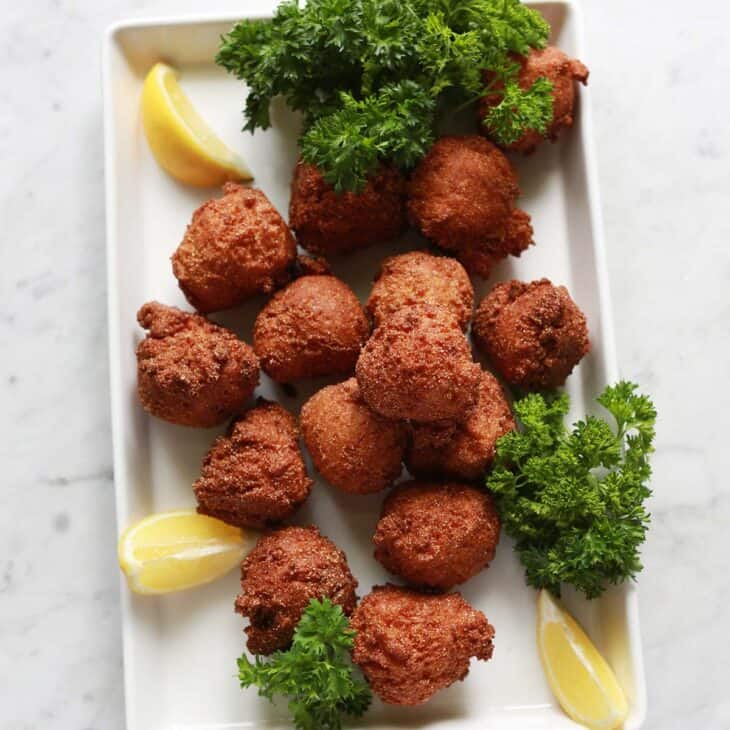
    I love any kind of fried bread so this homemade hushpuppies recipe is high on my list. If you aren’t familiar, hushpuppies are small, fried savory bread ball. The batter usually contains cornmeal. Think of it like a savory donut hole or maybe a small fried biscuit. This recipe is classic and simple—anyone can make this hushpuppy recipe.

    I associate hushpuppies with Long John Silver’s. Lol. So I typically think of hushpuppies as a bread side dish served with seafood. It’s also typically more popular in the south and some believe they originate from nuns in New Orleans. They are delicious and best served with a little butter and lemon juice IMO.

    Ingredients

    • Cornmeal
    • All purpose flour
    • Salt
    • Baking powder
    • Baking soda
    • Granulated white sugar
    • Onion powder
    • Garlic powder
    • Egg
    • Buttermilk
    • Water

    You will also need oil to fry the hushpuppy batter in, I typically use canola or vegetable oil for deep frying.

    How to make Hushpuppies

    In a medium to large mixing bowl stir together the dry ingredients: cornmeal, flour, salt, baking powder, baking soda, onion powder, garlic powder and sugar. Next stir in the egg, buttermilk and water.

    In a large pot or dutch oven heat the oil to around 365°F. Use a cookie dough scoop to drop the batter into the hot oil. Fry for 2-3 minutes, taking care to make sure all side get fried in the hot oil.

    Remove to a plate lined with paper towels. I use kitchen tongs for this. Continue to cook the batter until you have fried all the hushpuppies.

    Tips and Notes

    • You can add other ingredients like spices or chopped fresh herbs to flavor these classic hushpuppies. Things like: green onion, cilantro, parsley, or spices like cumin, cayenne or ginger
    • If you don’t have a cookie dough scoop you can simply use a spoon.
    • Hushpuppies are best served warmed, just after they have been fried. You can rewarm them in the microwave or oven if needed. But, like a lot of fried foods it’s best the day it’s made.
    • You can make the batter ahead of time and store in an airtight container in the refrigerator until you are ready to use it.