Author: Natalie Obeirnes

  • Creative Coffee-Inspired Mixed Beverage Recipes for Every Occasion

    Creative Coffee-Inspired Mixed Beverage Recipes for Every Occasion

    Essentials for Crafting Coffee-Inspired Mixed Beverages

    To create standout coffee-inspired mixed beverages, start with the right key ingredients. Fresh espresso or smooth cold brew forms the bold base. Add depth with coffee liqueurs like Kahlúa or Mr Black, which bring rich, sweet, and boozy layers. Complement these with your choice of spirits—think vodka, whiskey, or rum—plus creams and flavored syrups to enhance texture and sweetness.

    Make sure you have the right tools at hand: a reliable espresso machine or alternative brewing method, a shaker for mixing, and the perfect glassware to serve your creations with style.

    For success, focus on:

    • Brewing strong, flavorful coffee to cut through the alcohol.
    • Achieving that luscious froth—whether from frothed milk or shaken foam—for irresistible texture.
    • Balancing bitterness and sweetness carefully so your drink sings without overpowering your palate.

    Master these essentials and you’re well on your way to crafting irresistible espresso-based cocktails, classic coffee liqueur drinks, and refreshing cold brew cocktails that will impress every coffee lover.

    Classic Hot Coffee Cocktails

    Classic hot coffee cocktails are a cozy way to enjoy boozy coffee drinks, perfect for chilly evenings or after-dinner treats. Here are three timeless favorites to try:

    Irish Coffee

    Made with freshly brewed strong coffee, Irish whiskey, brown sugar, and a smooth layer of lightly whipped cream, the Irish Coffee is a simple yet satisfying cocktail. To make it:

    • Brew a hot, strong coffee
    • Stir in 1-2 teaspoons of brown sugar until dissolved
    • Add 45ml of Irish whiskey
    • Gently float whipped cream on top by pouring over the back of a spoon
      You can experiment with different whiskeys like Jameson or Bushmills for varying depth and warmth.

    Spanish Coffee (Carajillo)

    The Carajillo traditionally combines hot coffee with Licor 43, a sweet vanilla-citrus liqueur from Spain. To prepare:

    • Pour hot coffee into a glass
    • Add 30-50ml Licor 43
    • Optionally, add a cinnamon stick or lemon peel for extra aroma
      Modern spins might substitute Licor 43 with coffee liqueurs or add a splash of brandy for more richness.

    Mexican Coffee

    Mexican Coffee brings warmth with tequila and spices. A classic take includes:

    • Hot black coffee
    • 30-45ml reposado tequila
    • 15ml coffee liqueur (like Kahlúa)
    • A pinch of cinnamon or nutmeg
      Sometimes a touch of chili powder or cayenne adds a spicy kick to brighten the flavor. Top with whipped cream or a cinnamon stick for a festive touch.

    For more warming ideas that spice up your drinks, check out these winter warmers and hot cocktail ideas. These classics provide a solid foundation for anyone wanting to master hot spiked coffee recipes with ease.

    Chilled and Shaken Coffee Cocktails

    For those who love their coffee cocktails cold and vibrant, chilled and shaken drinks are a perfect choice. The Espresso Martini is a standout classic, combining freshly brewed espresso, vodka, and coffee liqueur like Kahlúa. To nail this recipe, shake vigorously with ice to create a smooth froth, and garnish with three coffee beans for a traditional touch. For those wanting a bit of flair, try garnishes like cocoa powder or orange zest to add aroma and depth.

    The White Russian remains a creamy favorite, traditionally mixing vodka, coffee liqueur, and cream. A modern twist here is swapping cream for cold brew coffee, which adds a rich coffee kick without heaviness. Variations with flavored syrups or even oat milk can tailor it to your taste while keeping that velvety texture.

    If you prefer something simpler but still bold, the Black Russian cuts out the cream—just vodka and coffee liqueur over ice. It’s straightforward, strong, and lets the coffee flavors shine. These coffee liqueur drinks are easy to prepare but deliver complex depth, making them ideal for any coffee and cocktail lover’s repertoire.

    For more on perfectly balanced shaken cocktails, check out this guide on the art of crafting classic cocktails.

    Creative and Modern Twists on Coffee-Inspired Mixed Beverages

    If you’re looking to elevate your coffee cocktail game, these creative and modern twists offer bold, fresh flavors that go beyond the classics.

    Cold Brew Negroni

    This twist on the traditional Negroni blends cold brew coffee with the signature bitter-sweet combo of gin, Campari, and sweet vermouth. It’s perfect for sophisticated palates who appreciate the complex interplay of coffee’s depth with herbal bitterness. Serve it over ice with an orange peel for a refined finish.

    Mocha-Inspired Drinks

    Combining chocolate and coffee delivers rich, indulgent mixed beverages. Think Mudslides or an Affogato Martini — creamy, decadent blends that marry espresso with chocolate liqueurs and cream. These mocha-based cocktails are a hit for anyone craving dessert in a glass, offering a luscious coffee and chocolate fusion.

    Tropical and Seasonal Riffs

    Coffee cocktails also shine with seasonal flair or tropical vibes. Rum-based creations inspired by banana bread bring warm, spiced sweetness, while pumpkin spice versions infuse autumn’s favorite flavors with espresso and cream. These sips are great for adding a festive twist to your coffee liqueur drinks, perfect for entertaining or cozy gatherings.

    For a creamy twist on the classic White Russian, you might also enjoy exploring some White Russian variations that blend coffee with rich ingredients, adding even more depth to your coffee cocktail repertoire.

    Non-Alcoholic Coffee Mocktails

    Not everyone wants booze, but you can still enjoy bold coffee flavors with non-alcoholic coffee mocktails. For a Virgin Espresso Martini, swap out spirits for rich coffee syrups and cold brew concentrates, then shake it up with ice to get that smooth, frothy finish without the alcohol. Check out simple homemade coffee syrups for natural sweetness and depth.

    Iced Coffee Tonics are another refreshing choice—combine chilled espresso or cold brew with tonic water for a sparkling, slightly bitter twist that’s perfect for warm days. You can also try sparkling mocktails with hints of citrus or vanilla to brighten the flavor.

    For creamy indulgence, whipped Dalgona-style coffee drinks bring that iconic fluffy texture using instant coffee, sugar, and whipped milk or cream alternatives. This frothy delight offers the perfect balance between bitter coffee and smooth sweetness, minus the alcohol.

    For more on espresso-based drinks, including a detailed Espresso Martini recipe, try adapting those techniques with non-alcoholic ingredients for a top-tier mocktail experience.

    Pairing and Serving Suggestions for Coffee-Inspired Mixed Beverages

    Coffee-inspired mixed beverages shine at key moments like brunch, dessert, or an evening wind-down. Their rich flavors and comforting warmth make them ideal for relaxing or celebrating with friends.

    Best Occasions:

    • Brunch: Serve lighter, creamy coffee cocktails like a White Russian variation or a Virgin Espresso Martini to start the day smoothly.
    • Dessert: Classic hot coffee cocktails such as Irish Coffee or Mexican Coffee pair beautifully with sweet treats.
    • Evening Wind-Down: Rich, chilled options like an Espresso Martini or Cold Brew Negroni help unwind with style.

    Food Pairings:

    • Sweet desserts such as chocolate mousse, tiramisu, or spiced cakes complement coffee liqueur drinks well.
    • A selection of cheeses—think aged cheddar or creamy Brie—balances the bittersweet notes in cold brew cocktails.
    • Light bites like toasted nuts, biscotti, or fruit skewers work perfectly with seasonal coffee cocktails.

    Presentation Tips:

    • Use elegant glassware—stemmed coupe glasses for espresso martinis, tall glasses for cold brew cocktails, or classic Irish coffee mugs.
    • Garnish with coffee beans, a twist of citrus peel, grated chocolate, or a cinnamon stick for visual and flavour appeal.
    • Create Instagram-worthy drinks by adding layers of cream or a delicate froth, enhancing the texture and look.

    For more inspiration on styling your cocktails and pairing drinks with the right dishes, check out our guide on pairing cocktails with global flavors. And if you want to explore non-alcoholic options that impress visually and taste-wise, don’t miss out on our creative mocktails for every occasion.

    With thoughtful pairings and a little flair, your coffee-based mixed beverages will elevate any occasion.

  • How to Make Traditional Handmade Bagels with Perfect Chewy Texture

    How to Make Traditional Handmade Bagels with Perfect Chewy Texture

    What Makes the Perfect Chewy Bagel: Key Factors for Authentic Chew

    Creating traditional handmade bagels with perfect chew starts with understanding a few crucial elements. First, high-protein bread flour is essential because it develops strong gluten. This strong gluten network gives bagels their signature dense yet elastic texture, unlike softer flours such as all-purpose.

    Next, the boiling step is what truly sets authentic chewy bagels apart. Boiling the shaped dough gelatinizes the crust, sealing moisture inside and creating that dense, chewy bite New York style bagels are famous for. Skipping or shortening this step leads to soft, bread-like bagels without the characteristic chew.

    Another key ingredient is malt—usually barley malt syrup—which adds a subtle sweetness, enhances the crust color, and creates a shiny finish. If you don’t have barley malt syrup, alternatives like honey or malt powder work in a pinch but might alter flavor slightly.

    Finally, the kneading, fermentation, and shaping methods contribute significantly to bagel structure. Proper kneading strengthens gluten; slow fermentation (often overnight) deepens flavor; and hand-shaping techniques like the rope-and-loop or poke method ensure an even, dense crumb.

    Together, these factors are the foundation for baking authentic chewy bagels that deliver that classic dense chew and shiny crust every time.

    Ingredients You’ll Need for Traditional Handmade Bagels with Perfect Chew

    To make authentic chewy bagels, you’ll need the right ingredients in precise amounts. Here’s a simple list for about 8 bagels:

    • High-protein bread flour – 500g (4 cups)
    • Active dry yeast – 7g (1 packet)
    • Salt – 10g (1 ½ tsp)
    • Warm water – 300ml (about 1 ¼ cups)
    • Barley malt syrup or honey – 2 tbsp (for dough and boiling bath)

    Why Use Bread Flour?

    Bread flour has more protein than all-purpose flour, which develops stronger gluten. This gluten network is key for that dense, chewy texture that defines New York style bagels. Using all-purpose flour will give softer bagels, less authentic in texture.

    Malt Syrup or Honey?

    Barley malt syrup is traditional—it adds subtle sweetness, helps brown the crust, and gives bagels their signature shine. If you can’t find barley malt syrup, honey or even light corn syrup works as an alternative, though flavor and gloss might vary slightly. You can find barley malt syrup online or at specialty baking stores.

    Other Notes and Substitutions

    • Yeast: Instant yeast can replace active dry, just adjust hydration slightly.
    • Water: Use filtered or bottled water if your tap water is heavily chlorinated to avoid dull flavors.
    • Salt: Sea salt or kosher salt works fine; just measure by weight for accuracy.

    Having these ingredients on hand will set you up for successful hand-shaped bagels with that perfect chewy bite. For making the boiling bath, using a quality malt syrup ensures the shiny bagel crust, a signature of boiled bagels technique.

    If you want to experiment with sweet variations like cinnamon raisin bagels, you might also consider adding spices or dried fruits at the shaping stage.

    By choosing high-gluten flour and malt syrup, you’re staying true to traditional bagel making methods and guaranteeing a dense chewy texture every time.

    Step-by-Step Instructions for Traditional Handmade Bagels with Perfect Chew

    Mixing and Kneading the Dough

    Start by combining your high-protein bread flour, yeast, salt, water, and malt or honey in a large bowl. You can mix and knead by hand or use a stand mixer with a dough hook. Knead for about 8-10 minutes until the dough is smooth and elastic. The goal is to develop strong gluten strands that give bagels their signature chew. Avoid over-kneading, which can make the dough tough.

    First Rise and Overnight Refrigeration

    Let the dough rise at room temperature until doubled, roughly 1 to 1.5 hours. For deeper flavor and better texture, punch it down and refrigerate overnight. This slow fermentation enhances the dough’s complexity, making your New York style bagels taste authentic and rich.

    Dividing and Shaping

    Once your dough is ready, divide it into equal pieces — typically 3 to 4 ounces each. Shape each piece either by:

    • Rope-and-loop method: Roll the dough into a rope, then join the ends to form a ring.
    • Poke method: Roll a ball and poke a hole in the center, stretching gently to shape.
      Both techniques work well, but hand-shaped ropes often create a more uniform crust.

    Preparing the Boiling Bath

    Boiling is essential for that shiny, chewy crust. Fill a large pot with water and bring it to a gentle boil. Add malt syrup or a malt substitute like honey to the boiling water — this helps develop a golden crust and subtle sweetness. Boil the bagels 1 at a time or in small batches for about 1 to 2 minutes per side. The longer you boil, the denser and chewier the bagel will be.

    Topping Application

    After boiling, transfer bagels to a baking sheet lined with parchment. While still wet, brush with an egg wash for a glossy finish. Sprinkle toppings like sesame seeds, poppy seeds, or everything bagel seasoning before baking. This step locks toppings onto the bagels while enhancing flavor.

    Baking for Golden Crust

    Bake your bagels in a preheated oven at 425°F (220°C) for 20-25 minutes until golden brown and shiny. Rotate the tray halfway through to ensure even baking. Proper oven positioning helps develop that perfect, crisp crust while keeping the inside chewy and dense.

    Following these steps will give you authentic chewy bagels with that irresistible New York style bite. For additional ideas on flavoring and variations, you might enjoy experimenting with toppings and baking techniques described here, inspiring creative approaches to traditional recipes.

    Tips for Success and Common Mistakes to Avoid

    Getting the perfect chewy bagel starts with the right dough consistency—aim for a firm but slightly tacky feel. Too wet, and the bagels will spread out flat; too dry, and they’ll be dense and tough.

    Boiling time plays a big role in chewiness. A longer boil (about 90 seconds per side) creates a denser, chewier crust, while a shorter boil gives a lighter texture. Don’t under-boil if you want that authentic New York style bagel bite.

    Oven temperature should be around 425°F (220°C). Place bagels on the middle rack for even baking to get that golden, shiny crust. Using a baking stone or steel can help mimic a bread oven’s heat distribution.

    Common hiccups include flat bagels—usually from overproofing or too-soft dough—lack of shine from skipping malt or improper egg wash, and insufficient chew from boiling too briefly or using all-purpose flour instead of high-gluten bread flour. Follow these steps closely to avoid these typical mistakes.

    For a detailed look at shaping and handling dough, you might find useful tips in our homemade hushpuppies recipe which covers dough texture and frying techniques that can inspire your bagel practice.

    Bagel Topping Ideas and Variations

    When it comes to traditional handmade bagels with perfect chew, the toppings can really elevate the flavor without sacrificing that classic texture. Here are some popular topping ideas to try:

    • Classic options: Everything bagel seasoning is a favorite for good reason—it combines sesame seeds, poppy seeds, dried onion, garlic, and coarse salt. You can also go simple with just sesame, poppy seeds, or kosher salt sprinkled on top before baking.
    • Sweet variations: For a breakfast twist, try cinnamon raisin bagels by adding cinnamon sugar and raisins to the dough or as a topping before baking. These keep the chewy feel while introducing a subtle sweetness.
    • Savory additions: Garlic or cheese toppings add a rich, flavorful punch. Minced garlic or garlic powder can be sprinkled on before baking. For cheese bagels, shredded cheddar or parmesan melts on top, giving a nice savory crust.

    To customize without losing the traditional dense chewy texture, apply toppings lightly so the dough’s structure isn’t overwhelmed. The boiling and baking techniques remain the same regardless of toppings to lock in that signature shiny bagel crust and dense chew.

    For some inspiration beyond bagels, you might also enjoy exploring savory breads like homemade garlic toast, which pairs wonderfully alongside bagels for a satisfying spread.

    How to Serve and Store Homemade Bagels

    The best way to enjoy your traditional handmade bagels with perfect chew is fresh and warm. Toast them lightly to bring out their dense chewy texture, then add your favorite toppings like classic cream cheese, smoked salmon (lox), or a dab of butter. You can also try savory spreads, or even sweet options like jam for a delicious breakfast or snack.

    To keep your fresh baked bagels at their best, store them at room temperature in a paper bag inside a sealed container for up to two days. For longer storage, freeze your bagels wrapped tightly in plastic wrap or foil, then place them in a freezer-safe bag. When you’re ready to eat, thaw overnight or pop them straight into the toaster for that revived chewy bite and shiny bagel crust.

    Reheating frozen bagels works wonders to restore that authentic chewy bagel texture. Try briefly baking them in a preheated oven at 350°F (175°C) for 5-7 minutes or using a toaster oven. Avoid microwaving as it can make them tough and rubbery, ruining that perfect chew you worked hard to achieve. For a quick, crispy exterior with soft inside, a toaster or oven method is your best bet.

    By following these serving and storage tips, your homemade bagels will remain just as satisfying as the day they were baked, making each bite a true taste of traditional New York style bagels.

    Frequently Asked Questions about Traditional Handmade Bagels with Perfect Chew

    Can I use all-purpose flour?

    All-purpose flour can be used, but it usually won’t give you that dense chewy texture that bread flour provides. High-protein bread flour or high-gluten flour is better for gluten development, which builds the bagel’s signature chew and structure. For authentic chewy bagels, stick to bread flour if you can.

    What’s a good barley malt substitute?

    If you don’t have barley malt syrup, honey or brown sugar can work as alternatives. Malt is important because it adds flavor depth and helps produce that shiny bagel crust during boiling and baking. Just keep the quantity the same when substituting.

    Why boil bagels?

    Boiling bagels before baking gelatinizes the crust and seals in moisture, which locks in the dense chew and prevents sogginess. This boiled bagel technique is essential to getting that classic New York style bagel texture and shiny crust.

    How to make them vegan or gluten-free?

    For vegan bagels, simply replace the egg wash with a plant-based alternative like aquafaba or non-dairy milk for shine and skip any animal-based toppings like cheese. Gluten-free bagels are trickier since gluten forms the chew; you’d need gluten-free bread flour blends designed for chewy bread and may need to adjust boiling and baking times to avoid breaking apart.

    Overnight vs. same-day methods—what’s the difference?

    Overnight fermentation in the fridge develops flavor, making the bagels taste richer and more complex. The dough also firms up, which can make shaping easier. Same-day bagels are quicker but may have less flavor depth and a lighter texture.

    For more detailed steps on perfect dough handling and fermentation methods, check out our guide on traditional bagel making and how to get that fresh baked bagels flavor at home.

  • How to Make Homemade Vanilla Extract Using Whole Beans Step-by-Step

    How to Make Homemade Vanilla Extract Using Whole Beans Step-by-Step

    What Is Vanilla Extract and Why Make It Homemade?

    Vanilla extract is a flavorful liquid made by soaking vanilla beans in alcohol, capturing their rich, sweet aroma. It’s the secret ingredient that brings warmth and depth to countless recipes, from cookies to custards.

    Pure Vanilla Extract vs. Imitation

    Feature Pure Vanilla Extract Imitation Vanilla Extract
    Source Whole vanilla beans Synthetic vanillin
    Flavor depth Complex, natural, rich Simple, sometimes harsh
    Cost Higher Cheaper
    Use High-quality baking, cooking Budget-friendly alternatives

    Pure vanilla extract uses whole vanilla beans, giving you authentic flavor that imitation just can’t match.

    Homemade vs. Commercial Vanilla Extract

    Making your own vanilla extract lets you:

    • Control bean quality and alcohol type.
    • Avoid artificial ingredients.
    • Customize flavor strength.
    • Save money over time.

    Commercial extracts can vary in quality and often include fillers or lower-grade beans. Homemade vanilla extract delivers freshness and pure, customizable flavor.

    Why Use Whole Vanilla Beans?

    Whole beans offer:

    • Rich, full-bodied vanilla flavor.
    • The tiny seeds inside add texture and visual appeal.
    • More natural oils and aromas than extracts made with vanilla bean scraps or powders.

    By using whole vanilla beans, you unlock the essence of vanilla in its purest form, giving your homemade extract unmatched depth and fragrance.


    Enjoy the slow, sweet journey of turning simple beans into liquid gold—you’ll be amazed at how easy and rewarding this kitchen staple can be!

    Ingredients and Tools Needed for Homemade Vanilla Extract

    When making homemade vanilla extract using whole beans, selecting the right ingredients and tools is key to achieving rich, authentic flavor.

    Types of Vanilla Beans

    • Madagascar vanilla beans: The most popular choice, known for their classic, sweet, creamy aroma and flavor.
    • Tahitian vanilla beans: Fruity and floral notes, ideal if you want something a bit exotic.
    • Mexican vanilla beans: Rich and spicy, adding a deep, warm vanilla scent.

    Grade A vs. Grade B Vanilla Beans

    • Grade A beans are plump and moist, great for baking or recipes requiring whole beans.
    • Grade B beans are drier and more affordable, perfect for infusing in alcohol to make vanilla extract.
    • For DIY vanilla extract, Grade B beans are often preferred since their flavor concentrates well during infusion.
    • When sourcing beans, look for fresh, moisturized pods with a strong scent. Buying from reputable sellers ensures quality.

    Alcohol Choices and Their Flavor Impact

    • Vodka: The neutral option, highlighting the pure vanilla taste without overpowering.
    • Bourbon: Adds a warm, smoky, and slightly sweet character, enhancing depth.
    • Rum: Brings a tropical, rich sweetness that pairs beautifully with vanilla.
    • Choose the alcohol based on the flavor profile you want—vodka for classic extracts, bourbon or rum for a twist.

    Recommended Vanilla Bean to Alcohol Ratios

    • A common ratio is 5-6 whole vanilla beans per 8 ounces (1 cup) of alcohol.
    • More beans can intensify flavor; fewer beans yield a milder extract.
    • Keep pods fully submerged to maximize infusion.

    Essential Tools

    • Glass bottles or jars with airtight lids—dark glass preferred to protect extract from light.
    • A funnel for easy filling.
    • Labels to date and identify your batches for tracking infusion times.

    With these ingredients and tools, you’re ready to craft a rich, high-quality pure vanilla extract recipe straight from whole vanilla beans to bottle. For an added touch of homemade flavor, you might also enjoy exploring complementary infusions like vanilla syrup to expand your DIY vanilla collection.

    Step-by-Step Guide to Making Homemade Vanilla Extract

    Making homemade vanilla extract with whole vanilla beans is simple and rewarding. Here’s how to get started:

    Preparing Whole Vanilla Beans

    You can leave vanilla beans whole, but splitting or cutting them lengthwise helps release more flavor faster. Some prefer to cut the beans into smaller pieces for quicker infusion, but whole beans work well too. Just be sure to scrape the tiny seeds inside—they’re packed with vanilla goodness.

    Filling Bottles and Submerging Beans

    Use clean glass bottles or jars with tight lids. Add your prepared vanilla beans, then pour in your chosen alcohol—vodka, bourbon, or rum—making sure the beans are fully submerged. This prevents spoilage and encourages even extraction.

    Sealing and Initial Shaking

    Seal the bottles tightly. Give them a good shake to mix the beans and alcohol, starting the infusion process. This helps break down the beans and spread the flavor throughout the liquid.

    Infusion Process: Storage, Shaking, and Visual Cues

    Store your bottles in a cool, dark place like a pantry or cupboard. Shake them gently once or twice a week to keep the infusion active. Over time, you’ll notice the liquid darkening and developing a rich vanilla aroma—signs that your extract is deepening in flavor.

    For homemade vanilla extract tips on infusion and timing, check out this guide on how to make vanilla at home for the fullest flavor.

    How Long to Infuse and When It’s Ready

    When making homemade vanilla extract using whole beans, patience is key. The minimum infusion time is generally 2-3 months, which allows the alcohol to start pulling out the vanilla flavor and aroma from the beans. However, for the best results and peak flavor, aim for an infusion time of 6 to 12 months. The longer the beans steep, the richer and more complex your vanilla extract will become.

    To know if your vanilla extract is ready, check these signs:

    • Color: The liquid should deepen from clear to a rich amber-brown.
    • Aroma: It should emit a strong, warm, and sweet vanilla scent.
    • Taste: Try a drop in a spoon; it should be full-bodied with a smooth vanilla flavor, not harsh or weak.

    If you’re eager to speed up the process, here are some tips to enhance vanilla extraction:

    • Split or slice the beans before infusing to expose more surface area.
    • Shake the bottles regularly—once or twice a week—to help mix and release flavors.
    • Use high-proof alcohol like vodka or bourbon, which extracts flavors more efficiently.
    • Store the extract in a warm, dark place to encourage infusion without degrading quality.

    With these steps, you’ll have a wonderfully flavorful pure vanilla extract recipe ready for all your baking and cooking adventures. For ideas on how to use your finished extract in drinks, check out our easy-to-make Manhattan cocktail recipe, where vanilla extract adds a rich depth to the classic mix.

    Storage, Shelf Life, and Maintenance

    To keep your homemade vanilla extract fresh and flavorful for years, store it in a cool, dark place away from direct sunlight and heat sources. A pantry or cupboard works perfectly. Proper storage slows down evaporation and preserves the rich vanilla aroma.

    When your vanilla extract starts to get low, simply refill the bottle with more alcohol to keep an endless supply going. You can even add a fresh vanilla bean or two to boost the flavor over time, making it richer and more complex with each refill.

    Don’t toss your spent vanilla beans after the first use. They’re great for a second batch of vanilla extract by simply topping up with alcohol again. Beyond that, you can dry and grind these beans to create fragrant vanilla sugar for baking, or infuse them into creams and syrups for extra vanilla flavor. Reusing beans not only reduces waste but also stretches your vanilla investment further, making your DIY vanilla extract project both economical and sustainable.

    Troubleshooting Common Issues with Homemade Vanilla Extract

    Even with whole vanilla beans and careful infusion, you might face some common issues while making your DIY vanilla extract. Here’s how to tackle them:

    1. Cloudy Extract:

    A cloudy appearance is usually harmless and often happens when tiny bits of vanilla bean or natural sediment float in the alcohol. To clear it up, strain your extract through a fine mesh sieve or cheesecloth. Avoid using plastic containers during infusion, as they can sometimes cause cloudiness.

    2. Weak Flavor:

    If your vanilla extract lacks punch, it might be from too high an alcohol ratio or insufficient infusion time. Try:

    • Increasing the number of vanilla beans per bottle.
    • Extending the infusion period to 6-12 months for richer flavor.
    • Shaking the bottle regularly to promote better extraction.

    3. Mold Prevention:

    Mold isn’t common if alcohol concentration is high enough (usually 35% ABV or above), but to be safe:

    • Use clean, sterilized glass bottles.
    • Ensure vanilla beans are fully submerged in alcohol, limiting air exposure.
    • Store extract in a cool, dark place.

    4. Floating Beans:

    Vanilla beans sometimes float to the top, risking exposure to air and potential spoilage. Simply poke them down or use a clean utensil to keep them submerged. If your bottle is too small, consider transferring the beans and extract to a larger jar.

    5. Adjusting Strength:

    If your extract ends up too strong or too mild, adjust with these tips:

    • To strengthen, add more split vanilla beans and let it infuse longer.
    • To dilute strong extract, mix with a bit of vodka or chosen alcohol.

    Keeping an eye on these common issues ensures your homemade vanilla extract stays fresh, flavorful, and ready for baking or gifting. For more creative uses, you might explore how vanilla elevates drinks like espresso martinis or other recipes with vanilla-infused notes.

    Variations and Creative Twists

    When making homemade vanilla extract using whole beans, there are some fun variations to try that can boost flavor and use the extract more creatively.

    Single vs. Double-Fold Extracts

    • Single-fold: Made with about 1 ounce of vanilla beans per cup of alcohol. Classic, balanced flavor.
    • Double-fold: Uses twice the beans for a richer, more intense vanilla taste. Perfect for gourmet recipes or gifting.

    Blending Vanilla Bean Varieties

    Mixing different types of vanilla beans can create unique flavor profiles:
    | Vanilla Bean Variety | Flavor Notes | What It Blends Well With |
    |———————|————————|———————————|
    | Madagascar | Sweet, creamy | Classic desserts, cakes |
    | Tahitian | Floral, fruity | Light creams, cocktails |
    | Mexican | Spicy, smoky | Bolder baked goods, sauces |
    Try blending Madagascar with Tahitian for a smoother, floral finish or mix Mexican with any for a hint of spice.

    Alcohol-Free Vanilla Extract Alternatives

    For those avoiding alcohol, use food-grade glycerin as a base. It results in a sweeter, milder extract:

    • Use about 3-4 vanilla beans per cup of glycerin
    • Steep for 6-8 weeks, shaking occasionally
    • Works well for kids, sensitive palates, or alcohol-free products

    Bonus Recipes Using Your Vanilla Extract

    Enhance your kitchen with homemade vanilla beyond extract:

    • Vanilla Sugar: Mix used vanilla beans with sugar for sweet, aromatic sugar perfect for baking or coffee.
    • Vanilla Paste: Blend vanilla beans with your extract and a bit of sugar to create a paste for direct seeds use in recipes.
    • Infused Creams: Add vanilla extract to heavy cream for custards, ice creams, or whipped toppings.

    For delicious homemade baking ideas featuring vanilla extract, check out these soft gingerbread cookies to test your DIY vanilla extract in action.

    Uses for Your Homemade Vanilla Extract

    Homemade vanilla extract made with whole vanilla beans is incredibly versatile and adds rich flavor to many recipes. It’s perfect for baking applications like cookies, cakes, and ice cream, where that authentic vanilla taste makes a noticeable difference. Using DIY vanilla extract in custards, puddings, and beverages such as coffee or hot chocolate lifts their flavor to the next level.

    It’s not just for sweets—try adding a splash to savory dishes like sauces or marinades for a subtle depth. Plus, your homemade vanilla extract makes a thoughtful gift. Bottled in decorative glass with custom labels, it’s a great personalized present for friends, bakers, or cocktail lovers. Speaking of drinks, you can pair your vanilla extract with recipes like the Old Fashioned cocktail to add a unique vanilla twist.

    Homemade vanilla bean extract really shines in both everyday cooking and special occasions, making it a handy staple in any kitchen.

  • How to Make Fresh Herb-Infused Olive Oil at Home Safely and Easily

    How to Make Fresh Herb-Infused Olive Oil at Home Safely and Easily

    Why Make Fresh Herb-Infused Olive Oil at Home?

    Making fresh herb-infused olive oil at home brings unbeatable freshness and flavor straight from your garden or local market. You’ll notice the bright, vibrant tastes of herbs like basil, rosemary, and thyme shine through much more intensely than store-bought versions. Plus, it’s a cost-effective way to enjoy gourmet flavored olive oil without paying premium prices at specialty shops.

    This DIY flavored olive oil is also incredibly versatile—you can personalize each batch to suit your taste or create unique blends for every season. Best of all, homemade herb-infused olive oil makes a thoughtful, charming gift that friends and family will truly appreciate. You’ll love how this simple addition transforms everyday cooking and gifting into something special!

    Safety First: Avoiding Botulism with Fresh Herbs

    Fresh herbs can pose a risk when making homemade herb infused olive oil because their moisture creates an environment where harmful bacteria like botulism can grow. This is due to the lack of oxygen (anaerobic conditions) inside the sealed oil bottle, especially when combined with fresh herbs or garlic.

    To keep your DIY flavored olive oil safe:

    • Use dried herbs instead of fresh for longer-lasting oil with vibrant flavor and reduced risk.
    • If you want to use fresh herbs, follow a safe acidification method to lower the pH and prevent bacterial growth.
    • Always refrigerate fresh herb-infused olive oil and aim to use it within 1-4 weeks.
    • Avoid storing fresh herb oils at room temperature unless properly acidified.

    Following these steps ensures your herb oil stays delicious and safe, minimizing any botulism danger. For best results, combining safe methods with proper storage protects your olive oil infusion.

    Ingredients & Tools You’ll Need

    To make fresh herb-infused olive oil at home, start with a high-quality extra virgin olive oil—it offers the best flavor and health benefits. For your herbs, pick fresh options like basil, rosemary, thyme, oregano, and parsley; these bring vibrant, natural flavors to your infusion. You can also add optional extras such as garlic, lemon peel, or chili flakes to customize your oil further.

    For equipment, make sure you have clean glass bottles—preferably dark or amber to protect the oil from light—along with a fine strainer or cheesecloth to remove herb bits later, and a funnel to pour your infused oil neatly without spills. Using the right ingredients and tools is key to a successful, flavorful homemade herb-infused olive oil.

    Method 1: Simple Cold Infusion for Fresh Herbs (Short-Term Use)

    Cold infusion is the easiest way to make fresh herb-infused olive oil at home, perfect for when you want vibrant, fresh flavors used within a short time. Here’s how to do it right:

    • Wash and dry herbs thoroughly. Moisture is the main risk for spoilage, so pat your fresh basil, rosemary, thyme, or oregano completely dry.
    • Place herbs into a clean glass bottle or jar, filling it about halfway.
    • Pour high-quality extra virgin olive oil over the herbs, covering them entirely to avoid air pockets.
    • Seal the bottle tightly and store it in a cool, dark place or refrigerator.
    • Let it infuse for 1 to 2 weeks. This method preserves the delicate flavors but is best used fresh to avoid botulism risks common with longer storage of fresh herb oils.

    Before use or storing longer, strain the oil with a fine mesh strainer or cheesecloth to remove herb bits that could spoil the oil faster. Keep your infused olive oil refrigerated and label the bottle with the date and herbs used for easy tracking.

    Cold infusion works wonderfully with fresh garden herbs and is a fantastic, safe way to make DIY flavored olive oil with intense, natural flavors that brighten salads, bread dips, and dressings. For longer-lasting infused oils, consider the warm infusion or acidified methods discussed later.

    Method 2: Warm/Heat Infusion (Faster Flavor Extraction)

    Warm infusion is a great way to speed up the flavor extraction from fresh herbs into your olive oil without sacrificing quality. Keep the temperature below 180°F (82°C) to avoid damaging the delicate extra virgin olive oil and losing those fresh herb aromas.

    How to do it:

    • Place your washed, dried herbs (basil, rosemary, or thyme work well) in a clean pot or heat-safe container.
    • Pour in the olive oil to cover the herbs completely.
    • Gently heat the mixture on low for 20-30 minutes, stirring occasionally.
    • After heating, let the oil cool to room temperature.
    • Strain out the herbs using a fine mesh strainer or cheesecloth to remove any particles.
    • Store your warm-infused olive oil in a clean glass bottle in a cool, dark place or refrigerate for longer freshness.

    Why choose heat infusion?

    • Faster flavor release compared to cold infusions allowing for stronger, more robust herb notes.
    • Ideal when you want herb-infused olive oil ready in a day or less.
    • Perfect for making small batches for immediate use or gifting.

    For best results, use this method with firm, sturdy herbs like rosemary or thyme that stand up well to gentle heat. Avoid overheating as that can break down the olive oil’s quality and create off flavors.

    This warm infusion balances safety and flavor, providing a quicker DIY flavored olive oil that’s great for cooking or drizzling fresh dishes. For more long-term storage safety with fresh herbs, consider acidification methods discussed later.

    If you want inspiration on pairing your herb-infused oil with recipes, check out homemade treats like snowball cookies for a creative use of infused flavors.

    Method 3: Safe Acidification for Fresh Herbs (Longer Shelf Life)

    To make a fresh herb-infused olive oil that lasts longer and is safe for room-temperature storage, acidification is your best option. This method uses a citric acid soak to lower the pH on fresh herbs, reducing the risk of botulism caused by the moisture and anaerobic environment in plain fresh herb oil.

    Citric Acid Soak Process:

    • Mix 1 liter of water with 1 tablespoon of food-grade citric acid or 2 tablespoons of lemon juice.
    • Submerge your fresh herbs (like basil, thyme, or rosemary) in the acidified solution.
    • Let them soak for 10-15 minutes to properly acidify the herbs.
    • Remove and dry the herbs thoroughly with paper towels or a salad spinner to avoid excess moisture.

    Once dried, place the acidified herbs in a clean glass bottle and cover completely with high-quality extra virgin olive oil.

    Why This Method Works:

    • Acidifying the herbs drops the pH level, creating an environment where harmful bacteria, including Clostridium botulinum, can’t grow.
    • This step lets you safely store and use your infused olive oil at room temperature for up to 1-3 months.
    • It also preserves the vibrant fresh herb flavors better than dried herb infusions.

    For best results, always label your bottles with the acidification date and type of herbs used. Remember, even with acidification, store your oil in a cool, dark place away from direct sunlight.

    This acidified herb oil method is a great way to enjoy DIY flavored olive oil safely and extend the shelf life without losing the fresh herb kick. If you want quick flavor, try the heat infusion method, but for lasting flavor and safety, acidification is key.

    Check out related safe infused oil recipes for more ideas and precise safety tips.

    Best Fresh Herbs & Flavor Combinations

    When making fresh herb-infused olive oil at home, choosing the right herbs shapes your oil’s character and use. Here are some top picks:

    • Basil: Bright, fresh, and summery—perfect for salads and pasta.
    • Rosemary: Earthy and robust, great for roasting or grilling.
    • Thyme: Subtle, versatile, pairs well with almost anything.

    For bold flavors, try blends like:

    • Italian Blend: Basil + oregano for classic Mediterranean zest.
    • Mediterranean Mix: Rosemary + thyme for an earthy, herbaceous combo.
    • Citrus-Herb: Lemon peel + parsley for a fresh, zingy touch.

    Keep in mind the difference between dried vs fresh herbs: dried herbs give a stronger, more concentrated flavor and a longer shelf life, making them safer for room temperature storage. Fresh herbs offer vibrant, lively notes but need quicker use and often refrigeration to maintain safety and quality.

    For ideas on how to use your creations, check out some of my other recipes like this vanilla syrup guide that also highlight natural infusions for flavor.

    Creative Uses for Herb-Infused Olive Oil

    Herb-infused olive oil is incredibly versatile and adds a fresh burst of flavor to everyday cooking. Drizzle it over salads for a fragrant finish or toss it with pasta and roasted vegetables to elevate simple dishes. It also makes a fantastic dipping oil—perfect with crusty bread as an appetizer or snack.

    For grilling lovers, use the oil as a marinade or a finishing touch on meats and veggies to bring out deeper, herbaceous notes. This DIY flavored olive oil works beautifully whether you’re aiming for a subtle hint from basil thyme olive oil infusion or a robust punch from rosemary infused olive oil.

    Keep some on hand in the kitchen—it’s a simple way to brighten meals without any extra fuss. Plus, it pairs perfectly with recipes like one-pan roasted vegetables or baked dumplings, adding that homemade touch. For more cooking inspiration, check out this tasty one-pan baked dumplings recipe that benefits from infused oils.

    Safety Guidelines & Avoiding Botulism Risks

    When making fresh herb-infused olive oil at home, it’s important to understand the botulism risk. Fresh herbs and garlic can carry moisture, which creates an oxygen-free (anaerobic) environment inside the oil—perfect for harmful bacteria like Clostridium botulinum to grow. This bacteria produces a dangerous toxin, so safety is a must.

    How to Stay Safe with Herb-Infused Olive Oil:

    • Use dried herbs if you want to store your oil at room temperature safely. Dried herbs have less moisture, cutting down botulism risk.
    • If you prefer fresh herb-infused oil, always refrigerate it and consume within 7 days to keep it safe.
    • Another option is acidification—treat fresh herbs with citric acid before infusing, which helps prevent bacterial growth and allows longer storage.
    • Never leave fresh herb or garlic-infused oil out on the counter for long periods.

    Watch for Spoilage Signs:

    • Cloudiness or unusual thickness in oil
    • Off smells, sour or rancid odors
    • Mold appearance or any strange discoloration

    If you notice any of these, discard the oil immediately. Following these simple safety steps will let you enjoy your homemade herb infused olive oil with peace of mind.

    Straining, Bottling & Storage Best Practices

    Straining your fresh herb-infused olive oil properly is key to a clear, tasty result. Use a fine mesh strainer or cheesecloth to catch all herb bits. Cheesecloth works well for a super-clear oil, while a fine mesh strainer is easier and quicker for small batches.

    When bottling, pick clean glass bottles with airtight lids. For homemade herb infused olive oil gifts, add dried herb sprigs inside the bottle for a pretty, natural touch. It makes your DIY flavored olive oil look inviting and thoughtful.

    Storage matters for keeping flavors fresh and safe:

    • Store infused oils in a cool, dark place away from heat and light.
    • For fresh herb-infused oil, always refrigerate to reduce botulism risk and use within 1–2 weeks.
    • Dried herb oils last longer and can stay at room temperature up to several months.

    Don’t forget to label each bottle with:

    • Date made
    • Type of herbs used
    • A “Refrigerate” note if fresh herbs are included

    Clear labeling helps you track freshness and avoid spoilage, so your oil stays delicious and safe.

    Troubleshooting Common Issues with Fresh Herb-Infused Olive Oil

    If your homemade herb infused olive oil turns cloudy or develops a rancid smell, it usually means the oil is starting to go bad or wasn’t stored properly. Cloudiness can happen if tiny water droplets from fresh herbs remain, so always dry herbs thoroughly before infusing.

    Weak flavor? Try these fixes:

    • Use more fresh or dried herbs to boost the intensity
    • Let the oil infuse longer (up to 1-2 weeks for cold infusion)
    • Consider the warm infusion method for faster, stronger flavor extraction

    Watch out for mold, off smells, or a sour taste. These are signs of spoilage and mean you should discard the oil to avoid any health risks.

    Remember, freshness and proper storage are key to safe and tasty DIY flavored olive oil. Keep oils refrigerated when using fresh herbs, and always label your bottles with the date and ingredients.

    Homemade Gift Ideas & Packaging

    Fresh herb-infused olive oil makes a thoughtful homemade gift that’s both personal and practical. To create a beautiful presentation:

    • Use clean, clear glass bottles that show off the golden oil and herbs.
    • Add ribbons or twine around the neck for a rustic, elegant touch.
    • Attach flavor labels with the herbs used (like rosemary, basil, or thyme) and the date made.
    • Include small gift tags with simple usage ideas such as “Perfect for salads, bread dipping, and marinades.”

    These DIY flavored olive oils are perfect for holidays, housewarmings, or as a unique hostess gift. Personalizing each bottle with your favorite fresh herb-infused olive oil blends makes your gift stand out and adds a homemade charm.

    Frequently Asked Herb Questions

    Can I use fresh garlic in herb-infused olive oil?

    Fresh garlic can be risky because it increases the chance of botulism when stored in oil at room temperature. If you want garlic flavor, use dried garlic or prepare the oil fresh and keep it refrigerated, using it within a week.

    How long does infused olive oil last?

    Homemade herb-infused olive oil typically lasts 1 to 4 weeks if made with fresh herbs and kept refrigerated. Using dried herbs or acidifying fresh herbs can extend shelf life to several months, especially when stored in a cool, dark place.

    Is it safe to leave fresh herb oil at room temperature?

    No. Fresh herb-infused oils have moisture that creates a low-oxygen environment ideal for botulism bacteria growth. Always refrigerate oils with fresh herbs and use them quickly or follow the acidification method for safe room temperature storage.

    What are the best herbs for beginners?

    Start with easy-to-use, vibrant herbs like rosemary, thyme, and basil. These herbs infuse well and have familiar flavours that work great for most cooking and dipping needs.

    Can I reuse herbs after straining?

    It’s best not to reuse herbs after straining because most of the flavor has already been extracted, and reused herbs can introduce moisture or spoilage risks. For a strong, safe DIY flavored olive oil, always use fresh herbs for each batch.

    Making fresh herb-infused olive oil at home is simple and rewarding, just keep safety and freshness in mind for the best results.

  • Exotic Spice Blends to Elevate Unique Cocktail Recipes

    Exotic Spice Blends to Elevate Unique Cocktail Recipes

    Why Exotic Spices Are Transforming Cocktails

    Ever wondered why your usual cocktail feels a bit… predictable? Exotic spice blends are changing the game, turning simple drinks into unforgettable experiences. Gone are the days when spices were just garnishes. Today, they’re key players—infusing spirits, flavoring syrups, and even seasoning rims to add layers of complexity.

    These spices balance heat, sweetness, and botanicals perfectly with spirits like gin, rum, tequila, or whiskey. Imagine the floral warmth of ras el hanout in a gin fizz or the fiery kick of berbere infusing a tequila mule. That balance isn’t just flavor—it’s a sensory journey. Aromas awaken your senses, and subtle warmth rounds out each sip, offering health perks like soothing digestion and gentle stimulation.

    Exotic spice infusions in cocktails aren’t just trendy—they’re a fresh way to elevate your drink with depth, character, and a touch of world culture. Ready to shake things up? Let’s explore how global spices in mixology bring new life to every glass.

    Essential Techniques for Using Spice Blends in Cocktails

    To get the most from exotic spice blends in your cocktails, using the right techniques is key. One of the easiest ways is infusing spirits or syrups with your chosen spice blend. This lets you extract deep flavor without overpowering the drink. Infused simple syrups are especially great because they blend smoothly with most cocktails, adding warmth and aroma.

    You can also incorporate spices by muddling fresh herbs and spices directly in the shaker or glass, releasing those bold, fresh notes. Another popular approach is using spice blends for rimming glasses, giving each sip a flavorful kick before the drink even hits your palate. Garnishing with whole spices or a dusting of powdered blends adds visual appeal and extra aroma.

    Toasting spices before use is a game-changer; a quick dry toast on a pan intensifies their flavor and brings out essential oils, making your spice blend pop in the final cocktail.

    To keep the flavors balanced, pair your spice blends with complementary ingredients like fresh fruits, herbs, or citrus. For example, a citrus peel can brighten the earthiness of za’atar, while herbs like basil or mint cool down the heat from a chili-forward blend like Togarashi. Keeping that balance between heat, sweetness, and botanical notes ensures your spiced cocktail is complex but approachable.

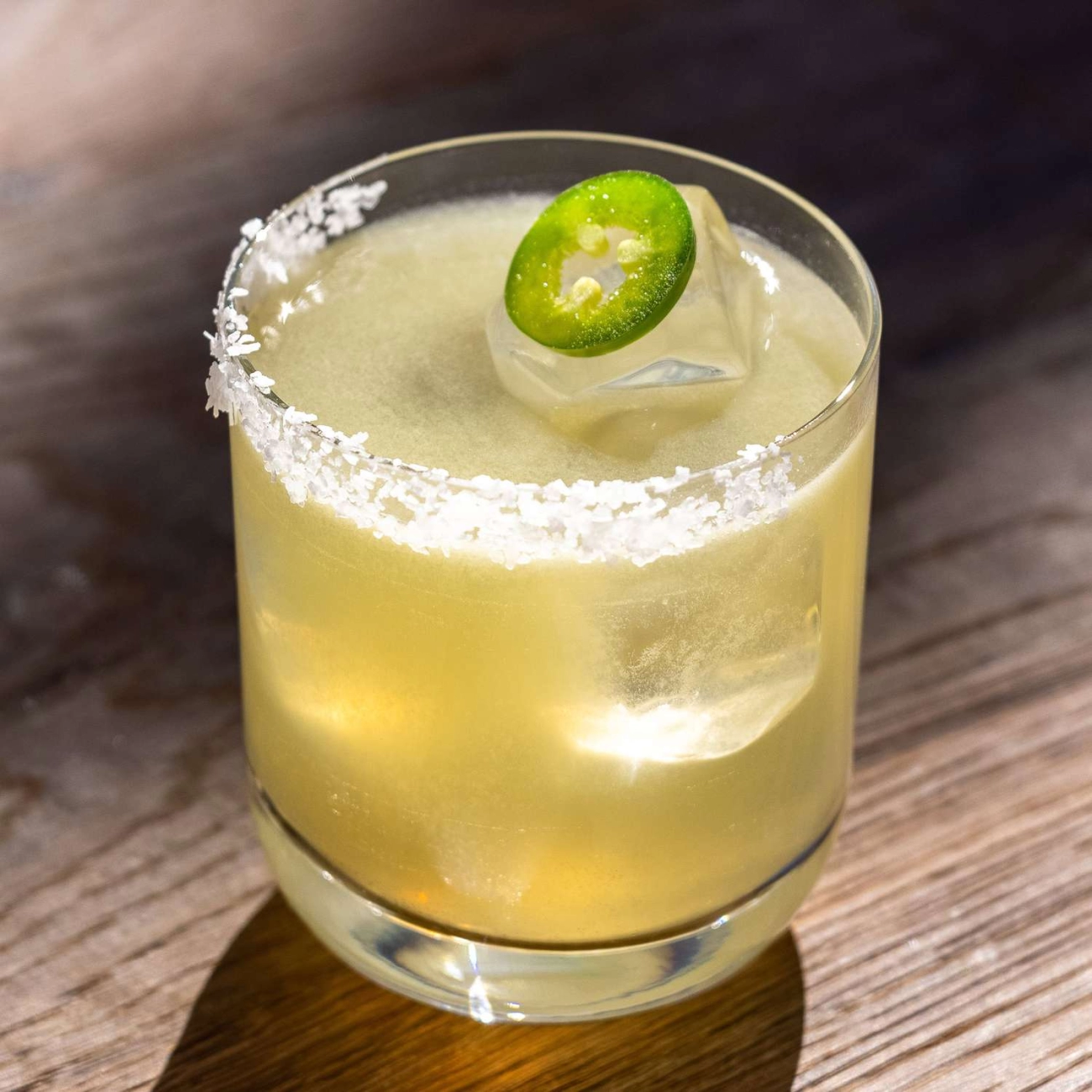
    For more ideas on spice-infused cocktails and creative rimming techniques, check out this spicy jalapeno margarita variation for inspiration on balancing heat with citrus.

    By mastering these essential techniques, you’ll bring out the full potential of exotic spice blends in your cocktails, creating truly unique and memorable drinks.

    Top Exotic Spice Blends to Explore

    When it comes to crafting unique cocktails, exotic spice blends bring a world of flavor that’s hard to beat. Here are some top blends to experiment with in your drinks:

    • Ras el Hanout (Moroccan): This warm, floral mix balances sweet and spicy notes, making it incredibly versatile. Great for adding depth to gin or rum cocktails with a subtle exotic twist.
    • Garam Masala (Indian): Known for its sweet-spicy depth, this blend layers cinnamon, cardamom, and cloves, perfect for warming bourbon or whiskey drinks.
    • Za’atar (Middle Eastern): Earthy and tangy thanks to sumac and sesame seeds, za’atar offers a fresh, herbal edge. Rimming a margarita or mezcal cocktail with it creates a vibrant, savory contrast.
    • Berbere (Ethiopian): Bold and fiery, berbere combines chili, garlic, and fenugreek, adding a lively heat that pairs beautifully with tequila or spiced syrups.
    • Chinese Five Spice: With its anise-forward warmth—star anise, cinnamon, cloves, fennel, and pepper—this blend brings an aromatic kick to rum punches or spiced cocktails.
    • Shichimi Togarashi (Japanese): A citrusy chili blend with orange peel and sesame seeds, Togarashi adds a bright, spicy zing perfect for Bloody Mary variations or light, refreshing drinks.
    • Jerk Seasoning (Caribbean): Featuring allspice and scotch bonnet peppers, this blend injects a vibrant spice and smokiness great for pineapple rum punches or summer sips.

    Other blends worth trying include Cha’at Masala for zesty complexity, Merkén from Chile with smoky paprika and chili, or custom chai spice blends that bring cinnamon and cardamom warmth to cocktails.

    These exotic spice infusions open up a new level of flavor exploration in your cocktail making, offering global spice vibes that can lift classic recipes or inspire new favorites.

    For more creative warm spice mixers, check out some inspiring ideas in this collection of winter warmers and hot cocktail ideas.

    Signature Cocktail Recipes Featuring Exotic Spice Blends

    Exotic spice blends can completely transform your cocktails, adding layers of flavor that surprise and delight. Here are some standout recipes that showcase these unique spice infusions perfectly:

    • Ras el Hanout Gin Fizz

      A floral twist on the classic gin fizz, Ras el Hanout brings warm, exotic notes to the bright citrus and bubbly base. The blend’s subtle spices uplift gin’s botanicals beautifully.

    • Garam Masala Spiced Old Fashioned

      This warming bourbon riff uses garam masala to add sweet-spicy depth to the timeless Old Fashioned. For how to nail the perfect Old Fashioned balance, check out this detailed guide on the Old Fashioned cocktail.

    • Za’atar Rimmed Mezcal Margarita

      Adding an earthy, tangy edge, za’atar rims elevate the smoky mezcal margarita with notes of sumac and sesame. It’s perfect for those who like a savory twist on their cocktails.

    • Berbere-Infused Tequila Spicy Mule

      The bold, fiery heat of Ethiopian berbere spices infuses tequila syrup, making this mule variation spicy and vibrant—a must-try for spice lovers.

    • Chinese Five Spice Rum Punch

      Celebrate tropical vibes with this festive punch. The anise-forward warmth of Chinese Five Spice layers wonderfully over rum and fresh fruit juices.

    • Togarashi Bloody Mary Variation

      Give the classic Bloody Mary a citrusy chili kick by sprinkling Japanese Shichimi Togarashi into the mix or rimming the glass. It adds a lively twist to a brunch favorite.

    • Jerk Seasoning Pineapple Rum Smash

      Allspice and scotch bonnet in jerk seasoning pair brilliantly with pineapple and rum, creating a smoky, sweet, and spicy smash ideal for summer gatherings.

    Bonus: Simple Spiced Syrup Recipes

    Preparing your own spiced syrups is an easy way to bring these exotic flavors into any cocktail. Try infusing sugar syrup with whole spices from your favorite blend, then strain before using. It’s a versatile way to experiment without overcomplicating your bartending.

    These signature cocktails highlight how global spices in mixology can elevate classic and contemporary drinks alike, making every sip a unique experience.

    Pairing Guide: Spirits, Mixers, and Occasions

    Choosing the right spirit and mixer can make or break your exotic spice blend cocktails. Here’s a quick guide to help you match spice with base and season:

    • Gin pairs beautifully with floral and citrus-forward spice blends like Ras el Hanout and Za’atar. These combinations highlight gin’s botanicals and keep drinks fresh and aromatic—ideal for spring and summer. For a deeper dive, check out this guide on refreshing cucumber gin cocktails to see how spices elevate gin’s profile.
    • Rum works wonderfully with sweet-spicy blends like Garam Masala or Jerk Seasoning. These spices complement rum’s natural molasses notes, making them perfect for lively tropical punches or cozy fall gatherings.
    • Tequila shines when matched with bold, fiery blends such as Berbere or a Berbere-infused spicy mule. The smoky and earthy notes in tequila balance well with warm spices and bright mixers like lime or grapefruit.
    • Whiskey (bourbon or rye) pairs best with warming spice blends like Garam Masala or Chinese Five Spice. These offer rich, comforting layers that suit colder months, bringing warmth and subtle complexity.

    Seasonal Tips

    • Fall and winter: Opt for warming spice blends like Garam Masala, Berbere, or Chinese Five Spice. Use richer spirits like whiskey, dark rum, or spiced tequila. Pair with seasonal fruits like apple, pear, or cinnamon-infused syrups.
    • Spring and summer: Go for brighter, floral or citrusy blends such as Ras el Hanout, Za’atar, or Shichimi Togarashi. Light spirits like gin or blanco tequila work well, paired with fresh herbs, cucumber, or citrus wedges.

    Non-Alcoholic Adaptations

    Don’t overlook non-alcoholic cocktails! Spice blends add complexity without the booze:

    • Use spiced syrups or infusions in sparkling water or iced teas.
    • Muddle spices with fresh fruits and herbs for layered flavor.
    • Try chilled mocktails made with ginger beer and a rim of Togarashi for a spicy kick. For ideas on balancing herbs and spices in alcohol-free drinks, this collection of mocktails for every occasion offers great inspiration.

    Matching your exotic spice blends with the right spirit, mixer, and season takes your cocktails from ordinary to extraordinary every time.

    Sourcing and Storage Tips for Exotic Spice Blends

    Finding quality exotic spice blends is key to crafting memorable spiced cocktail recipes. Your best bet is specialty spice shops or reputable online stores, where freshness and authenticity are priorities. Look for blends like Ras el Hanout, Garam Masala, or Berbere that list whole spices rather than pre-ground powders to ensure bold flavors.

    If you want a more hands-on approach, try DIY blending. Start with whole spices—think cinnamon sticks, star anise, or dried chili flakes—and toast them lightly in a dry pan to unlock deeper aromas before grinding. Simple homemade spice blends let you tailor heat and sweetness to the cocktail or syrup you’re creating.

    Proper storage is essential for preserving the vibrant aromas and potency of your spice blends. Keep them airtight in dark containers away from heat, moisture, and sunlight. This helps maintain the delicate balance that exotic spice infusions bring to your drinks over time.

    By sourcing fresh, high-quality blends and storing them carefully, you ensure your unique gin cocktails with spices and other mixes stay lively and flavorful from the first pour to the last sip. For inspiration, check out how to enhance cocktails with fresh infusions in our guide on the Bold Dark ‘n’ Stormy with Fresh Ginger.

  • How to Make Fluffy Homemade Pancakes with Delicious Variations

    How to Make Fluffy Homemade Pancakes with Delicious Variations

    If you’ve ever wondered how to transform your kitchen into a pancake haven, crafting fluffy homemade pancakes variations is exactly what you need to master. Forget those flat, rubbery stacks from mixes—making pancakes from scratch unlocks a world of light, airy perfection with endless possibilities for flavor twists. Whether you’re after a classic cloud-like bite or creative spins like pumpkin spice or banana bursts, this guide will show you the foolproof secrets and inspiring ideas to elevate your breakfast game. Ready to flip your way to pancake greatness? Let’s get started!

    Secrets to Extra Fluffy Pancakes

    Mastering fluffy pancakes from scratch starts with knowing the right ingredients and techniques. Here’s what you need to create those light, airy pancakes everyone loves.

    Key Ingredients and Their Roles

    • Baking powder: This is your main leavening agent. It creates bubbles that make pancakes rise and become thick and fluffy. Make sure your baking powder is fresh for the best rise.
    • Eggs: Eggs add structure and moisture. For extra fluffiness, some cooks separate the yolks and whites, whipping the whites before folding them in.
    • Milk vs. Buttermilk: Buttermilk reacts with baking powder or baking soda to produce more lift and a subtle tang, resulting in fluffier, more flavorful pancakes. If you don’t have buttermilk, regular milk with a splash of vinegar or lemon juice works well.

    Essential Techniques

    • Don’t overmix: Stir the batter until just combined. Lumps are okay! Overmixing develops gluten, making pancakes dense.
    • Rest the batter: Let your pancake batter sit for 5-10 minutes. This helps the baking powder activate and the flour to hydrate, promoting better texture.
    • Proper heat control: Cook pancakes on medium heat. Too hot and the outside burns before the inside cooks; too low and pancakes won’t rise well.

    Common Mistakes to Avoid

    • Packed flour: Always aerate your flour by spooning it into the measuring cup and leveling off. Packed flour makes pancakes dense.
    • Old leavener: Baking powder and baking soda lose potency over time. Test by dropping a bit in hot water — it should bubble actively.

    Pro Tips for Maximum Rise

    • Use room-temperature ingredients; cold eggs or milk can slow down rising.
    • Try separating egg whites and beating them to soft peaks before folding in for extra airiness.
    • Avoid pressing down pancakes while cooking; let them puff up naturally.

    Following these secrets will set you up for no-fail fluffy pancakes every time!

    Classic Fluffy Homemade Pancakes Recipe

    Here’s a simple, best homemade pancake recipe that guarantees fluffy pancakes from scratch every time.

    Ingredients

    • 1 ½ cups all-purpose flour (substitute whole wheat for a healthier option)
    • 3 ½ teaspoons baking powder (make sure it’s fresh for that perfect rise)
    • 1 teaspoon salt
    • 1 tablespoon sugar
    • 1 ¼ cups milk (or buttermilk for extra fluffiness)
    • 1 large egg
    • 3 tablespoons melted butter (can swap with oil or vegan butter)
    • 1 teaspoon vanilla extract (optional)

    Step-by-Step Instructions

    1. Mix dry ingredients (flour, baking powder, salt, sugar) in a large bowl.
    2. In another bowl, whisk together milk, egg, melted butter, and vanilla.
    3. Pour wet ingredients into the dry mix and gently stir until combined — don’t overmix; a few lumps are okay.
    4. Let the batter rest for 5-10 minutes to help the gluten relax and activate the leavening.
    5. Heat a non-stick pan or griddle over medium heat. Lightly grease if needed.
    6. Pour about ¼ cup batter per pancake, cook until bubbles form on the surface, then flip carefully. Cook for another 1-2 minutes until golden and cooked through.

    Yield and Timing

    • Makes about 8 medium pancakes
    • Prep time: 10 minutes
    • Cook time: 15 minutes

    Storage Tips

    • To freeze pancakes, cool completely, then stack with parchment paper between layers in a freezer bag.
    • Reheat on a skillet or microwave for a quick breakfast anytime.

    This classic recipe is a great base to customize with your favorite flavors or mix-ins like blueberries or chocolate chips. For easy serving ideas and creative toppings, check the section on pancake toppings ideas below. Also, for more breakfast inspiration, explore our easy hush puppies recipe.

    Delicious Pancake Variations

    Switch up your fluffy pancakes from scratch with these tasty variations. Whether you want fruity, seasonal, healthier, or even savory options, here’s a quick guide to mixing things up easily:

    Variation Key Ingredients & Notes
    Blueberry Pancakes Fresh or frozen blueberries folded into batter; bursts of sweetness
    Banana Pancakes Mashed ripe bananas for natural sweetness and moisture
    Chocolate Chip Pancakes Classic favorite — sprinkle chocolate chips before flipping for melty pockets
    Pumpkin Spice Pancakes Add pumpkin puree + cinnamon, nutmeg, cloves – perfect fall breakfast
    Lemon Poppy Seed Pancakes Zesty lemon zest and juice with crunchy poppy seeds for a fresh twist
    Apple Cinnamon Pancakes Diced apples + cinnamon for warm, fruity notes
    Whole Wheat or Healthier Options Swap all-purpose flour for whole wheat; add oats or flaxseed for fiber
    Vegan/Dairy-Free Adaptations Use plant-based milk and flax or chia eggs to keep them fluffy and moist
    Savory Twist Mix in cooked bacon bits, shredded cheese, or herbs for a brunch-worthy savory pancake

    Each variation keeps the basic pancake batter secrets in mind — don’t overmix and use fresh leaveners for that perfect fluffy rise. You can even try combining flavors, like banana with chocolate chips, to keep breakfast exciting.

    Toppings and Serving Ideas for Fluffy Pancakes

    The right toppings can turn your fluffy pancakes from simple to spectacular. Classic choices like maple syrup, butter, and whipped cream never go out of style and highlight the pancakes’ soft texture. For a fresh twist, try fruit compotes or fresh berries like blueberries or strawberries—these add brightness and natural sweetness.

    If you want a richer, protein-packed option, spread on nut butters such as almond or peanut butter, and sprinkle with chopped nuts or a dollop of creamy yogurt. These add texture and depth to your breakfast or brunch.

    For more creative pairings, think beyond sweet: serve pancakes with savory toppings like crispy bacon, cheese, or even a fried egg for a satisfying brunch. You can also pair your pancakes with seasonal syrups or spreads to complement flavors—like a salted caramel syrup or vanilla syrup for a gourmet touch.

    These simple ideas help elevate your homemade pancakes into a memorable meal, whether for breakfast, brunch, or even dessert.

    For recipes that pair wonderfully with pancakes, check out this refreshing 7-layer salad to balance your meal.

    Frequently Asked Questions About Fluffy Pancakes

    Why are my pancakes flat?

    Flat pancakes usually mean your batter lacks enough leavening or has been overmixed. Using fresh baking powder and not packing the flour helps keep the batter light. Also, avoid stirring too much once wet ingredients are added—overmixing breaks down air bubbles. Using room-temperature ingredients and separating egg whites to whip can also boost fluffiness.

    Can I make the batter ahead?

    Yes, but with caution. Pancake batter tends to lose its rise if it sits too long because the baking powder reacts immediately. You can prepare the dry mix in advance and add wet ingredients just before cooking. If you do mix full batter ahead, give it a gentle stir before cooking but expect slightly less fluffy pancakes.

    How to substitute buttermilk?

    If you’re out of buttermilk, mix 1 cup of milk with 1 tablespoon of lemon juice or white vinegar. Let it sit for 5 minutes before using. This DIY buttermilk substitute adds acidity, activating baking powder or baking soda, which helps make fluffy pancakes from scratch.

    Best pan or griddle for even cooking?

    A non-stick skillet or an electric griddle with adjustable heat works best for consistent, even cooking. Avoid pans that heat unevenly or get too hot too fast. Medium heat is ideal to cook through without burning the outside. Using a cast iron pan seasoned well also delivers great results.

    Are gluten-free options possible?

    Definitely! You can use gluten-free all-purpose flour blends in place of regular flour. Some blends work better than others, so look for ones with xanthan gum included for structure. Note that gluten-free pancakes may be a bit denser but adding an extra egg or some whipping egg whites can keep them fluffy.

    For related cozy breakfast ideas, you might also enjoy easy cookie recipes like these soft gingerbread cookies, which pair well with your pancake brunch spread.

  • Natural Fruit Leather Rolls for Healthy Kid-Friendly Snacks

    Natural Fruit Leather Rolls for Healthy Kid-Friendly Snacks

    What Makes Fruit Leather Rolls “Natural” and Healthy?

    Natural fruit leather rolls stand out because they focus on simplicity and real ingredients. Unlike many commercial fruit roll-ups that are packed with corn syrup, artificial dyes, and added sugars, natural versions rely solely on the fruit itself (sometimes with a touch of lemon juice or honey) to deliver sweetness and flavor. This means no hidden additives or preservatives—just pure fruit goodness.

    Nutritionally, natural fruit leather is a powerhouse. It retains fiber from the fruit, which is great for digestion, along with vitamins like vitamin C, especially when made from berries or citrus fruits. The natural sugars from the fruit provide sweetness without the crash that comes from processed sugary snacks.

    These snacks are ideal if you want something low-calorie, gluten-free, and vegan-friendly—perfect for anyone mindful of their diet. They’re especially great as portable snacks for kids’ lunches, fueling hikes, or keeping busy adults energized during long days. In short, natural fruit leather rolls combine health, convenience, and deliciousness in one bite-sized treat.

    Health Benefits of Natural Fruit Leather Snacks

    Natural fruit leather rolls are packed with antioxidants, vitamins, and fiber that help keep your body strong and digestion smooth. For example, berry-based fruit leathers provide plenty of vitamin C, which supports your immune system and skin health. The fiber in fruit leather also aids digestion and promotes a feeling of fullness.

    Compared to sugary snacks, these natural fruit rolls offer steady energy without the crashes. Their natural sweetness comes from real fruit, so you avoid the sugar spikes and dips common with processed snacks.

    Here’s a quick look at how natural fruit leather fits into a balanced diet:

    Benefit Why It Matters
    Rich in antioxidants Protects cells from damage
    High in vitamins Supports immune health and vitality
    Good source of fiber Aids digestion and controls appetite
    Low in added sugar Prevents energy crashes and weight gain
    Portion friendly Easy to control intake, reducing over-snacking
    Reduces processed food Encourages healthier eating habits

    Natural fruit leather rolls are a smart choice for anyone looking to cut down on processed snacks while still enjoying something tasty and portable.

    How to Make Homemade Natural Fruit Leather Rolls

    Making your own natural fruit leather rolls is simple and rewarding. Here’s what you need and how to do it.

    Essential Ingredients

    • Fresh or frozen fruit: Use ripe, flavorful fruit like strawberries, mangoes, or apples. Frozen works fine too, just thaw first.
    • Optional add-ins: A splash of lemon juice brightens flavor and preserves color. Honey or maple syrup can add a bit of natural sweetness but aren’t necessary if your fruit is sweet enough.

    Equipment Needed: Oven vs. Dehydrator

    • Oven: Most people find their regular oven convenient. It’s easy to set to low heat (around 140-170°F or 60-75°C), but it uses more energy and can be less precise.
    • Dehydrator: This is designed for drying food evenly and uses less power. It often has adjustable trays and a fan for consistent airflow, which means your fruit leather dries uniformly and stays soft.

    Step-by-Step Basic Strawberry Fruit Leather Recipe

    1. Prepare the fruit: Wash and hull strawberries. Blend into a smooth puree. Add lemon juice to taste.
    2. Spread puree: Line a baking sheet or dehydrator tray with parchment paper or a silicone mat. Pour the puree and spread evenly to about 1/8-inch thickness.
    3. Dry:
      • Oven: Set to lowest temp and bake for 6-8 hours with the door slightly ajar to let moisture escape.
      • Dehydrator: Dry at 135°F (57°C) for 4-6 hours.
    4. Check: The leather should be tacky but peel away easily from the lining. If too sticky, it needs more drying; if brittle, it’s overdone.
    5. Cool and cut: Let cool completely, then cut into strips or roll as desired.

    Tips for Perfect Texture

    • Spread puree evenly—too thick and it takes forever to dry; too thin, and it cracks easily.
    • Dry slowly at low heat to preserve flavor and nutrients.
    • Avoid over-drying to keep that chewy consistency, not brittle.
    • Watch for cracks and adjust drying time accordingly.

    Storage and Shelf Life

    Store your homemade fruit roll-ups in airtight containers to keep moisture out. They last about 2-3 weeks at room temperature. Refrigerate or freeze for longer storage (up to 6 months). Using fridge or freezer storage helps keep them fresh and flavorful for busy days when you need quick healthy fruit snacks for kids or yourself.

    Making these natural fruit leather rolls at home means you skip the added sugars and preservatives common in processed snacks, giving you a wholesome, tasty treat whenever you want. For fun twists on snack ideas, check out our collection of easy recipes like the caramel apples that pair perfectly with natural fruit strips.

    Best Fruit Combinations and Flavor Variations

    Natural fruit leather rolls taste great on their own but get even better when you mix flavors. Classic single-fruit options like strawberry, mango, or apple keep it simple and fresh. If you want something a bit more exciting, try mixed flavors such as strawberry-mango, apple-cinnamon, or berry blends. These combinations offer a delicious balance of sweetness and tartness, perfect for natural fruit strips.

    Seasonal ideas add variety throughout the year—think juicy peach rolls in summer or warm apple flavors in fall. For kids, you can get creative with kid-friendly healthy snacks by adding hidden veggies like beets or a pinch of cinnamon to boost nutrition without sacrificing taste. This makes DIY fruit leather rolls both fun and nutritious, ideal for picky eaters.

    Experimenting with these fruit combinations lets you customize your snacks to suit any palate, whether for a quick energy boost or a tasty treat in lunchboxes or on-the-go.

    Top Store-Bought Natural Fruit Leather Brands and Recommendations

    When choosing natural fruit leather rolls for snacks, look for brands that prioritize real fruit as the first ingredient, have no added sugar, and feature clean, simple labels. This ensures you get a healthy treat without unnecessary additives like corn syrup or artificial dyes.

    Here are some popular options worth trying:

    • Stretch Island: Known for using real fruit puree with no added sugar. Their fruit rolls are soft and flavorful, making them a great choice for kid-friendly healthy snacks. They offer classic flavors like mango and mixed berry. Available in most grocery stores and online.
      Pro: Great texture and natural sweetness.
      Con: Slightly higher price point.
    • BEAR Real Fruit Rolls: These are organic, vegan, and gluten-free, crafted from pure fruit and sometimes veggie blends. They’re perfect for picky eaters and parents wanting no gimmicks in their snacks.
      Pro: Certified organic and allergy-friendly.
      Con: Some flavors can be tart for sensitive palates.
    • Zest Delites: A budget-friendly option made with simple ingredients and no added sugar. Ideal if you want real fruit roll-ups without breaking the bank.
      Pro: Affordable and naturally sweet.
      Con: Limited flavor variety compared to premium brands.
    • Solely Organic: Premium choice featuring USDA-certified organic fruit leathers, often with unique combos like apple-cinnamon. The texture is slightly chewier but packed with nutrients.
      Pro: High-quality ingredients and bold flavors.
      Con: More expensive and less widely available.

    When picking a store-bought option, weigh convenience and cost. Budget brands like Zest Delites provide everyday value, while premium picks such as Stretch Island or Solely Organic offer more flavor variety and organic certification. For busy days when homemade isn’t an option, these store-bought natural fruit strips make a smart, wholesome snack.

    If you want DIY alternatives, check out homemade fruit roll-ups recipes that let you customize ingredients and control sweetness naturally.

    Homemade vs. Store-Bought: Which Is Better?

    When choosing between homemade natural fruit leather rolls and store-bought options, cost is a big factor. Making fruit roll-ups at home usually costs less, especially if you buy fruit in season or use frozen fruit. Store-bought packs can add up, particularly for premium brands with clean labels and no added sugar.

    Freshness and customization are clear wins for homemade fruit leather. You control the ingredients, avoiding preservatives and adjusting sweetness to your taste. Plus, you can experiment with different fruits and flavors like mango fruit leather or berry blends. On the flip side, store-bought snacks are super convenient, perfect for busy days when you need grab-and-go options without prepping or drying time.

    So, if you have the time and want a personalized, fresh snack, go homemade. But for quick, portable fruit snacks—say for kids’ lunches or hiking trips—trusted natural brands are a solid pick. Finding the balance depends on your lifestyle and priorities.

    For more healthy homemade ideas, you might also enjoy simple recipes for fresh cocktail mixes like our homemade margarita mix.

    Common Mistakes and Troubleshooting

    When making natural fruit leather rolls for snacks, a few common issues can pop up, but they’re easy to fix once you know what to watch for.

    • Over-drying (Brittle Fruit Leather): If your fruit roll-ups turn hard and break easily, it means they’ve dried too long or at too high a temperature. Try lowering the heat or shortening the drying time to keep them soft and flexible.
    • Under-drying (Sticky or Gooey Texture): On the flip side, if your fruit leather is sticky or too moist, it needs more time in the oven or dehydrator. Make sure to check for a dry, peelable texture before removing it.
    • Uneven Thickness: Uneven spreading leads to some patches drying faster than others. Use a spatula or offset knife to spread the fruit puree evenly on your drying tray to avoid this.
    • Mold Issues: Mold can develop if the fruit leather is stored while still slightly damp or in a humid place. Always store your rolls in airtight containers and keep them in the fridge or freezer if you don’t plan to eat them soon.
    • Fruit-Specific Challenges: Some fruits, like watermelon or peaches, have high water content, making drying trickier. You can mix these with thicker fruits like apples or add a bit of lemon juice to improve texture and shelf life.

    Keeping an eye on these factors will help you enjoy perfect, natural fruit leather rolls every time. Avoiding these pitfalls means healthier, delicious snacks that stay fresh longer. For recipes and ideas on drying methods like oven-baked fruit leather, reading up on basic fruity recipes can give you a solid start.

    FAQs about Natural Fruit Leather Rolls for Snacks

    Can you make them sugar-free?

    Yes, homemade fruit leather rolls can easily be made sugar-free since the natural sweetness comes from ripe fruits. There’s usually no need to add extra sugar or honey unless you prefer a sweeter taste.

    Are they suitable for toddlers/school?

    Absolutely! Natural fruit leather rolls are a great healthy fruit snack for kids. They’re easy to pack in school lunches, gluten-free, and vegan-friendly, making them a safe and tasty option for toddlers and older kids.

    How long do they last?

    Properly stored in airtight containers, fruit leather rolls can last 1 to 2 months at room temperature. For longer shelf life, refrigerate or freeze them, which helps keep the texture and flavor fresh.

    Dehydrator vs. oven differences?

    Using a dehydrator usually gives more even drying and better texture, but an oven can work well too—just keep the temperature low (around 140°F/60°C) and watch drying times closely. Dehydrators are a bit more energy-efficient for larger batches, while ovens are great for small DIY fruit roll-ups.

  • Old Fashioned Cocktail

    Old Fashioned Cocktail

    Today I’m going to share my favorite classic cocktail- the Bourbon Old Fashioned. The Old Fashioned has been my go-to for years and learning to make a perfect Old Fashioned at home has been such a fun process. You’re going to want to learn this recipe as the Old Fashioned is arguably the most popular bourbon cocktail. It’s sweet, strong and perfectly simple- a true classic!

    In this blog post I will teach you the traditional recipe as well as a few time saving tricks and tips to make the perfect Old Fashioned at home.

    Old Fashioned Ingredients

    • Bourbon Choose a high quality bourbon or rye whiskey (something you would sip!).
    • Angostura Bitters A classic cocktail bitter.
    • Sugar You will need granulated sugar to make the classic recipe. You can also save a bit of time by using simple syrup in place of sugar and water if you choose.
    • Water You will need a splash of water.
    • Orange Twist Garnish
    • Cherries Although not a part of the traditional recipe, many people prefer two cherries with their Old Fashioned cocktail. This is optional.

    History of an Old Fashioned

    The Old Fashioned cocktail is one of the first officially recorded cocktails with more 200 years of history and counting. It was invented before bartenders began to add fancy embellishments to their cocktails and got its name from those who preferred to keep their cocktail simple and, well, old fashioned.

    A classic never goes out of style and more recently new generations of wannabes (like me!) have learned about this cocktail from television shows like Mad Men ensuring its legacy will live on.

    How to mix an Old Fashioned

    Begin by pouring your sugar into a cocktail mixing glass. Add three dashes of bitters directly to the sugar. Add your water. Mix by hand with a spoon until the sugar has dissolved.

    Add some ice to the mixing glass and pour your bourbon onto the ice. Continue stirring until the drink is well mixed and chilled.

    Strain into a rocks glass over an oversized ice cube.

    Express the oil of an orange peel over the top of the glass. You do this by squeezing and folding the skin of an orange peel- you will smell a strong citrus scent as the oils release. Then garnish your drink with the orange peel.

    Best Bourbon for an Old Fashioned

    This drink is very spirit forward, so the quality of bourbon you choose will make a big impact on the flavor of your drink. You can spend hours reading opinions on the best bourbon for an Old Fashioned. As a general rule, you should make your Old Fashioned cocktail with a whiskey you would enjoy sipping straight.

    I love to collect local bourbons and whiskeys in every variety. You can really have fun creating your own collection. That said, for the purposes of this blog post, I am focusing on brands that are easily available.

    Maker’s Mark I chose this because it’s high quality and it’s available at almost every store that sells liquor. The tasting notes are slightly sweet- perfect for this recipe.

    Four Roses Single Barrel Another popular option that is easy to find in stores. This is a high proof option with a smooth flavor.

    Old Granddad Kentucky Straight Bourbon Whiskey Old Grandad is distilled with a high percentage of rye. It’s flavor is slightly spicy with notes of cinnamon and cloves.

    Bulleit Bourbon Again I chose this brand because it’s broadly available. The flavor notes are slightly fruity and light.

    George Dickle Rye Whiskey I wanted to include a rye whiskey since a Rye Old Fashioned is one of the most popular variations.

    Time Saving Tips

    The Old Fashioned has a lot of steps for such a simple drink. I recommend learning to make the classic recipe because it’s fun to know how to do things properly and also because it’s a good baseline for making future tweaks. That said, there are lot of ways to speed up the process.

    • The quickest possible way to make a great tasting Old Fashioned at home is to make our Old Fashioned Mix recipe. Once you have made this mix you can create cocktails with zero prep anytime you want.
    • You can save a bit of time by using Simple Syrup instead of sugar and water from the original recipe. This is easier to mix. I also recommend this if you want a sweeter cocktail like many restaurants serve. Simple syrup is the easiest way to add a little more sweetness to your drink.
    • If you are preparing for a dinner party you can batch the entire drink ahead of time and simply pour them into glasses with oversized ice cubes when it’s time to serve. I recommend that if serving a group since the original recipe is a bit more time consuming.

    Variations of the Old Fashioned Cocktail

    There are many delicious spins on the classic old Fashioned. Here are a few popular variations and what makes the recipes different- often just swapping one ingredient.

    • Rye Old Fashioned Use Rye for a slightly less sweet
    • Brandy Old Fashioned (also called Wisconsin Old Fashioned) This recipe calls for Brandy instead of Bourbon and also is topped with lemon-lime soda, so it is a much sweeter drink than the classic.
    • Pumpkin Spice Old Fashioned If you use our Pumpkin Spice Syrup instead of simple syrup, you can make this festive variation.
    • Irish Old Fashioned Use Jameson Irish Whiskey in place of bourbon
    • Peanut Butter Old Fashioned Use Screwball peanut butter whiskey in place of bourbon for this fun variation.

    Should I put cherries in my Old Fashioned?

    The classic recipe does not contain cherries, but as someone who has ordered this drink at dozens of restaurants I would say it is served with cherries at least 75% of the time. Bottom line- if it’s good enough for Don Draper, it’s good enough for me.

    Personally I love the cherries and welcome them in my drink! If you want to add two cherries to your drink we suggest Luxardo Maraschino Cherries. These dark candied cherries are rich and decadent. Once you open the jar, but sure to store them in your fridge and you can use them in many classic cocktail recipes.

  • Festive Holiday Cocktail Inspirations Easy Recipes and Party Ideas

    Festive Holiday Cocktail Inspirations Easy Recipes and Party Ideas

    There’s something truly magical about festive holiday cocktail inspirations that turns any gathering into an unforgettable celebration. Whether you’re craving bold cranberry hues, sparkling fizz, or cozy warm spices, these drinks bring instant holiday cheer—without the hassle. From crowd-pleasing punches to elegant sippers (plus mocktails that everyone can enjoy), this curated collection has you covered for Christmas, New Year’s, and all the seasonal toasts in between. Ready to elevate your holiday hosting with recipes that look as good as they taste? Let’s shake things up!

    Essential Ingredients for Holiday Cocktails

    Stocking your bar with the right core spirits is the first step to nailing festive holiday cocktail recipes. Keep vodka, gin, rum, bourbon, and champagne or Prosecco on hand—they’re the backbone of countless Christmas cocktail recipes and holiday punch ideas. These versatile bases let you mix up everything from cozy warms to sparkling delights.

    Next, add seasonal staples that bring holiday cheer and fresh flavor:

    • Fresh cranberries and pomegranate — their bright ruby red hues add tartness and color.
    • Citrus fruits like blood oranges, lemons, and limes — for a zesty kick.
    • Herbs and spices such as aromatic rosemary, cinnamon sticks, fresh ginger, and peppermint — these elevate drinks with festive warmth and aroma.

    Don’t overlook simple syrups and infusions. Preparing these ahead saves time and deepens flavor:

    • Spiced syrup infused with cinnamon and clove.
    • Cranberry syrup with a subtle tart-sweet balance.
    • Rosemary-infused syrup for herbal complexity.

    Finally, let your garnishes steal the show. They boost presentation and create Instagram-worthy moments:

    • Sugared rims glittering like holiday snow.
    • Fresh herb sprigs of rosemary or mint for that aromatic punch.
    • Frozen fruit ice cubes, like cranberries or pomegranate seeds, add festive color while chilling drinks perfectly.

    With these essentials, your bar is ready for all your festive champagne cocktails, gingerbread cocktails, and pomegranate holiday cocktails—all set to impress and delight your guests.

    Classic Holiday Cocktails with a Festive Twist

    Classic holiday cocktails never go out of style, but adding a festive twist can make your Christmas cocktail recipes stand out. Take traditional Eggnog, for example. Making it from scratch gives you rich, creamy perfection, and spiking it with bourbon, rum, or even a splash of brandy brings extra warmth to the season. For a cozy option, mulled wine and hot cider are perfect for chilly evenings — simmer spices like cinnamon, cloves, and orange peel for aromatic drinks that feel like a hug in a glass.

    If you’re looking to impress with sparkling drinks, update champagne cocktails with seasonal favorites like the Poinsettia, mixing cranberry juice with Prosecco, or put a twist on the classic French 75 by adding rosemary or pomegranate. These festive champagne cocktails add sparkle and sophistication to any holiday gathering.

    For a deeper dive into warming drinks, check out this detailed hot buttered rum recipe that’s a crowd-pleaser at winter parties.

    By mixing these timeless drinks with fresh, bright ingredients and seasonal spices, you’ll have a holiday bar that’s both classic and full of festive cheer.

    Refreshing and Sparkling Holiday Drinks

    For a bright and bubbly touch to your festive celebrations, refreshing and sparkling holiday drinks are a must-have. Cranberry Mimosas are a vibrant twist on the classic, combining fresh cranberry juice with bubbly champagne or Prosecco for a festive sparkle. Another crowd-pleaser is the Pomegranate Fizz, mixing pomegranate seeds and juice with sparkling water or Prosecco, delivering a juicy pop of color and flavor.

    Rosemary Gin Fizz adds an herbal, aromatic edge to the lineup. The combination of gin, fresh rosemary simple syrup, lemon juice, and soda water creates an elegant, refreshing drink perfect for a holiday gathering. For something a little different, the Sparkling Pear Punch blends pear nectar, ginger ale, and sparkling wine, garnished with fresh pear slices for a crisp, festive finish.

    If you’re after a cocktail with a winter twist, the White Christmas Margarita uses coconut cream and lime with silver tequila, while the Snowy Coconut Cocktail layers creamy coconut milk and white rum to bring a tropical chill to the holidays. These sparkling, fruit-forward drinks are perfect for anyone wanting a lighter yet festive option this season.

    For a detailed take on effervescent classics, check out this elegant French 75 with sparkling top recipe—it’s a refreshing way to elevate your holiday offerings.

    Cozy and Indulgent Winter Warmers

    When the temperature drops, cozy and indulgent winter warmers become the go-to holiday cocktail choice. Start with a Gingerbread White Russian, blending vodka, Kahlúa, and a splash of gingerbread syrup for that perfect spiced sweetness. It’s an easy way to elevate a classic with festive flair.

    Another must-try is Peppermint Hot Chocolate—rich, creamy, and perfect for holiday nights. Spike it with peppermint schnapps or a shot of bourbon for an extra kick. For a smooth and buttery option, mix up Spiked Hot Buttered Rum, where warm butter, brown sugar, and spices blend seamlessly with dark rum. Bourbon lovers will appreciate a hearty Bourbon Apple Cider, heated and spiced with cinnamon and cloves for comforting sips by the fire.

    Don’t miss out on Coquito, the creamy Puerto Rican eggnog that’s rich with coconut milk, rum, and warming spices. You can customize this holiday favorite with variations like adding cinnamon sticks or vanilla bean for extra depth.

    For a festive twist on your warm drinks repertoire, explore easy ways to make your own spiced syrups to enhance flavor and keep batches ready to serve. Also, check out vibrant and creamy options like this white hot chocolate recipe to complement your winter cocktail menu with something sweet and smooth.

    These indulgent options bring warmth and holiday cheer, making them perfect for both quiet nights in and festive gatherings.

    Bold and Spirit-Forward Holiday Cocktails

    For those who like their Christmas cocktail recipes with a strong and complex kick, bold, spirit-forward options are perfect. These drinks pack flavor and attitude, fitting nicely into festive holiday gatherings or New Year’s Eve toasts.

    Cocktail Key Ingredients Festive Twist
    Cranberry Old Fashioned Bourbon, cranberry syrup, bitters, orange peel Tart cranberry adds bright holiday notes; classic old fashioned recipe with a seasonal flair. See how to perfect your old fashioned mix here.
    Winter Negroni Gin, Campari, sweet vermouth, rosemary sprig Rosemary sprig and a splash of cranberry for herbal, citrusy warmth.
    Peppermint Martini Vodka, peppermint schnapps, cream Refreshing mint brings winter cheer, ideal for peppermint martini recipes around Christmas.
    Espresso Gingerbread Martini Vodka, coffee liqueur, gingerbread syrup A cozy twist on the espresso martini with spicy gingerbread, perfect for holiday evenings. Bonus recipe inspiration available for espresso martinis here.
    Pomegranate Manhattan Rye whiskey, sweet vermouth, pomegranate juice Tart and rich, the pomegranate adds a jewel-like color and a fresh contrast to the classic Manhattan.

    These drinks shine with bold base spirits and festive touches, ideal for cocktail lovers wanting to savor the season with depth and style.

    Big-Batch Punches for Holiday Parties

    When it comes to holiday gatherings, big-batch punches are a lifesaver—easy to make, serve, and enjoy. A favorite is the Jingle Juice Holiday Punch, which uses just 3-4 simple ingredients to create a crowd-pleasing drink that keeps everyone coming back for more. Think festive, fruity, and balanced, perfect for all your Christmas cocktail recipes.

    Another showstopper is the Cranberry-Prosecco Punch, featuring sparkling Prosecco and tart cranberries. Adding festive ice rings with frozen cranberries and herbs not only keeps the punch chilled but also adds charming holiday flair. For a unique spin, try incorporating spiced simple syrup or a splash of bourbon to boost the warmth.

    Here are some quick tips for scaling your holiday punch recipes and hosting with ease:

    • Pre-batch your punch: Mix all ingredients except sparkling options ahead of time; add bubbles just before serving to keep fizz fresh.
    • Use large containers or drink dispensers: This simplifies refills and keeps your serving area tidy.
    • Garnish stations: Offer extras like cinnamon sticks, fresh rosemary sprigs, and sugared cranberries for guests to personalize their drinks.
    • Label punches clearly, especially if some contain alcohol or unique twists, helping guests choose easily.

    For more inspiration on punches perfect for the season, you can explore this delightful passion fruit hurricane punch recipe, which shares the same easy-batch philosophy for holiday entertaining.

    With these ideas and tips, your holiday parties will be stocked with plenty of festive punch options that everyone can enjoy.

    Non-Alcoholic Holiday Mocktails

    Not everyone enjoys alcoholic drinks, especially during the holidays. That’s why festive non-alcoholic holiday mocktails are a must-have for any party or family gathering. Virgin versions of popular recipes, like a refreshing Cranberry Sparkler or a cozy Gingerbread Mule, keep the festive spirit alive without the alcohol. These drinks use the same fresh ingredients—cranberries, ginger, cinnamon, and citrus—to deliver vibrant and seasonal flavors.

    For kid-friendly and designated driver options, consider:

    • Cranberry Sparkler: Mix cranberry juice with sparkling water or soda and add a lime wedge and fresh cranberries for garnish.
    • Gingerbread Mule: Use ginger beer, non-alcoholic ginger syrup, and a splash of lime juice in a copper mug with an optional cinnamon stick.
    • Peppermint Hot Chocolate: Rich cocoa with a hint of peppermint syrup, topped with whipped cream, is perfect for warming up holiday nights.

    Mocktails like these keep everyone included, making holiday celebrations feel just as special and festive. For those interested in the cozy gingerbread touch, exploring a soft gingerbread cookie recipe can complement your drinks perfectly, creating a sweet pairing to the ginger-inspired mocktails. Check out our step-by-step guide to baking these festive treats for your holiday spread.

    Presentation and Pairing Tips

    How you serve your festive holiday cocktails can make all the difference. Choosing the right glassware not only elevates the look but enhances the drinking experience:

    • Coupes or martini glasses are perfect for elegant spirit-forward drinks like peppermint martinis or pomegranate Manhattans.
    • Mugs or heatproof glasses bring cozy vibes for warm drinks such as spiked hot chocolate, mulled wine, or hot cider.
    • Punch bowls or large glass dispensers are ideal for big-batch holiday punches, making sharing easier and festive.

    When it comes to garnishes, a little effort goes a long way in creating Instagram-worthy drinks:

    • Use sugared rims or cinnamon sticks to add flair.
    • Fresh herb sprigs like rosemary or mint provide aroma and color.
    • Frozen fruit ice cubes, using cranberries or pomegranate seeds, keep drinks cold without dilution and look stunning.

    Pair your cocktails thoughtfully with food to boost the holiday cheer. Try these pairings:

    • Light appetizers like smoked salmon or stuffed mushrooms complement festive champagne cocktails.
    • Rich desserts such as gingerbread cookies or spiced cakes work beautifully alongside eggnog variations or creamy winter warmers.
    • Bold, spirit-forward drinks like a winter Negroni go well with savory charcuterie boards or aged cheeses.

    For smooth hosting, plan ahead with these easy hacks:

    • Pre-make simple syrups and mixers to speed up drink prep.
    • Set up a dedicated holiday bar station with clearly labeled spirits and garnishes.
    • Use batch cocktails to reduce time spent behind the bar and keep guests refreshed.

    For creative garnish ideas and classic cocktail inspiration, check out the guide on the perfect homemade Bloody Mary, a great base for holiday twists. These presentation and pairing tips will make your holiday cocktail gatherings effortless, stylish, and delicious.

  • Appletini

    Appletini

    An Appletini, or an Apple Martini, is made with only four ingredients and is easy to make and certainly far too easy to drink. It’s a dessert martini that leans toward the sweet side. In this post, I’ll share my Appletini recipe along with ways to change it up to suit your taste.

    While I usually make this recipe with vodka, you could swap it for gin for a slightly more floral, and more classic martini variation. You could also choose to add a little cinnamon and sugar to the rim to up the dessert martini vibes.

    Ingredients

    • Vodka – Choose a quality vodka such as Ketel One, Tito’s or Grey Goose.
    • Apple Juice – The apple flavor in this recipe comes from both apple juice and the schnapps liqueur.
    • Sour Apple Schnapps – This is where the sour apple flavor comes in as well as the green color. They also make Apple Schnapps in red if you prefer that.
    • Lemon Juice – Freshly squeezed.
    • Optional Garnish – We like to use a slice of Granny Smith apple as an optional garnish.

    You’ll see in the photo below I used a sparkling apple juice for the Appletinis pictured here, but this is not necessary. Any apple juice will work.

    Directions

    In a cocktail shaker, add all ingredients. Then add ice. Shake vigorously until the outside of the shaker feels very cold against your hand.

    Stain into a chilled martini glass. Garnish with a Granny Smith apple slice.

    Tips & Substitutions

    • You could use gin instead of vodka if you prefer.
    • Any kind of apple juice works fine. You could also use an apple cider for this recipe.
    • Store clean martini glasses in your freezer and you’ll always have a chilled glass ready for when you need it.
    • If you don’t have a cocktail shaker, a mason jar with a lid will also work. Simply strain through a cocktail strainer to keep the ice from getting into your chilled drink.

    History of the Appletini

    This drink was created on the Fourth of July in West Hollywood at a bar called Lola’s. The owner, Loren “Lola” Dunsworth, was approached by reps from Ketel One vodka to create a signature martini. She noticed an unused bottle of apple schnapps and asked bartender Adam Karsten to mix up a drink.

    In pop culture, the Appletini was the drink Zach Braff’s character ordered on Scrubs. It was also the drink of choice for Mark Zuckerberg and Sean Parker’s meeting in The Social Network movie. Why not enjoy a delicious Appletini?